
26.5 million South Africans depend on social grants paid for by 8.3 million personal income taxpayers


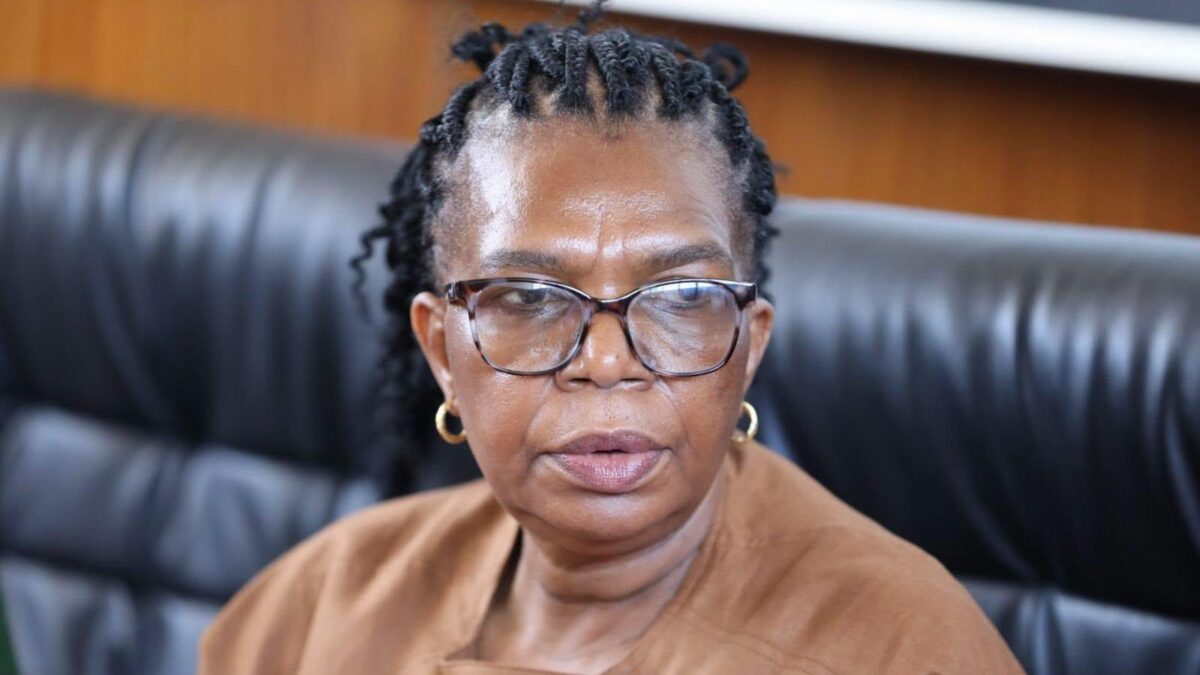
Minister of Social Development, Dina Pule, revealed that 45% of South Africans depend on SASSA social grants, which are funded by a small part of the population.
Pule shared these details in response to a Parliamentary question from National Assembly Member Tebogo Mokwele.
Mokwele asked the Minister to disclose the department’s plan to reduce the number of people dependent on state income, referring to it as a “dependency syndrome”.
She also asked the Minister how the department will ensure that sustainable jobs are created for these people.
In response, Pule revealed that SASSA plays a vital role in alleviating poverty and protecting vulnerable people from economic shocks, illness, and natural disasters.
The National Treasury’s 2026 Budget showed that 26.5 million people are expected to receive social grants from SASSA for the 2026/2027 financial year.
Of these, the highest number of grants per category was for child support, at 12 million, and Social Relief of Distress, at 8.9 million.
The budget report highlighted that for the 2026/2027 financial year, only 14.2 million people are registered as taxpayers, from whom social grant funds are collected.
However, of the 14.2 million registered taxpayers, only 8.34 million pay personal income tax. They carry the economy.
Pule defended social grants, arguing that they are good for the people who receive them and can help to drag them out of poverty.
“Contrary to popular belief, research has and continues to show that social protection programmes such as the payment of grants do not necessarily create dependency,” Pule said.
“It has changed the lives of millions of vulnerable people for the better.”
For the 2026/2027 financial year, National Treasury allocated R446.6 billion toward social development and the payment of social grants.
The budget report revealed that the monthly social grant for child support is R580, and the Social Relief of Distress grant is R370.
She said that research indicates households use these grants to send their children to school, enhance food security, and access primary healthcare.
She added that the department is engaging with organisations to draft and implement a national policy initiative to improve beneficiaries’ employability.
The initiative will focus on providing beneficiaries with training to improve skills, support business development, and earn a sustainable income that contributes to the economy.
The Minister said that the department provides funding to civil society organisations to implement these initiatives and community projects to alleviate poverty.
Concerns raised about grant recipients versus taxpayers
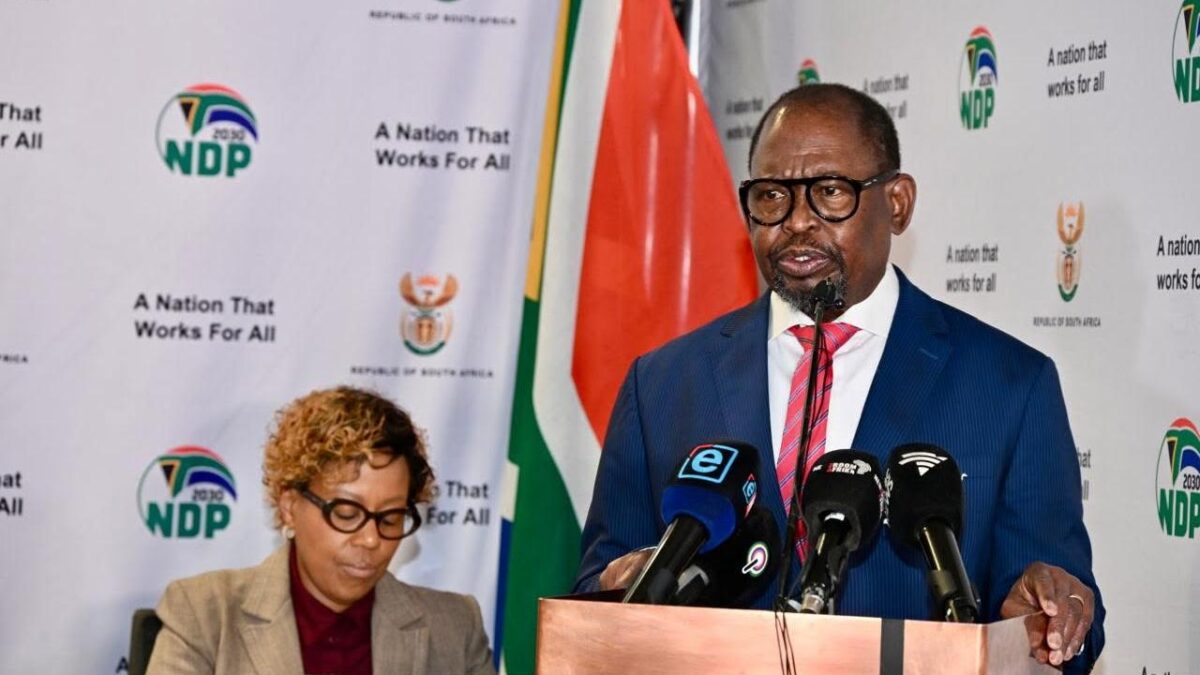
Member of Parliament, Thulani Gamede, recently asked Finance Minister Enoch Godongwana about the cost of maintaining the safety net.
He asked at what point the dedicated social wage stops serving as a bridge to opportunity and becomes a constraint on investment.
Significant investments are needed to improve the country’s education and infrastructure to alleviate poverty.
He also asked about market reforms that broaden the tax base and reduce the number of people who need assistance.
Godongwana responded, explaining that the government’s fiscal policy is balanced to support a sustainable fiscal system.
This is done while ensuring that the social wage and socio-economic rights are maintained and advanced within available resources.
“Government aims to expand economic reforms to protect vulnerable households while it works to raise growth, expand employment, and broaden the tax base,” he said.
He added that the 2026 Budget protected the social wage while shifting spending composition towards capital investment.
“South Africa’s fiscal system remains highly redistributive, with the social wage accounting for 60% of consolidated non-interest spending,” he said.
He added that the budget combines social protection with structural reforms, higher public infrastructure investment, and an improved state.
“These measures are intended to raise growth, improve confidence, support job creation and expand the tax base,” he said.
You have read 1 out of 5 free articles. Log in or register for unlimited access.




 Loading ...
If Idiot EFF ever got R4500 as a grant for people most would stop working and just live off it. It would cause SA to be the laziest country on earth.
, and the most bankrupt.