
South African voters told the ANC and Cyril Ramaphosa they have had enough of corruption and poor service delivery


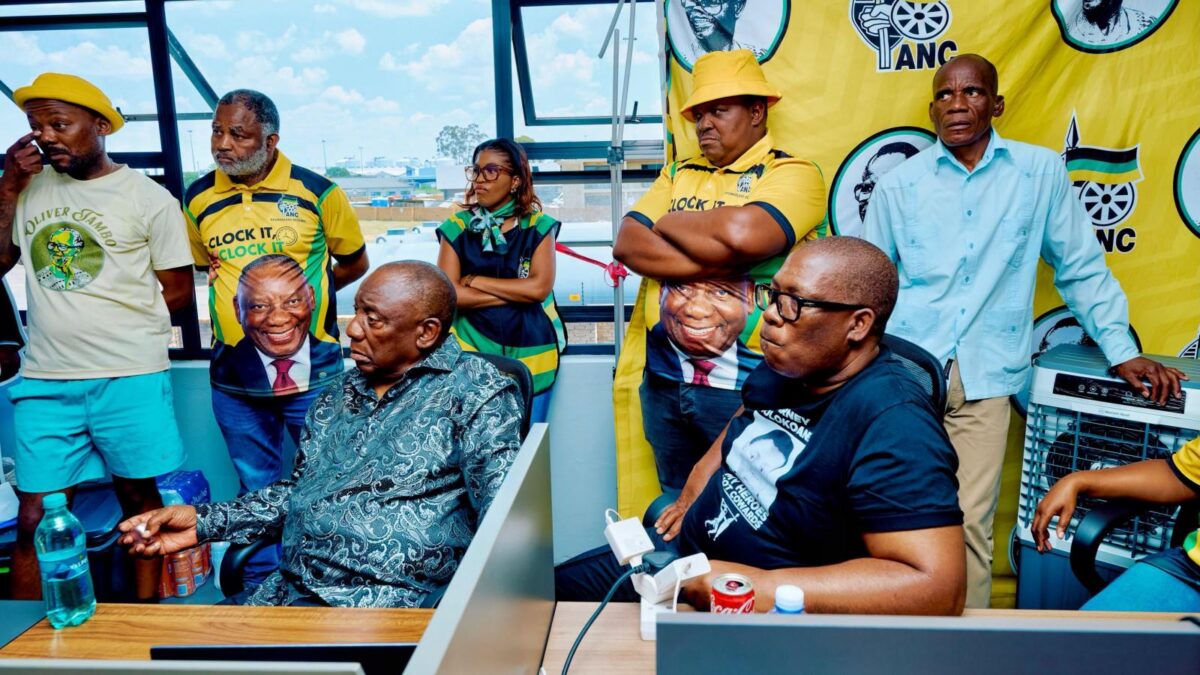
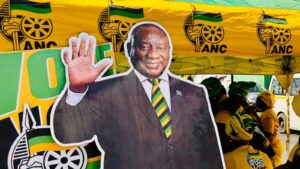
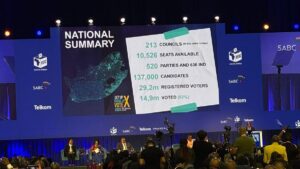
South Africans’ sweeping rebuke of the African National Congress (ANC) in the 2026 local government elections was a vote for performance over loyalty.
Political analysts said it marked a political shift in which the former liberation movement can no longer call the shots.
The ANC, widely criticised for corruption scandals and failing to deliver core public services, won less than a third of the votes in the elections.
It was by far the worst result in history for the party that led the country out of apartheid under Nelson Mandela three decades ago.
The election has deepened South Africa’s political fragmentation and shifted power towards rivals of the long-dominant ANC, with consequences beyond local government.
Coalition deals in the coming weeks could influence the ANC’s 2027 leadership contest, when President Cyril Ramaphosa is expected to step aside as party leader.
It could strengthen whichever faction can claim the most viable path back to electoral competitiveness.
These negotiations and deals will also affect how parties position themselves in the race for national power in 2029.
The ANC is now negotiating from a weaker position, analysts said, after finishing second or third in most major cities.
It also saw voters demonstrate a growing willingness to abandon political loyalties in favour of performance.
“What it has shown us is that there’s definitely a maturity of our democracy,” said Wade Manning, Executive Director of the civil society group Defend Our Democracy.
“It’s no longer just a blank check that the citizens have given to political parties.”
Coalition battle in South Africa cities
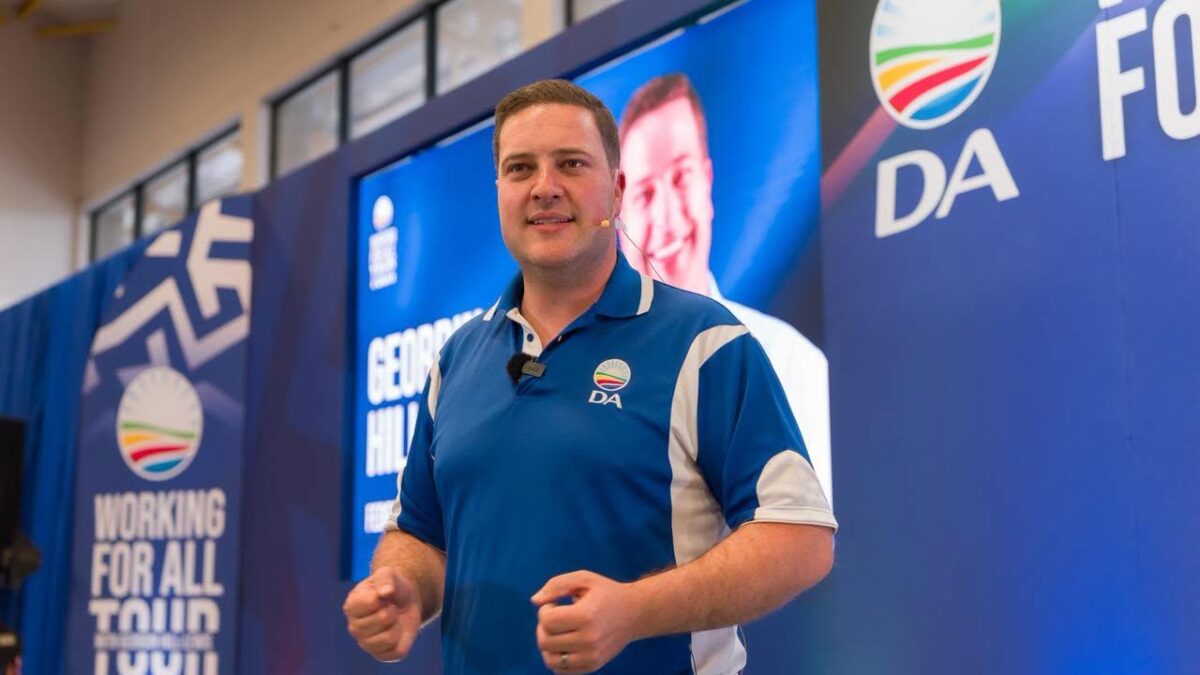
Johannesburg will be the test of whether the ANC can use coalition bargaining to arrest its decline or its rivals can turn electoral gains into lasting political power.
Although it remains the largest party, the ANC did not get an outright majority in any large South African metro.
It came second to the pro-business Democratic Alliance (DA) in the commercial capital, Johannesburg, and third in Tshwane, home to the administrative capital, Pretoria.
The party finished third in eThekwini, which includes the port city of Durban, where former president Jacob Zuma’s party uMkhonto weSizwe won the most votes.
Coalition talks will follow over the next two weeks to form governments in municipalities where no party secured a majority. The ANC could strike deals to retain influence.
However, the DA will enter negotiations with considerably more room to choose its partners, having come first in five out of eight metro areas.
The situation also means that smaller parties will hold the balance of power in several contested municipalities.
Civil society groups welcomed the result but warned that coalition deals must prioritise accountability, transparency and better public services.
“If they continue to make decisions in terms of coalitions that don’t foreground what’s in the best interests of our people, we’re just going to have another five years of messy coalitions, messy politics,” said Matshidiso Lencoasa of the Budget Justice Coalition.
From local vote to national power
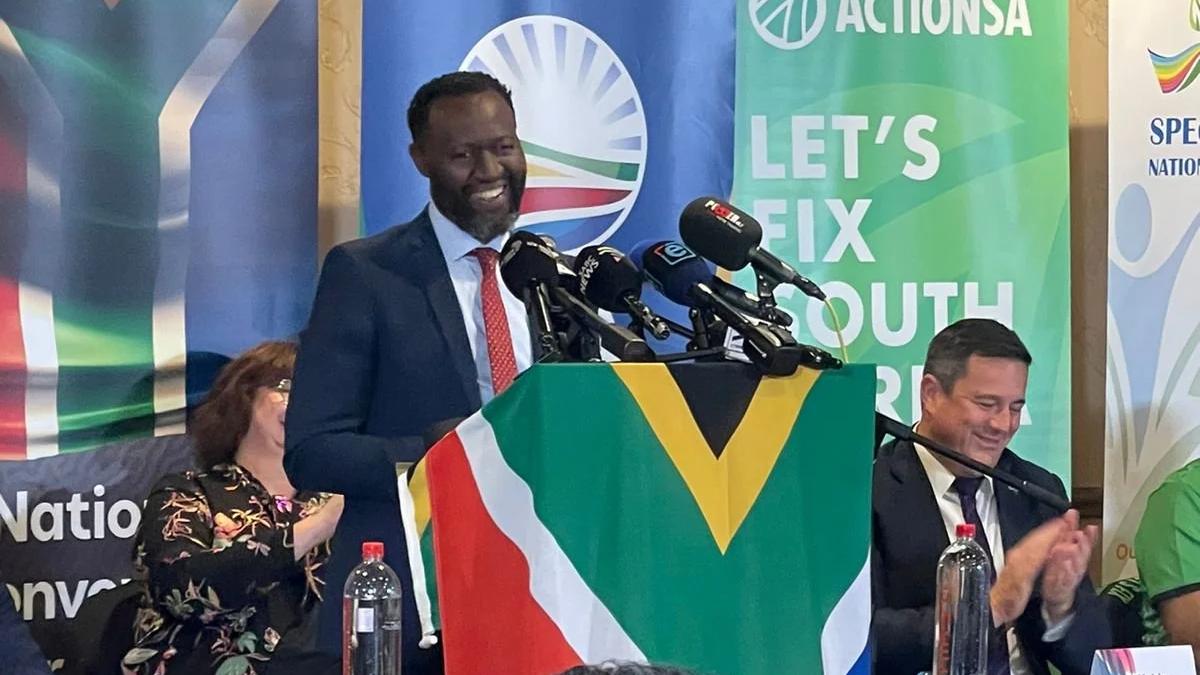
The election was a victory for the DA, which has sought to shed its reputation as a “white party”, a label it rejects.
The party said it had won the votes of more than 1 million Black South Africans for the first time, according to its modelling.
It remains to be seen whether it can translate that support into a broader mandate in the next national elections in 2029.
The ANC responded by acknowledging its failures to deliver basic services and saying it was ready to change.
“Communities have gone without water. Refuse has not been collected. In some places, money that belonged to the people was not spent on the people,” said the ANC.
The party’s senior leaders will hold a meeting later this week to analyse the loss and discuss a path forward.
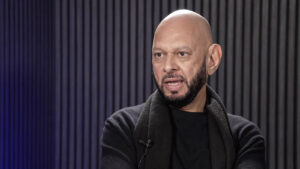
However, the party is divided and may struggle to carry out the overhaul needed to regain voters’ trust, political analyst William Gumede said.
That task will be complicated by an approaching leadership transition, with Ramaphosa’s term ending in December 2027 and no obvious successor in place.
The electoral rout could therefore reverberate through the battle over the ANC’s future direction.
Although it still controls the highest levels of government, the ANC’s credibility may be undermined by the election result, said Gumede.
Its loss has already become a punchline on social media, he said. One comedy sketch mocked the party’s incompetence, while in another video people staged a mock funeral for the ANC.
“Once you get into that space, your authority is gone,” said Gumede.
You have read 1 out of 5 free articles. Log in or register for unlimited access.






 Loading ...