Gauteng Health Department owes suppliers R3.6 billion, causing a critical medicine shortage

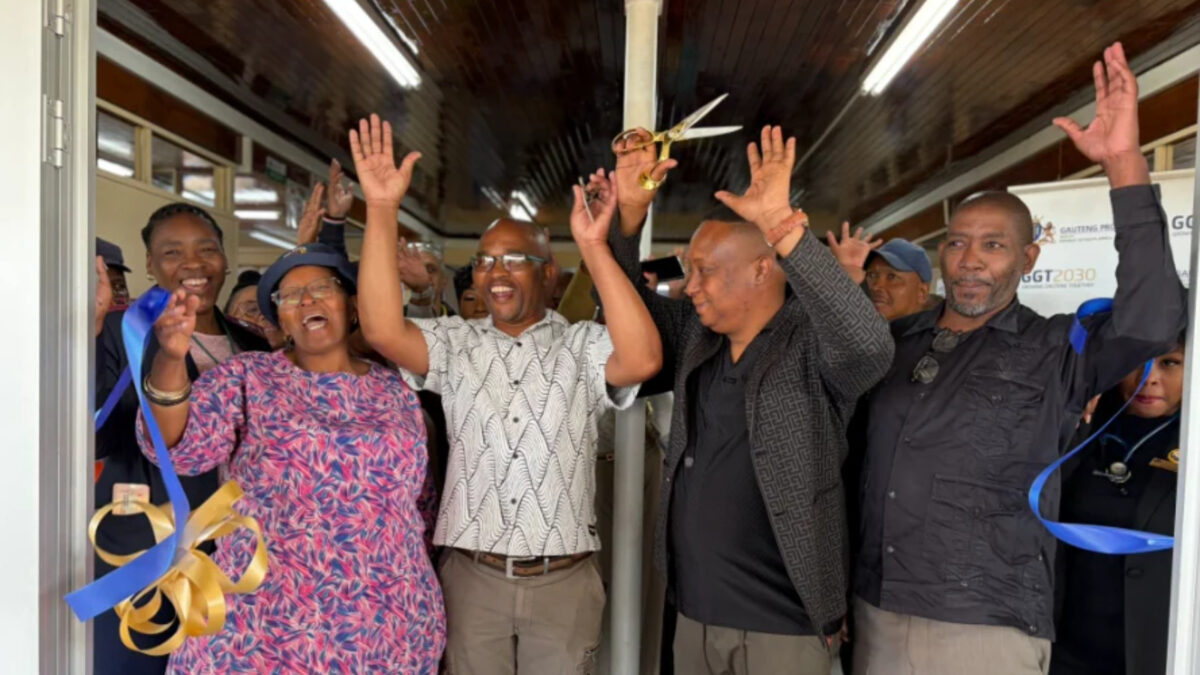
The Gauteng Health Department owes its suppliers R3.6 billion in outstanding invoices, affecting the supply of medicine to healthcare facilities and delaying patient treatment.
On 7 October 2026, the Gauteng Health Department acknowledged that it is struggling with supply challenges affecting the availability of some medicines.
The Department explained that the reason for the shortages includes changes in medicine contracts, supplier delays, and broader supply chain pressures.
It highlighted the importance of patients understanding that there are temporary shortages of certain medicines, not a complete absence of available alternatives.
“Patients may receive medicines from different approved manufacturers or in different packaging while the medicine remains the same in its composition,” it said.
The Department added that it is working with the National Department of Health to resolve supplier delays and medicine shortages.
The problem is not new. The Gauteng Health Department has been struggling to pay its suppliers since 2017.
Audits revealed that it paid only 43% of its invoices within the 30-day window in the first quarter of its 2026/2027 financial year.
MedicalBrief reported that the Department’s financial strain stems not only from unpaid invoices to suppliers but also from accumulated debt from medical litigation.
It revealed that the Department experiences annual shortfalls amounting to R8 billion, leaving every new financial year with pre-existing debt to settle.
The Gauteng Health MEC, Faith Mazibuko, also said that alternative medication is provided to patients to ensure uninterrupted healthcare.
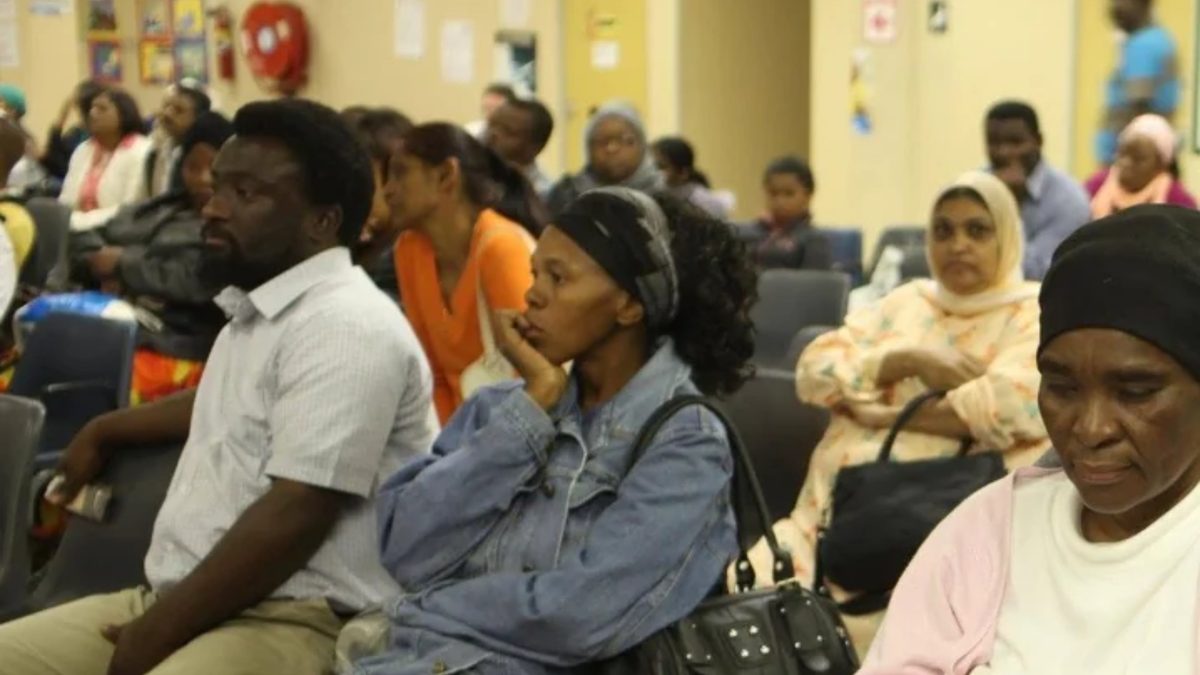
However, several reports made by patients provide contradictory statements, saying that they have not been able to receive their medication from state facilities and cannot afford private healthcare.
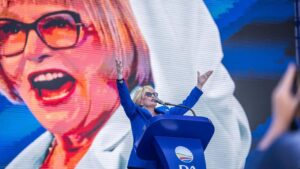
The DA spokesperson for health, Madeleine Hicklin, called for an urgent investigation and intervention into the medicine shortage crisis.
Medicine shortage effect on state users
On 28 October 2026, the DA submitted a Promotion of Access to Information (PAIA) application to the Department of Health, Michele Clarke said.
It requested access to all reports to gain insight into medicine stock levels between April 2026 and October 2026.
“Currently, up to 50 critical medicines are out of stock, and patients whose health and well-being depend on state medicine have no way to access their pills,” Clarke noted.
Clarke said that the shortages include medications for conditions such as high blood pressure, blood clots, epilepsy, and mental health issues that require medication.
Affected patients at Charlotte Maxeke Academic Hospital reported that they have been unable to access Symbicort for chronic obstructive pulmonary disease, which blocks airflow to the lungs.
At Steve Biko Academic Hospital, a pensioner at risk of severe blood clots was unable to obtain her blood thinner for two months.
She said that, as a pensioner reliant on a social grant capped at R2400, she cannot afford R2000 for the medication out of her own pocket.
She mentioned that the hospital recently informed her that a blood clot formed in her leg, but they are unable to provide her with the necessary medication.
Nigel Clinic has been unable to supply its patients with their ADHD, general anxiety, and autism medications for three months.
Northmead Clinic experienced a critical shortage of epilepsy medicines, anti-psychotic drugs, and paediatric antiretrovirals, which are used to suppress HIV in babies and young children.
The DA said it will continue to pressure the Department to pay its debt to the suppliers to ensure that patients receive the right medication and quality healthcare.
You have read 1 out of 5 free articles. Log in or register for unlimited access.





 Loading ...
But they seem all very happy in the photo. Good grief.