
The municipality with the most power stations in South Africa owes Eskom R13.6 billion


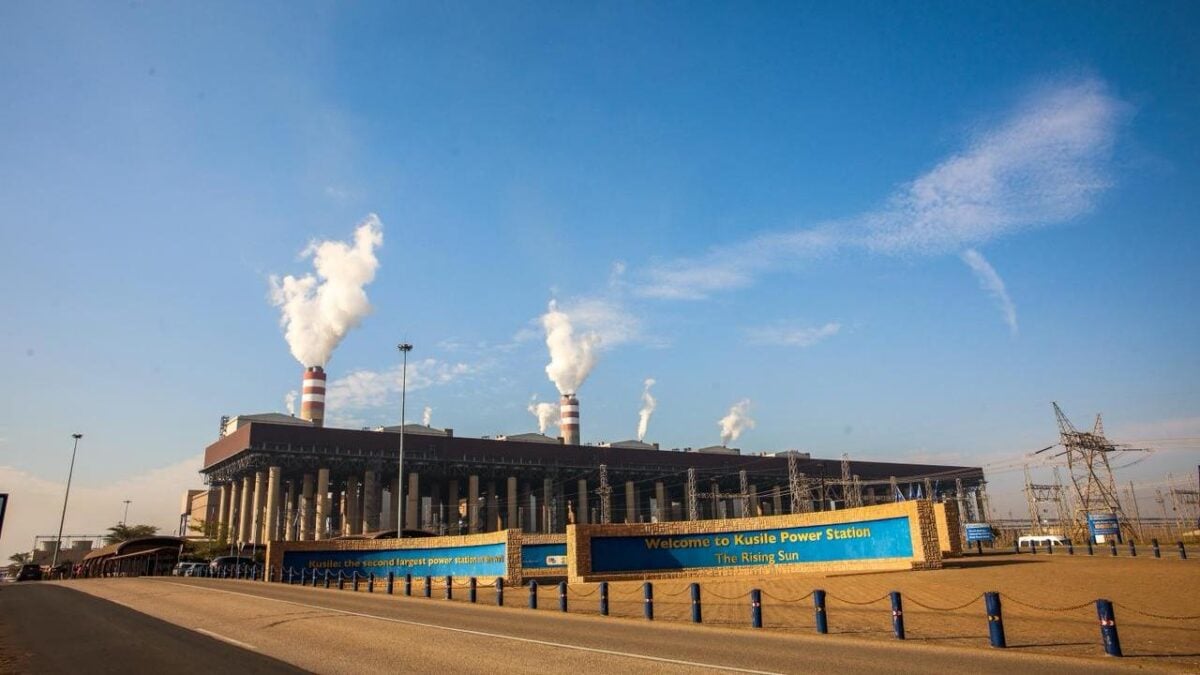
Emalahleni in Mpumalanga, the heartland of Eskom’s coal-fired power stations, owes the power utility more than any other municipality.
This was revealed by the Minister of Electricity and Energy, Kgosientsho Ramokgopa, in response to a Parliamentary question about municipal debt.
Emalahleni, also known as Witbank, is an industrial hub 100 kilometres east of Pretoria and Johannesburg along the N4 and N12 freeways.
The primary industries fuelling the local economy are coal mining, heavy manufacturing, metal smelting, and power generation.
The municipality is home to the largest concentration of Eskom power plants in South Africa.
Located within its municipal borders are five coal-fired power stations, including Kusile, Kendal, Duvha, Kriel, and Matla.
The Komati Power Station, located near the border of the municipality, is a coal-fired which was shut down in October 2022.
It is now the flagship site for South Africa’s Just Energy Transition (JET), being repurposed into a renewable energy hub.
With this high concentration of Eskom power stations in the municipality, many families living in Emalahleni rely on the power utility for their income.
Despite Eskom’s importance in the municipality, it is the biggest problem for the power utility in terms of debt.
Ramokgopa revealed that as of 31 August 2026, the Emalahleni Local Municipality was Eskom’s highest debtor with overdue debt of R13.6 billion.
Municipal debt the greatest threat to Eskom’s financial sustainability
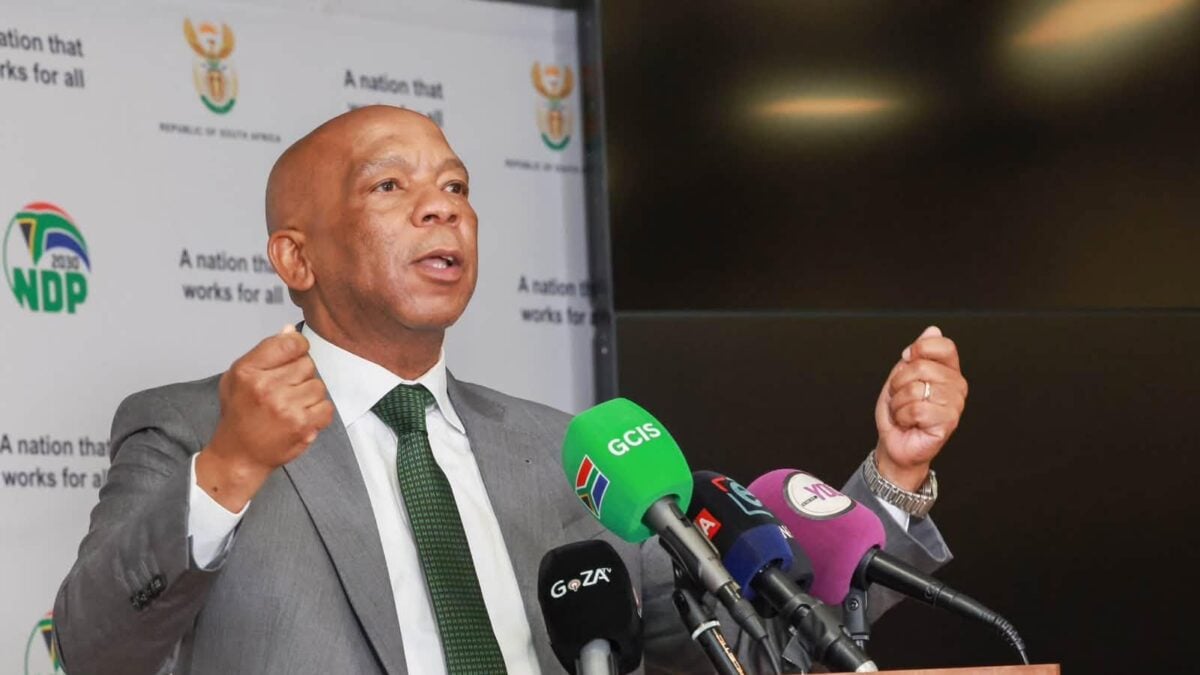
The Minister said that the rapidly increasing municipal debt is the greatest threat to Eskom’s financial sustainability.
He added that the municipal debt is also the biggest obstacle to the legal separation of Eskom’s distribution business.
Eskom projects the debt to rise to R358 billion by the 2031 financial year if decisive intervention is not implemented.
“Eskom reported that the non-payment of municipal, metro and residential accounts continued to constrain its financial performance,” Ramokgopa said.
“There is a net amount of R15.8 billion not recognised as revenue due to the elevated risk of non-collectability. This is up from R11.9 billion in a year.”
He said that Eskom uses various initiatives to try to get money from municipalities which do not pay their bills.
It includes debt resolution through the prescribed processes of the Intergovernmental Relations Framework Act (IRFA).
IT also uses the National Treasury’s Municipal Debt Relief Programme, Distribution Agency Agreements (DAAs), and issuing of notices to municipalities.
“Some municipalities have entered into long-term payment arrangements to reduce their arrears while continuing to service their current accounts,” he said.
“Eskom is currently engaging with municipalities on the Distribution Agency Agreements as a key initiative to assist municipalities.”
He said that many municipalities have shown interest in the DAAs and must complete a process before these agreements can be implemented.
Where necessary, Eskom considers legal action, limits supply to a level aligned with the municipality’s affordability, or disconnects supply as a last resort.





 Loading ...
So hulle steel, dié wie vir hul krag betaal, se geld deur dit nie oortebetaal aan Eskom.
EN ESKOM LAAT DIT TOE.
HOE KAN “RAMAGOPTA” dan rapporteer dat hulle ‘n wins toon.
Leuns soos altyd.