
The 124-year-old South African school which produced Gary Player, Graeme Smith, Malcolm Marx, and Bryan Habana


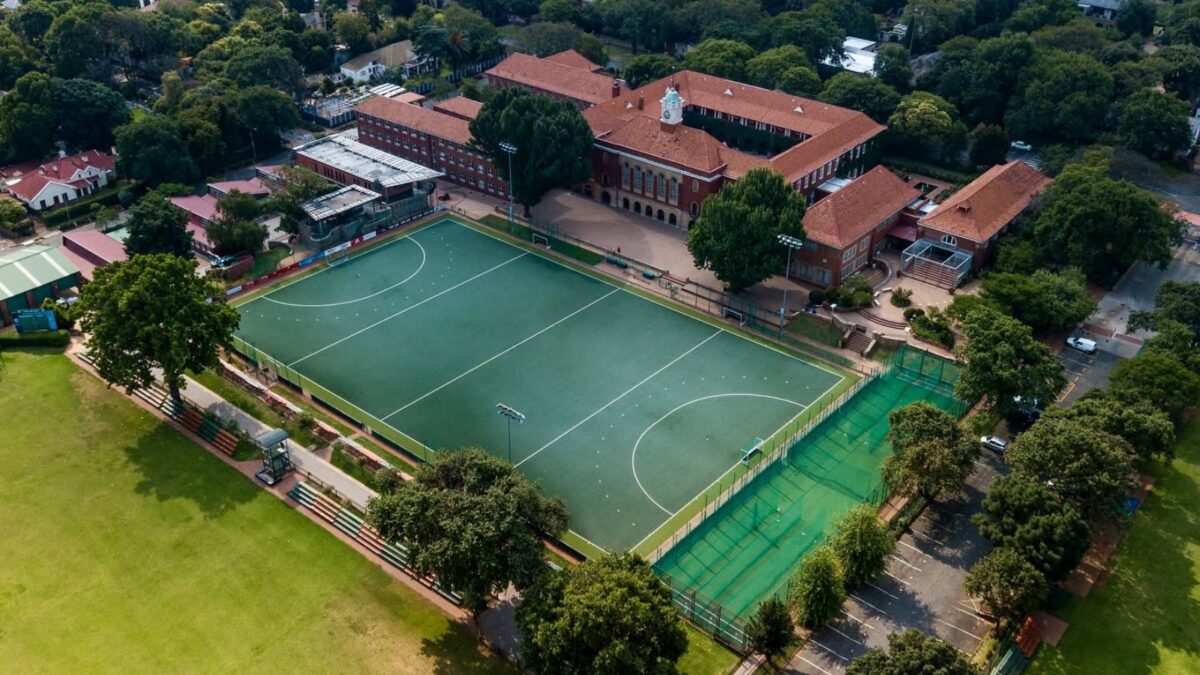
Located in Houghton Estate in Johannesburg, King Edward VII High School has produced top South African athletes, including Springboks Malcolm Marx and Bryan Habana.
The school was founded in April 1902, when there was an urgent need for schools in the Transvaal following the end of the Boer War.
At the time, Alfred Milner led the post-war British civil administration. In search of space for temporary classrooms, the administration found a vacant cigar factory in Johannesburg.
The factory, located at the corner of Gold and Kerk Streets, was chosen as the venue for the Government High School for Boys.
The school was also known as the Johannesburg High School for Boys, and it grew rapidly. By 1904, it was moved to Barnato Park.
However, the site was deemed inadequate within a few years, and in 1911, it moved to its current site in Houghton.
This occurred shortly after the Union of South Africa was founded and King Edward VII, Queen Victoria’s eldest son, passed away.
The school was approved to change its name to King Edward VII School, also referred to as KES, to honour King Edward VII’s memory.
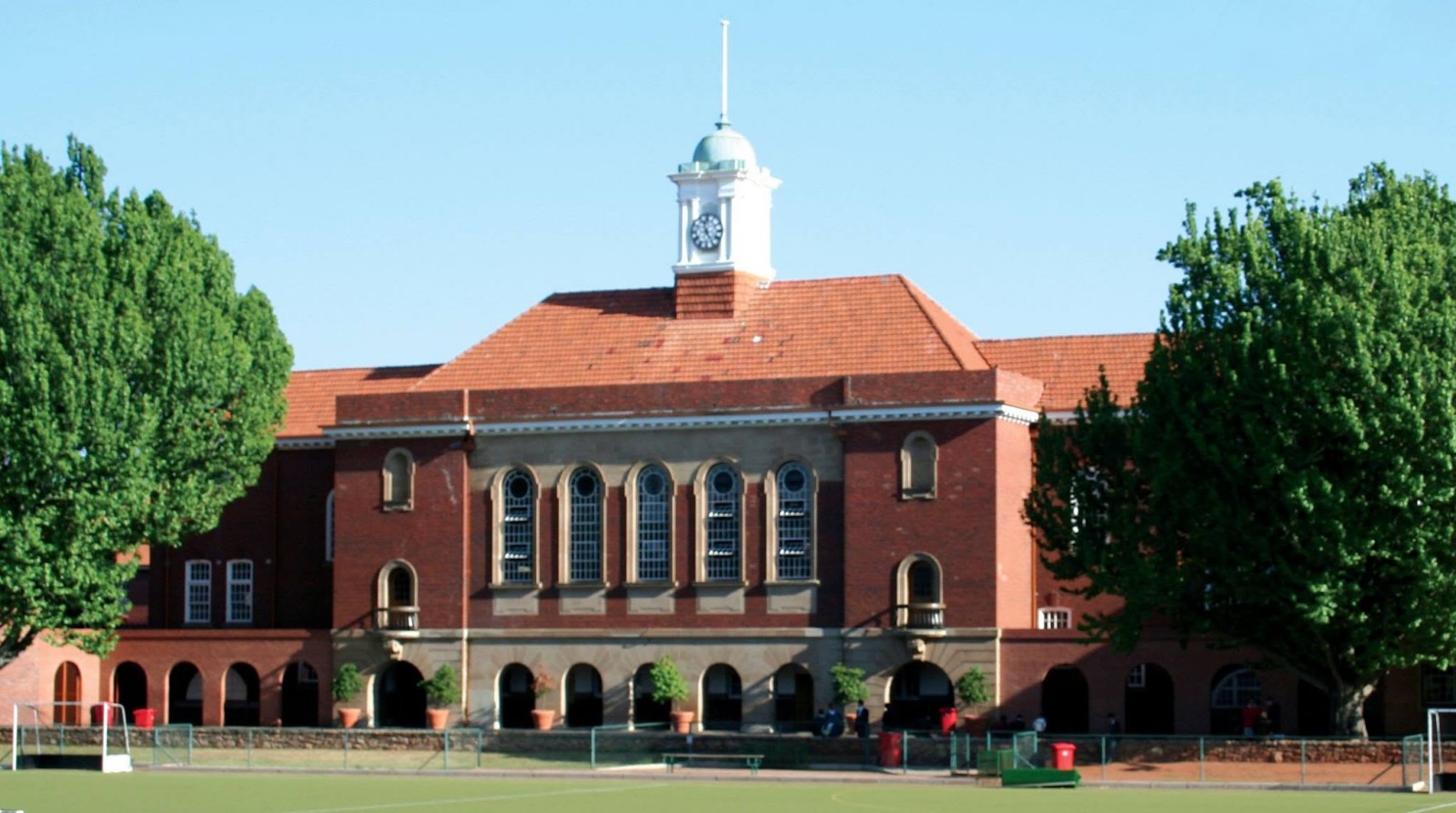
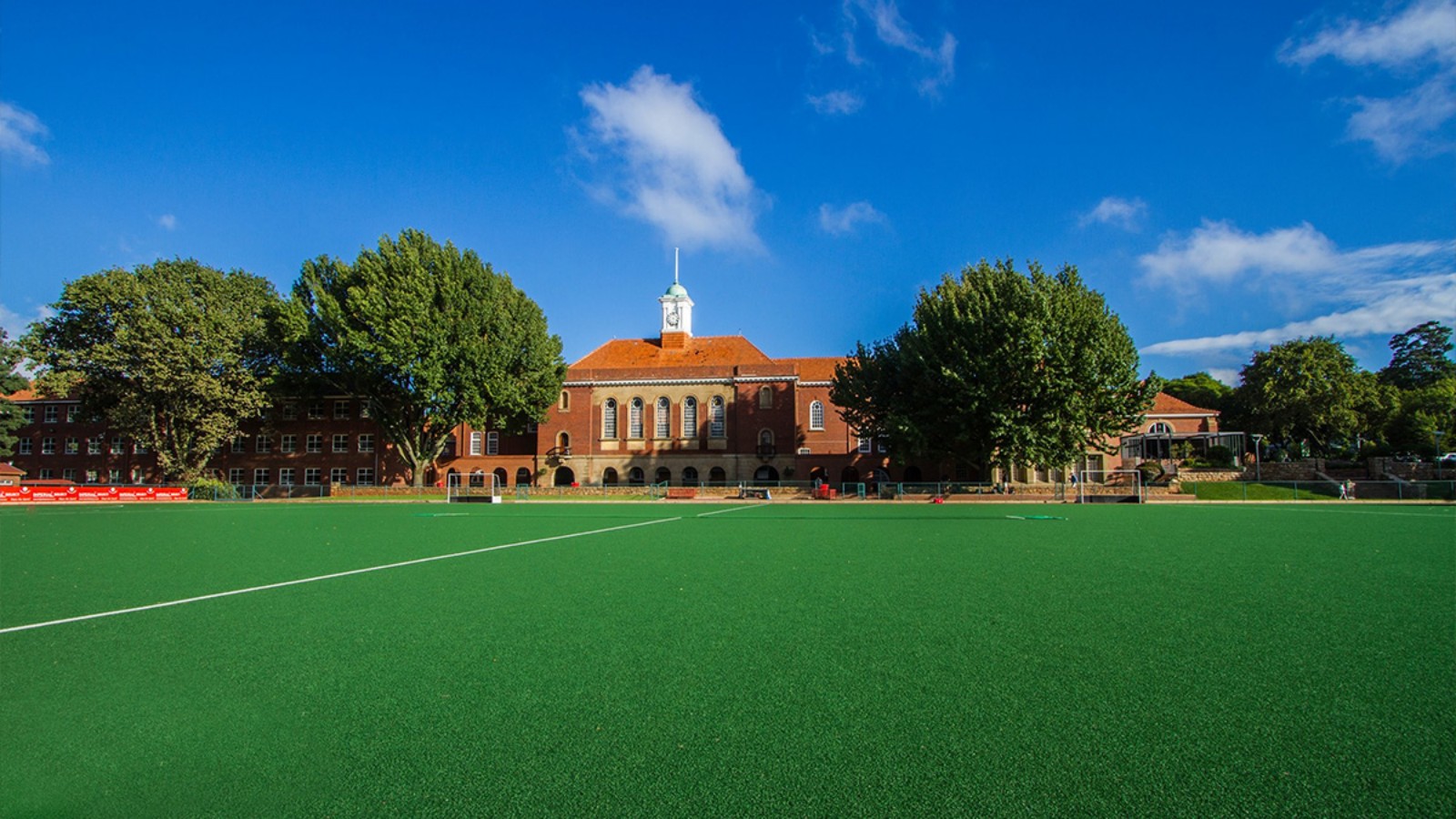
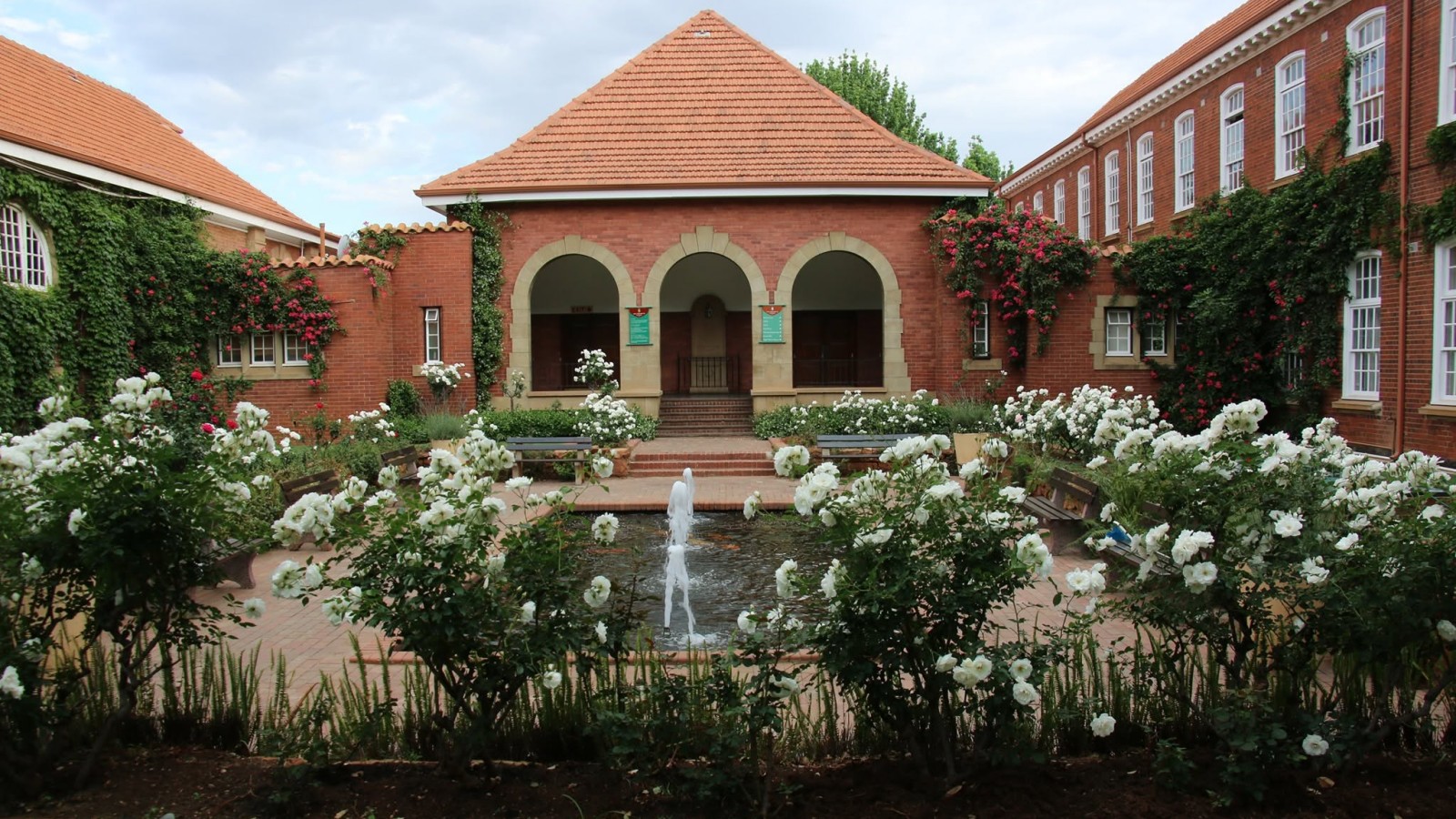
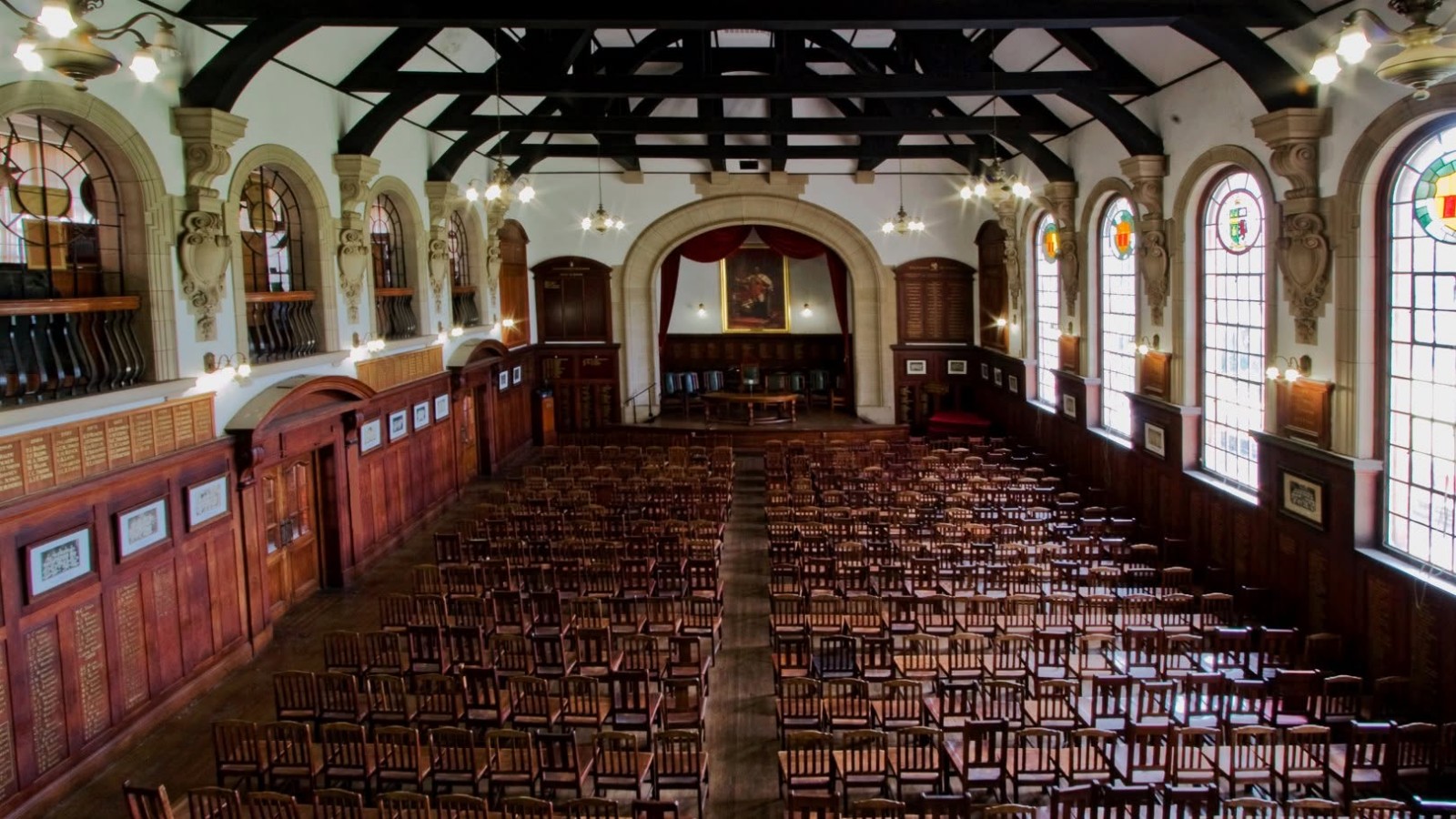
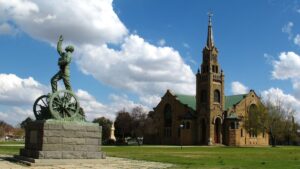
At 124 years old, the school has maintained much of its Edwardian architecture, including its main building, the school hall.
This building, the lecture theatre and library wing, the memorial wing, and the cenotaph in the main quad have retained their appearance and are considered national monuments.
This Edwardian architecture is blended with early 20th-century architectural styles. Since its founding, the school has remained a government secondary school.
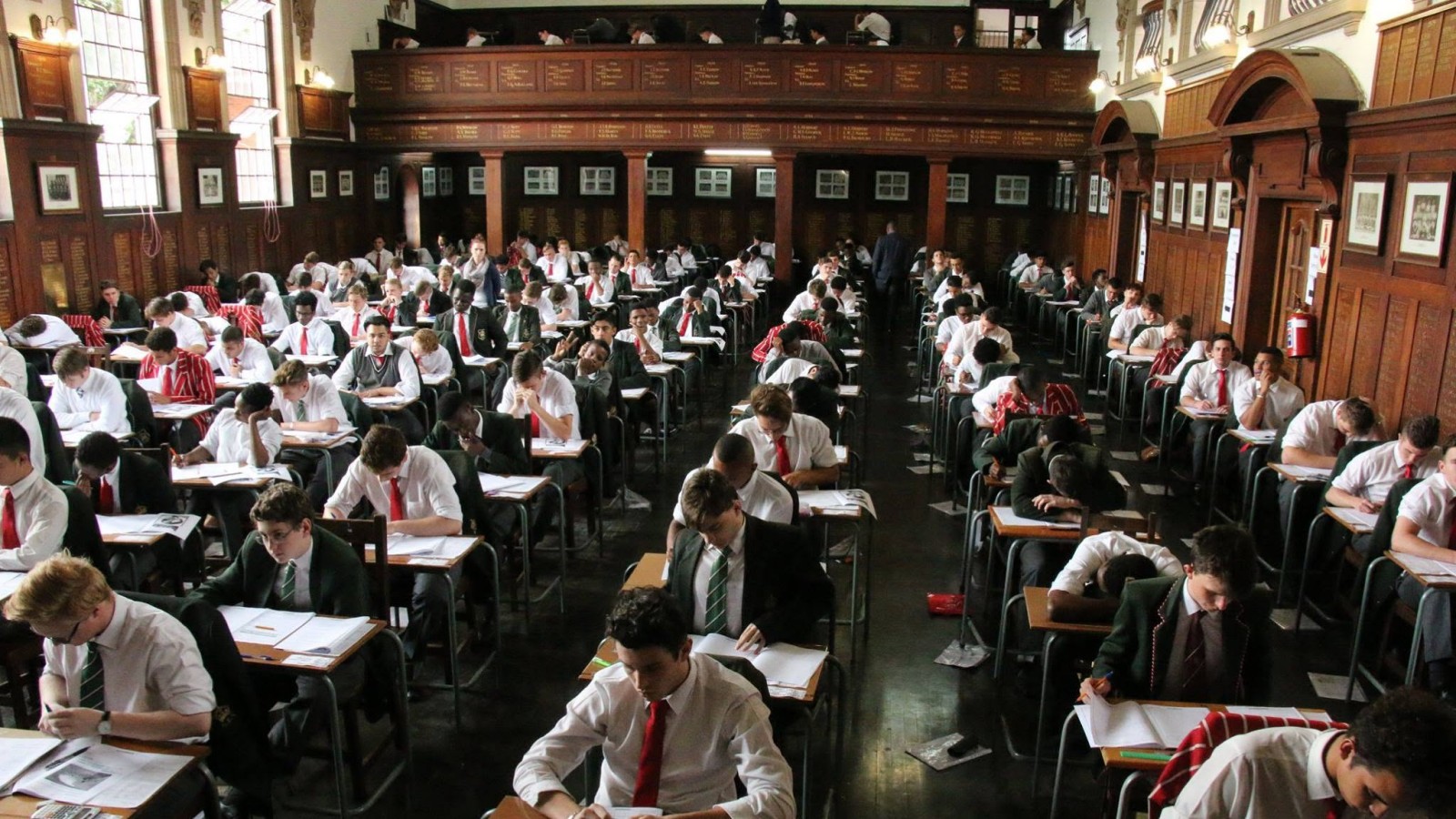
It has an enrolment of over 1,000 schoolboys in grades 8 to 12, and the King Edward VII Preparatory School, situated next door, caters to boys from grades 1 to 7.
“Over the past century, thousands of youngsters have come to us as boys and left as men,” the school claims.
“Men with the education, confidence, morals, discipline, passion and courage to shape our nation’s progress.”
Shaping World Cup-winning Springboks and top business people
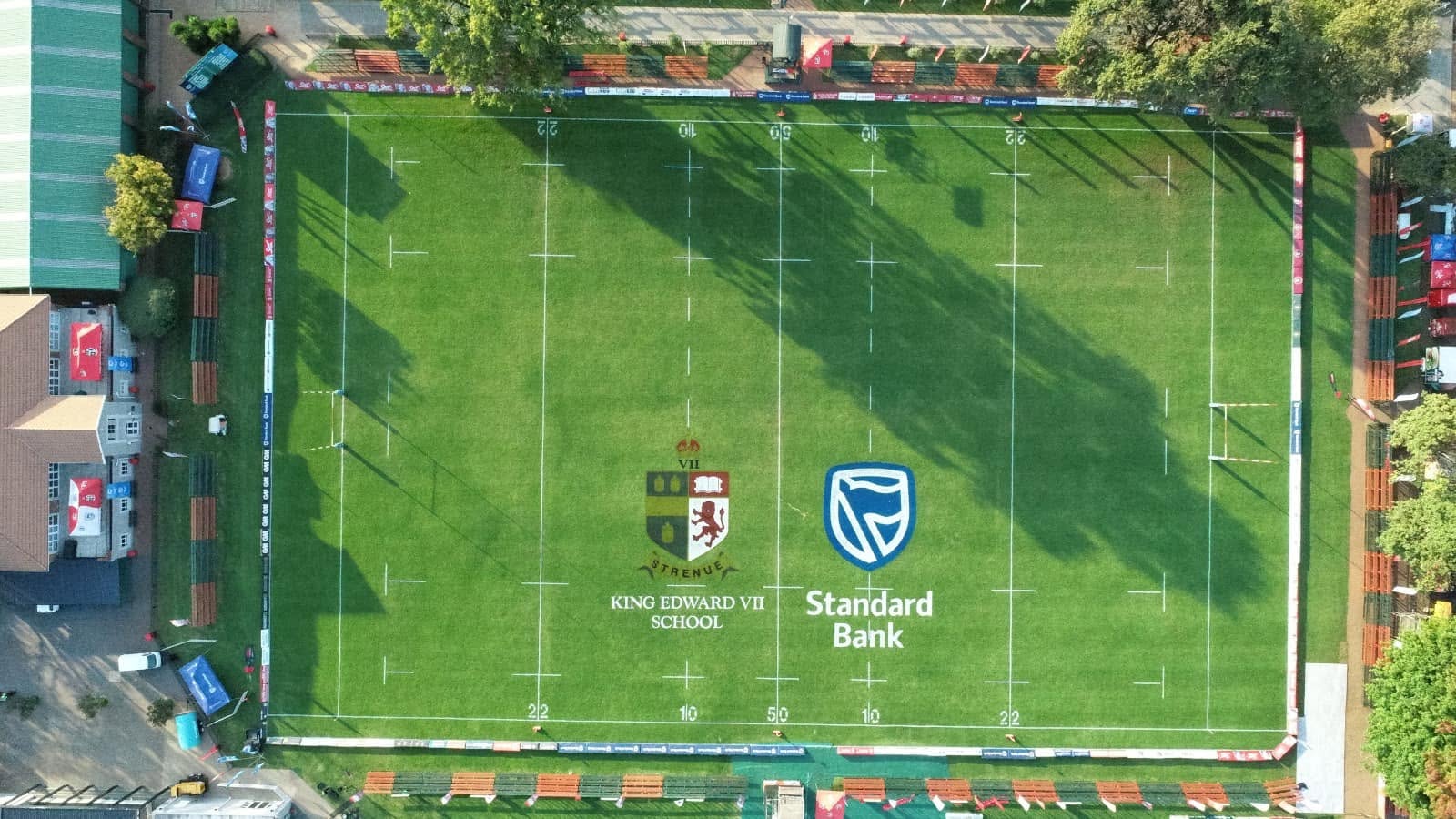
Some of King Edward VII School’s most notable alumni include World Cup-winning Springboks Bryan Habana and Malcolm Marx.
Habana, who was part of the Springbok squad that went on to lift the 2007 Rugby World Cup, matriculated from King Edward VII School in 2000.
Habana played as a star winger for the school’s first team while completing his high school years.
Malcolm Marx, the Springbok hooker who has lifted the Rugby World Cup on two occasions, attended King Edward VII School between 2008 and 2012.
Marx played in the backline during his early school years and was part of KES’ unbeaten U14A team before moving into the forward pack.
However, its impressive list of alumni extends beyond just decorated Springboks. It has produced top businesspeople and cultural leaders.
These include legendary golfer and businessman Gary Player, billionaire Sir Donald Gordon, and former captain of South Africa’s national cricket team Graeme Smith.
In cricket, prominent alumni who excelled included Graeme Smith, Ali Bacher, Adam Bacher, Quinton de Kock, and Nic Pothas.
Other notable alumni include 2010 Kyoto Prize winner William Kentridge, Sir Sydney Kentridge, Justice Johann Kriegler, and Justice Richard Goldstone.
Academic performance is also of utmost importance at KES, as evidenced by the 124-year-old school’s matric pass rate, which was an impressive 98% in 2025.
Of those who passed, 83% achieved a Bachelor’s pass rate. KES also boasted several matric learners who achieved up to 8 distinctions in individual subjects.
“Our school remains at the cutting edge of holistic education, ever mindful of our ethos, values, and heritage,” the school said on its website.
“The rounded and balanced environment for which our school is famed combines legacy with leadership and high moral standards with high-tech facilities.”
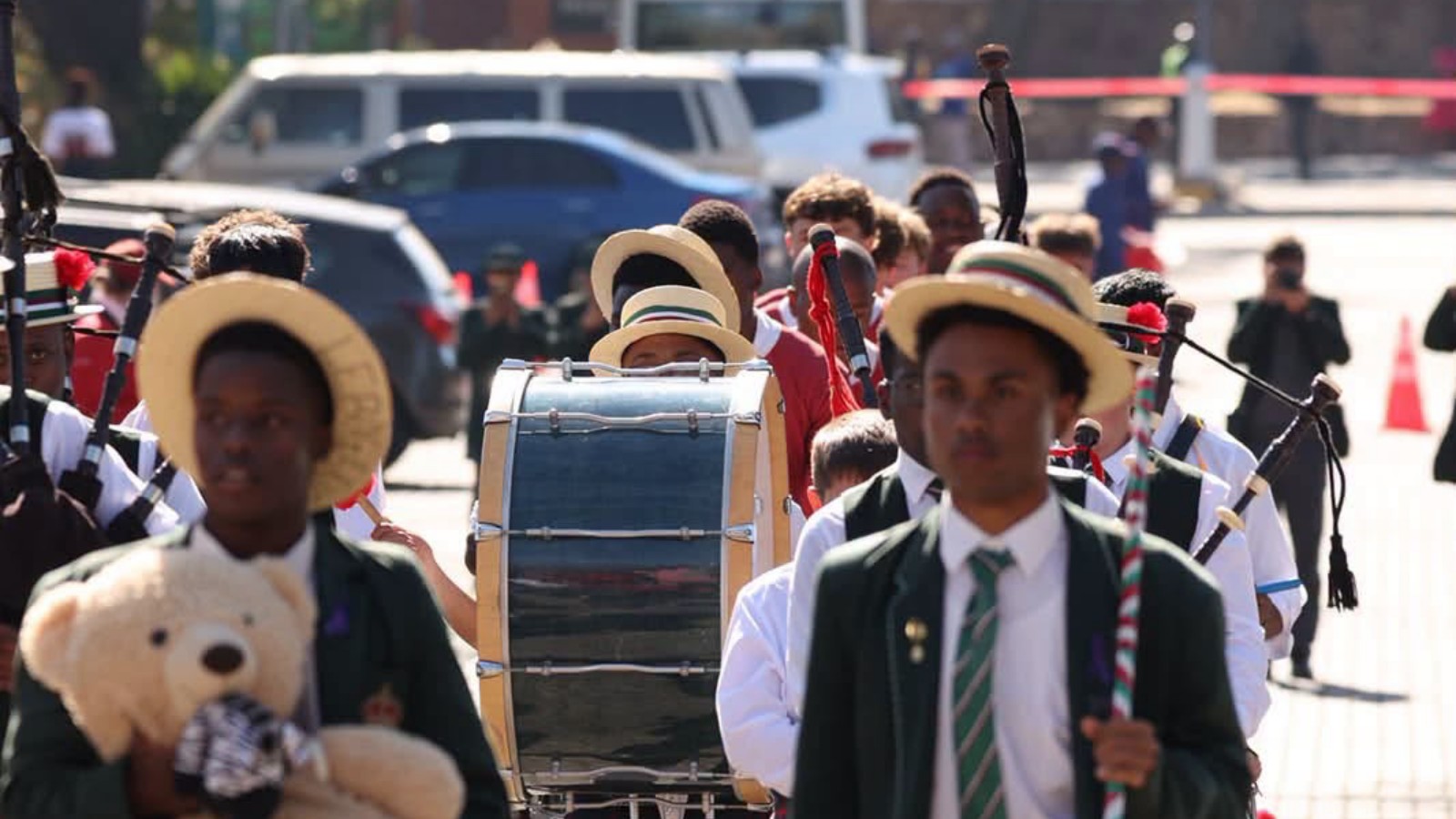
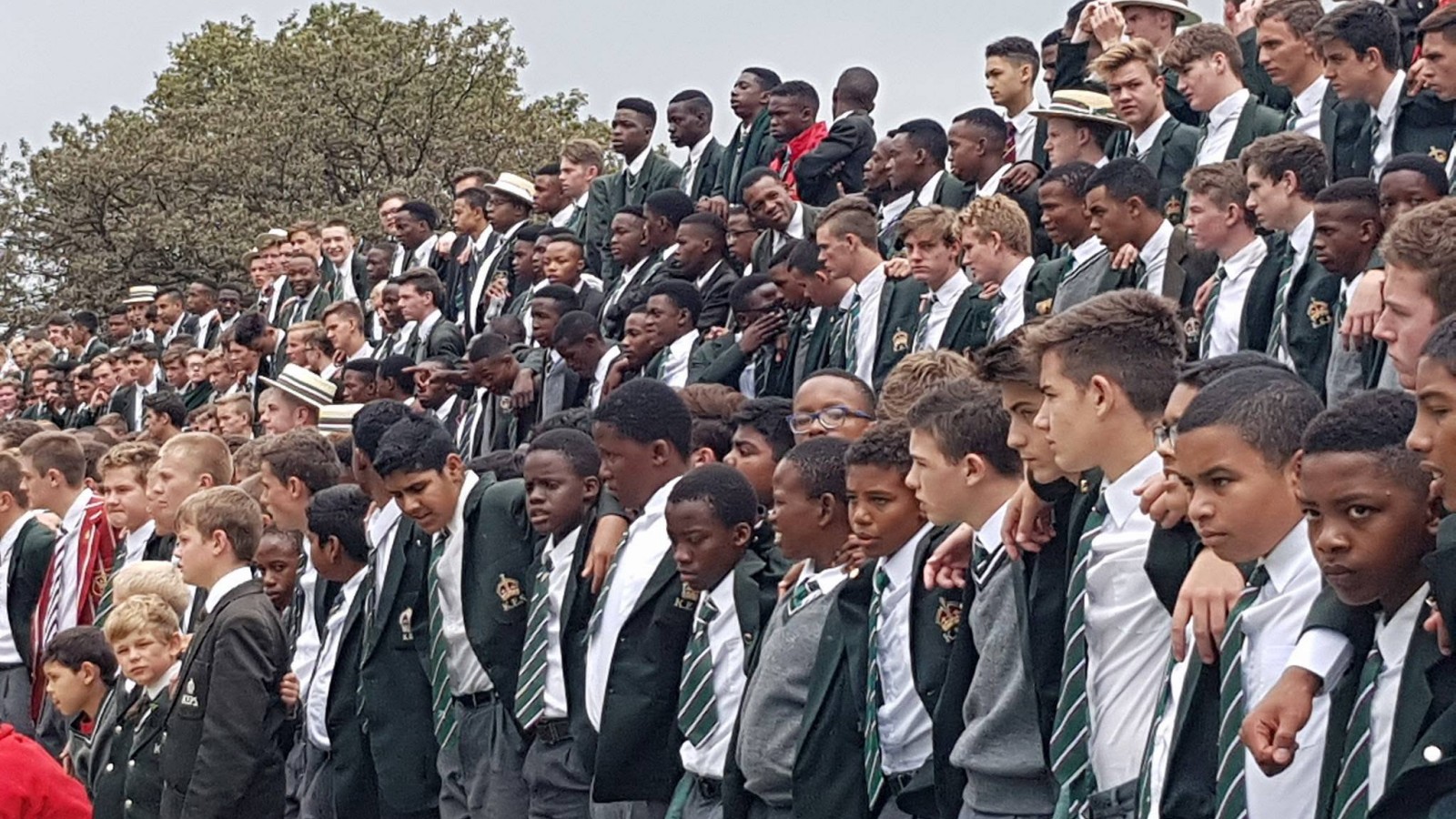
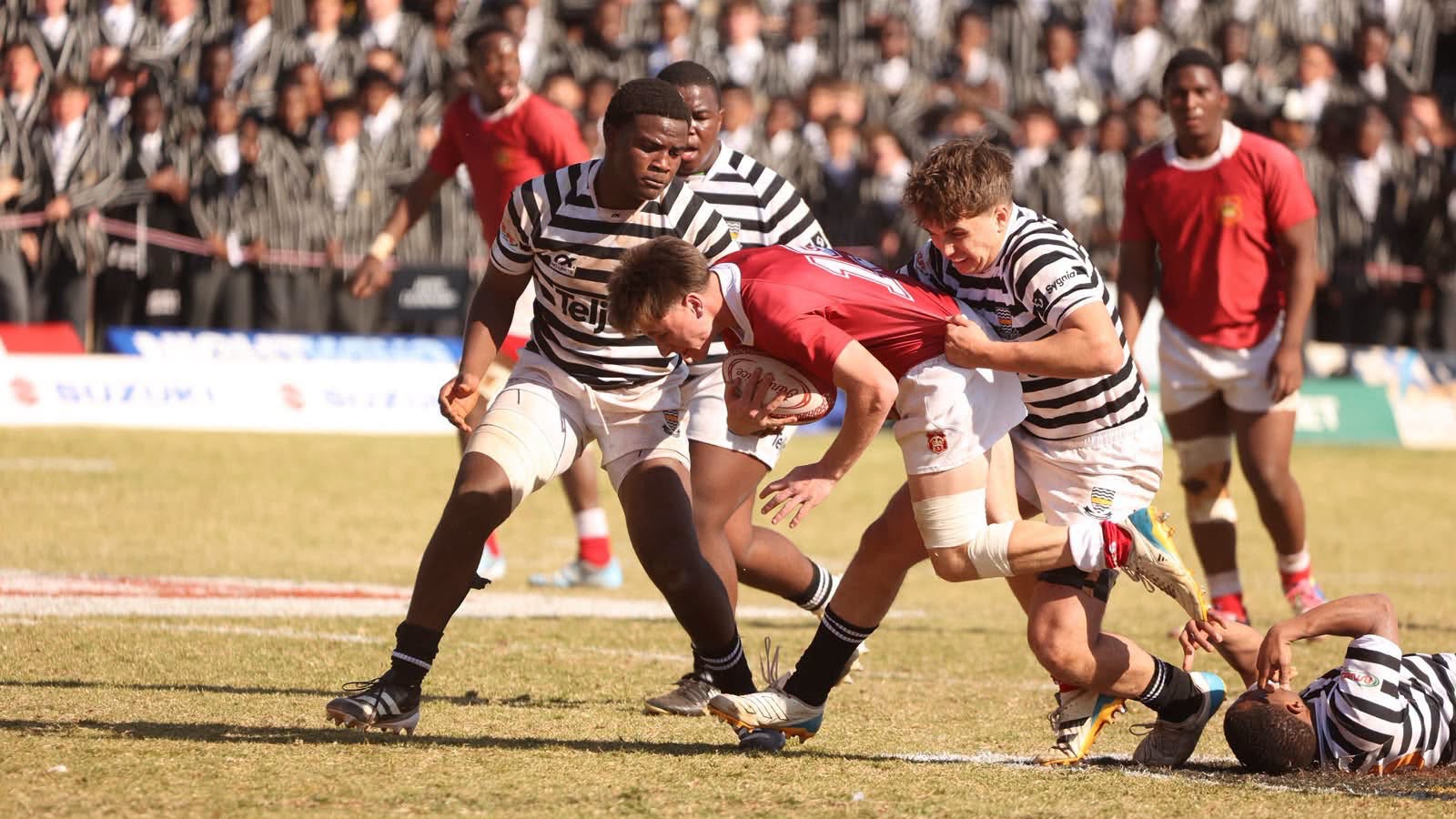
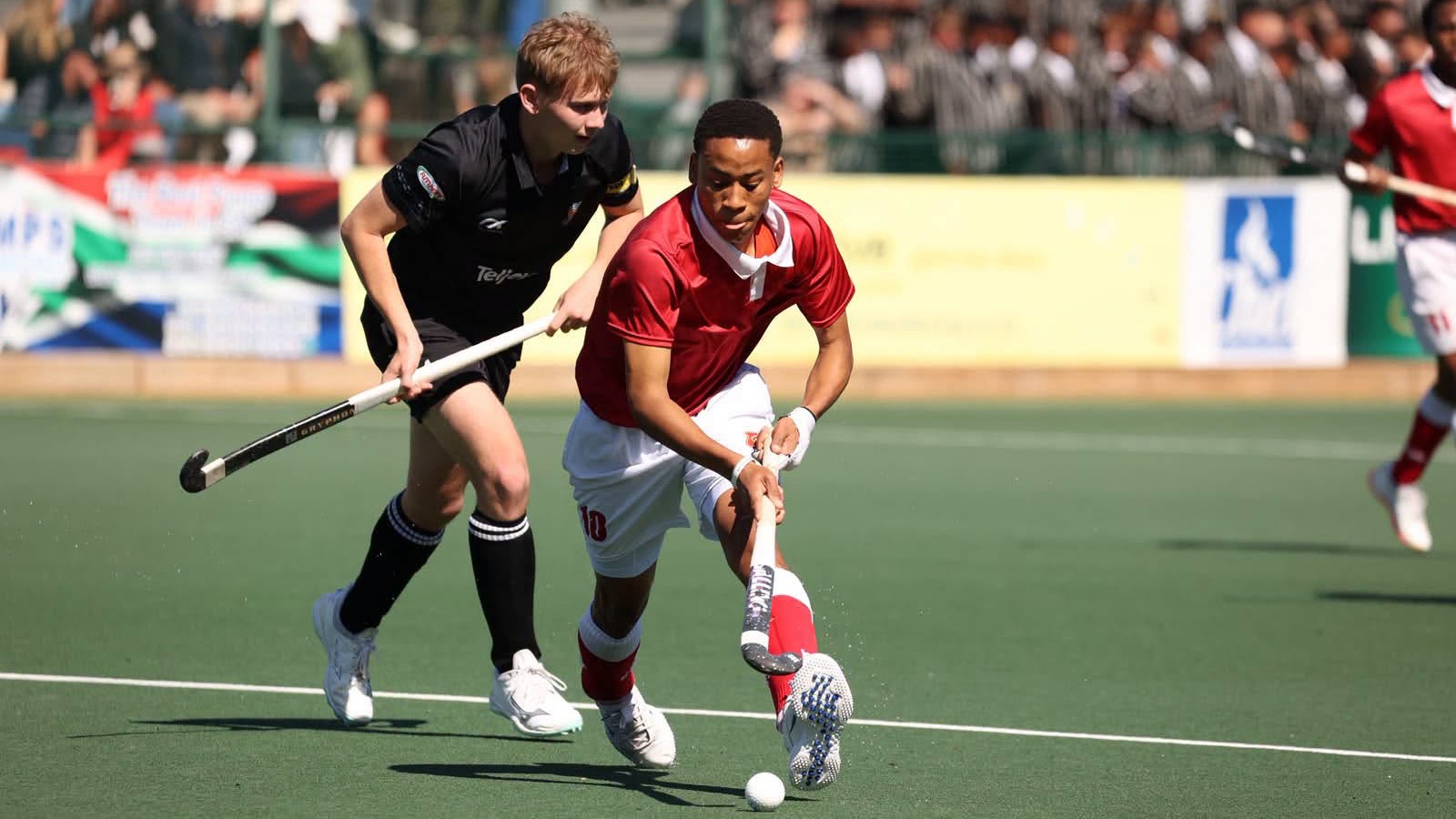
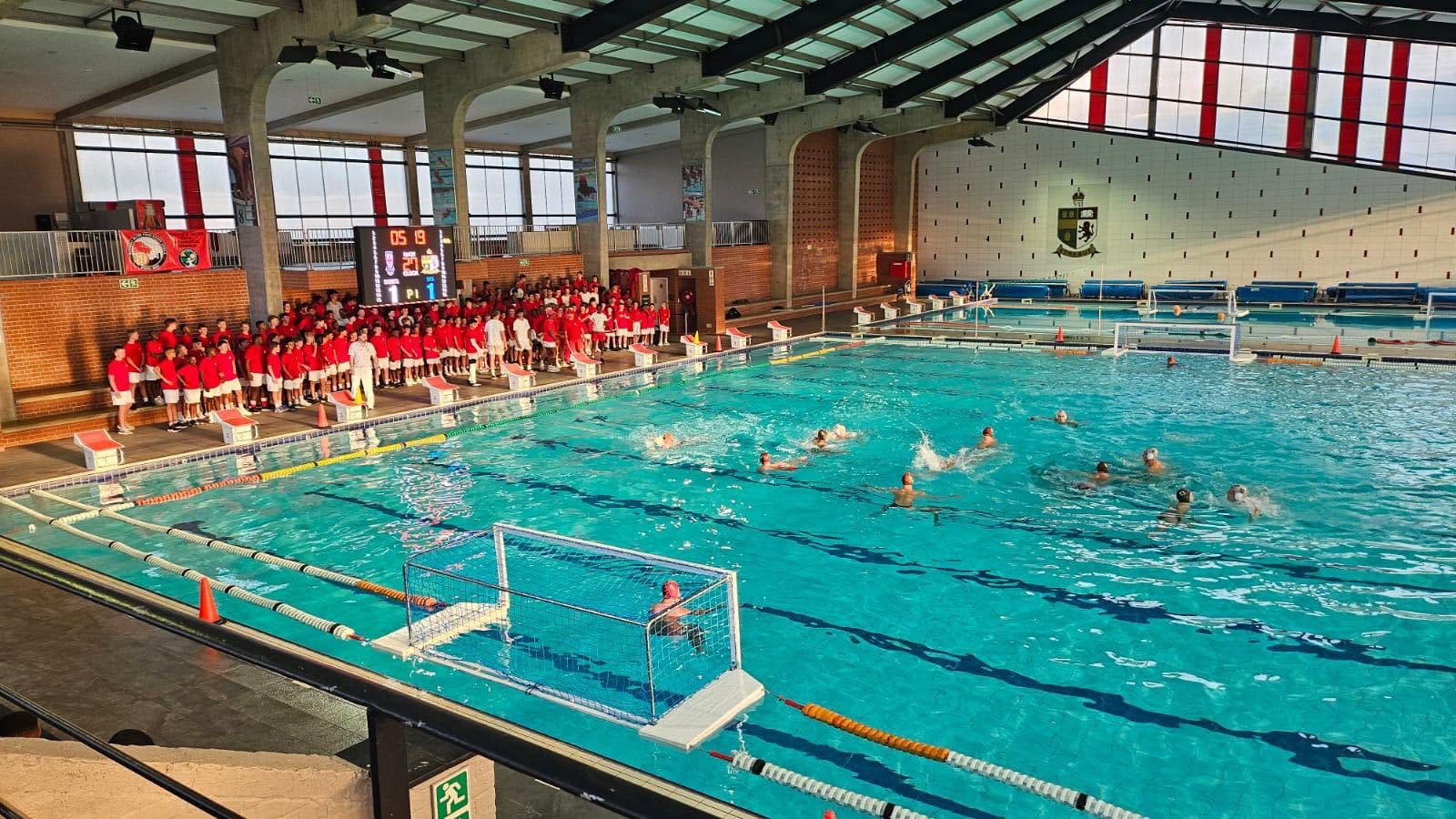
King Edward VII School in Houghton, Johannesburg



 Loading ...
It would have been nice to see mention of two Springbok swimmers, Gary Bonney and John Thorburn, who got their colours in 1969, while still at KES! Gary was 15, and he actually got his Springbok colours before he got his school.colours for swimming.