
The 163-year-old public school that was once an army hospital and produced Joel Stransky and Jonty Rhodes


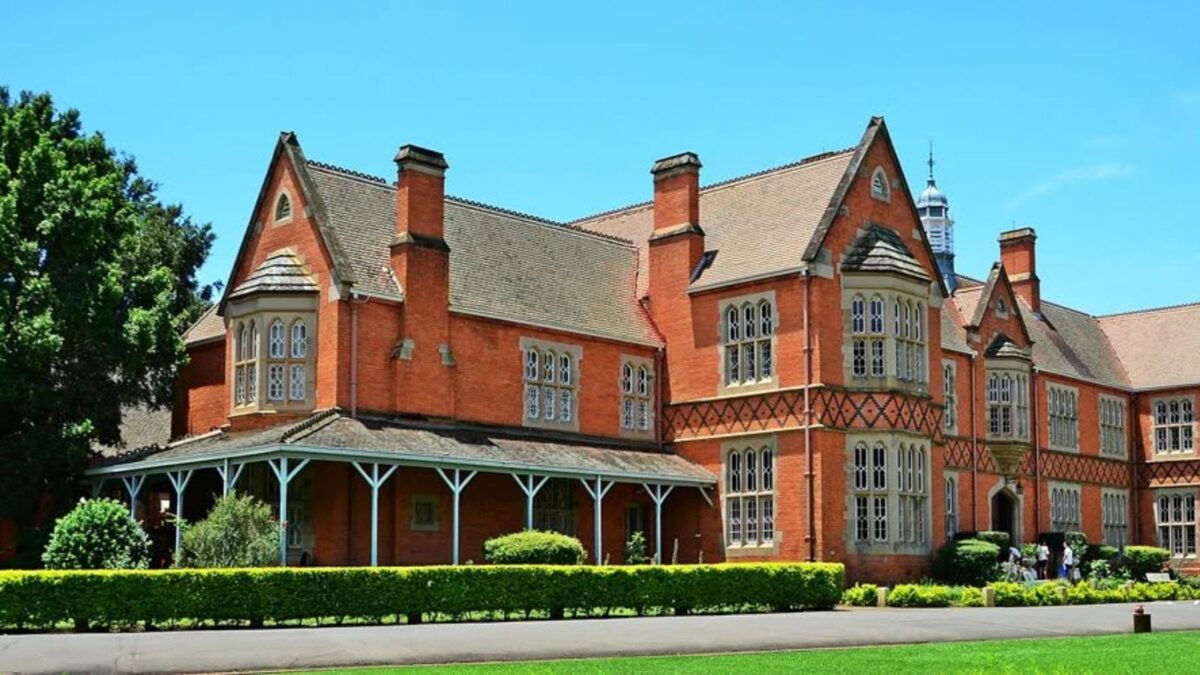
Maritzburg College in KwaZulu-Natal is one of the oldest schools in the area, with a rich history and several notable alumni.
The school was founded in 1863 by William Calder with only 36 learners as an all-boys school, which it remains to this day.
During the Second Anglo-Boer War, the school was repurposed into a military hospital for British soldiers.
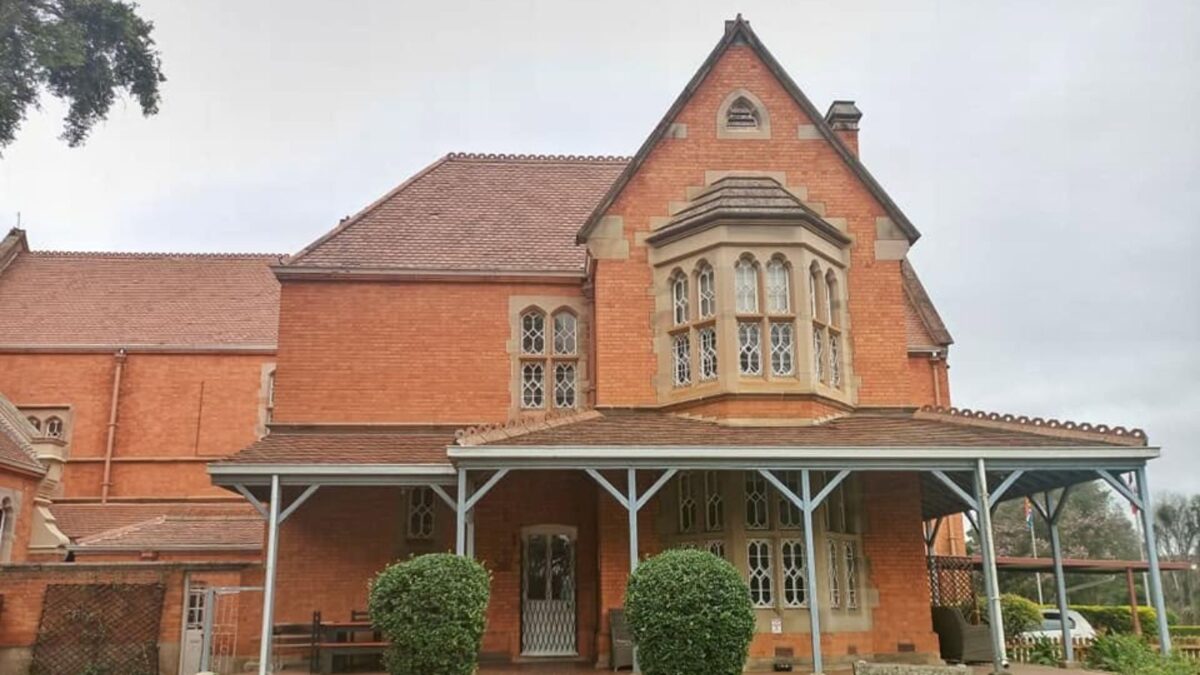
The hospital building, named Victoria Hall, still stands today and is designated a national monument.
One of the school’s other original buildings from this time, Clark House, is also still standing and is used as a boarding house.
The building is named after RD Clark, one of Maritzburg College’s most notable past headmasters, who many alumni consider a key figure in the school’s history.
The school is steeped in tradition, with elements such as its badge and motto reflecting its military history.
These traditions follow a distinct hierarchical system, progressing from the lowest to the highest grades, which have been adjusted over time to align with modern standards.
The school has repeatedly said that it aims to maintain its heritage through its system of longstanding traditions.
Many of the school’s older traditions, often based on those found in historic Victorian schools, have been changed or removed.
The traditions that remain include wearing straw bashers, standing at the doors for seniors, and preparing sports equipment for afternoon practices by grade eights.
In 2020, the school released a policy document outlining its traditions and accepted hierarchical structures to ensure compliance with modern standards.
These guidelines are overseen by the school’s executive committee to ensure that the policy is effectively implemented.
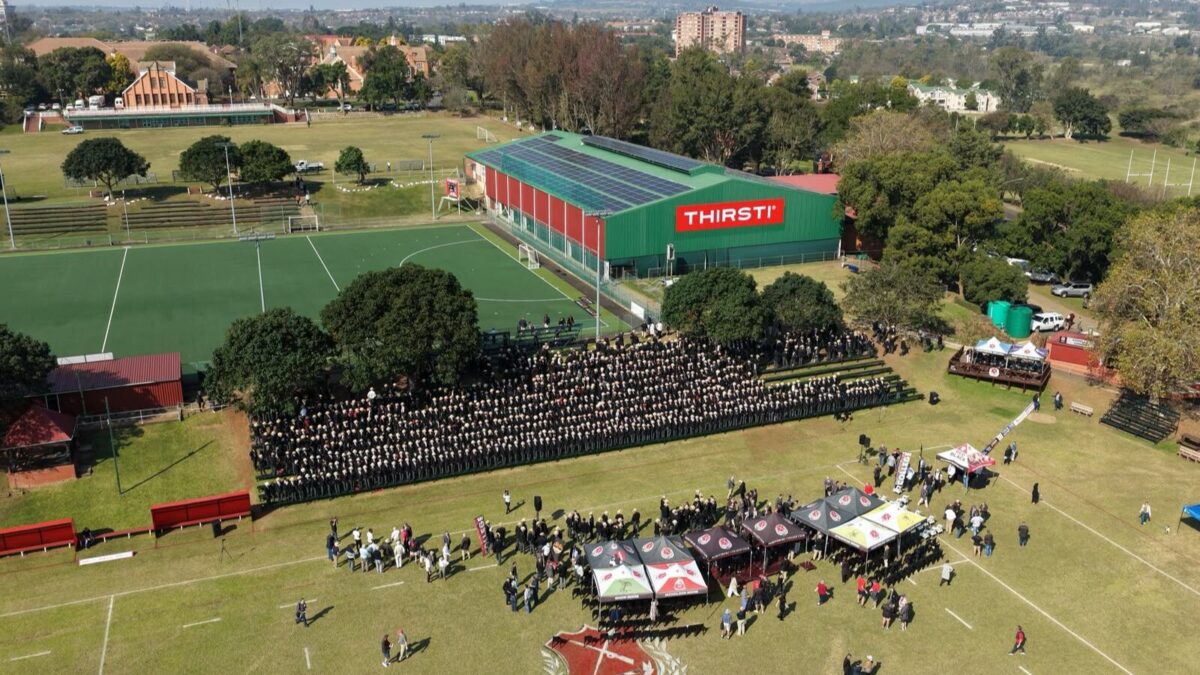
Over the past 160 years, the school has expanded to include five boarding houses, several state-of-the-art sports and cultural facilities, and approximately 65 classrooms.
Maritzburg College today

Today, Maritzburg College hosts approximately 1,250 learners, with roughly one-third of them boarders. The institution has remained an all-boys school and serves learners in grades 8 to 12.
The school boasts impressive academic results, with a 99.6% matric pass rate in 2025 and 330 total distinctions earned by its matric class.
The school also has a strong sporting presence across several disciplines, including rugby, hockey, and basketball.
Maritzburg College is currently ranked 13th in the country for its first XV rugby and is ranked as the best-performing school in basketball by SA School Sports.
In men’s hockey and water polo, the school is ranked 17th and placed 33rd overall in the country for its first team cricket.
Several Maritzburg College old boys have represented South Africa in national sports, including canoeing, hockey, and rugby.
The school boasts several notable alumni across sports and culture, including Jesse Kriel and Nthuthuko Mchunu, two current Springboks.
Historically, the school also produced notable sportsmen such as Joel Stransky, a former Springbok, and Jonty Rhodes, a former Protea cricketer.
Olympic gold-medalist Darien Townsend and bronze medalist Donovan Cech also attended the school.
Further back in time, Maritzburg College was the high school of acclaimed South African author Alan Paton.
Paton is best known for his novel Cry, the Beloved Country, written in 1948 and set in the build-up to South Africa’s apartheid system.
Paton later became a teacher at Maritzburg College, and the school’s main hall is named after him.
Many of the school’s current facilities are named in honour of past pupils and staff, including its boarding houses, common areas, and sporting grounds.
The school’s premier sporting ground, Goldstones, is named after one of its former rugby coaches and features state-of-the-art medical facilities.
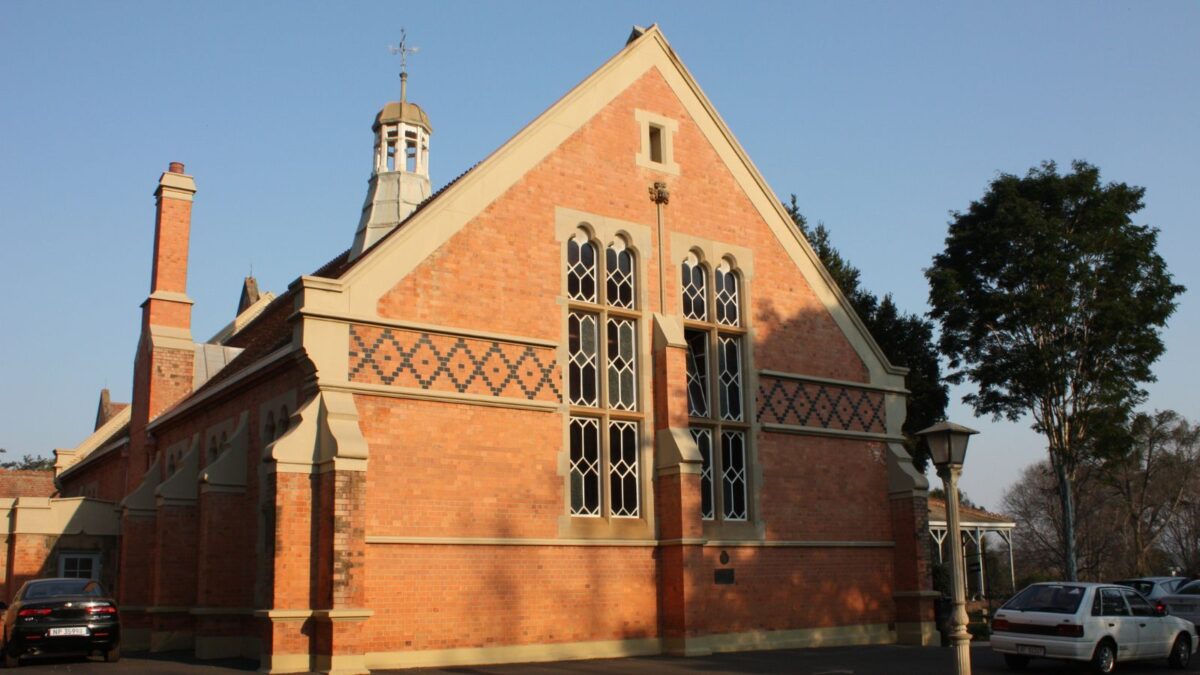
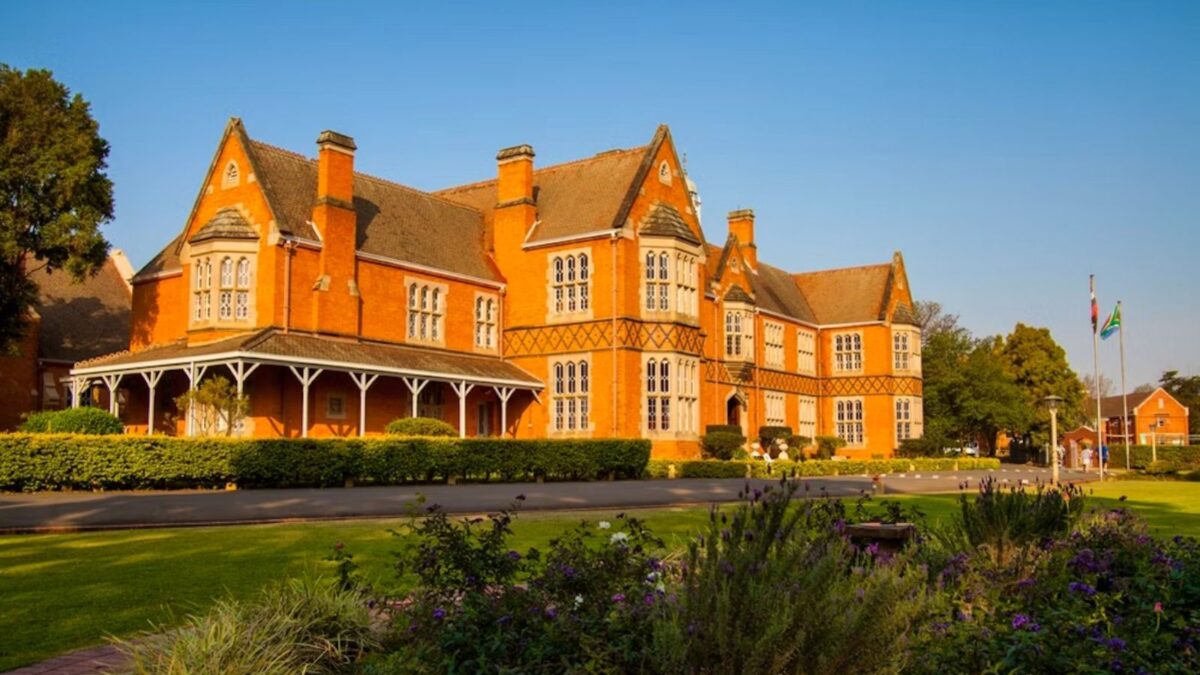
Photos of Maritzburg College
















 Loading ...
What a wonderful history