
All councillors in Free State municipality removed from their positions


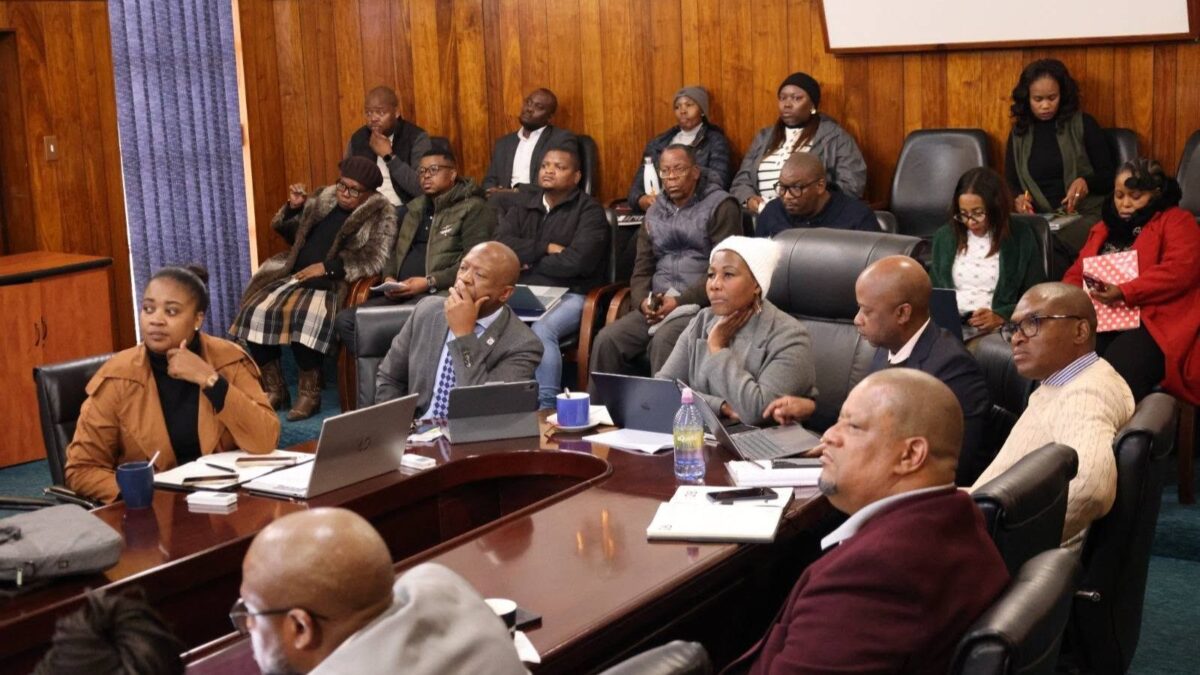
The Free State provincial government has removed all Ngwathe municipal councillors from their positions following a service-delivery crisis in the area.
Ngwathe is in the northern Free State and includes the towns of Parys, Heilbron, and Koppies. The area is known for its contributions to the agricultural sector and has a population of 134,000.
The municipality has struggled for years with declining infrastructure and poor service delivery. In 2025, a court order was issued against the municipality, dissolving its council and placing it under administration.
A municipality is placed under administration when it cannot meet the needs of its residents, and a capable expert steps in to govern the area and address any issues.
This method is used as an extreme measure to combat poor service delivery or serious municipal mismanagement.
The Ngwathe municipality approached the Constitutional Court to appeal the court order, but the decision to place the area under administration remained unchanged.
The decision was upheld because the courts believed the municipality was failing to fulfil its constitutional and administrative obligations to the area’s residents.
Residents said water was often unsafe to drink, and there were repeated sewage spills around the municipality.
The issues arose due to deteriorating infrastructure and the local government’s lack of planned maintenance.
Advocacy group AfriForum was the driving force behind the court proceedings against the Ngwathe municipality, and said the decision was a win for the area’s residents.
AfriForum regional coordinator, Alta Pretorius, said the decision was “the final nail in the coffin of a municipality where service delivery has long since ceased.”
“The Ngwathe Municipality must now finally give up the fight and make way for the recovery of Parys and other towns in this municipality,” she said.
What this means for residents
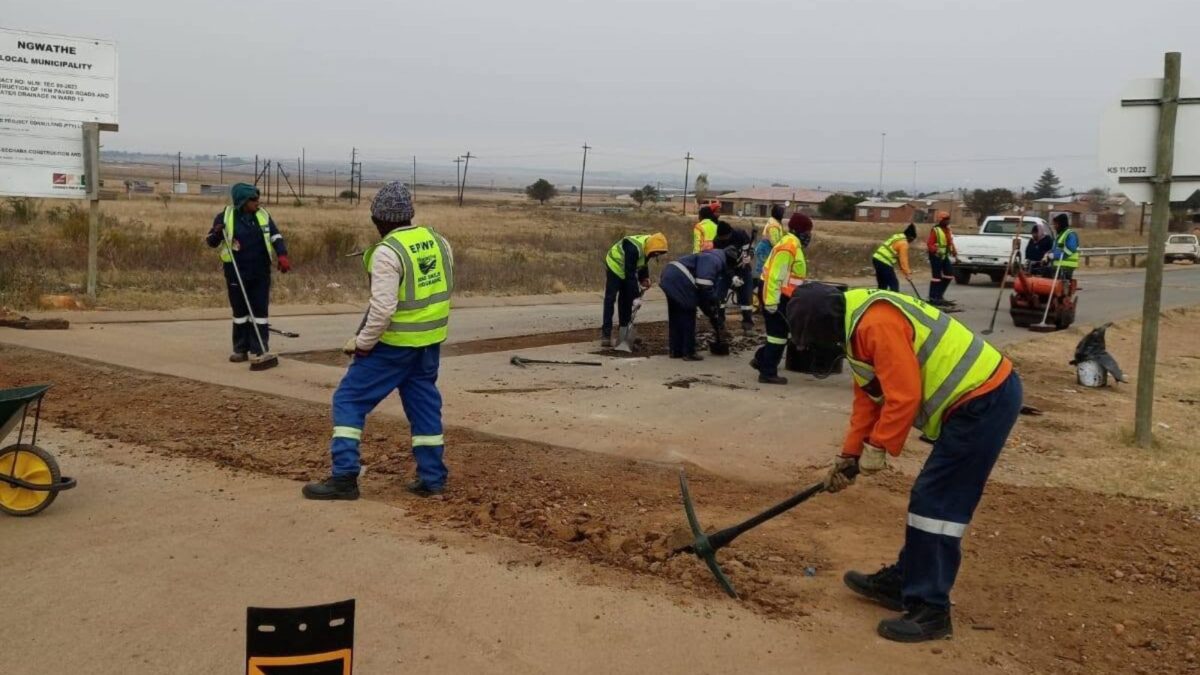
The decision to remove the councillors in Ngwathe applies to every political party, not only the one holding a majority.
The decision also applies to the area’s mayor, mayoral committee members, and every other elected official.
The Democratic Alliance (DA) said the dissolution of the municipal council was a chance to restore accountability in the area.
“This intervention presents an opportunity to restore accountability after years of governance failures that led to the collapse of basic municipal services,” it said.
While elected officials have been removed, this does not mean that public services will cease in the area.
The DA said all people who work for the municipality and were not elected to a position will remain.
This includes administrative staff, technical teams, and service-delivery employees, such as maintenance and repair teams.
These employees now work directly under the administrator appointed to govern the area, rather than the municipal council.
“The administration remains responsible for ensuring that residents receive the municipal services to which they are constitutionally entitled,” the DA said.
This method has been used in other South African municipalities, such as the Msunduzi area in 2010.
This decision was made due to severe financial mismanagement and corruption in the municipality, and was lifted after roughly two years.
After this, Msunduzi was again placed under administration in 2019 due to irregular expenditure, which led to service delivery failures.
This administrative period lasted longer than before and was lifted only in 2024, after evidence of improved service delivery.
The provincial government decided to return control to the municipal council after improvements were made to water and electricity provision and waste removal.
The situation in Msunduzi shows that dissolving municipal councils does not end service delivery but rather serves as a tool for improving struggling areas.




 Loading ...
The challenge with our government is that they want a job but no work. They don’t realise that the two go together.
They think job = money.