
South African universities using fundraisers to recover historic debts


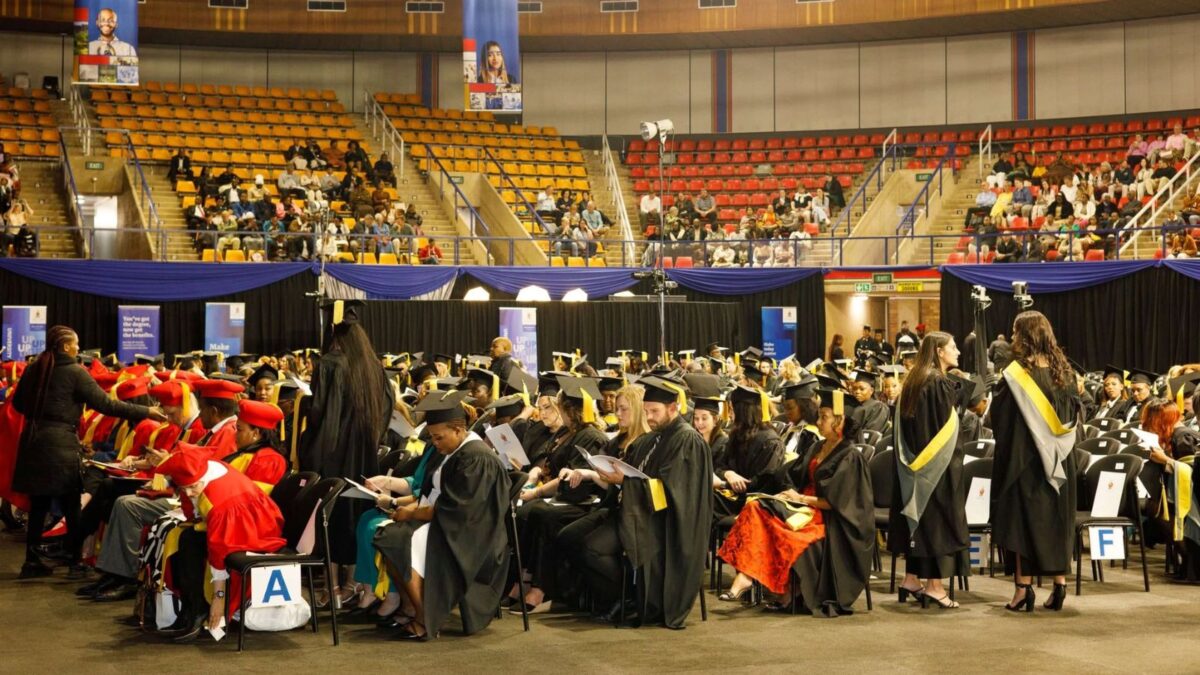
Universities are using fundraisers to recover historic debts and help South Africans afford degrees, as government aid programs continue to falter.
The University of Pretoria (UP) has launched the Degrees Delivered campaign, a fundraising initiative to help pay students’ historic debts.
These debts are owed by university students who have completed their degrees but cannot afford their remaining tuition fees.
If a student cannot pay off their remaining tuition fees, universities will not award them their degrees.
This means that many students who have completed their studies are left with nothing to show for their years of work.
UP said the Degrees Delivered campaign is meant to assist students whose only barrier to receiving their diploma is outstanding debts.
The initiative aims to raise R50 million to service historic debts over the next three years.
The Economic Freedom Fighters (EFF) commended the university on this effort and said it rewards students for their years of hard work.
“Deserving graduates are finally able to access the qualifications they have earned through years of hard work,” it said.
Student debt is a challenge for many South Africans, who are often stuck, unable to afford their tuition fees and unable to find a job because they lack a degree.
“Historical student debt is one of the greatest barriers to economic participation confronting South Africa’s youth,” the EFF said.
“No graduate should be denied the opportunity to seek employment, register professionally or pursue further studies simply because they are poor.”
The EFF said students not receiving their degrees is also a loss to the economy, which loses out on skilled workers.
While the party commended UP on its fundraising, it said this could not be a long-term solution for universities.
It said the government should be working to address the lack of access to further education, and the growing historic student debts.
Concerns about NSFAS
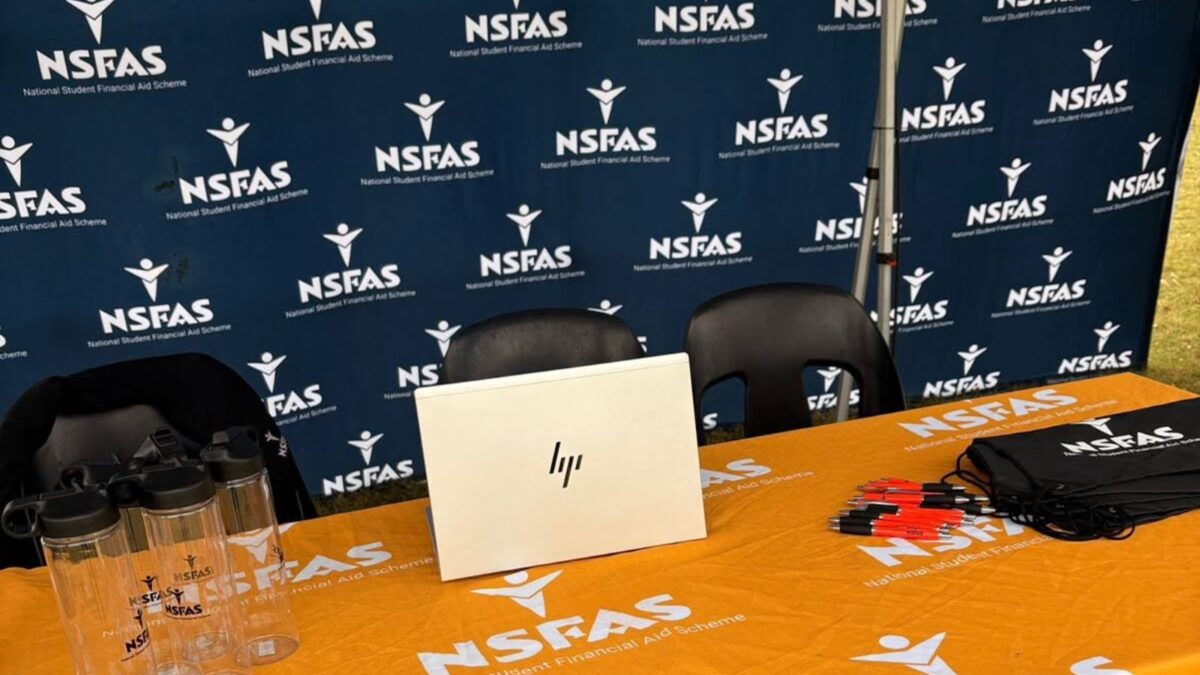
South Africa’s answer to affordable university education, the National Student Financial Aid Scheme (NSFAS), faces several challenges.
The scheme is meant to support students who cannot afford tuition fees and related study costs.
These costs include housing, textbooks, and groceries, which NSFAS helps new and returning students afford.
The scheme has faced severe funding shortages, due to financial mismanagement, rising expenses and increased student demand.
This means the fund often cannot pay tuition fees or housing costs on time, leaving students uncertain about their futures.
NSFAS is currently under administration as the Department of Higher Education searches for a way to ensure the fund can meet the needs of South Africa’s youth.
Currently, the fund operates on a budget of roughly R54 billion but has incurred a deficit of over R10 billion.
The scheme has also faced growing backlash from students, who say the amounts they are paid are not enough to cover basic living costs.
Students living in non-catered accommodations receive approximately R1,600 per month for food and essentials.
Some students are eligible for transport allowances, while those staying in catered residences receive roughly R300 per month for personal items.
The living allowances provided by NSFAS remained unchanged between 2025 and 2026, sparking outrage among many students who rely on the scheme.
Pietermaritzburg Economic Justice and Dignity (PMBEJD) publishes information on basic grocery costs in South Africa.
While the organisation does not publish information on the cost of single-person households, it does track the average living expenses of larger households.
In April 2026, it was found that the price of an average grocery basket for a four-person household had decreased by 0.8% year-on-year.
While this information is not specific to one-person households, it can provide insight into why the NSFAS living allowances remained unchanged.
The unchanged amounts could also be due to NSFAS’s dire financial situation, which limits the fund’s ability to adequately support students.










 Loading ...
So UP is encouraging students NOT to pay, knowing that someone else will pay in the end. Typical woke, idiotic socialist thinking. Margaret Thatcher said, “socialists always run out of someone else’s money.”
I wonder who is going to manage these 50 million raised. They can hire one of the crooks from NSFAS to do it. Half of it will go into its brothers’, cousins’, uncles’ pockets.