
The tiny South African town in the Kalahari Desert with an average salary of R42,408 a month


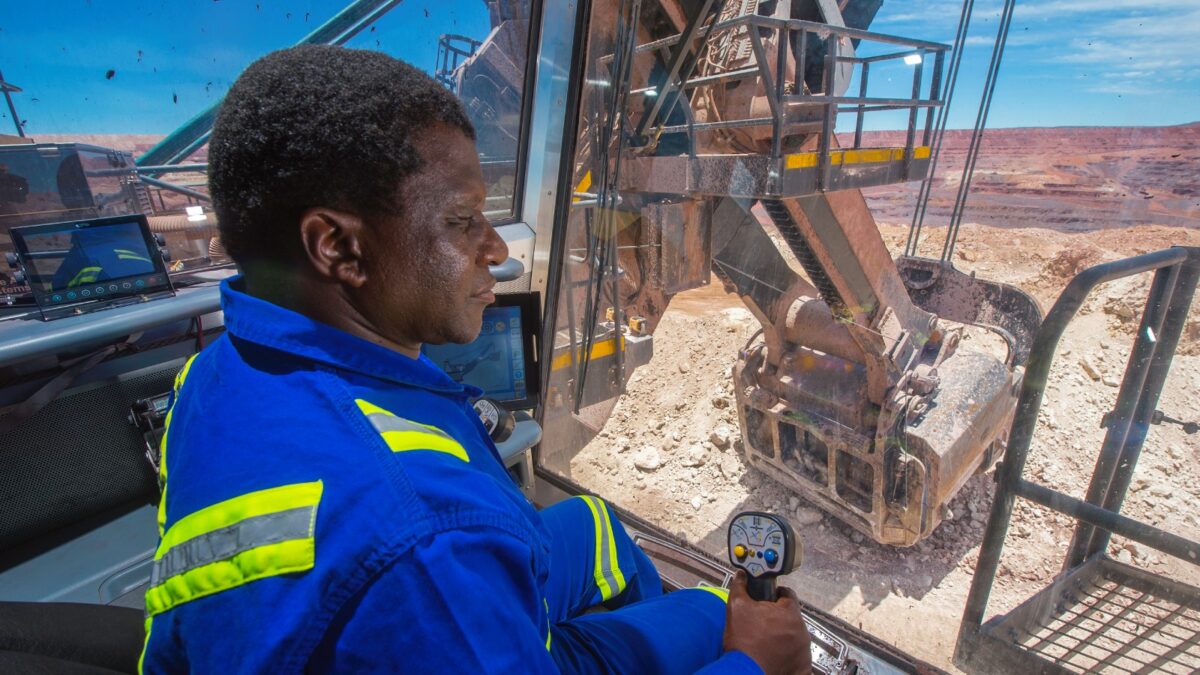
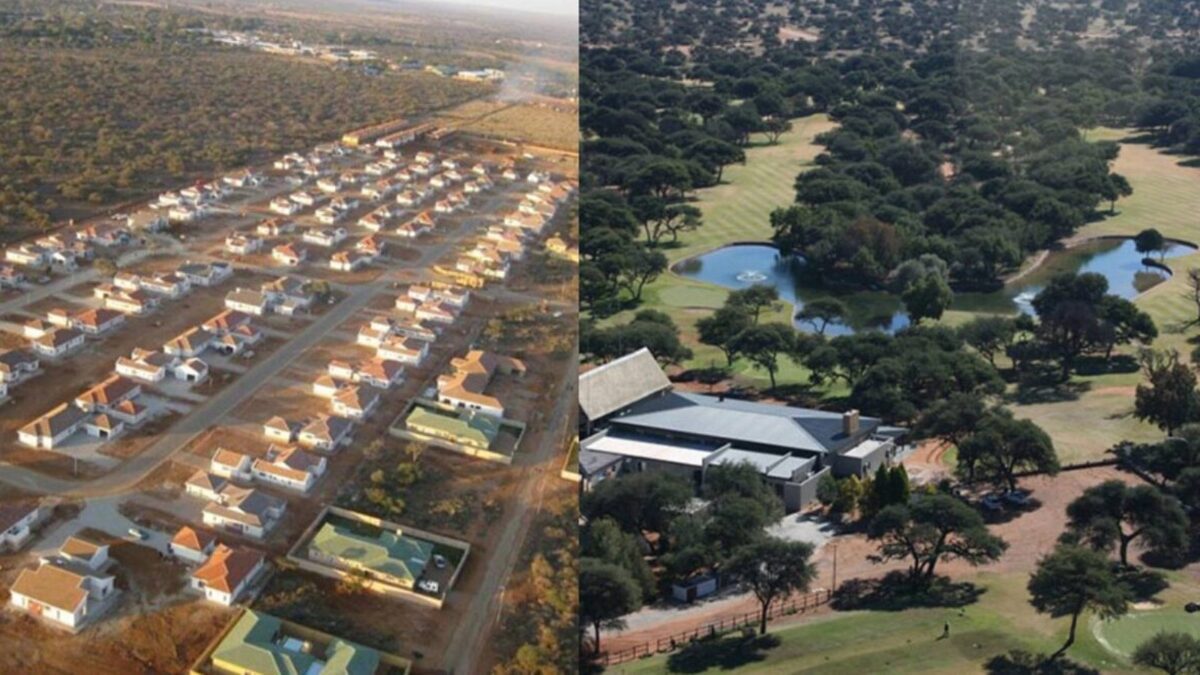
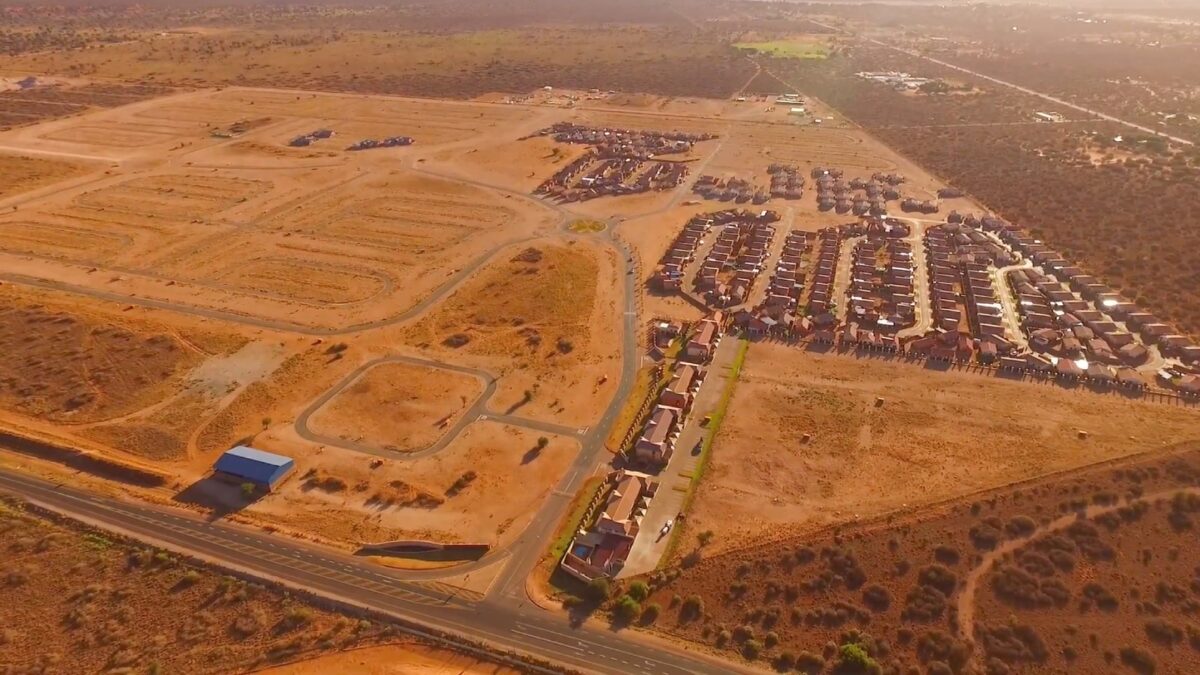
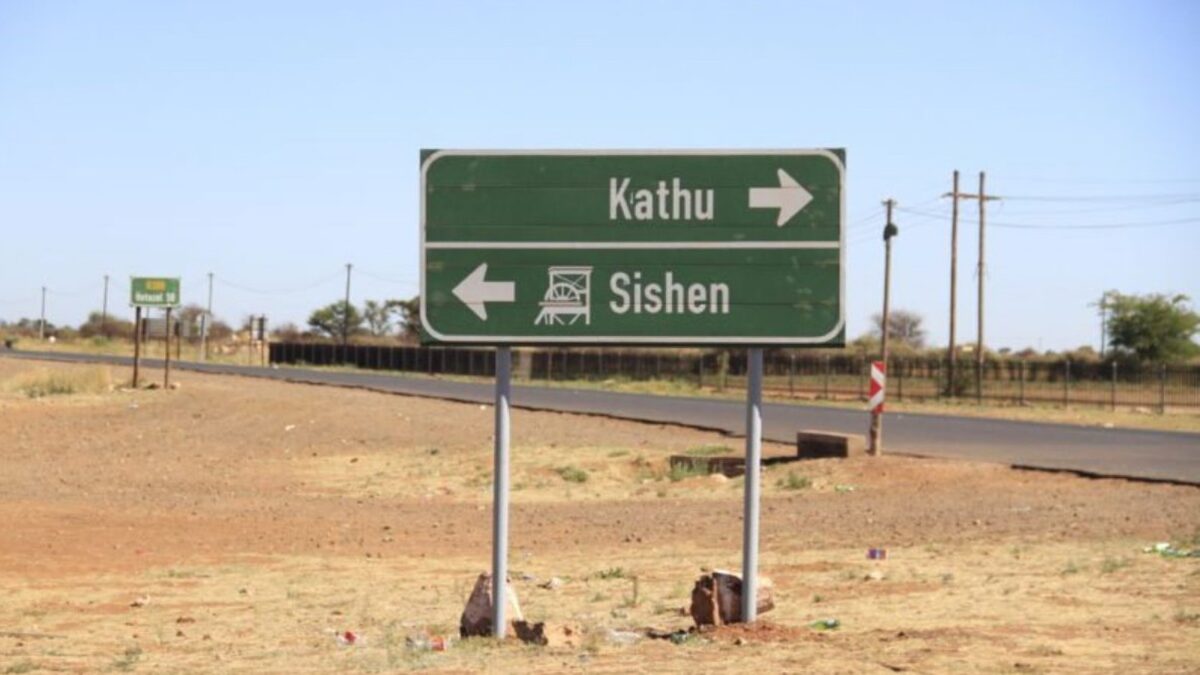
Kathu, in the Northern Cape, is a small town in the Kalahari Desert that is home to two South African marvels: the Kathu Archaeological Complex and the Sishen Iron Mine.
In the 2025 financial year, Kumba Iron Ore’s Sishen Mine, one of the five largest open-pit iron ore mines in the world, generated R44.5 billion in revenue. This translates to R122 million per day.
The name of Kathu means “town under the trees” due to being built beneath a sprawling Camel Thorn forest. It was coined by an engineer who lived in the town in the early 1990s as a marketing slogan.
Kathu is also believed to have been the name of a type of porridge produced in the town by the local population, made with a powder derived from Camel Thorn pods.
Kathu’s Camel Thorn forest is only one of two in the world, the other being in Namibia. The town itself was founded in the late 1960s or early 1970s, following early iron mining in the area.
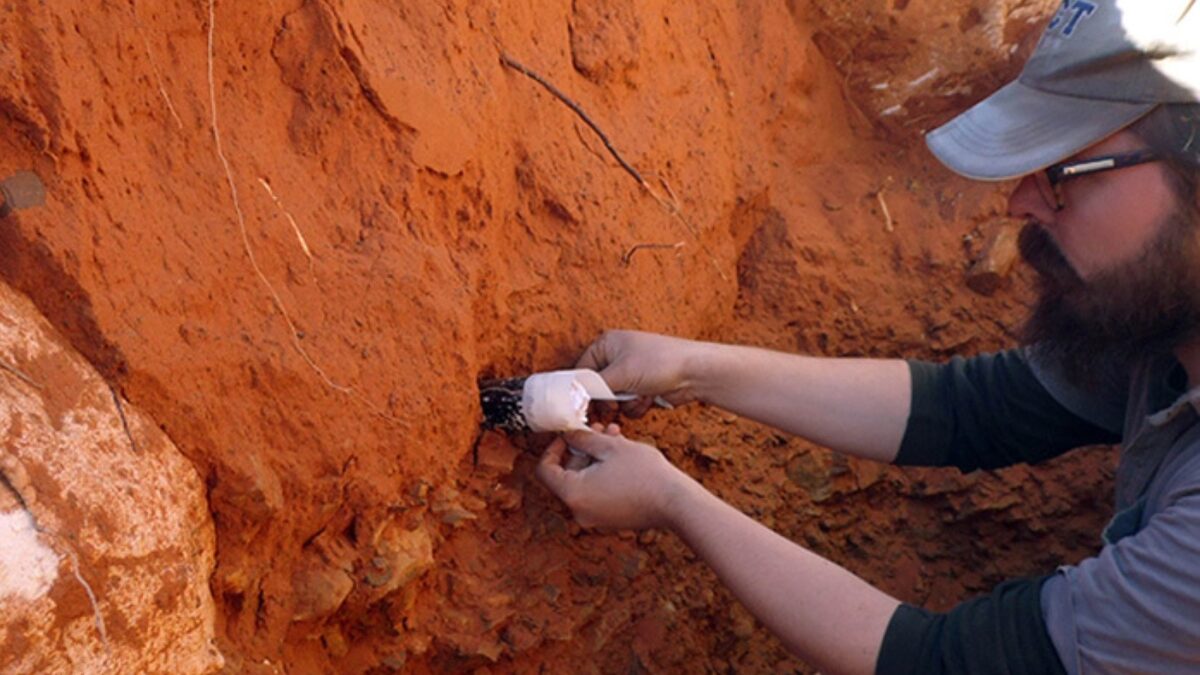
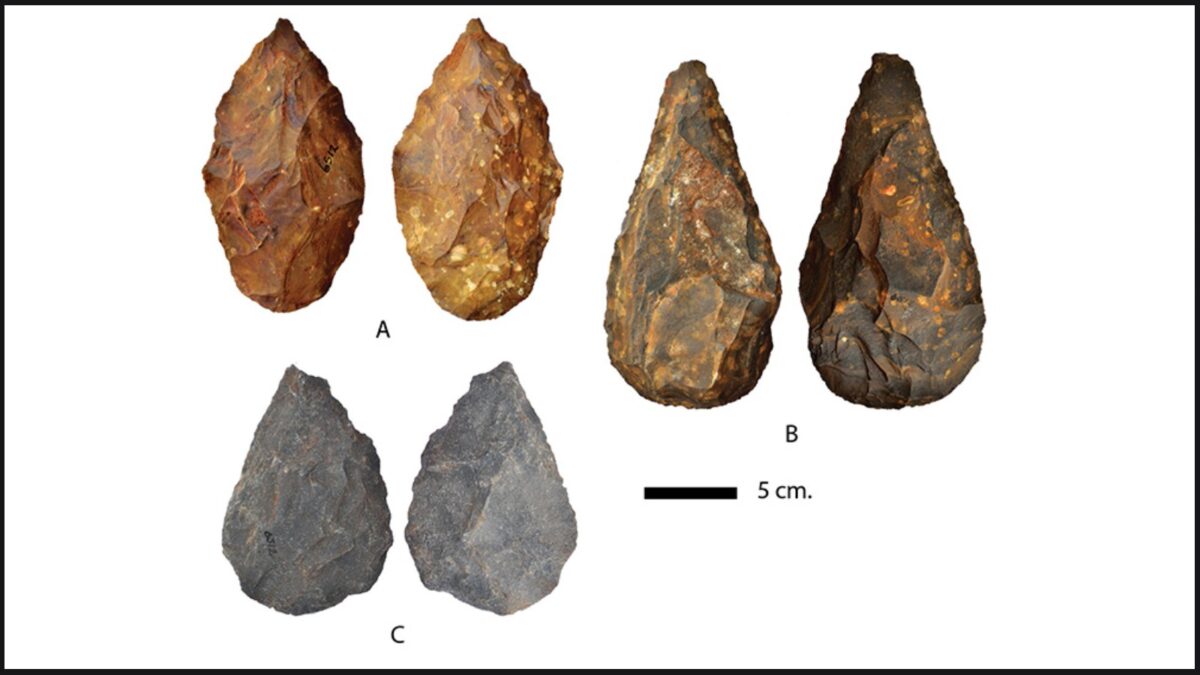
Situated near and in the mining town is the site of an important earlier Stone Age archaeological complex, which has produced tens of thousands of artefacts believed to have been made by human ancestors.
Notable findings at the site include hand axes and other tools crafted by hominids as early as Homo heidelbergensis, regarded as a potential final common ancestor of modern humans.
These discoveries were made by researchers from the University of Cape Town and the University of Toronto, in collaboration with the McGregor Museum in Kimberley.
According to the University of Cape Town, one of the prime sites is the Kathu Townlands site, which is one of the richest early prehistoric archaeological sites in South Africa.
Of the earliest known examples of tools made by human ancestors were discovered at the Townlands site, including the first known spears, dated to 500,000 years ago.
Archaeologists estimated that the site is between 700,000 and 1 million years old. From the surrounding complex, researchers have unearthed fossils from animals such as elephants and hippos.
A mine that produced 25.3 million tonnes of processed iron ore in 2025
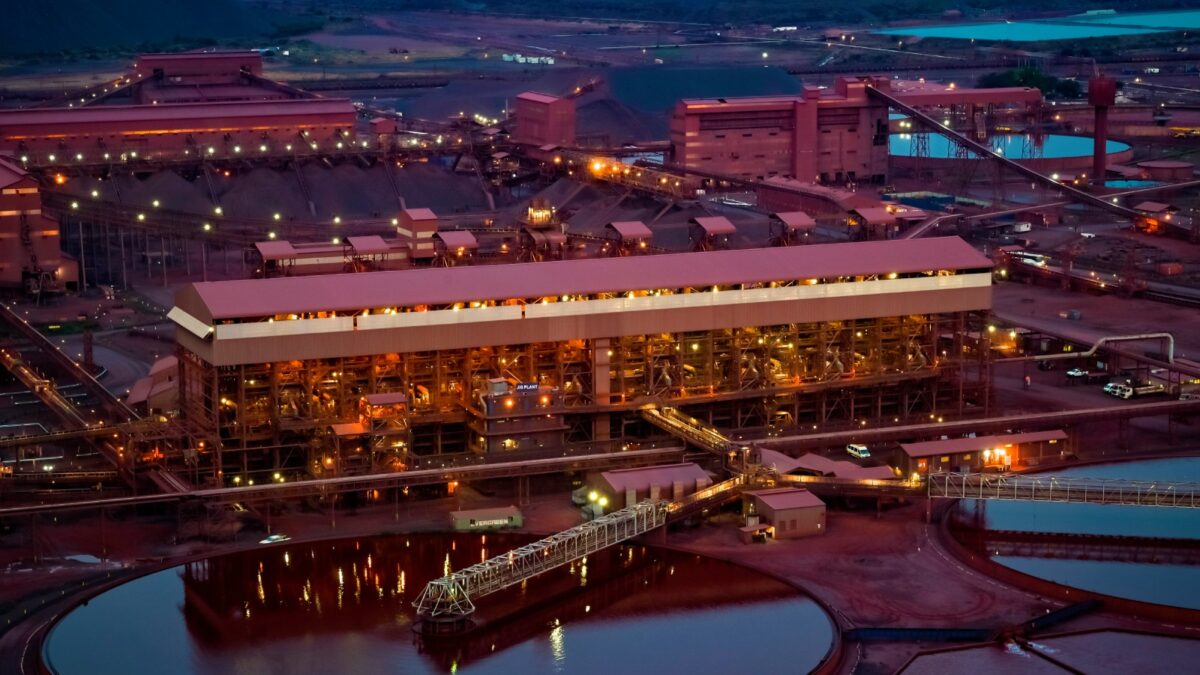
Kathu’s establishment and its continued existence can be traced back to iron ore mining. The town’s Sishen mine is a key global supplier of high-grade iron ore, essential in the production of low-emission steel, and its lifeblood.
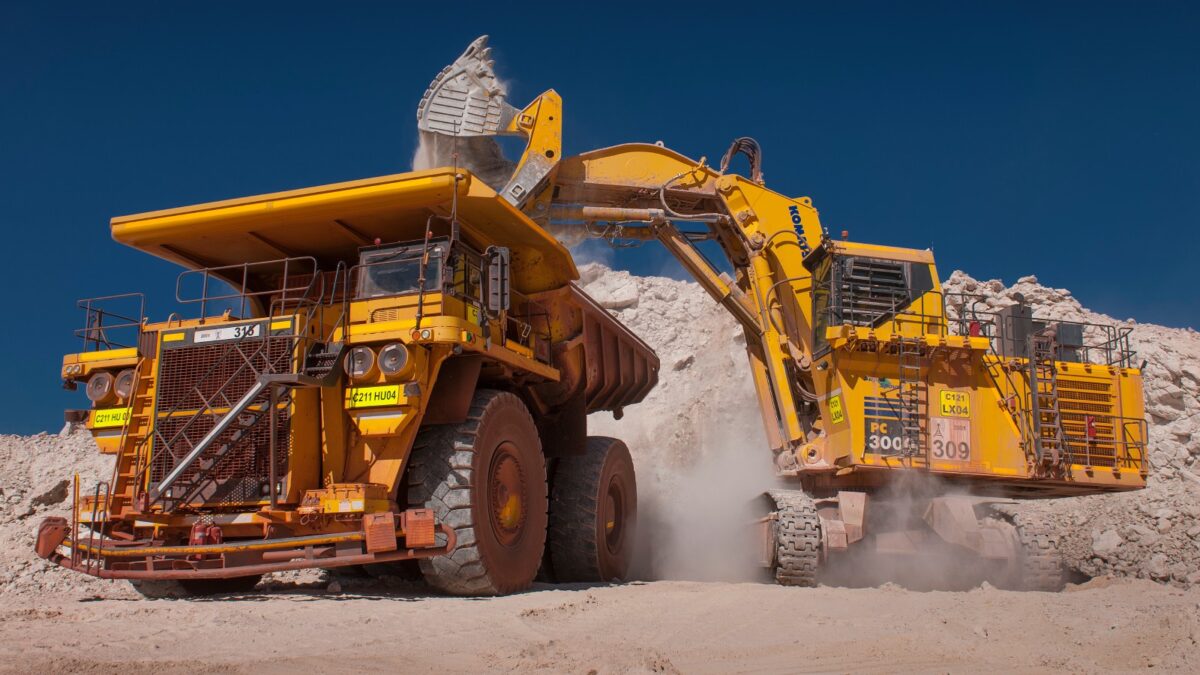
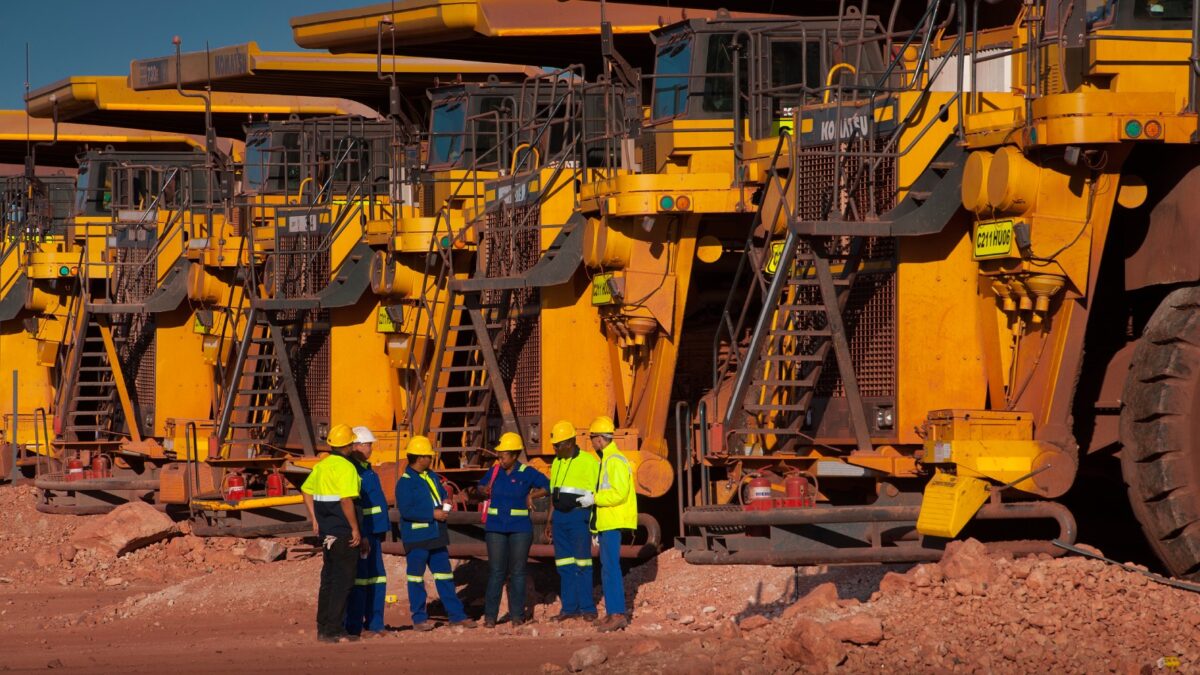
It is a mining operation of enormous scale, which requires a substantial workforce of engineers, technicians and experienced managers that live in the nearby town.
Kathu’s economy and population have grown substantially, primarily due to activity at the mine, which is operated by Anglo American’s Kumba Iron Ore.
Residents of the town who work in the mine have, on average, accrued large salaries, significantly higher than in economic hubs such as Johannesburg and Cape Town.
According to the South African Revenue Service (SARS), the average taxable income among residents of its governing Gamagara Local Municipality was R508,901 per year, or R42,408 a month.
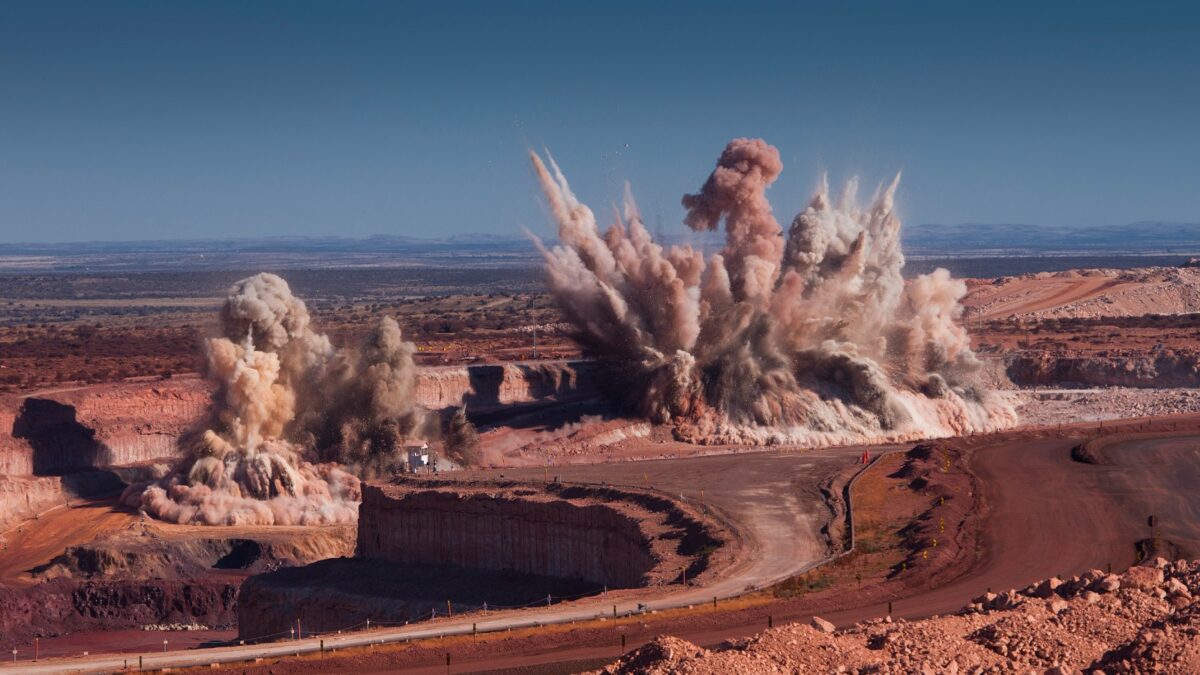
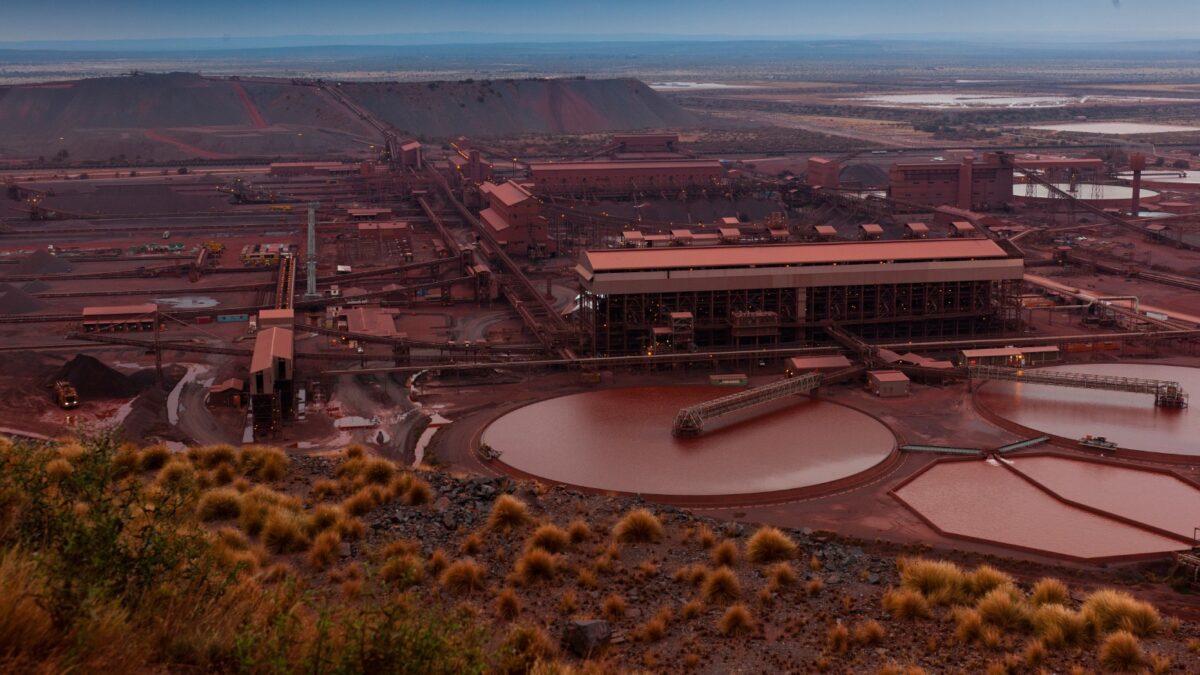
Sishen is a vast open-pit iron ore mine which was first opened in 1953 and continues to produce vast amounts of iron every year, representing one of the largest iron ore reserves in South Africa.
According to Kumba Iron Ore’s annual financial statements for 2025, Sishen produced 25.3 million tonnes of processed iron ore in the year, a 1% decrease compared to the year prior.
168.4 million tonnes of material were excavated from the pit in 2025. Of this, 137.2 million tonnes were waste stripping, leaving 31.2 million tonnes of run-of-mine ore extracted.
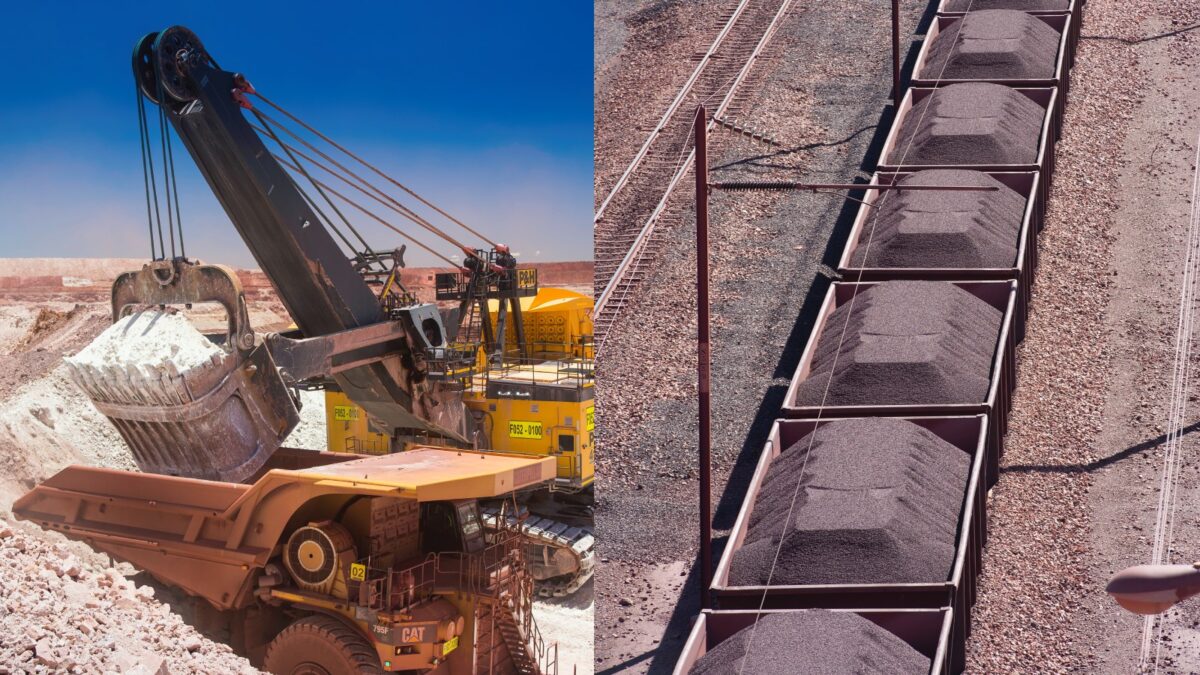
The mine is connected to Transnet’s Ore Corridor, one of the largest heavy haul operations in the world, with 348 wagons for iron ore and 375 wagons for manganese.
OreCor operated a network of strategic depots along the corridor, including in Saldanha, Vredendal, Loeriesfontein, Halfweg, Kenhardt, Groblershoop, and Upington.
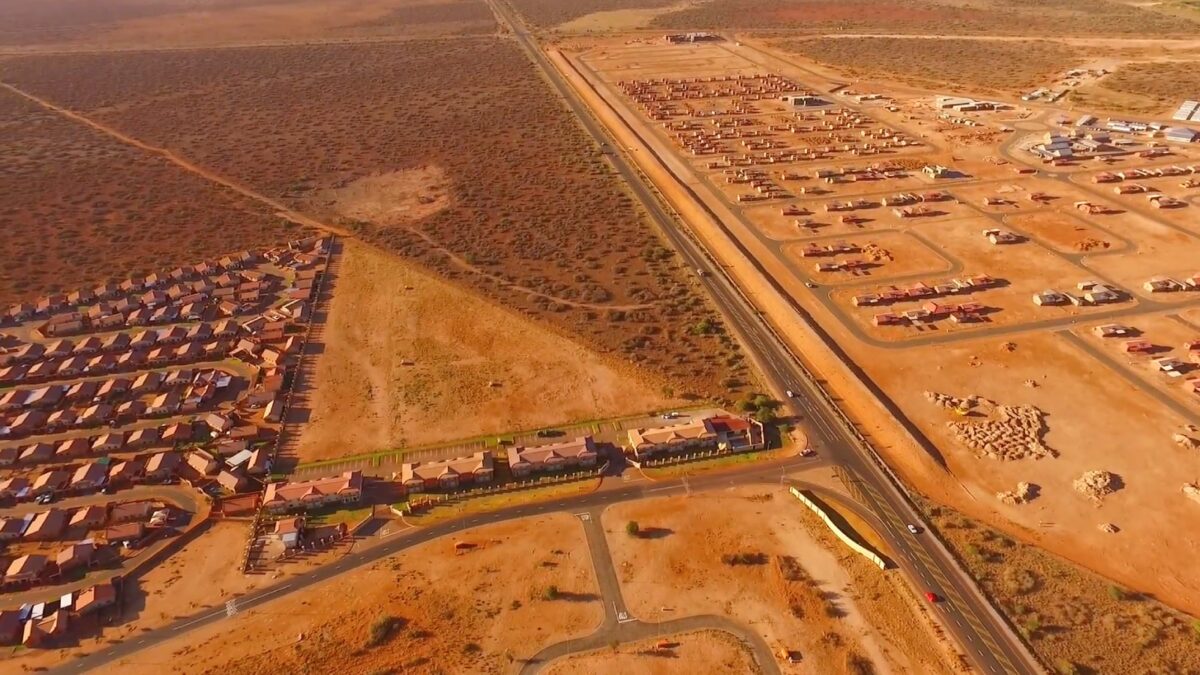
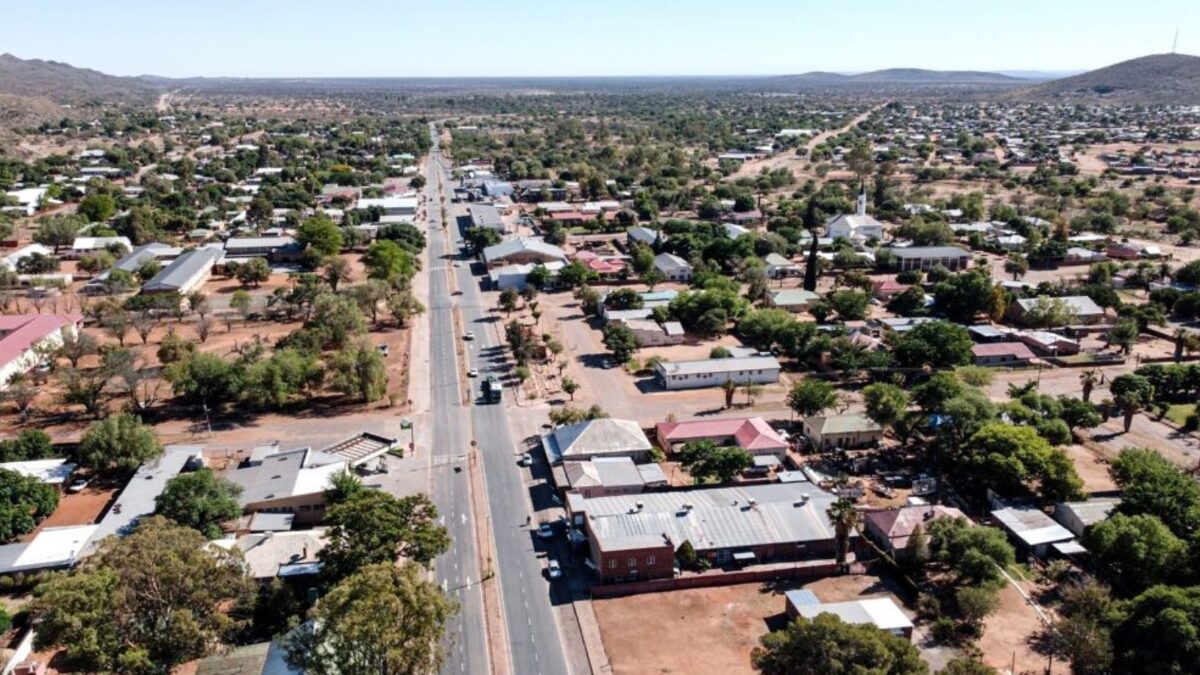
Images of Kathu, Northern Cape
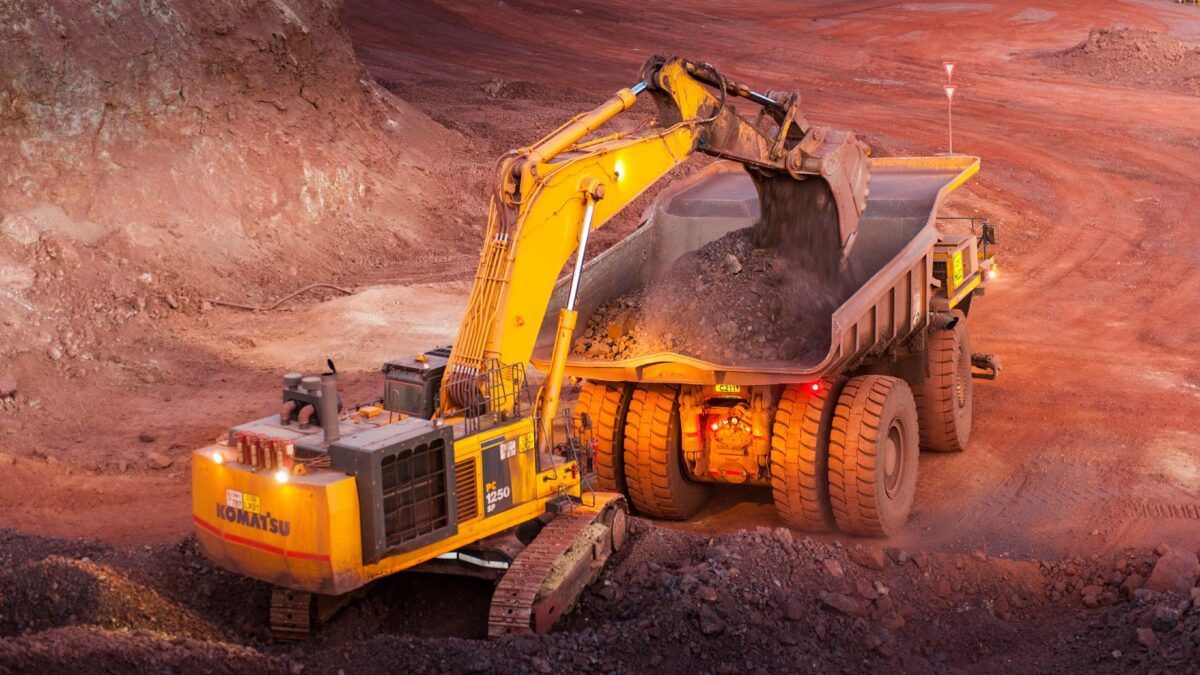
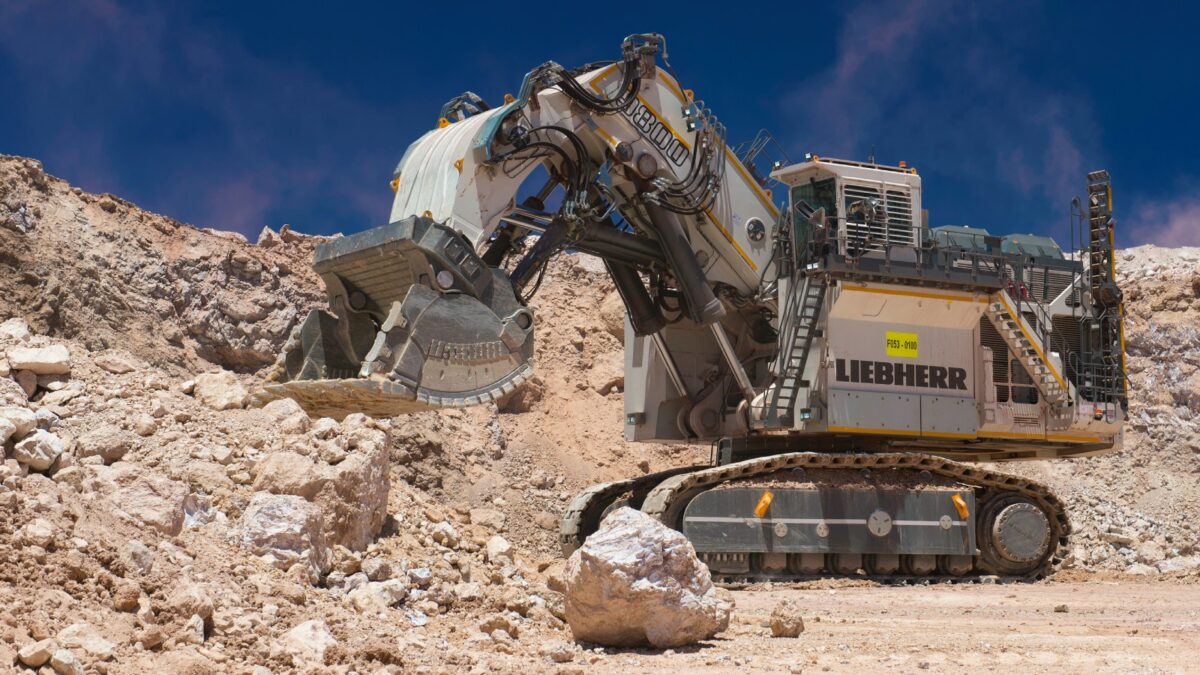
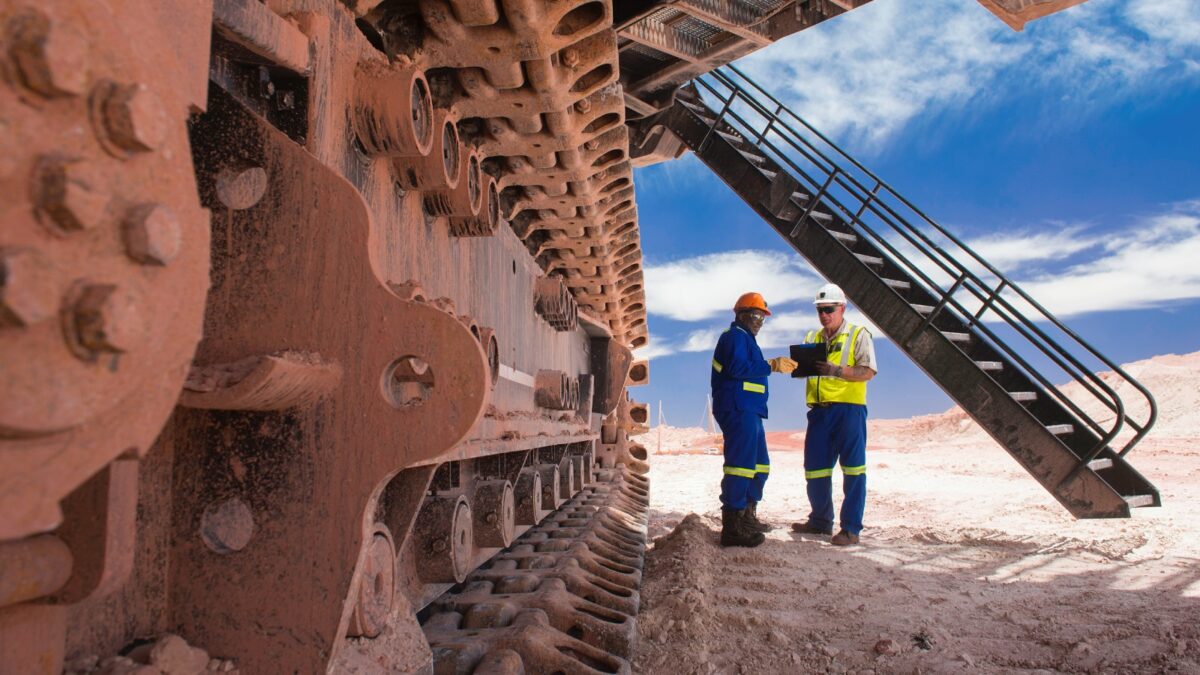
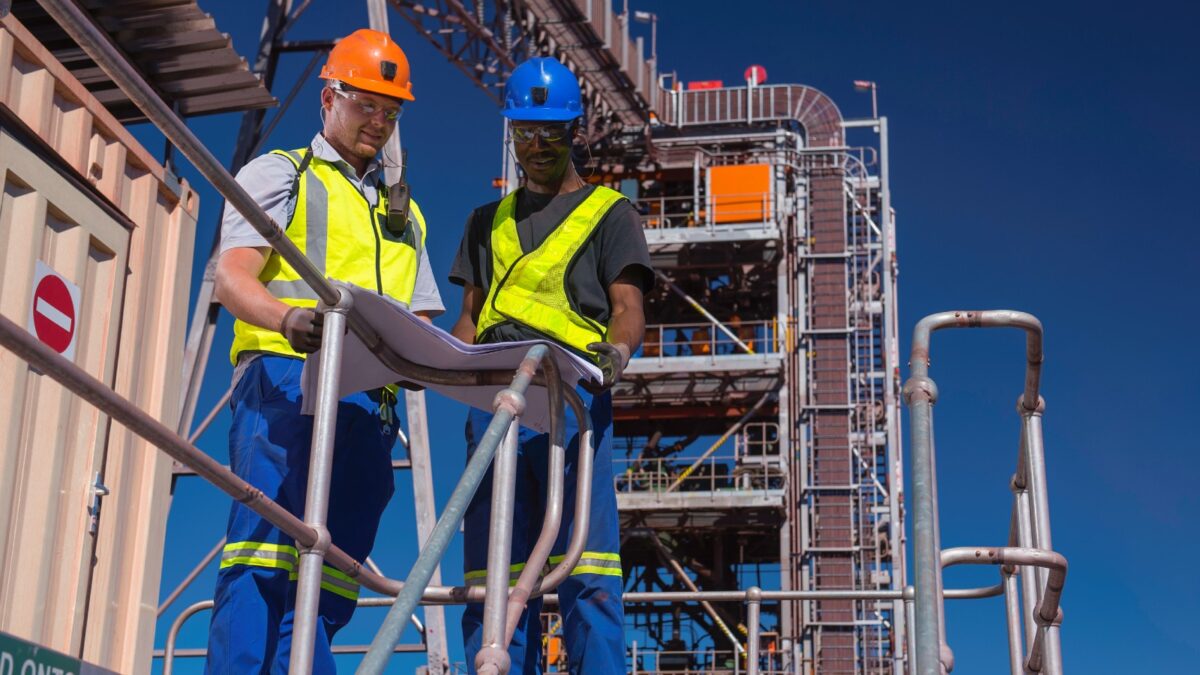
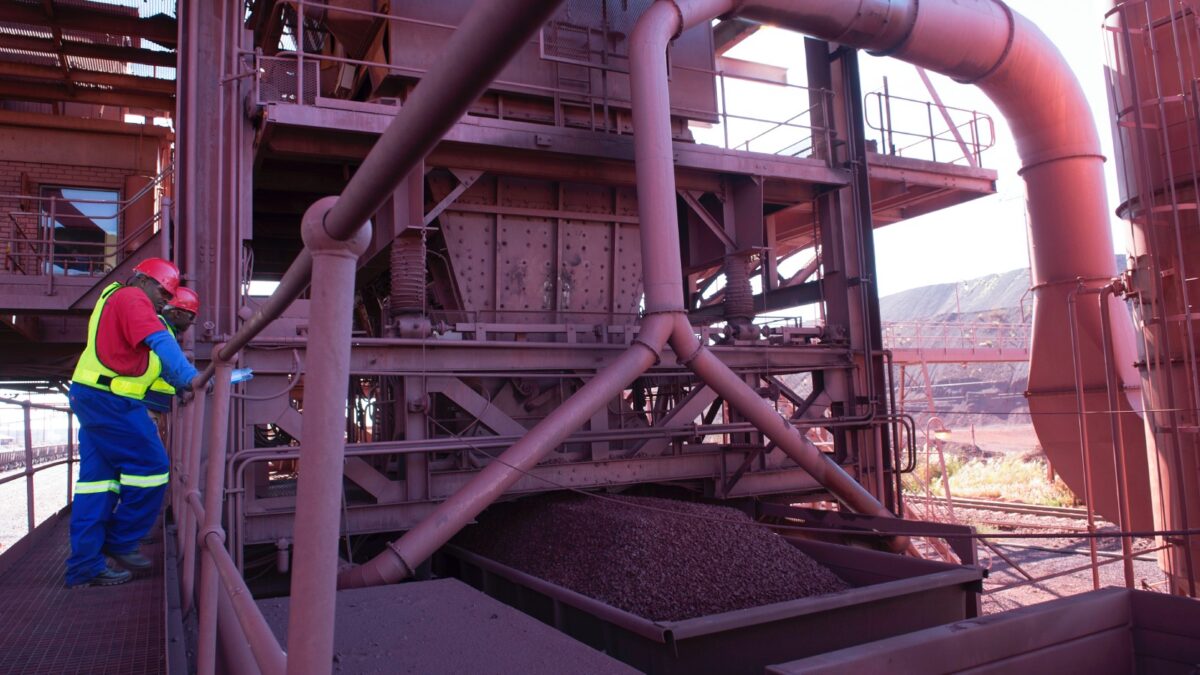
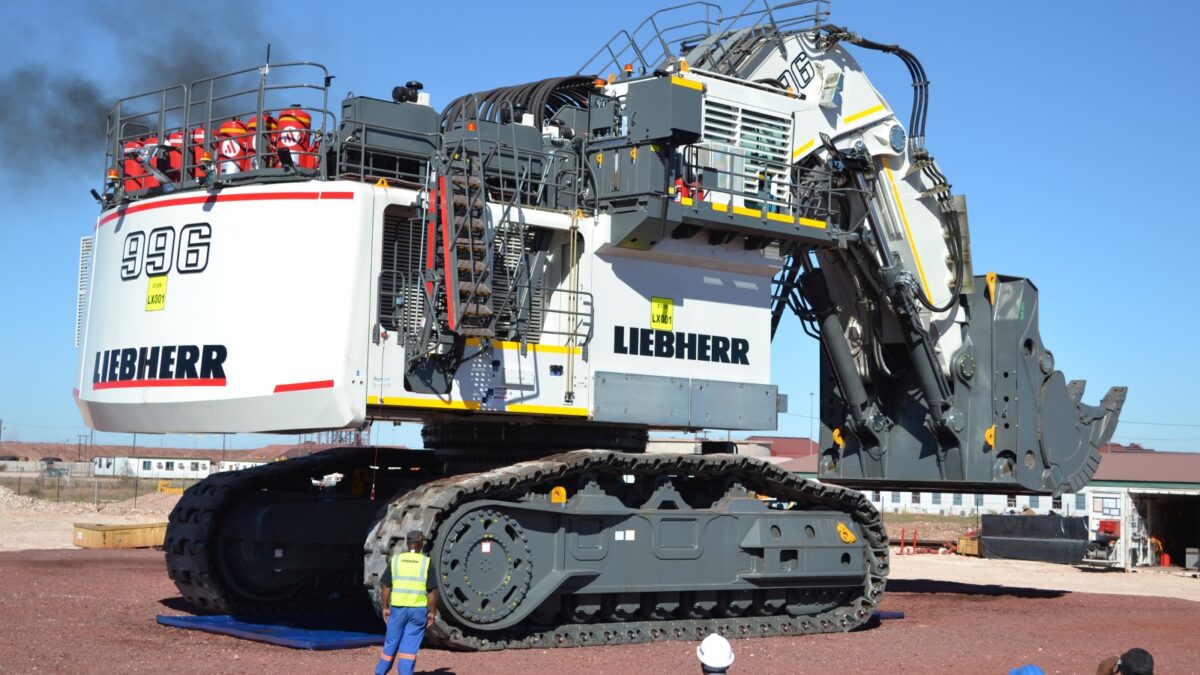
Images of Sishen Mine, one of the largest open-pit mines in the world








 Loading ...