
The tiny South African town in the middle of nowhere that helps Elon Musk’s Tesla electric vehicles


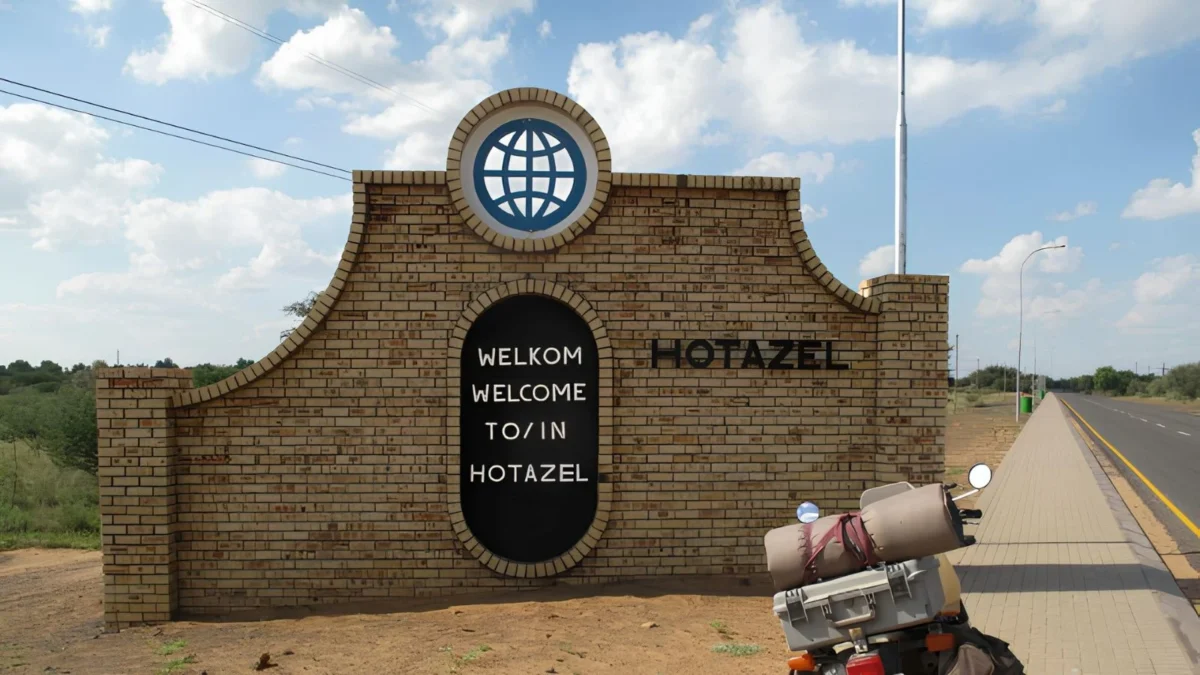
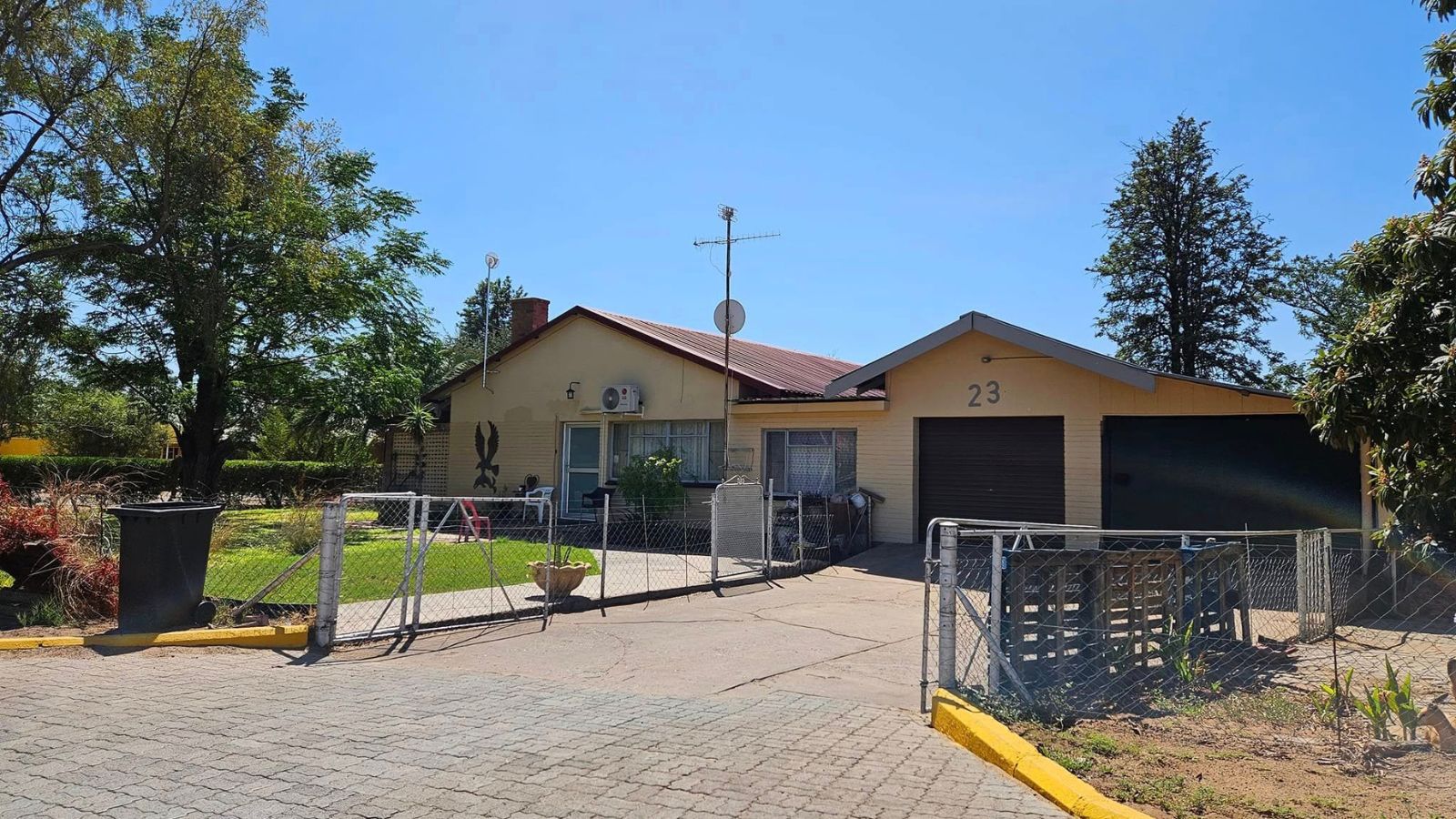
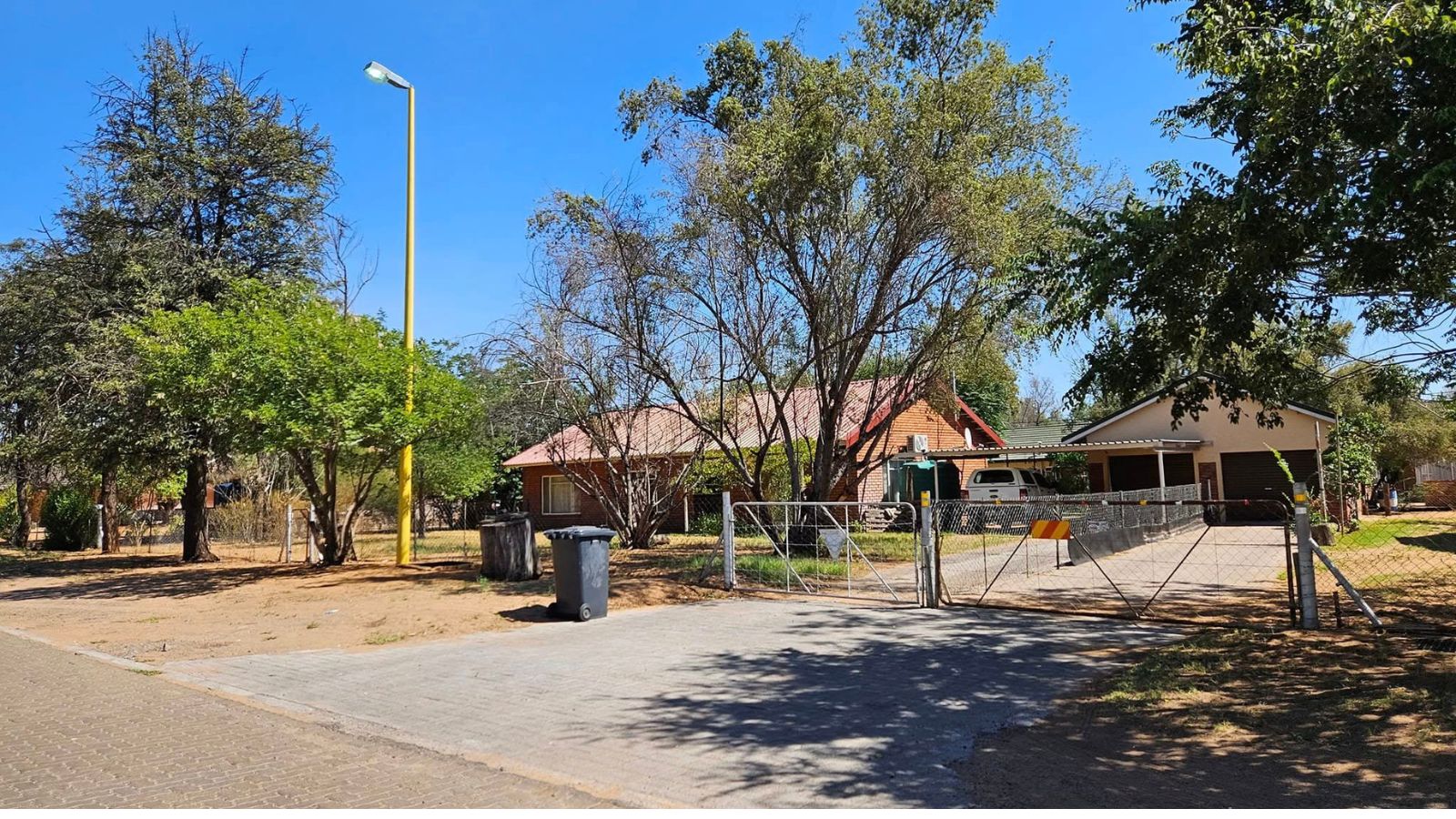
Located around 60 kilometres north of Kathu and just as far from Kuruman, Hotazel is a tiny Northern Cape town that plays a crucial role in the manufacturing of Tesla’s electric vehicles (EVs).
That is because the 4,000-resident town sits atop the Kalahari Manganese Field, one of the world’s largest manganese reserves.
The modern history of the town began in 1915, when a team of land surveyors was mapping out farms on a scorching Kalahari day, and declared the area “hot as hell”.
When it came time to register the farm, the team decided to submit the phonetic pun Hotazel. When the government approved it, the farm officially took the name.
Not much else happened in the area until the early 1950s, when geologists conducted tests looking for underground water deposits to support local livestock.
Instead of finding water, they discovered the incredibly rich, high-grade manganese ore of the Hotazel Formation.
Following the discovery, the Hotazel Mine was opened, and a town sprang up on the farm with the same name, as miners, engineers, and their families arrived.
Both open-pit operations and underground mines were established, and private rail links were eventually laid to connect the remote outpost to South Africa’s major ports.
The original Hotazel Mine closed its doors in 1989. However, the town survived, pivoting to service the surrounding mega-mines that continue to supply the world with manganese.
According to the US Geological Survey and the mining industry, the Kalahari Manganese Field contains between 70% and 80% of the world’s known land-based manganese reserves.
South Africa exports much of this raw manganese to China, where it is processed to produce steel and other industrial products, including the batteries used in Tesla’s electric vehicles.
Feeding Tesla’s Gigafactory
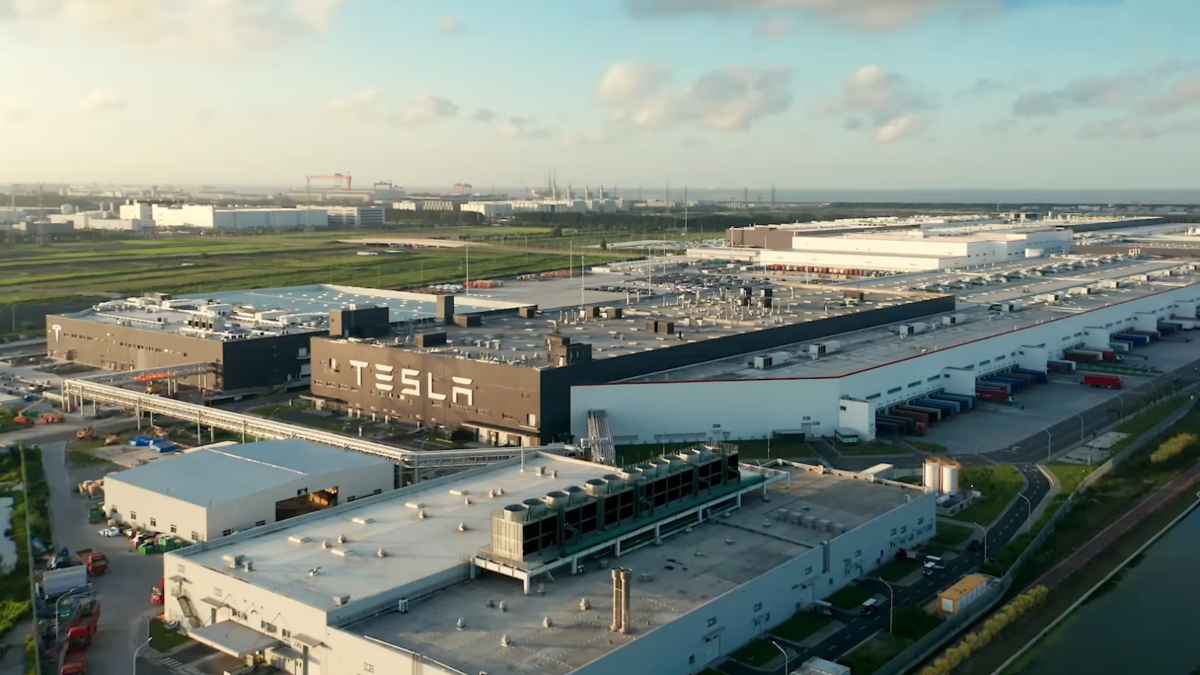
Despite being a largely unknown town, Hotazel’s mineral wealth plays a critical role in the production of steel and batteries used in Tesla’s electric vehicles.
The EV manufacturer, founded in 2003 and led by CEO Elon Musk, has become the world’s most valuable automaker, with a market capitalisation of R25 trillion.
Tesla builds millions of electric cars each year, requiring large quantities of raw materials, including manganese, a metal vital to both the construction of these vehicles’ frames and their battery technology.
Neither Musk nor Tesla owns or deals directly with the mines in and around Hotazel. However, they depend on manganese extracted from the Kalahari Manganese Field, supplied through a network of suppliers and battery manufacturers.
Its supply remains significant for the American EV builder, as more than half of all Tesla vehicles sold globally are built at the Shanghai Gigafactory, many of which use processed steel originally sourced in the Northern Cape town.
Manganese has also become one of the most important ingredients in modern EV batteries, as it improves their durability, safety, and energy density while reducing the reliance on more expensive materials like nickel and cobalt.
All of Tesla’s long-range and performance models, including the Model 3, Model Y, Model S, Model X, and Cybertruck, use nickel-manganese-cobalt battery chemistry, with manganese stabilising battery cells and reducing their risk of overheating.
The company’s use of manganese has moved toward lithium-manganese-iron-phosphate battery technology for some of its standard-range vehicles.
Musk has called manganese a key material in EV production, noting that it helps keep production costs lower, and added that Tesla expects demand for the metal to continue to grow.
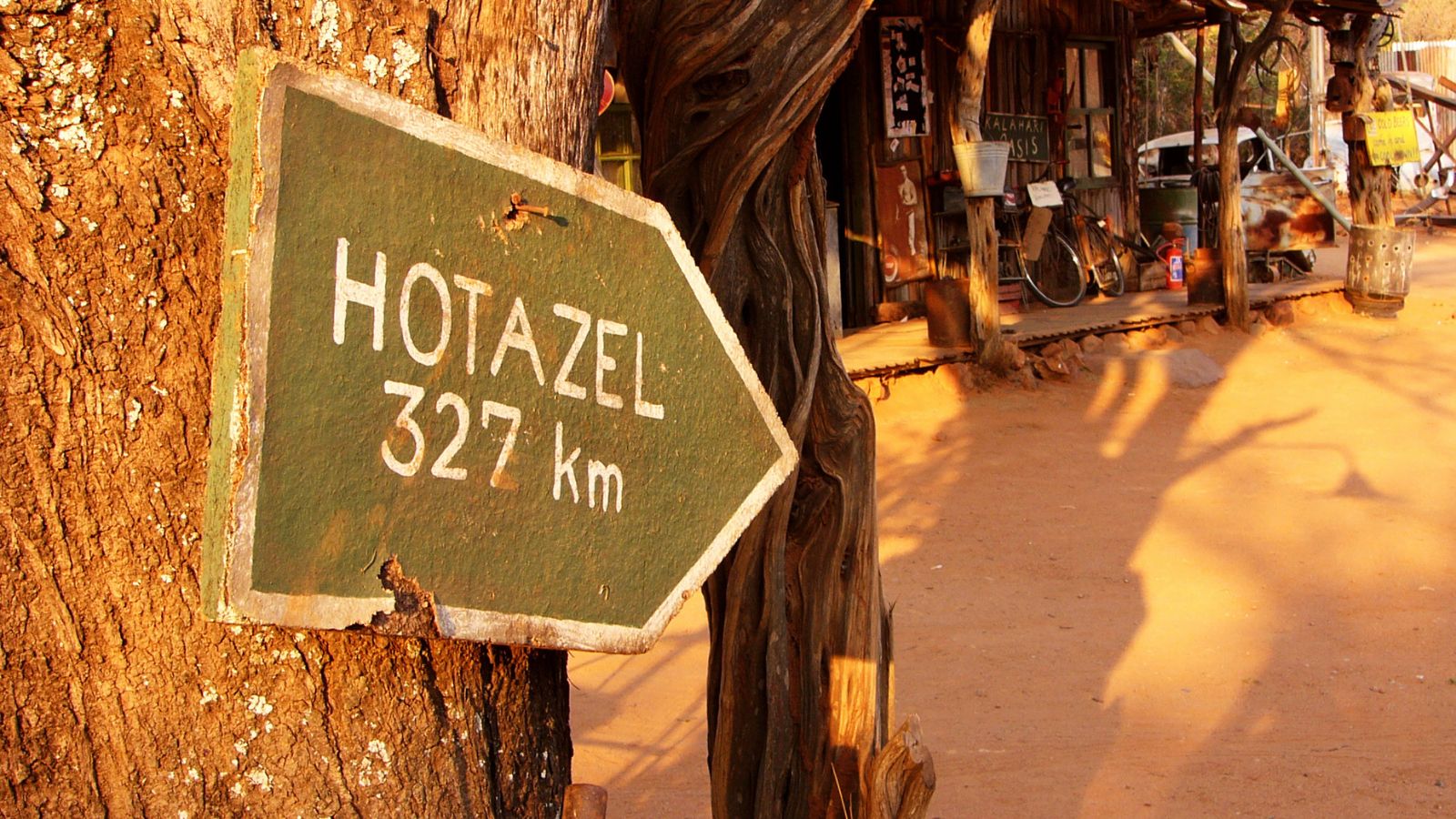
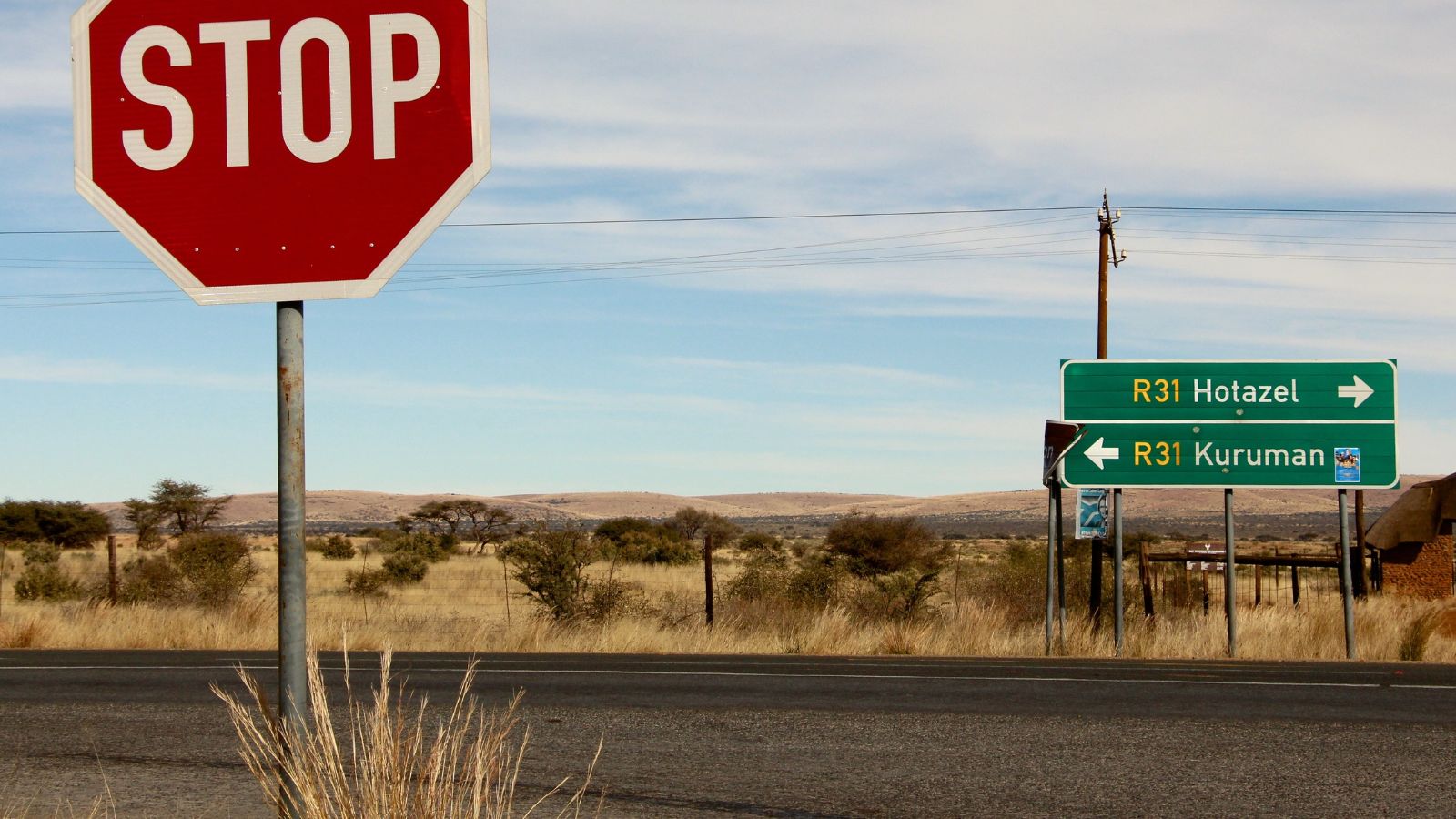
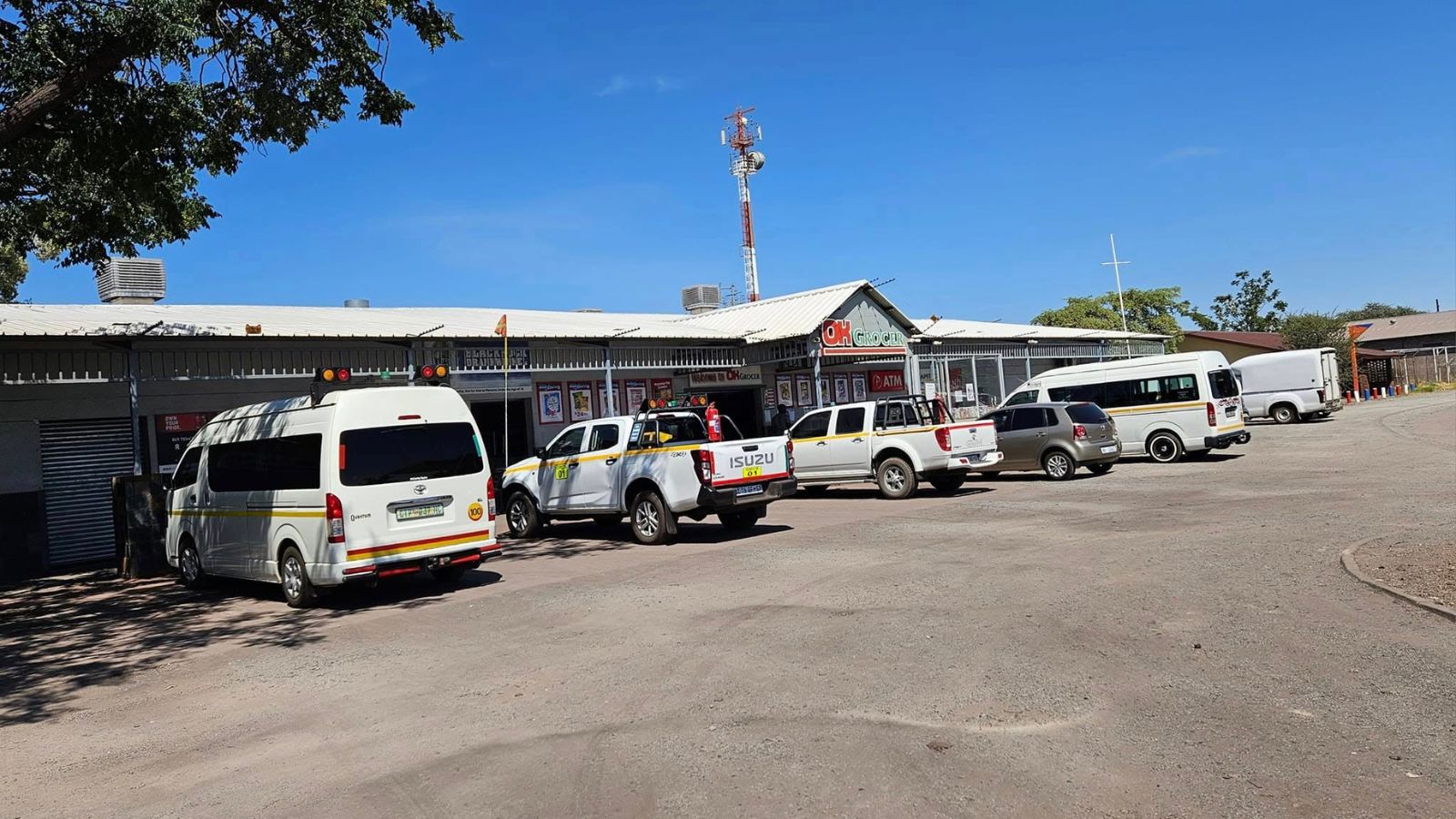
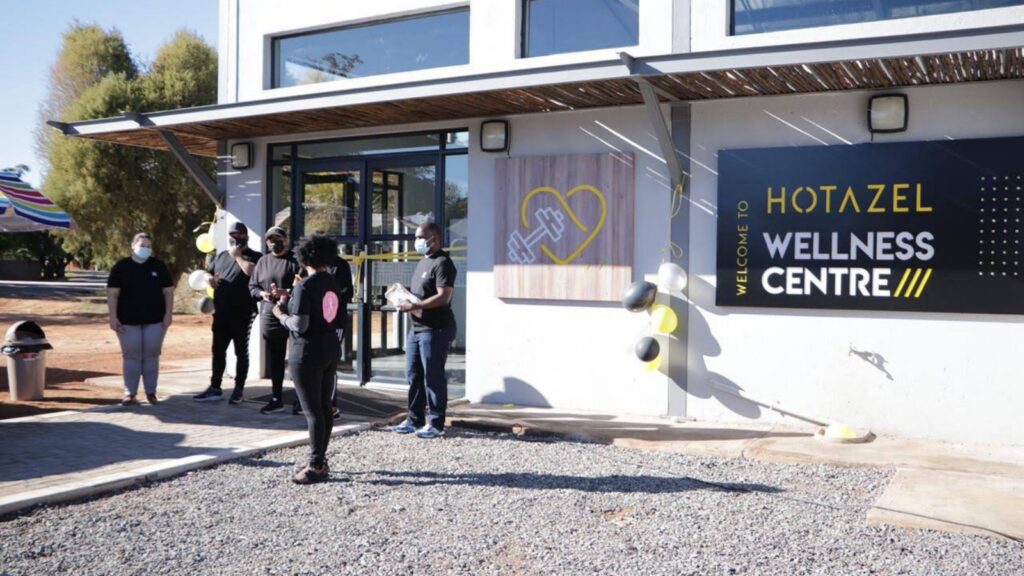
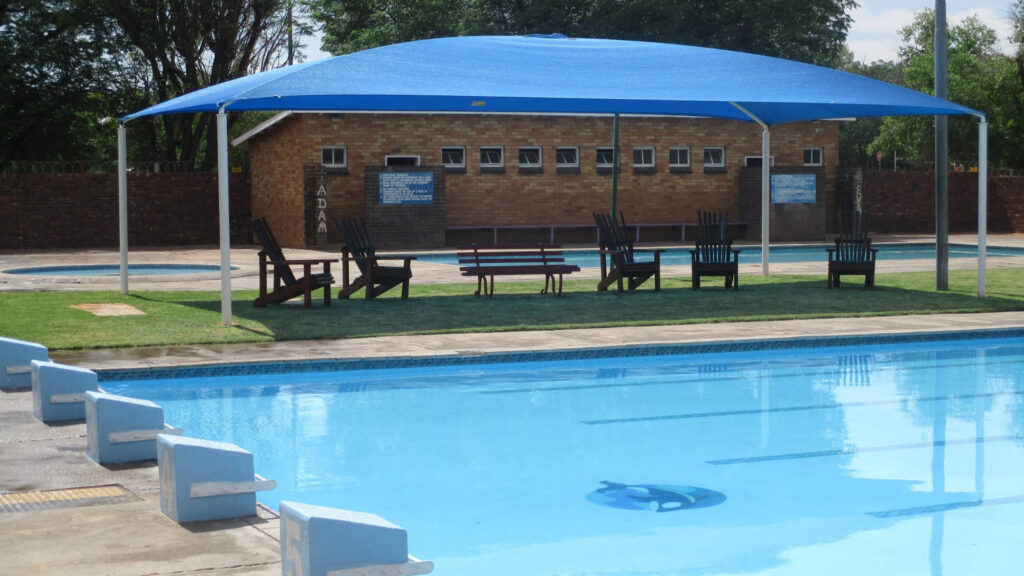
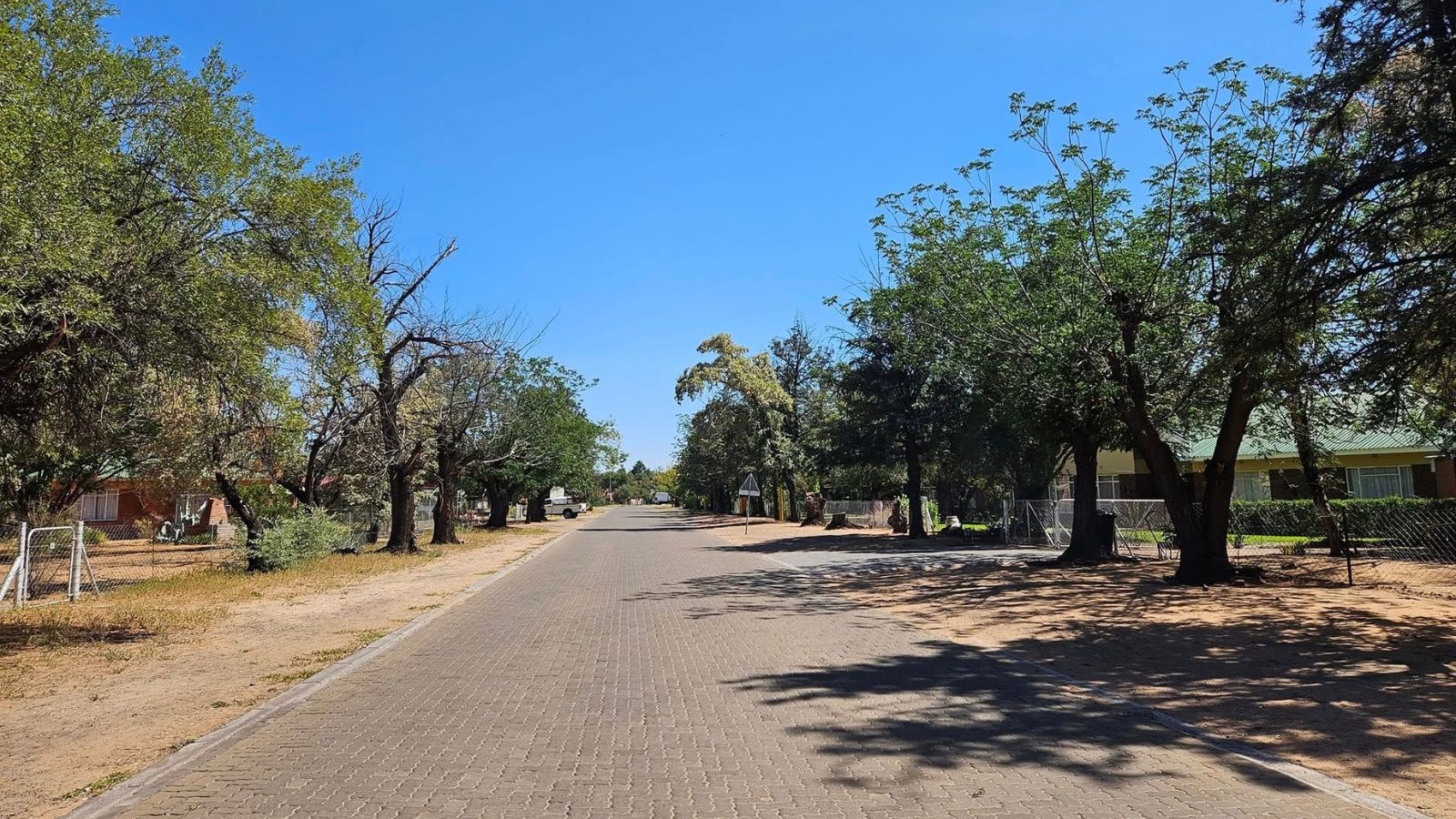
Hotazel and the manganese mines surrounding it







 Loading ...
“Tesla builds MILLIONS of electric cars each year”?