
The small South African town that is home to the biggest ostrich population in the world


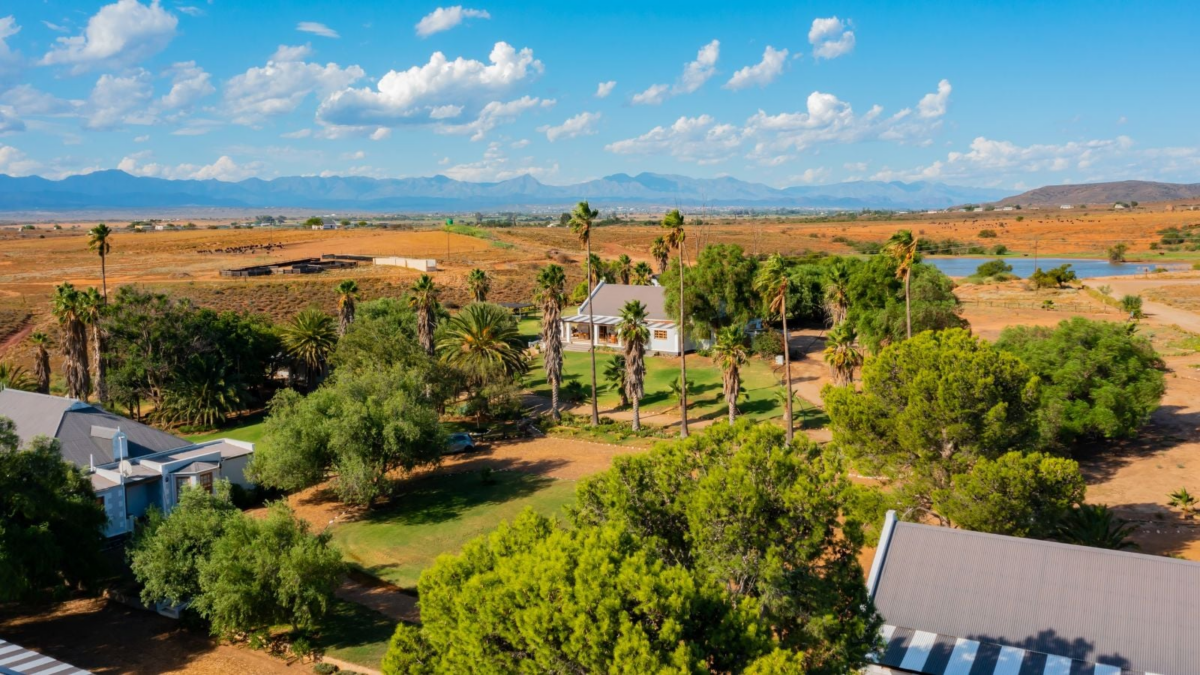
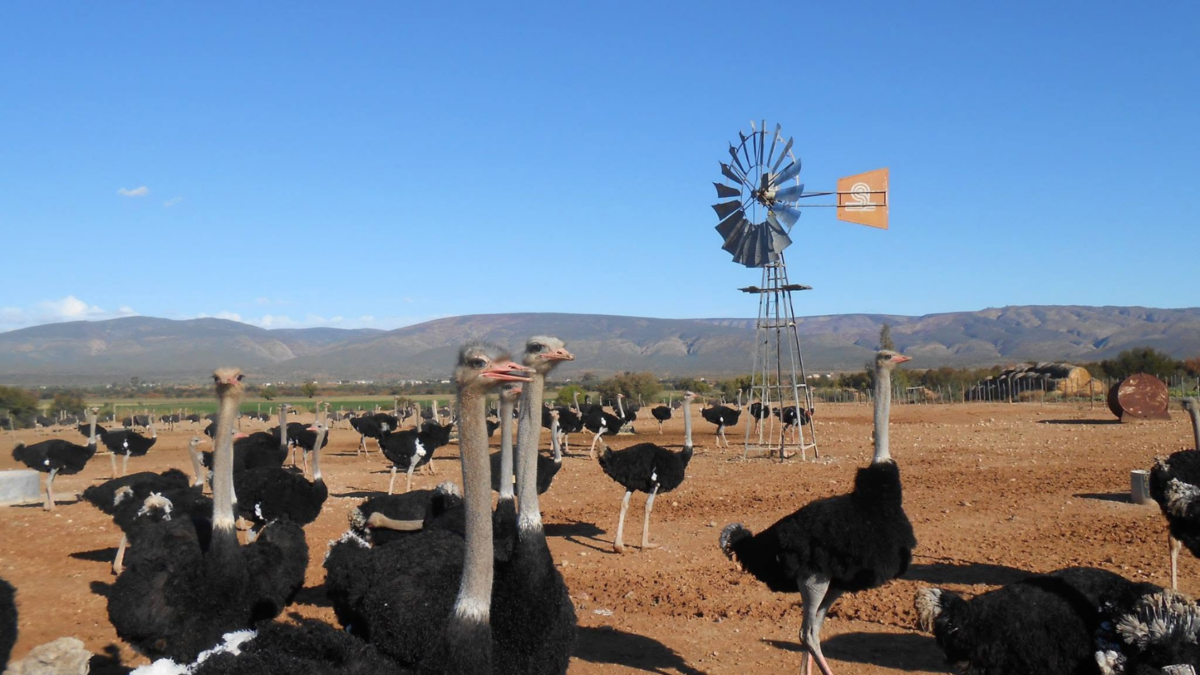
Oudtshoorn in the Western Cape is home to the world’s largest ostrich population, which generates R1.2 billion from exports every year.
In the late 1800s and early 1900s, ostrich feathers became highly prized by European royalty, resulting in a booming trade.
These feathers were dubbed white gold and were one of South Africa’s top exports, surpassed only by gold, diamonds, and wool.
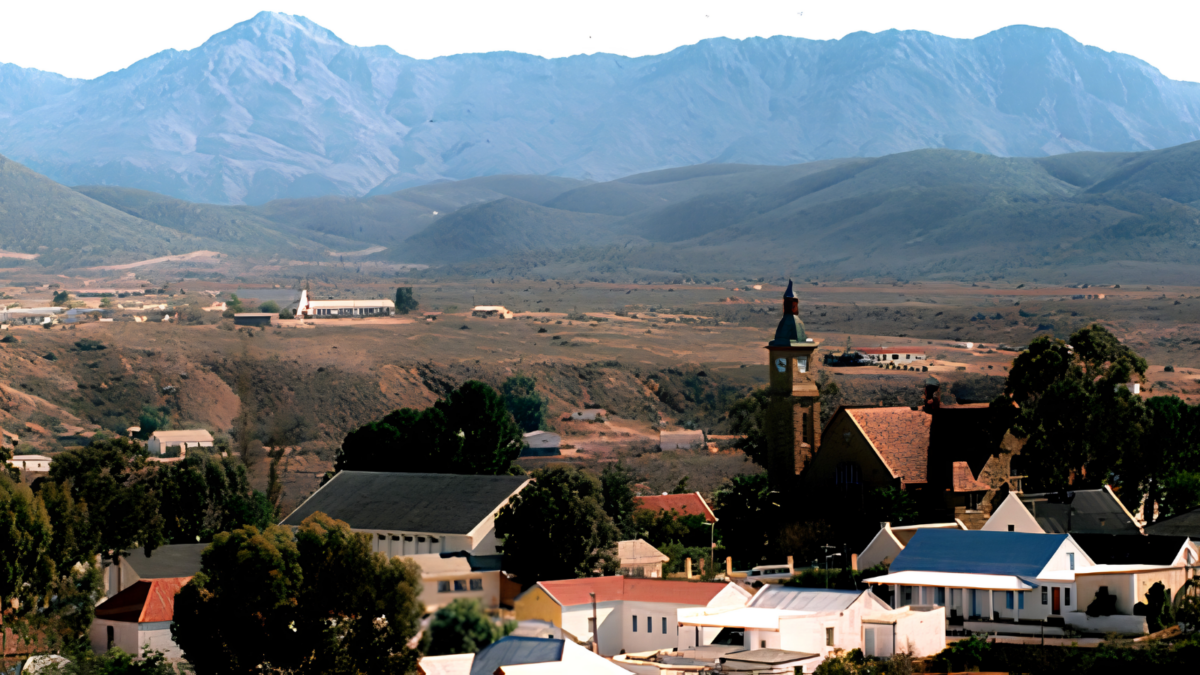
Oudtshoorn was officially recognised as a town in 1863 when its first town council was appointed. However, the groundwork for the town was laid much earlier, in 1847, by a farmer named CP Rademeyer.
He sought permission from the Government of the Cape to designate part of his farm, Hartebeesfontein, for town development.
This request was granted, and a surveyor mapped out 476 plots with access to irrigation water in that same year. By 1855, Oudtshoorn had 70 houses, a recorded population of 500 residents, and a permanent magistrate.
Rademeyer named Oudtshoorn after Geesje Ernestina Johanna van Reede van Oudtshoorn, granddaughter of Baron van Reede van Oudtshoorn, who was married to a magistrate from George.
In 1850, a tobacco and brandy industry emerged in Oudtshoorn. By 1853, the town had opened its first post office.
In 1855, Oudtshoorn welcomed three medical practitioners who started their practices, contributing to the community’s well-being.
1857 marked a significant development as the largest general dealer opened, bringing the total number of stores in the town to four.
By 1860, six lawyers had set up offices in Oudtshoorn, further establishing the town’s professional landscape. In 1870, the community had established three hotels, four butcheries, and a chemist, making it a bustling centre for trade and social life.
Then, in 1876, Standard Bank opened a branch in Oudtshoorn, providing banking services to the residents. In 1879, the Oudtshoorn Courant published its inaugural edition, bringing news and information to the community.
In 1880, the Cape of Good Hope established the second bank in the town, further enhancing financial services.
In 1887, local businessmen, lawyers, and doctors came together to create the Oudtshoorn Permanent Building Society, which played a crucial role in the town’s development.
Finally, in 1895, Oudtshoorn celebrated a milestone when it received its first drinking water supply via a 35 km pipeline, improving the quality of life for all its residents.
South Africa controls up to 75% of the worldwide ostrich market
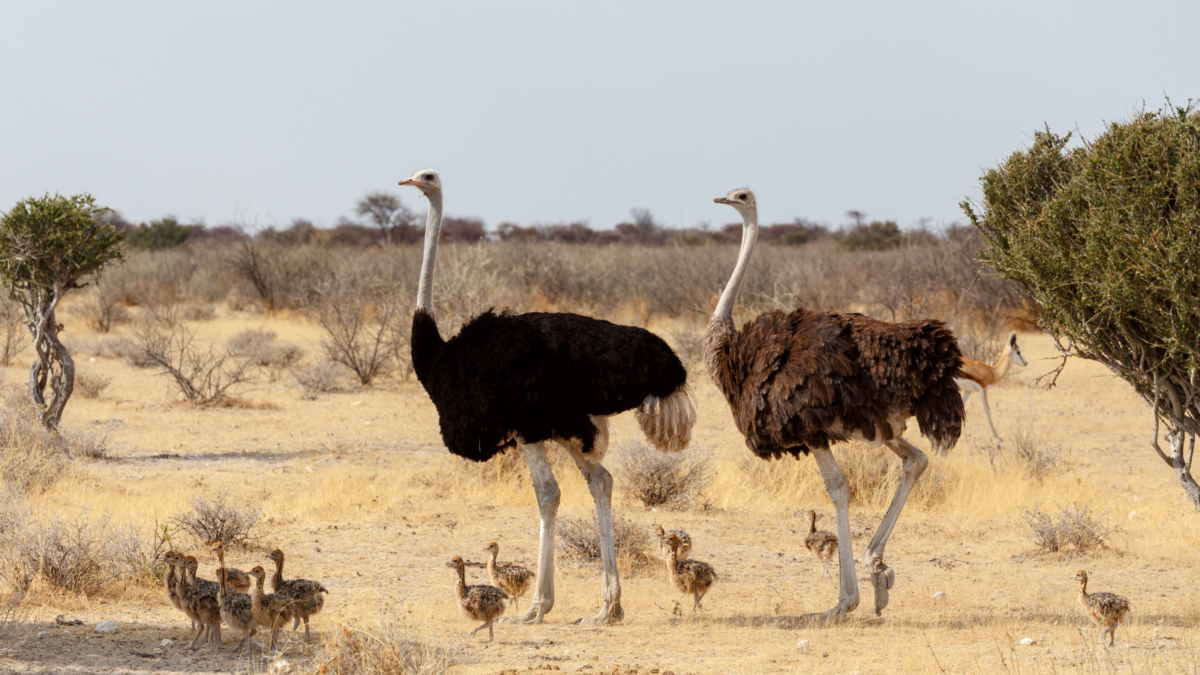
South Africa is a leading player in the global ostrich market, controlling approximately 70% to 75% of the worldwide market share.
The ostrich industry in the country generates around R1.2 billion in annual export revenue. Total investments in ostrich-related activities, including production and processing (excluding tourism), exceed R2.1 billion.
The gross agricultural value of ostrich production averages between R439 million and R650 million per year, influenced by global demand and climate factors.
Historically, the industry relied solely on feathers for revenue. However, the commercial value of a slaughtered ostrich has diversified significantly, making the sector more resilient.
The revenue components per bird consist of three main areas: ostrich leather accounts for 45% of the value and is highly sought after by global fashion houses for luxury handbags, boots, and accessories.
Ostrich meat, which also accounts for 45% of the value, is largely exported to Europe as a premium, ultra-lean, low-cholesterol red meat.
Lastly, feathers represent 10% of the value and are still used in high-fashion garments, carnival costumes, and industrial dusters.
The ostrich industry significantly impacts the local economy in Oudtshoorn. Beyond the direct sales of ostrich products, the industry supports various secondary businesses.
The tourism boom has led to the success of show farms, curio shops, and guesthouses catering to the influx of tourists who visit the “Ostrich Capital” to see these birds.
The ostrich industry supports approximately 20,000 jobs nationwide, particularly in the agricultural, processing, and tannery sectors of Oudtshoorn.
Local farmers spend over R550 million annually on specialised ostrich feed, contributing to a productive network of local input suppliers.
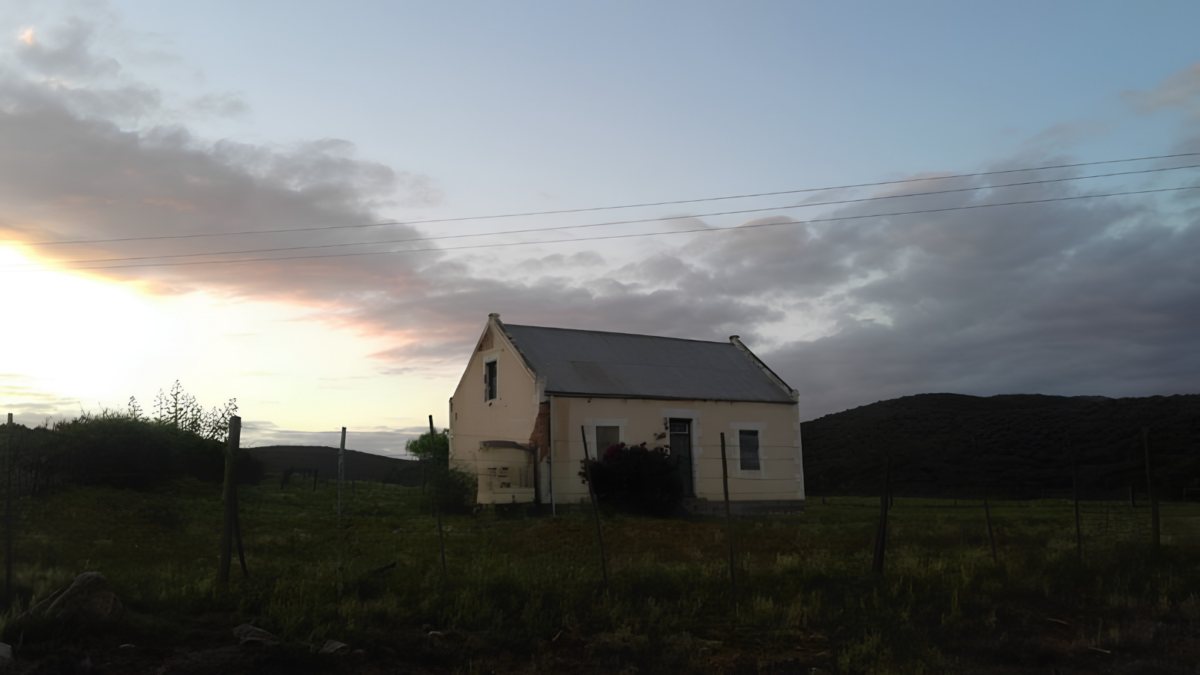
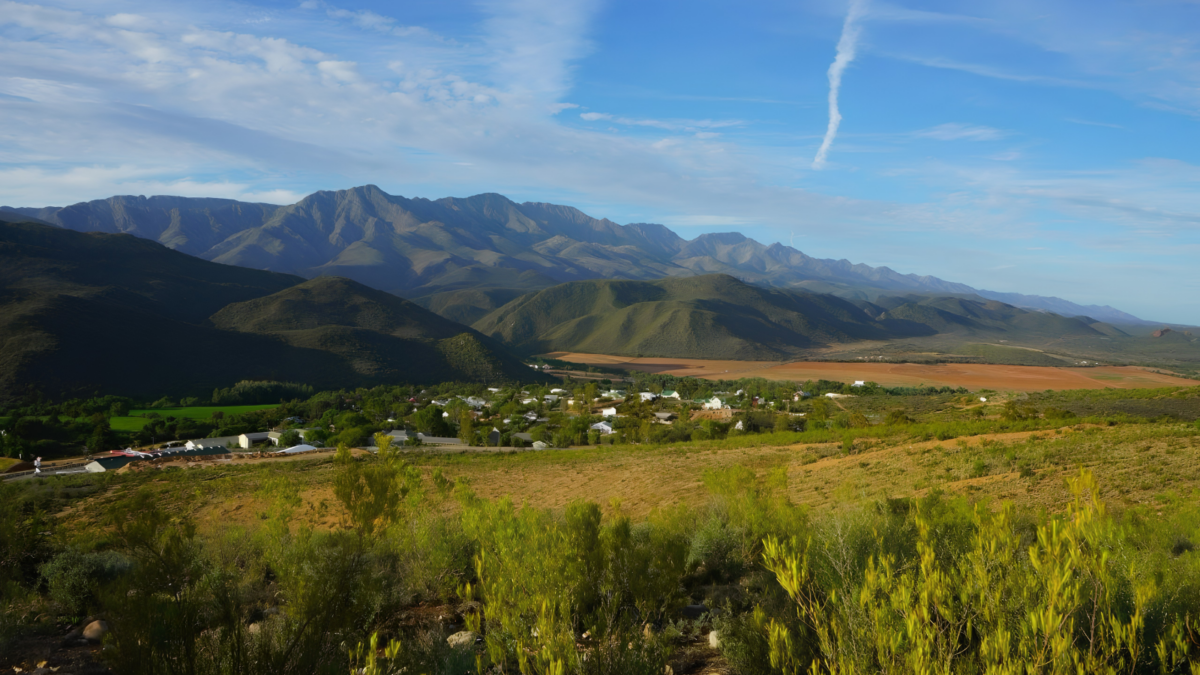
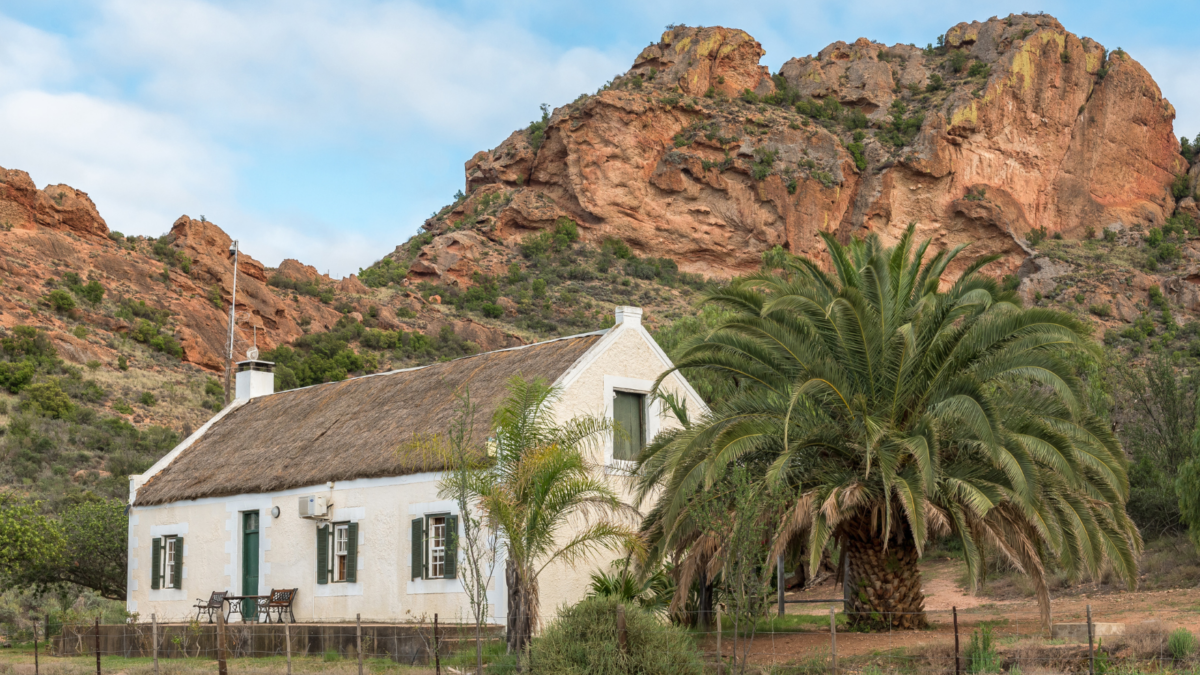
Photos of Oudtshoorn













 Loading ...
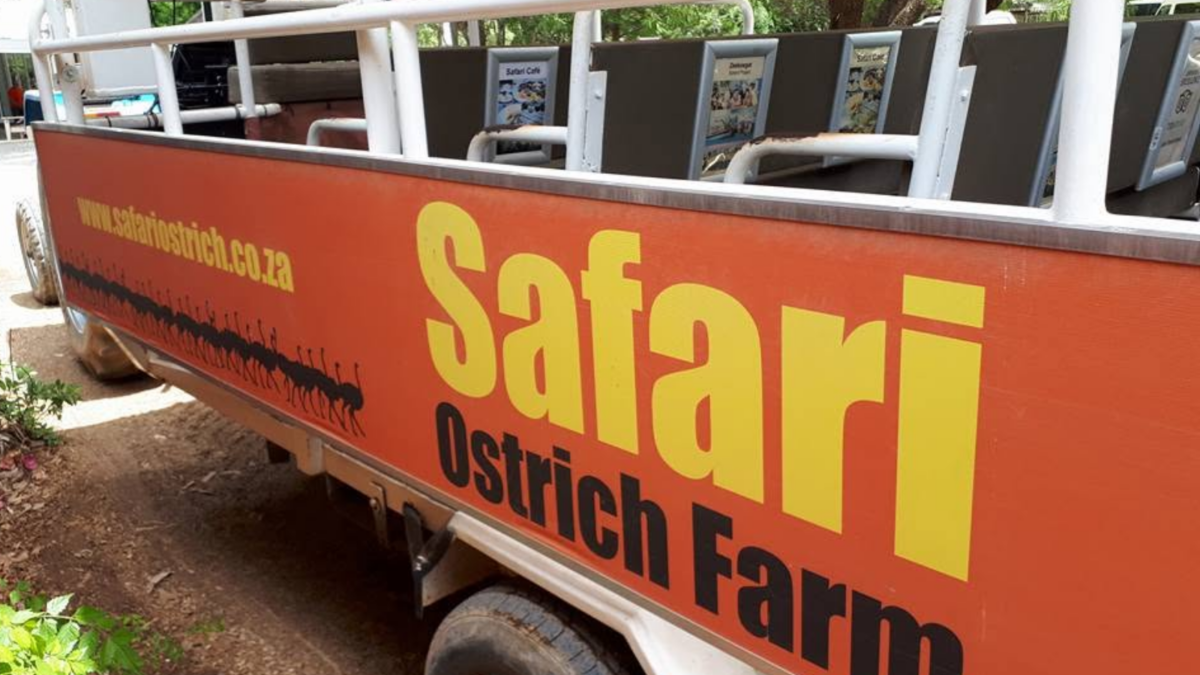
The vehicles are they driving are they good condition