
Billionaire Christo Wiese’s message to people who want to leave South Africa


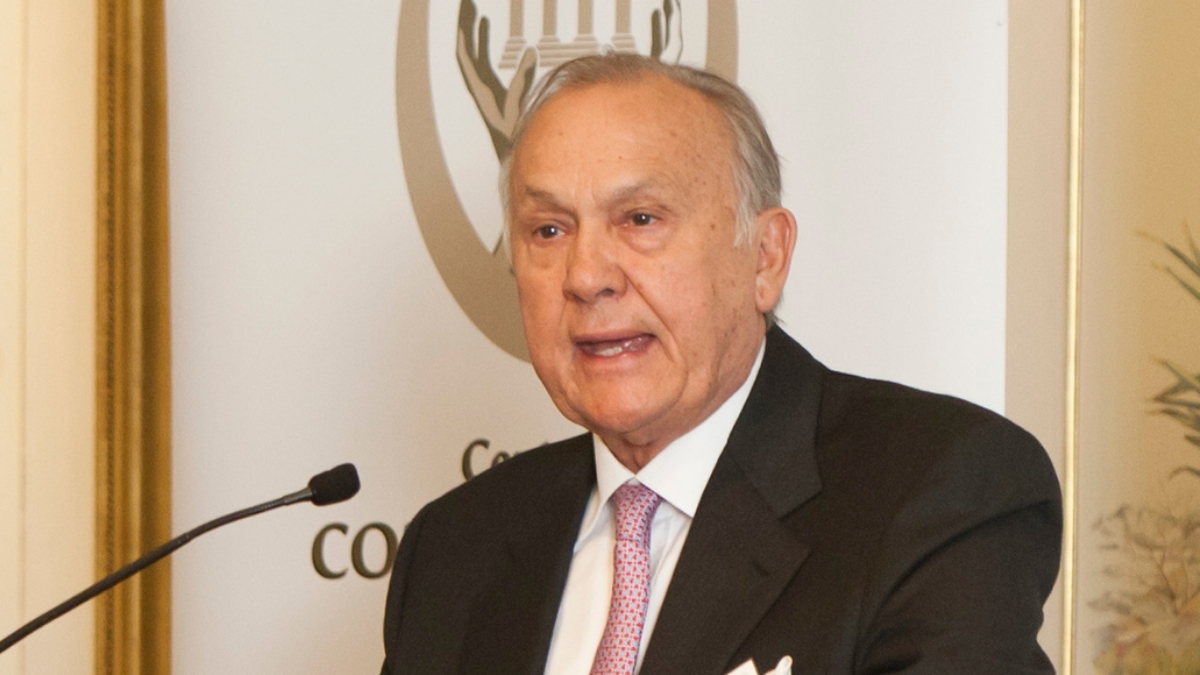
Billionaire Christo Wiese, who built many successful businesses, said that South Africa offers abundant opportunities despite its problems and challenges.
He shared his views on South Africa, his business ventures, and other topics in an interview on The Economic Club of Stellenbosch podcast.
Wiese is one of South Africa’s most successful and respected businesspeople, having created an empire through his low-cost, high-volume retail strategy.
He started his retail career at Pep Stores in Upington, in which his parents had a stake. He took full operational control in 1981 by buying out a controlling stake.
Wiese renamed the group Pepkor in 1982 and expanded the brand into urban and peri-urban areas, offering affordable clothing, footwear, and textiles.
In 1979, Pep Stores acquired Shoprite from the Rogut family for just R1 million. He partnered with Whitey Basson, who served as Shoprite CEO for decades.
Together, they built Shoprite, which now includes Checkers, Usave, and OK Bazaars, into the largest retailer in Africa.
Through his retail success, Wiese became one of the wealthiest South Africans. He currently has a net worth of approximately R31 billion.
He has always been positive about South Africa, describing himself as an incurable optimist regarding the country.
Despite the economic and infrastructural hurdles the country faces, his positive outlook is frequently cited in corporate circles and interviews.
Many people expected him and other wealthy South Africans to leave the country amid the political transition in the early 1990s.
However, he stayed for a few reasons, including the good people in South Africa and the opportunities the country offers.
“I’m staying for a number of reasons, but the main reason is I believe the majority of people in South Africa are good people,” he said.
“There are countries where you cannot say that. But the majority here are good people, and that, in the end, will matter.”
He still believes in the country, highlighting that 95% of his assets remain in South Africa. “I don’t intend to change that dramatically,” he said.
Wiese’s view on people who want to leave South Africa

Wiese previously explained that people’s perceptions of the country are highly influenced by what they hear from their family and friends.
“If you hear all day about how miserable the country is, you are obviously more likely to leave,” he said.
Wiese explained that when his son asked him whether he should stay in South Africa, he advised him to do so, with one caveat.
“You have to accept, even if you are the smartest man in the country, you will not be able to become president because of the colour of your skin,” he said.
“If you can accept that you are essentially a second-class citizen in your own country because of your race, it is a great country.”
In his recent interview with The Economic Club of Stellenbosch, he said he was surprised by the large number of skilled people who left South Africa.
“We have obviously lost a lot of talent to overseas countries. That is the one thing I didn’t foresee in my optimism,” he said.
However, despite the exodus of skills, he still believes that South Africa is a great place for people, especially young people in business, to live.
“This is where the opportunities are. South Africa and Africa are where the opportunities lie,” he said in the interview.
“With all South Africa and Africa’s problems and all their challenges, that is exactly what makes it fun.”
South Africa’s problems can be solved by the private sector
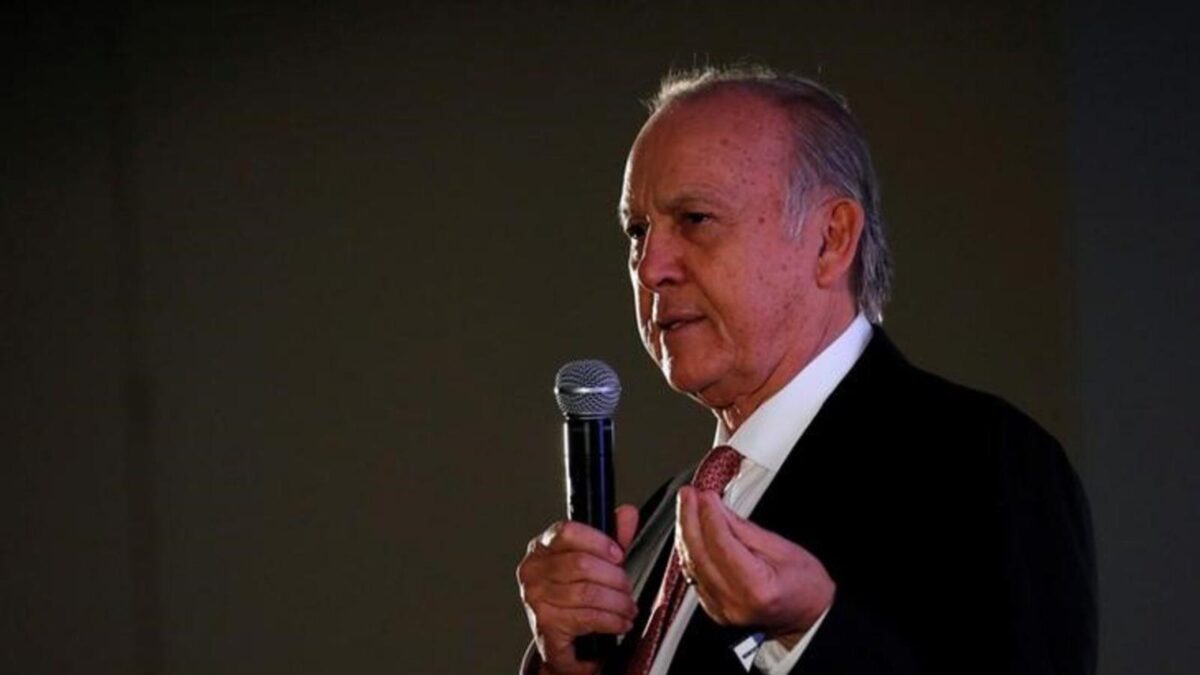
Wiese urged the private sector to continue its good work in South Africa, which he said is the solution to the country’s problems.
He argued that most of South Africa’s problems could be solved relatively quickly if the government got out of the way and empowered the private sector.
“There is absolutely no problem that cannot be solved by the private sector. The private sector can sort everything out,” he said.
“It can sort out the electricity, the water, and the roads. The government just has to get out of the way, but that is where ideology comes in.”
He said that reality was finally dawning on the ANC government and that the politicians realised they couldn’t do anything.
“They can’t get the power and electricity situation, the water situation, or the port situation sorted out,” he said.
“A government shouldn’t run airlines, ports, or trains. Sooner or later, reality will drive the solution, not ideology. Reality will drive it.”
He added that South Africa is unlike the other failed African states because it has a strong private sector.
“People forget the one thing South Africa has that those countries never had: a very large, vibrant, and dynamic private sector that can cure everything,” he said.






 Loading ...
Yeah, South Africa is GREAT if you have a R31 Billion buffer between you and reality. I bet he really feels the brunt of being a second class citizen, daily.