
South Africa’s richest province collapsing in front of everyone’s eyes


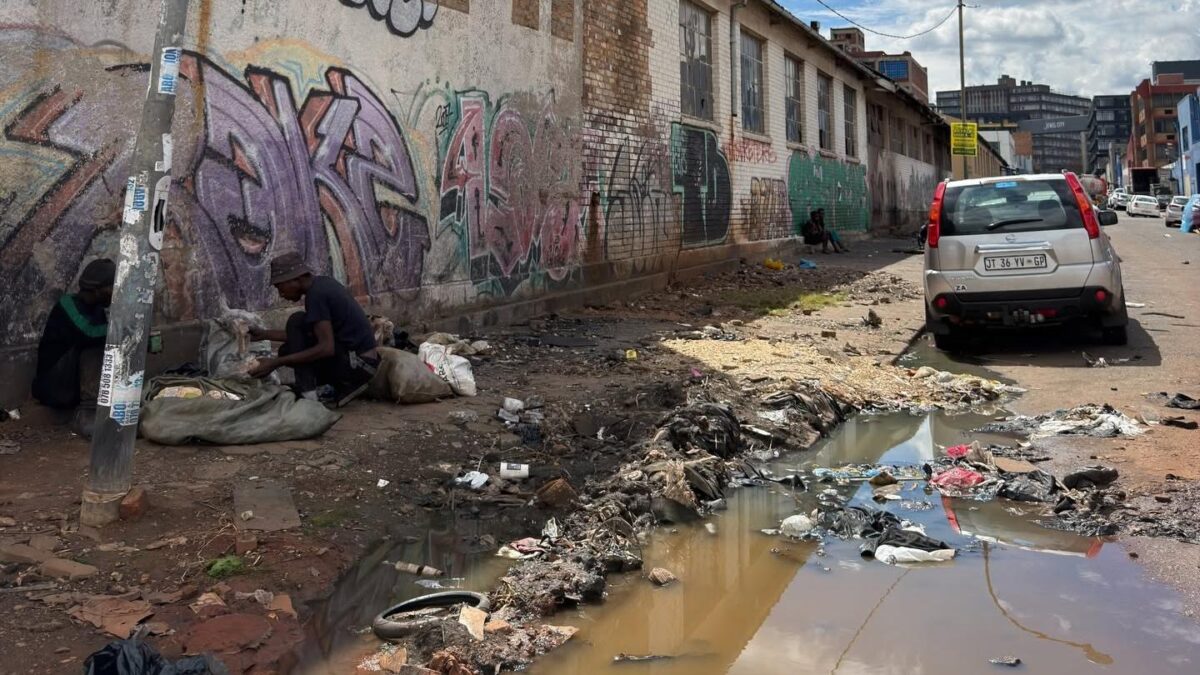
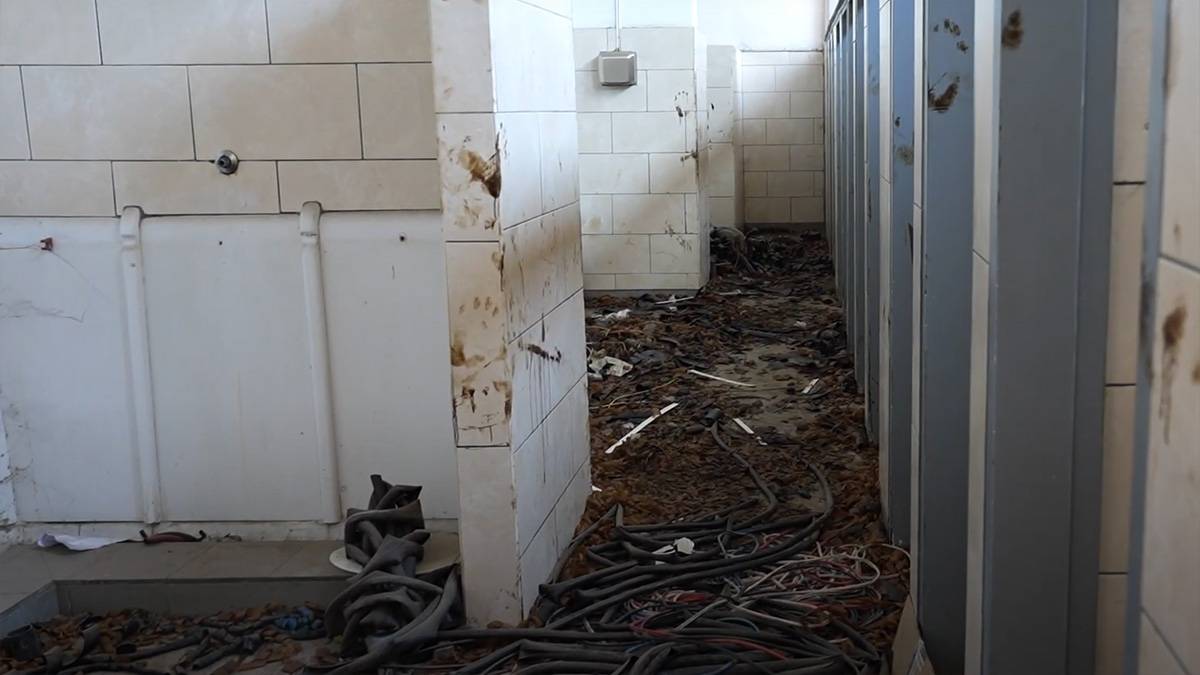
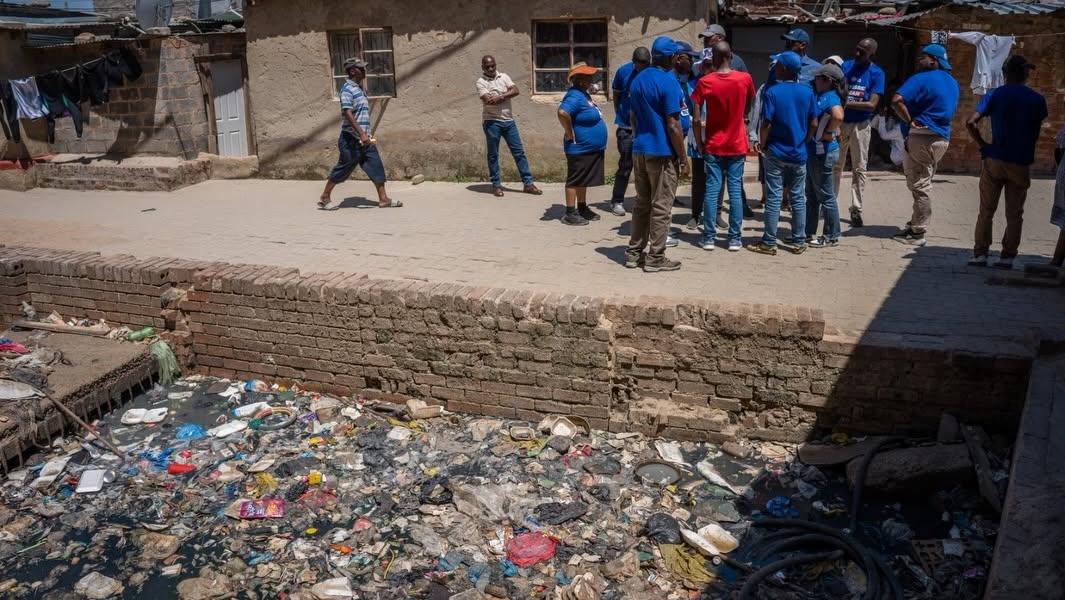
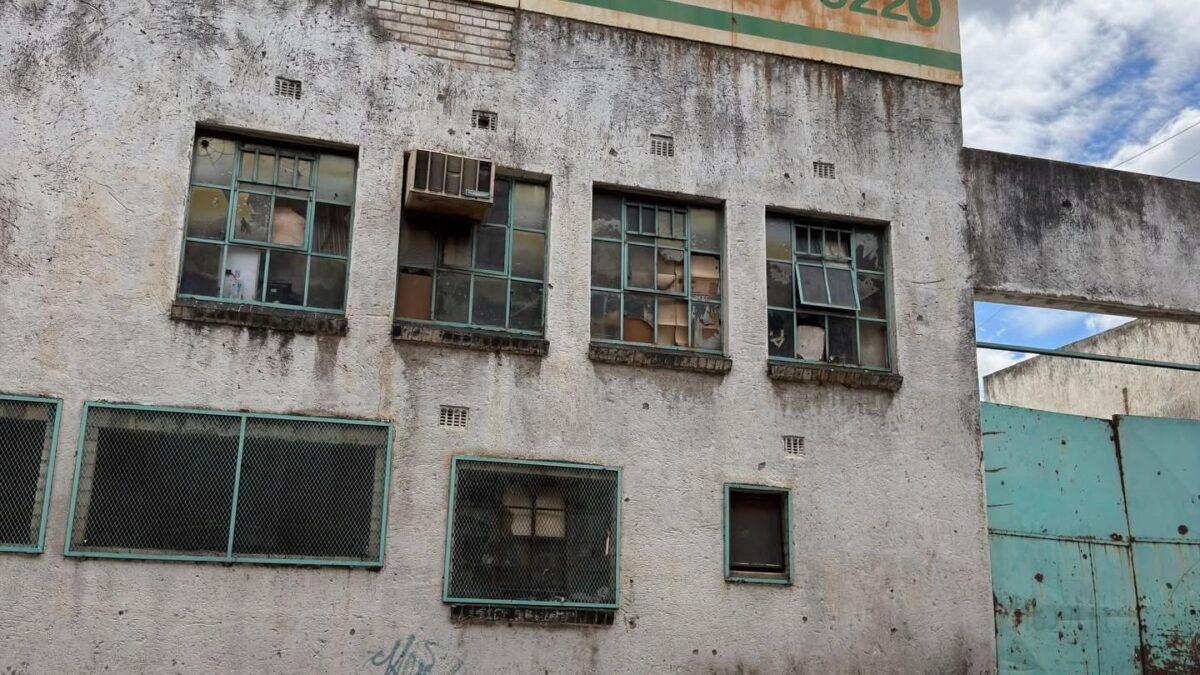
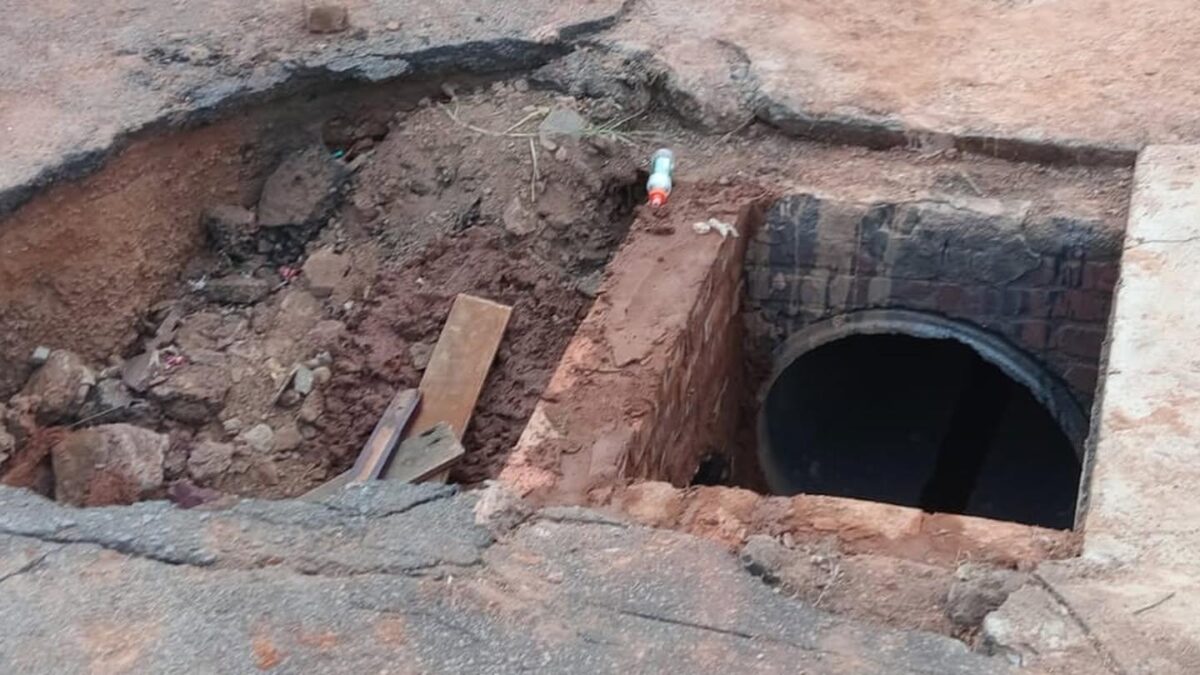
Gauteng is collapsing with high levels of crime, collapsing infrastructure, unemployment, failing healthcare, and poor service delivery.
Despite being the smallest province in South Africa, Gauteng is the country’s economic engine, accounting for roughly a third of national gross domestic product (GDP).
The province has five primary municipal territories, including three metropolitan municipalities and two Category C district municipalities.
The three metropolitan municipalities are the City of Johannesburg, City of Tshwane, and City of Ekurhuleni.
The two district municipalities are the West Rand District Municipality and the Sedibeng District Municipality.
What stands out is that all these municipalities in Gauteng are facing severe financial and operational challenges.
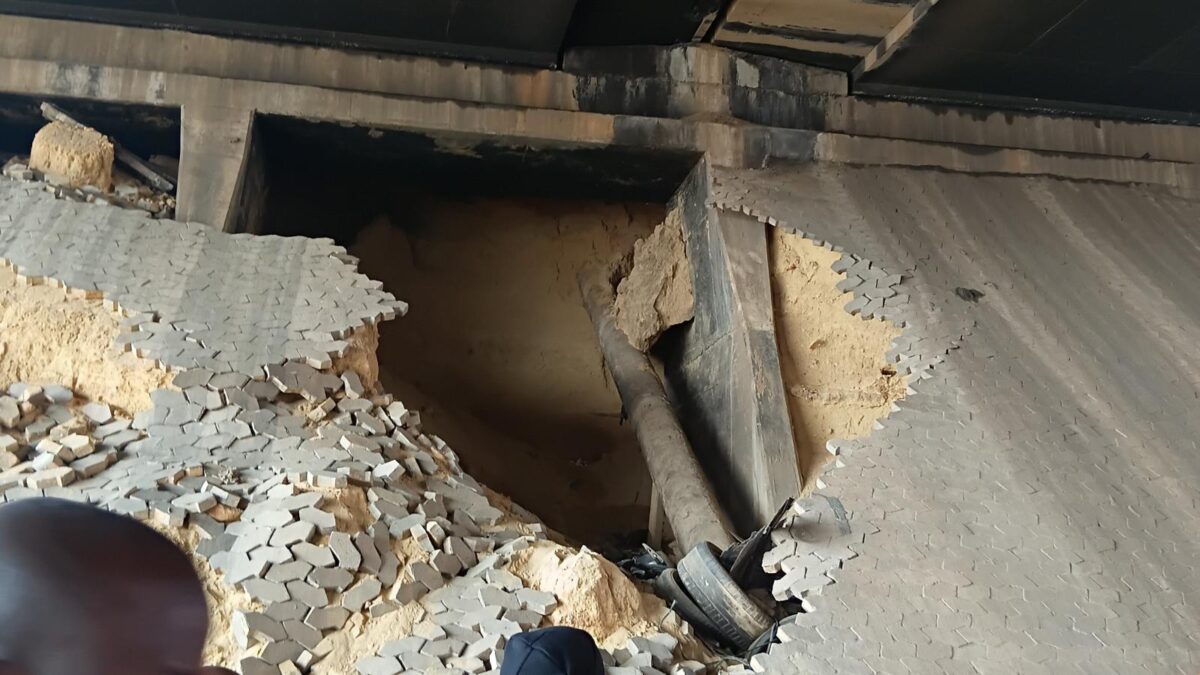
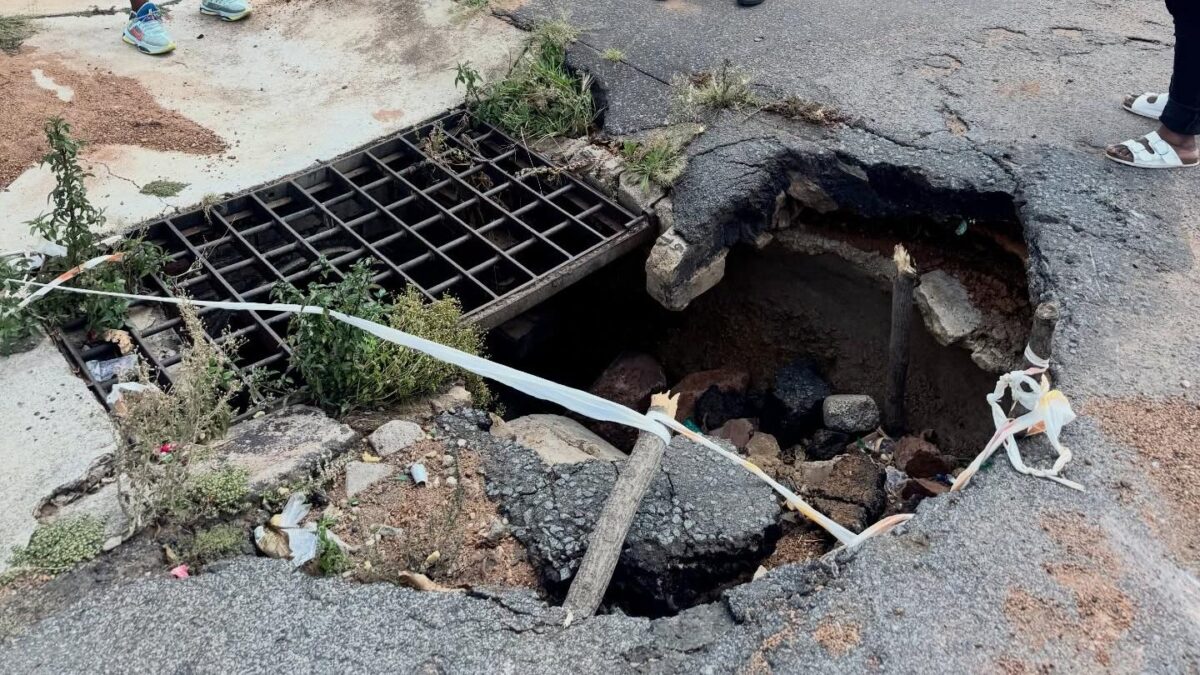
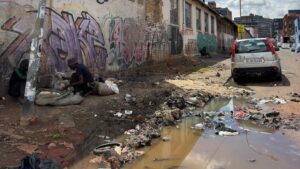
The City of Johannesburg is facing severe infrastructure collapse, with regular water and electricity outages, potholed roads, and deteriorating bridges.
It is also facing tremendous financial challenges, with cash flow constraints and a budget which leaves big unfunded holes.
The City of Tshwane faces similar challenges, especially in the areas of finances and water delivery.
Its water infrastructure has collapsed to the point that it has to pump water in tankers, and electricity failures are common.
The City of Ekurhuleni mirrors Johannesburg and Tshwane, with a qualified audit and concerning infrastructure collapse.
It reported R1.03 billion worth of treated water lost to leaks and R3.07 billion in electricity lost to theft, illegal connections, and grid faults.
The West Rand District Municipality is facing a financial crisis, where it has been forced to delay June salaries due to cash flow problems.
The district’s constituent municipalities owe crippling debts to the bulk water supplier Rand Water, and the region is experiencing prolonged water outages.
The Sedibeng District Municipality is no exception, with high-profile district assets having fallen into decay.
Gauteng under pressure
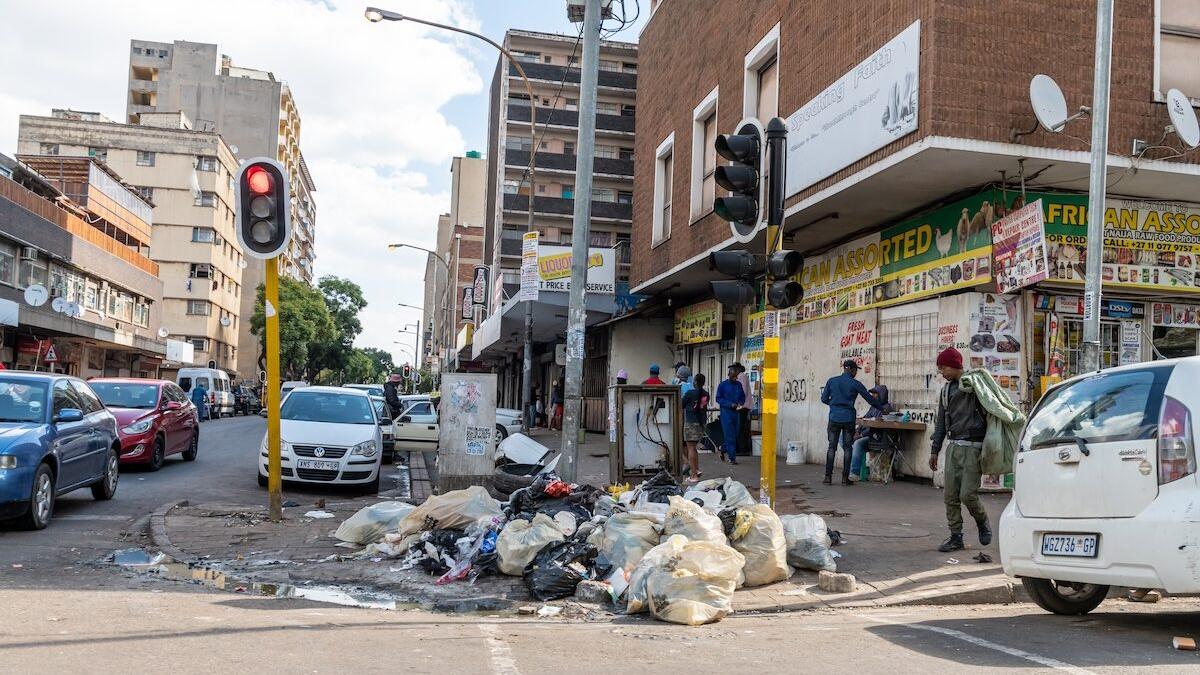
The Democratic Alliance (DA) said that Gauteng’s 2026/2027 budget for all provincial departments failed to address the challenges citizens experience.
These challenges include crime, crumbling infrastructure, unemployment, failing healthcare, and poor overall service delivery.
It listed the failures of each of the provincial departments in the Gauteng province in a statement on the budget.
- Office of the Premier: The Premier’s office is failing in its duty to ensure that all provincial departments are delivering on their mandate.
- Infrastructure Development: Maintaining and constructing new infrastructure in the province remains a challenge.
- Education: Schools face electricity disconnections, maintenance backlogs, and a 64% cut in operational funding for Quintile 5 public schools.
- Community Safety: Gauteng police lack adequate resources to keep residents safe. Gauteng is the hijacking capital of the country.
- Human Settlements: The department’s budget has been decreased by more than R631 million. This indicates that the department won’t be able to fulfil its mandate.
- Economic Development: There are currently over 2.6 million unemployed residents in Gauteng.
- Health: There are many crises, including long surgical backlogs, cancer treatment delays, and failing hospital infrastructure.
- Agriculture and Rural Development: The department consistently fails to provide adequate support to emerging farmers.
- Social Development: The most vulnerable individuals in our society, such as the elderly, people with disabilities, and children, have not been put first.
- Sport, Arts, Culture and Recreation: Funding for libraries, cultural affairs, and community programmes has been reduced.
- Cooperative Governance and Traditional Affairs: Service delivery across all municipalities except Midvaal has collapsed.
- Environment: Residents are exposed to poor air quality daily, and our rivers are being polluted with raw sewage daily.
- Transport: Residents are still not guaranteed a reliable and safe public transport system.
- e-Government: This department fails to deliver on its mandate. Schools and libraries are not connected to the Gauteng Broadband Network (GBN).
The DA said that residents do not want a government that does a tick-box exercise year after year.
They want dignified housing, access to good schools, state-owned hospitals that work, a safe living environment, and jobs.
Gauteng in a serious financial and economic crisis
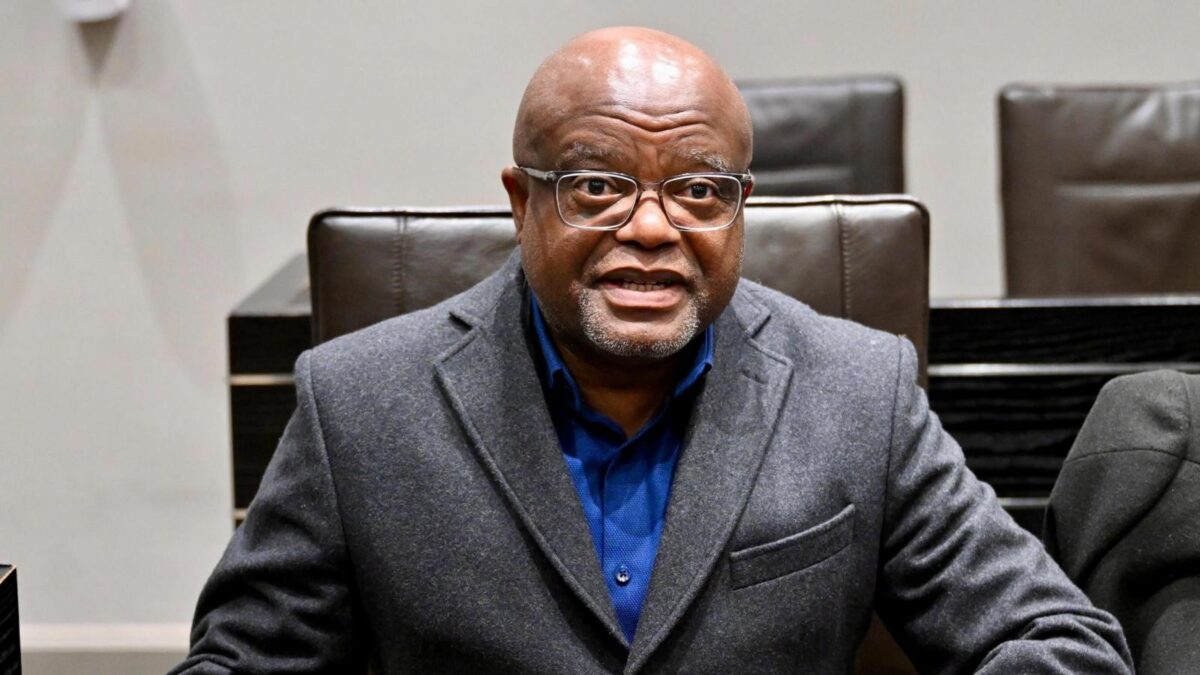
Anton Alberts, a Member of Parliament and chairperson of the FF Plus, said Gauteng finds itself in the middle of a serious financial and economic crisis.
This crisis is reflected in the province’s rising unemployment rate, which is moving in the wrong direction.
“It is necessary to ask what has gone wrong in Gauteng and how the tide can be turned to make the province an attractive destination for job-creating investments,” he said.
Given Gauteng’s natural resources and large workforce, the province should follow the growth trajectory of the world’s most successful economies.
“The growing unemployment rate is a clear warning sign that continuing with the same approach will not deliver better results,” said Alberts.
The province, therefore, needs a better strategy than the one currently in place. “One factor within the province’s control is the allocation of budgets,” he said.
The Department of Economic Development continues to receive an annual budget that is relatively small and insufficient.
“The first correct step would therefore be to review this department’s programmes and significantly increase its budget,” Alberts said.
He argued that this intervention will strengthen the positive impact of an improved business environment.
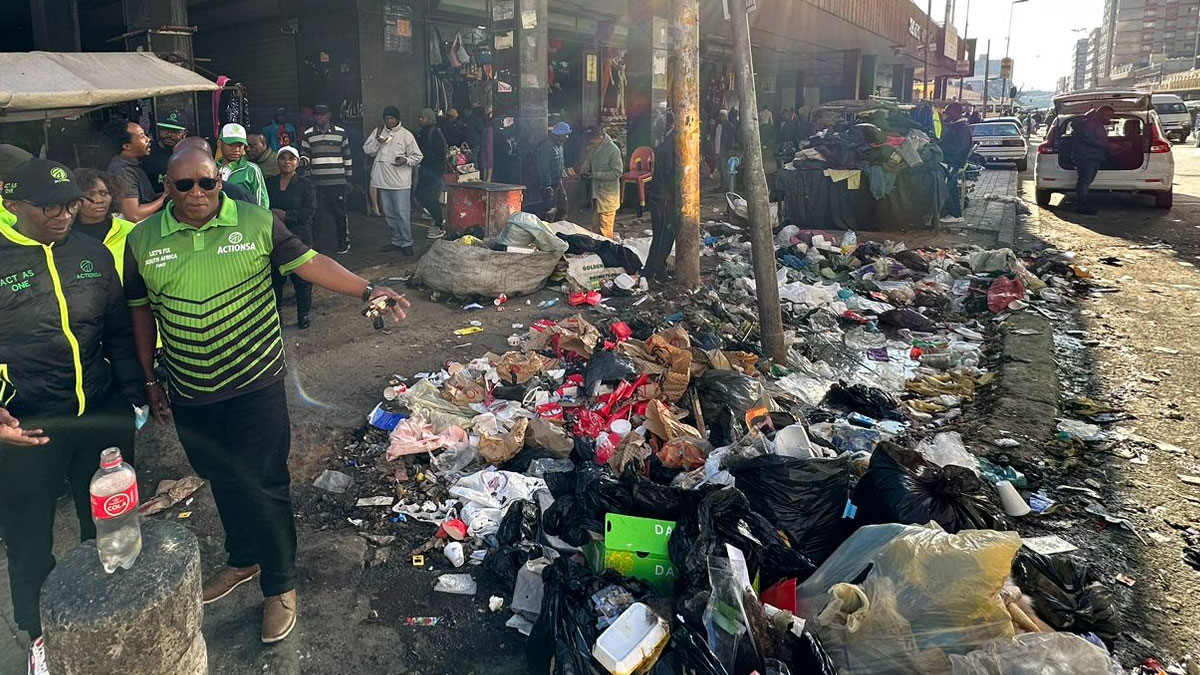
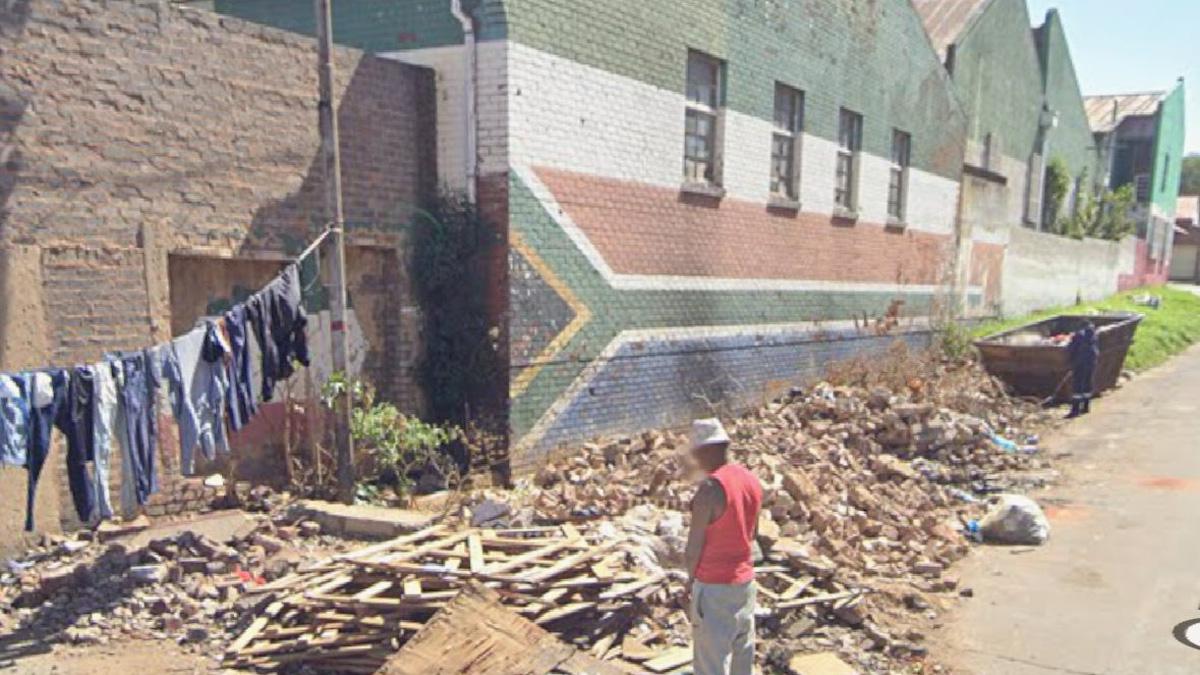
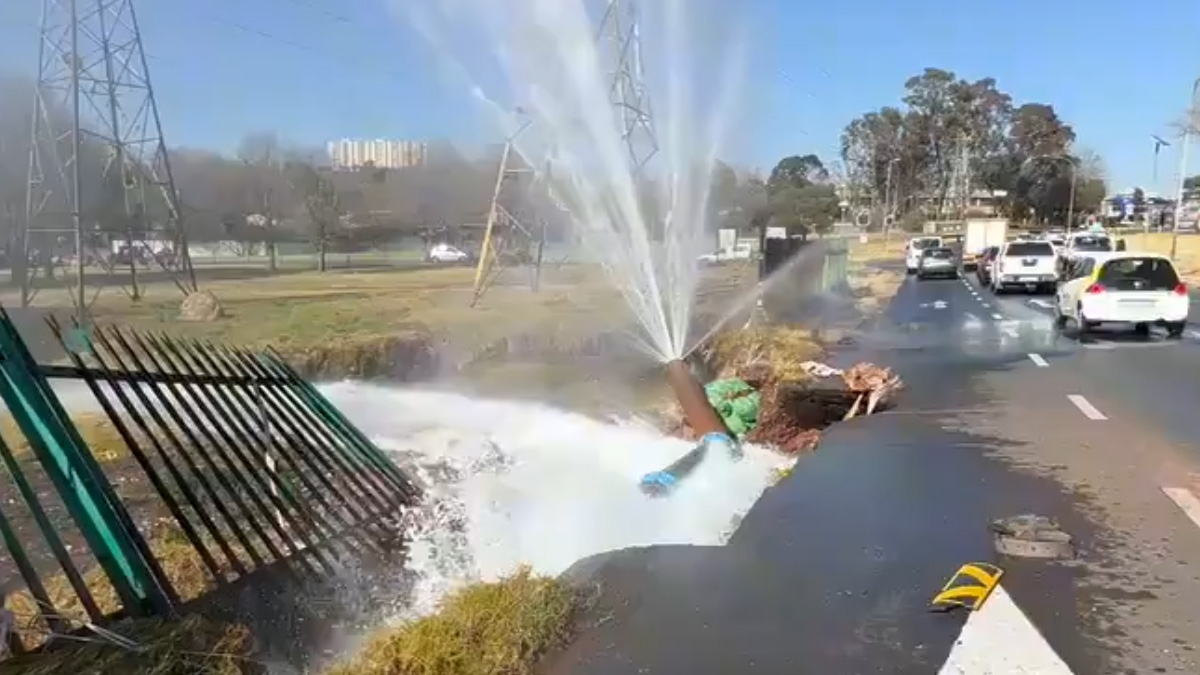
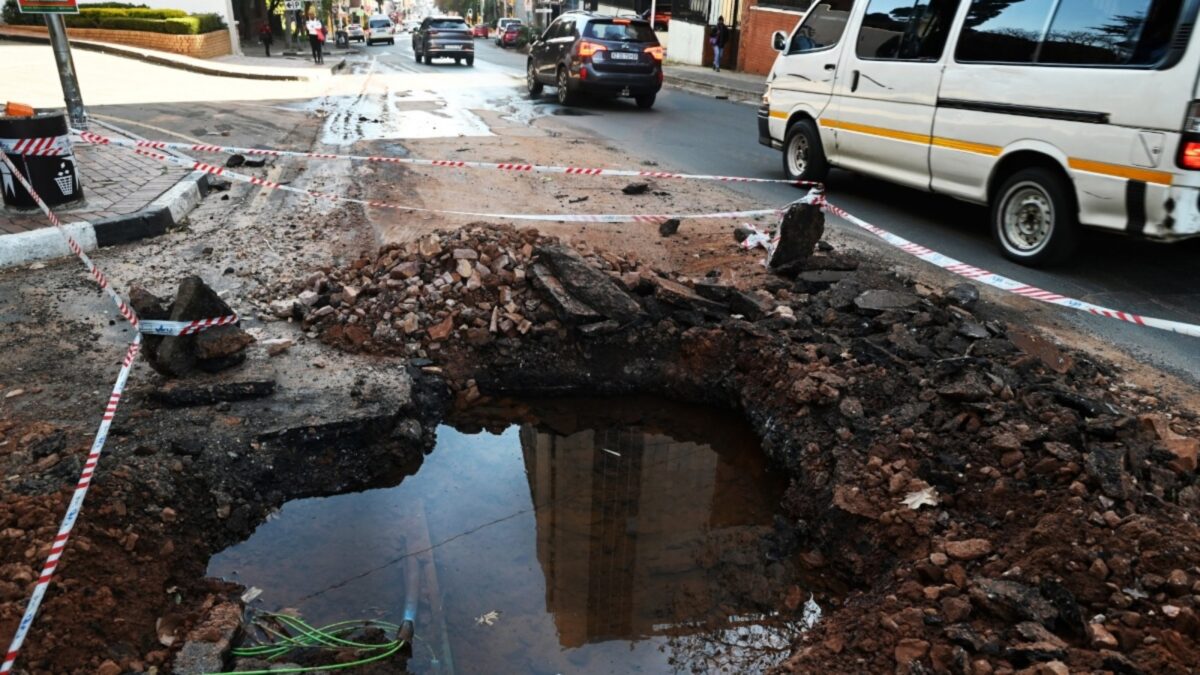
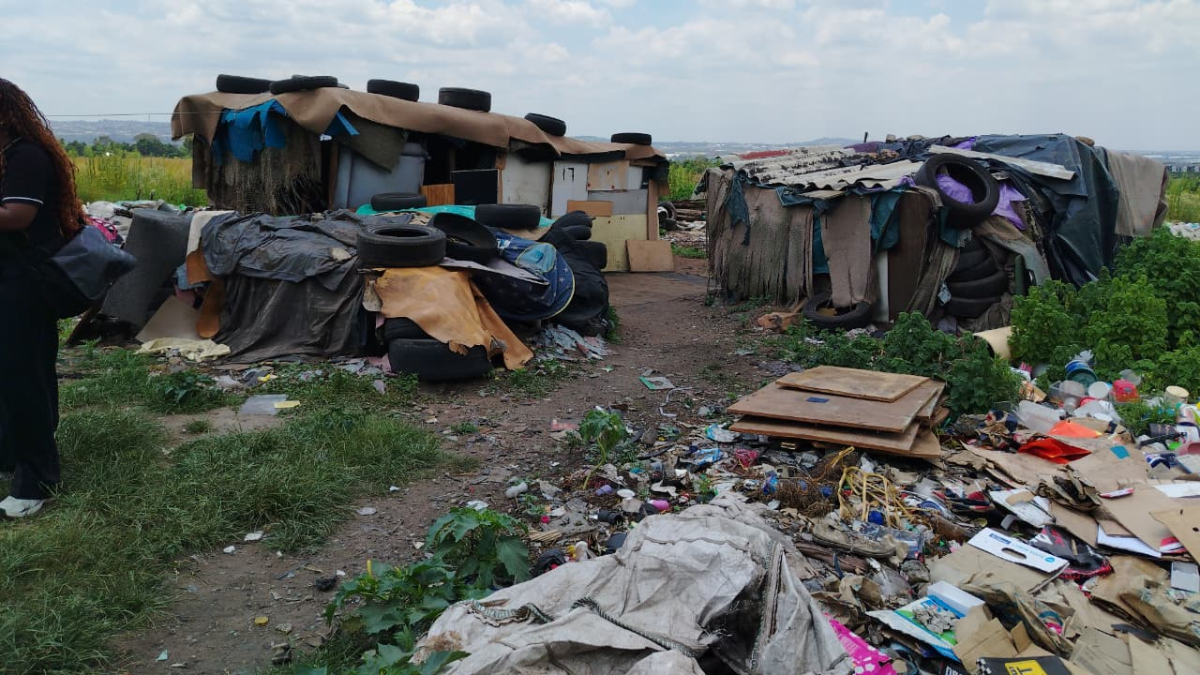
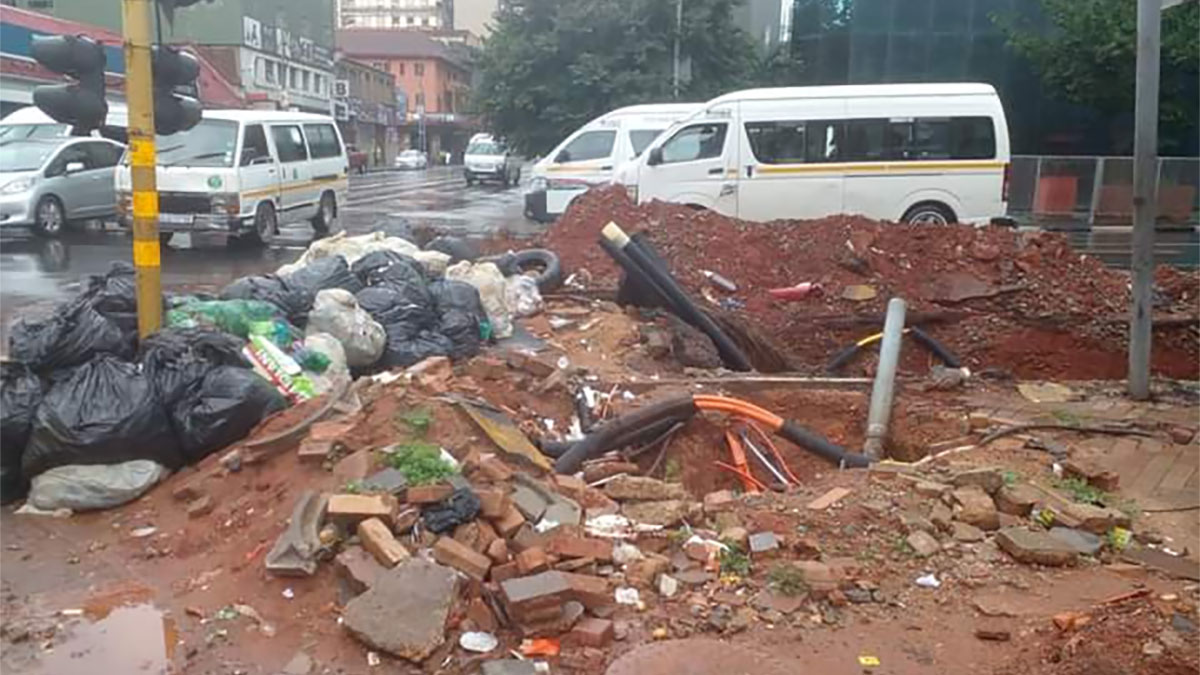
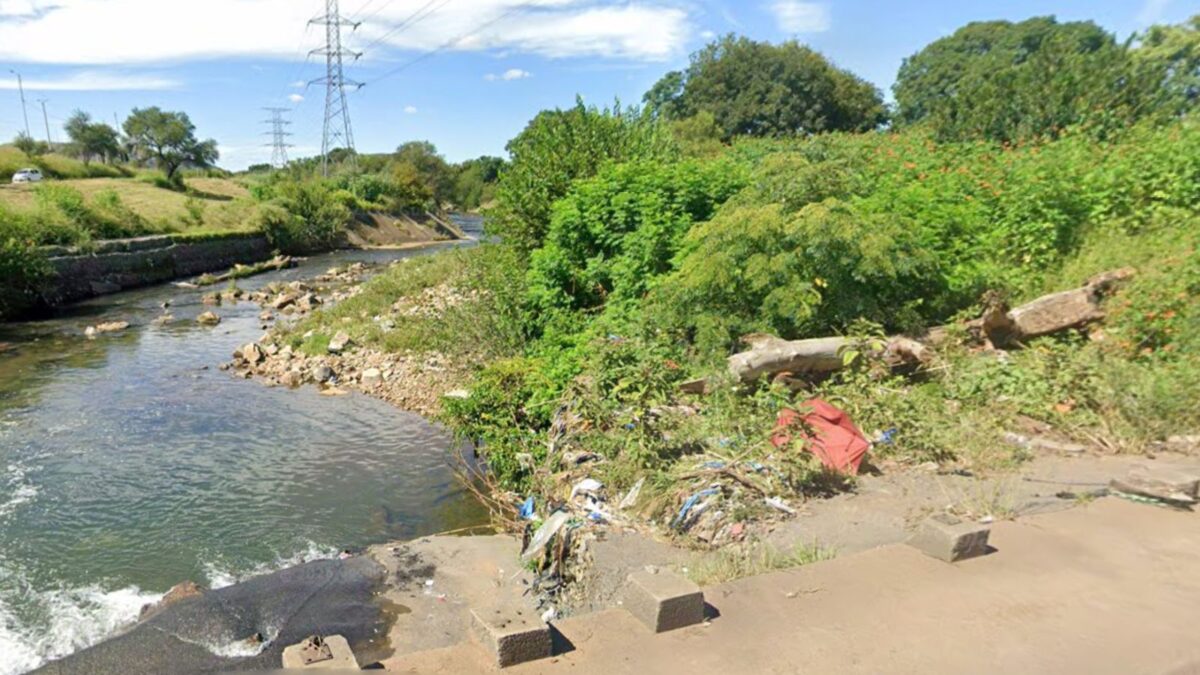
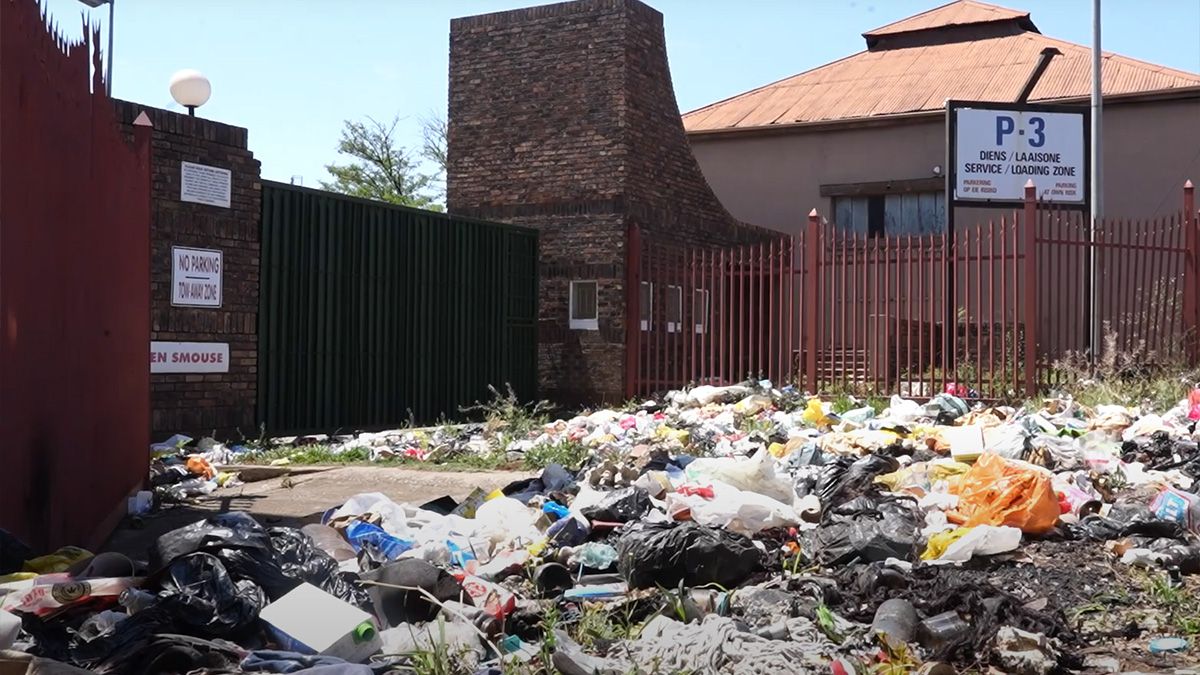
Photos from around Gauteng


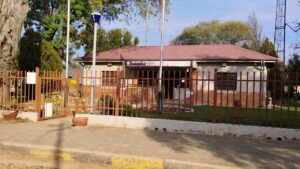


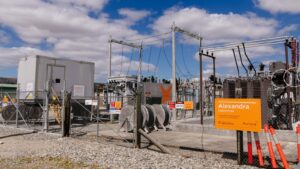


 Loading ...
Amandla!
At least they have a flag on the wall as they walk to go and fill a bucket with water