
New bill wants to introduce BEE and racial demographics for issuing and renewing water-use licenses in South Africa


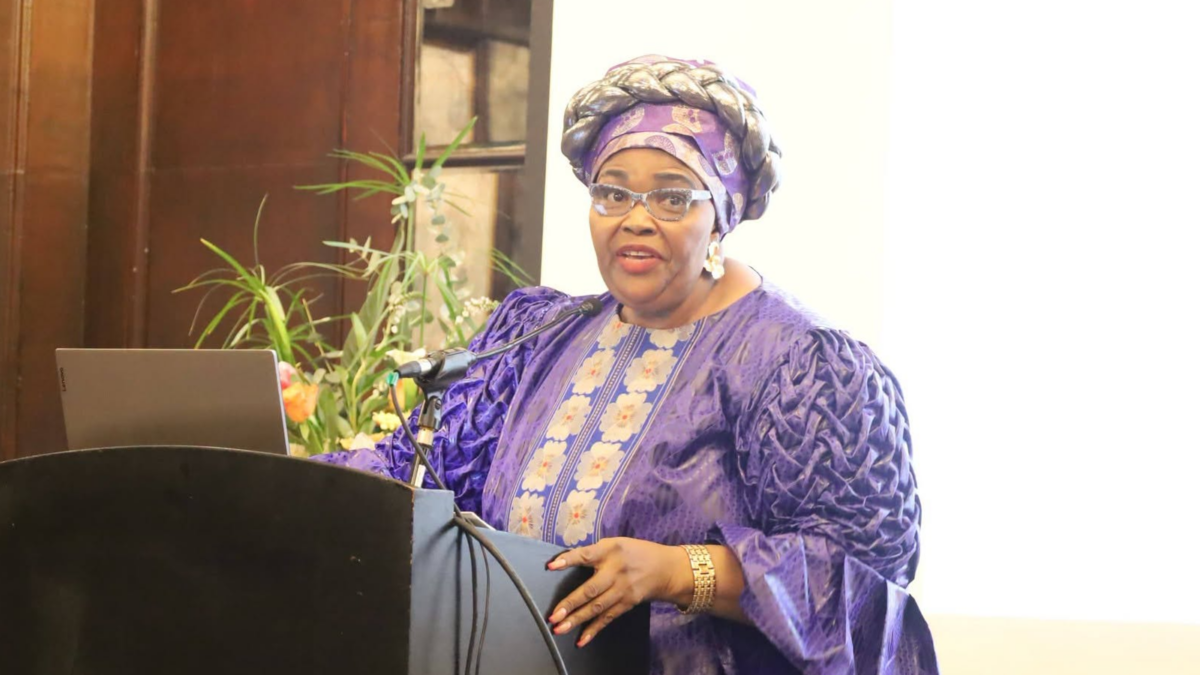
Afriforum has urged farmers, water users, businesses, and civil society organisations to submit comments on the 2026 National Water Amendment Bill.
The National Water Amendment Bill was formally introduced to the National Assembly in January 2026 and is currently open for comment.
It represented the most significant proposed overhaul of South Africa’s water laws since the original National Water Act of 1998.
The debate surrounding the Bill centres on a few highly contentious structural changes, particularly those related to water allocation and trade.
The Bill integrates broad-based black economic empowerment (B-BBEE) status and racial demographics into the criteria for issuing and renewing water-use licenses.
It also grants the Minister of Water and Sanitation expanded powers to reallocate water authorisations across sectors, catchments, or provinces in the public interest.
The inclusion of race-based quotas and the centralisation of allocation powers have triggered pushback from agricultural unions, civil society groups, and legal analysts.
Afriforum is one of these organisations, warning that the bill proposes some of the most significant changes to South Africa’s water legislation.
The stated objective of the 2026 National Water Amendment Bill is to promote transformation and more equitable access to water.
However, AfriForum believes that Parliament should carefully examine whether the proposed amendments will address the real causes of unequal access to water.
It argued that the bill merely aims to expand the powers of the Department of Water and Sanitation (DWS).
This, it said, is done without taking into account nearly three decades of inadequate implementation of existing legislation.
The 2026 National Water Amendment Bill proposes, among other things:
- To strengthen the department’s powers to curtail existing lawful water use
- Prohibit private water trading
- Centralise the reallocation of water
- Repeal provisions relating to existing lawful water use
- Introduce race-based reservation of water allocations
- Regulate the governance and transformation of Water User Associations.
Marais de Vaal, Afriforum’s advisor for environmental affairs, said that they will submit comprehensive comments focused on these aspects of the bill.
“The department’s own data shows that approximately half of all Existing Lawful Water Uses (ELUs) have still not been verified,” he said.
“Only about 75% of irrigation boards have been transformed into Water User Associations.”
“Practical barriers, such as land tenure, financing, infrastructure, technical support, and licensing support, are the greatest obstacles in the transformation process.”
“Parliament should be asked why the existing statutory mechanisms have not been fully utilised and why the real bottlenecks have not been solved,” he said.





 Loading ...
There is a massive difference between creating a just, transformed society and passing clumsy, aggressive legislation that threatens the economic foundation of the country.