
Black South Africans have consistently chosen peace, negotiation, and nation building over retribution – Mteto Nyati


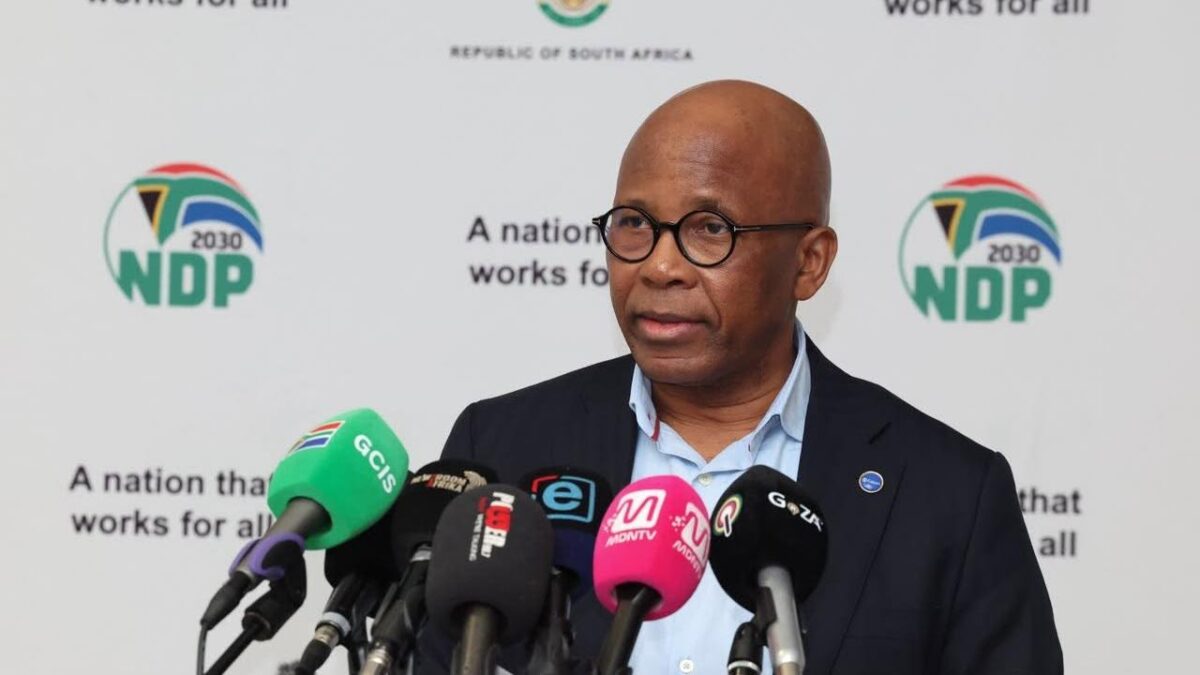
“We are not a radical people. We love this country. We are resilient, welcoming, and deeply invested in South Africa’s future.”
These are the words of Eskom chairman and business leader, Mteto Nyati, who shared his views about the looming protests against illegal immigration.
“With some groups predicting violence on the back of the call for illegal immigrants to leave South Africa, I reflected on a moment from our past that feels familiar,” he said.
“In 1994, just before the democratic election, certain voices predicted that black South Africans would riot, loot, and seize properties the moment apartheid ended.”
This caused many households to stockpile food and essentials, bracing for what they feared would be chaos and retribution.
“Yet the black majority, together with all South Africans of goodwill, chose a different path,” the Eskom chairman said.
“We pursued a negotiated settlement through CODESA. We built the Truth and Reconciliation Commission. We chose justice with mercy rather than vengeance.”
The Convention for a Democratic South Africa (CODESA) was a multi-party negotiating forum established in 1991 to end apartheid and establish a democratic South Africa.
The Truth and Reconciliation Commission (TRC) was a restorative justice body established by the South African government in 1995.
The commission was aimed at helping the country and fostering national unity following the end of apartheid.
Chaired by Archbishop Desmond Tutu, the TRC investigated human rights abuses committed between 1960 and 1994.
“The world witnessed not an explosion of savagery, but one of the most remarkable peaceful transitions in modern history,” Nyati said.
Fight against illegal immigrants in South Africa
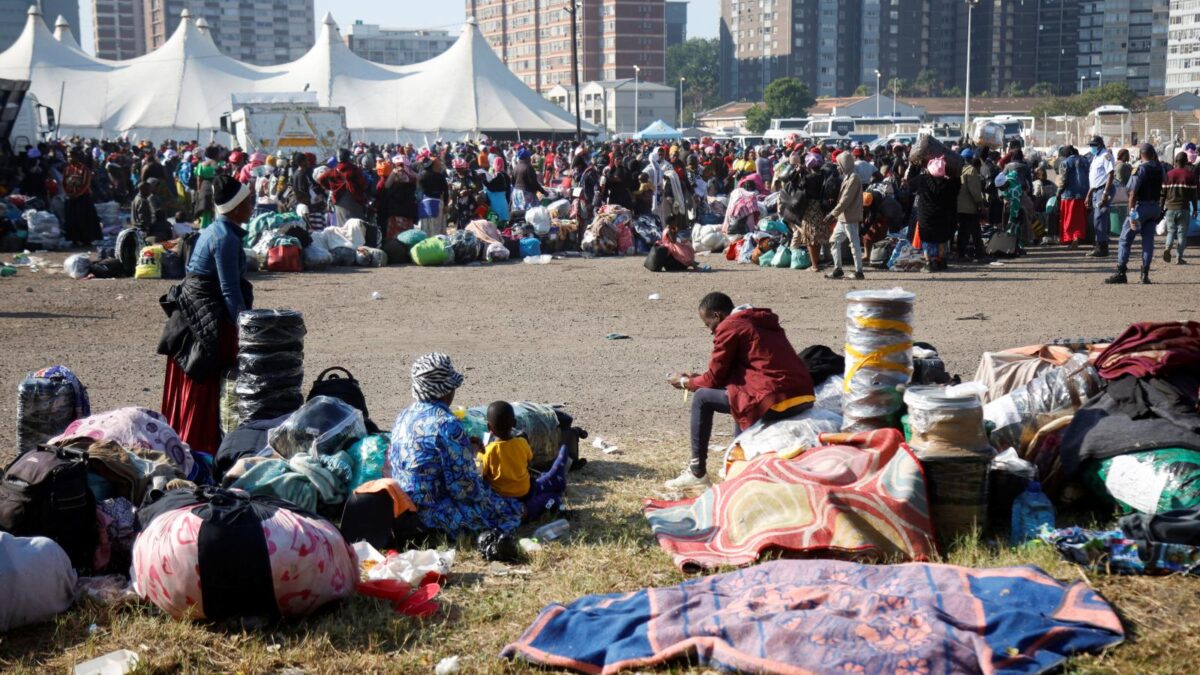
Nyati said that he heard echoes of that same pessimistic script: predictions that black South Africans will inevitably turn violent against illegal immigrants.
The Eskom chairman questioned why people so readily make this giant leap in abstraction about South Africa.
“The organisers of the planned marches have repeatedly emphasised their commitment to peaceful action,” he said.
“More importantly, the overwhelming majority of South Africans have consistently chosen peace, negotiation and nation building over retribution.”
He added that this applied particularly to black South Africans who endured the full weight of apartheid.
“We are not a radical people. We love this country. We are resilient, welcoming, and deeply invested in its future,” he said.
He said that concerns about illegal immigration are real, including the pressures it places on jobs, housing, healthcare and safety in communities already under strain.
“These challenges deserve honest, effective responses rooted in the rule of law and our constitutional values, not scapegoating or fear mongering,” he said.
“What they do not deserve is to be used as proof that black South Africans are inherently savage or prone to barbarism.”
He said that this narrative reveals far more about the assumptions still held by some than it does about who South Africans truly are.
He asked what it would take for South Africans to finally see one another clearly, beyond stereotypes, beyond fear, beyond the easy stories we tell ourselves about each other.
“It starts with recognising our shared humanity, our shared love for this land, and our shared responsibility to build a South Africa that works for all who call it home,” he said.





 Loading ...
Why is the rich, ANC, Eskom chairman writing this?