
Bafana Bafana blunders under the spotlight


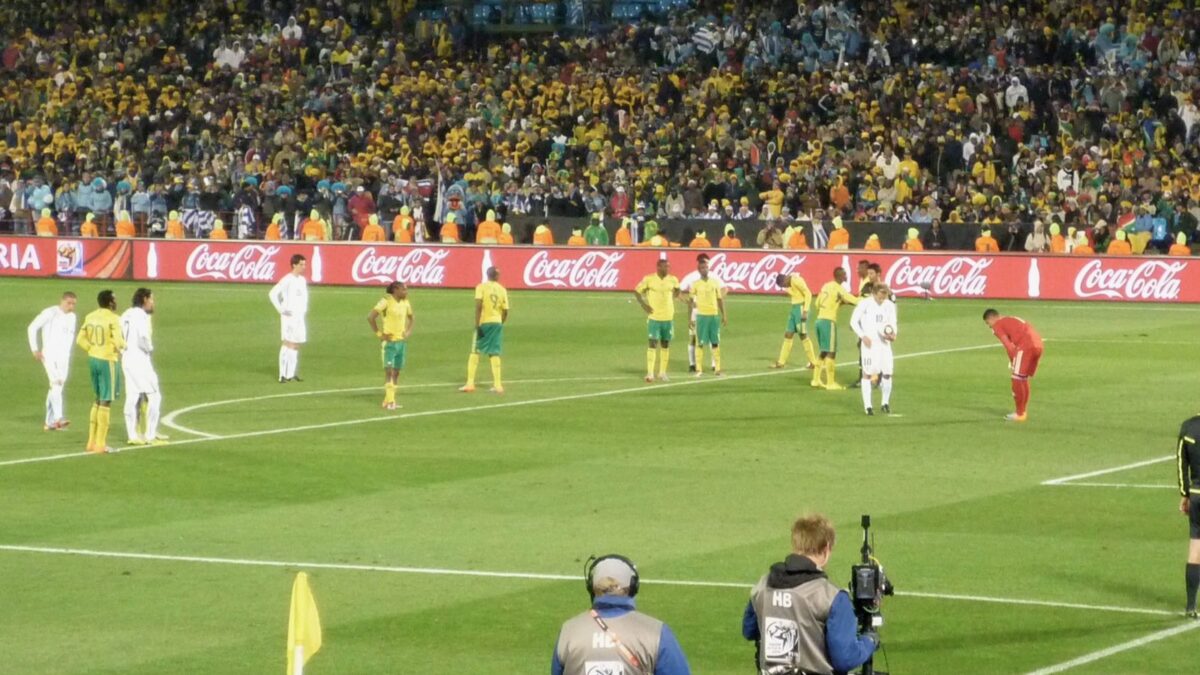
Gayton McKenzie has been called on to answer for the South African Football Association’s (SAFA) errors in the run-up to the Fifa World Cup.
Bafana Bafana is currently in the Fifa World Cup for the first time since South Africa hosted the event in 2010, and has reached the playoff stage.
However, the road to this achievement was marked by errors and administrative failures on the part of SAFA. It began with a World Cup qualifying match against Lesotho, which South Africa initially won.
After the match, it was discovered that Bafana Bafana had fielded an ineligible player, Teboho Mokoena, who was serving a one-match ban.
This ban was imposed after the player accumulated two yellow cards in previous qualifying matches.
The error by SAFA in fielding an ineligible player meant that the match results were overturned to a three-nil loss to South Africa, who also received a three-point penalty.
These penalties were costly for South Africa, which now had to win another game to qualify for the World Cup, when qualification had previously seemed certain.
Luckily, SAFA’s team selection did not cost South Africa a spot in the World Cup, as Bafana Bafana went on to win their next match.
This was not SAFA’s last mistake, as visa troubles nearly meant that key members of South Africa’s World Cup team would not be able to attend the competition.
This included the team’s medical staff and the assistant coach, who were initially denied entry into the United States, where the World Cup is being held.
It was discovered that roughly 20 of Bafana Bafana’s support staff did not have visas to enter the U.S. due to administrative delays from SAFA.
The delays meant that many members of the country’s World Cup team were grounded at O.R. Tambo International Airport until their visas were approved.
While both issues were resolved, they nearly spelt disaster for South Africa’s World Cup campaign.
Gayton McKenzie faces the music
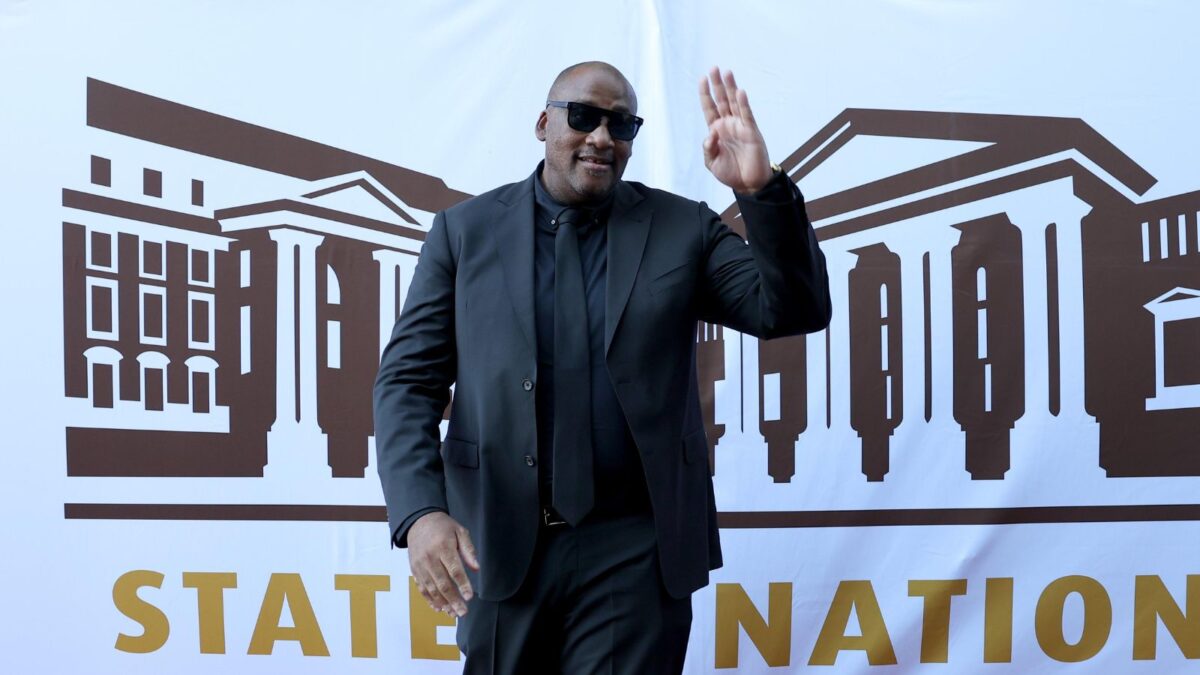
South Africa’s Minister of Sports, Arts, and Culture, Gayton McKenzie, was recently questioned about SAFA’s errors.
These questions included whether SAFA members would face disciplinary action for fielding an ineligible player or failing to secure visas.
McKenzie responded that his department does not control SAFA’s disciplinary procedures and that SAFA itself is investigating the matter.
His department had made it clear that this is an urgent matter which SAFA has to investigate as soon as possible.
The continuous errors also called SAFA’s administrative abilities into question, with McKenzie saying he does not believe SAFA’s administrative systems are adequate.
He said the mistakes made by the organisation point to systemic weaknesses which need to be addressed.
“Repeated administrative failures of this nature are inconsistent with the standards expected of a national federation receiving public support,” he said.
SAFA is no stranger to public controversies, with the errors leading up to the World Cup only the latest instalment in the organisation’s challenges.
In 2024, former SAFA president Danny Jordaan was arrested and charged with fraud related to the misuse of SAFA funds.
These charges alleged that Jordaan and his associates had mishandled R1.3 million of the organisation’s funds for personal use.
The organisation also has a tumultuous history of internal politics, including the attempted suspension of two of SAFA’s vice presidents.
These vice presidents, Ria Ledwaba and Gay Mokoena, were targeted for their criticisms against the then SAFA president, Danny Jordaan. Ledwaba was later removed from the organisation without a formal hearing.
In 2023, independent reviews also found that SAFA was technically insolvent, a result of years of financial mismanagement and poor oversight by its leadership.




 Loading ...
One word for Gayton. Useless