
South Africa’s new electricity crisis



While South Africa is nearing 300 days since its last bout of loadshdedding, many still go hours without electricity due to a new, and more complicated crisis: load reduction.
Eskom has emphasised many times that load reduction is not the same thing as loadshedding. What differs is the cause behind the power outages, though the result is the same: widespread power outages.
Loadshedding is used when there is insufficient capacity to meet demand, as a last resort to prevent a national blackout and grid collapse, Eskom explains.
Load reduction occurs when electricity demand exceeds what ageing and insufficient distribution equipment can handle. Cutting power to specific areas protects this equipment from further damage.
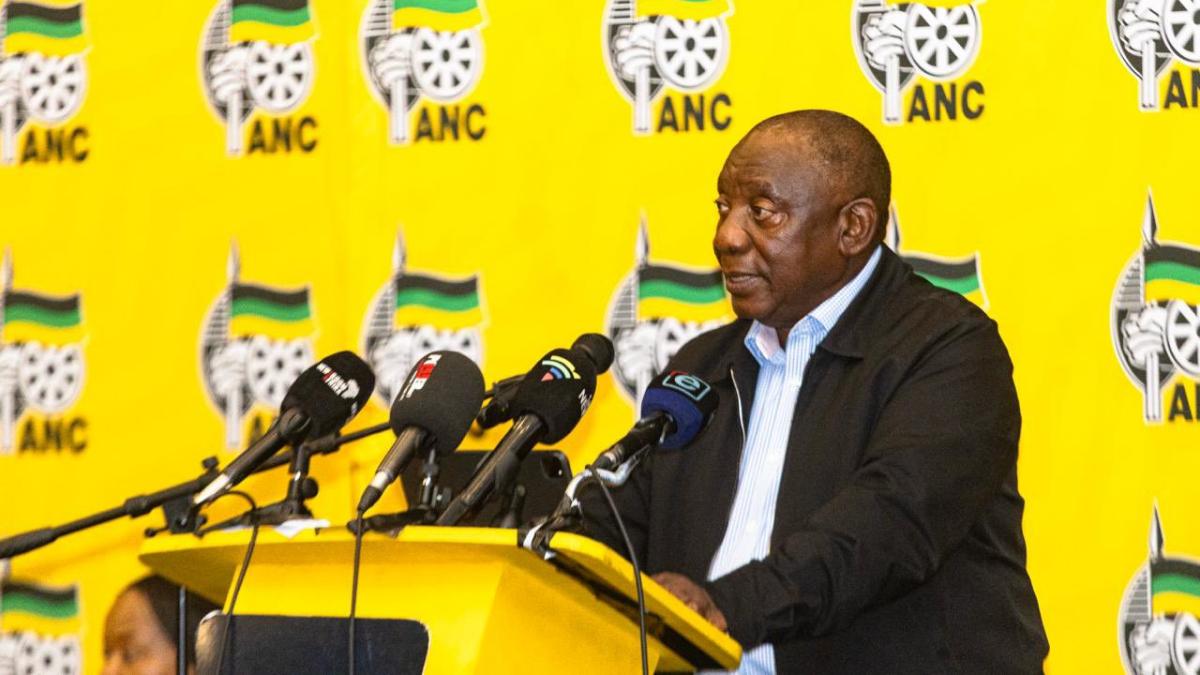
When President Cyril Ramaphosa delivered the State of the Nation Address on February 12, he said that the electricity crisis has been solved and load reduction will be eradicated by 2027.
“We will work in each province to address transformer overloading, illegal connections and equipment failure with the objective of eradicating load reduction by next year,” he said.
Large-scale population growth and migration have placed increased pressure on South Africa’s electricity grid.
As demand has increased, the country’s grid has not been expanded or upgraded to handle the demand, leaving ailing infrastructure buckling under the pressure.
“If there is something that keeps me awake at night, it is load reduction and the impact it is having on South Africans,” Ramokgopa told Newzroom Afrika in 2025.
“Load reduction primarily happens in peri-urban areas, informal settlements, and less affluent areas. It gives the impression that load reduction is a punishment for the poor.”
This is because informal settlements pop up in South African cities and rural areas, creating a sudden demand that has not been planned for.
Ramokgopa explained that it is a complex issue, with distribution infrastructure being managed by both Eskom and municipalities.
Due to provision obligations in South Africa’s constitution, municipal governments play a key role in the electricity sector, distributing around 40% of all electricity.
Eskom’s load reduction plan behind schedule

In Eskom’s latest update, the utility announced progress in combating the issue. It said that illegal connections and meter tampering are to blame for load reduction, which Eskom is still forced to implement in high-risk areas.
However, Eskom corroborated the President’s goal of eradicating the problem by 2027, saying that the utility has launched a phased programme to end load reduction.
“The programme targets 971 feeders and will benefit approximately 1.69 million customers across all provinces, out of Eskom’s total customer base of 7.2 million,” Eskom said.
The programme includes rolling out smart meters, the integration of distributed energy resources and the expansion of free basic electricity support.
Eskom has rolled out 319,811 smart meters, of which about 35% have been deployed on load reduction feeders.
To reach the target that will assist the utility in ending load reduction, Eskom would need to install 577,347 smart meters by March 2026. Eskom has only achieved 19.58% of its total target.
Eskom has further removed 119 feeders. This represents about 44% of the overall target of 271 by March 2026.
While progress appears behind schedule, 151,429 customers are no longer experiencing load reduction, but this is still less than 30% of Eskom’s target for March 2026. It will need to get 425,918 more households out of load reduction this month.
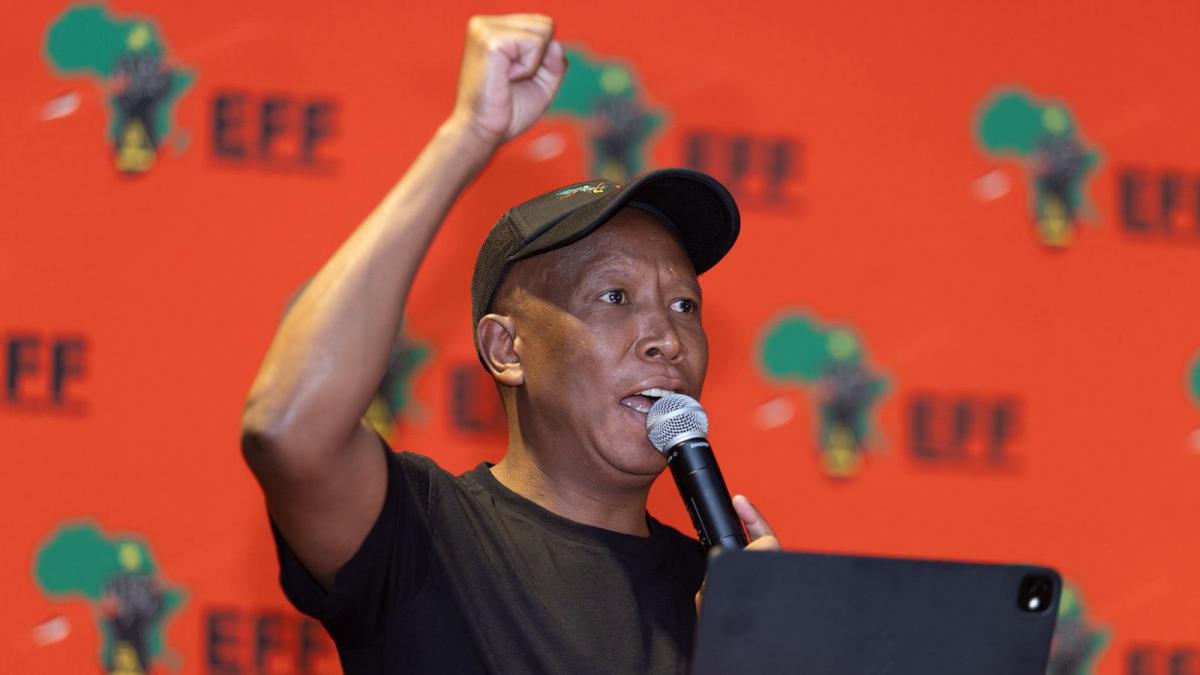
Leader of the Economic Freedom Fighters, Julius Malema, responded to the President’s SONA speech and the declaration that the electricity crisis is over because loadshedding has ended.
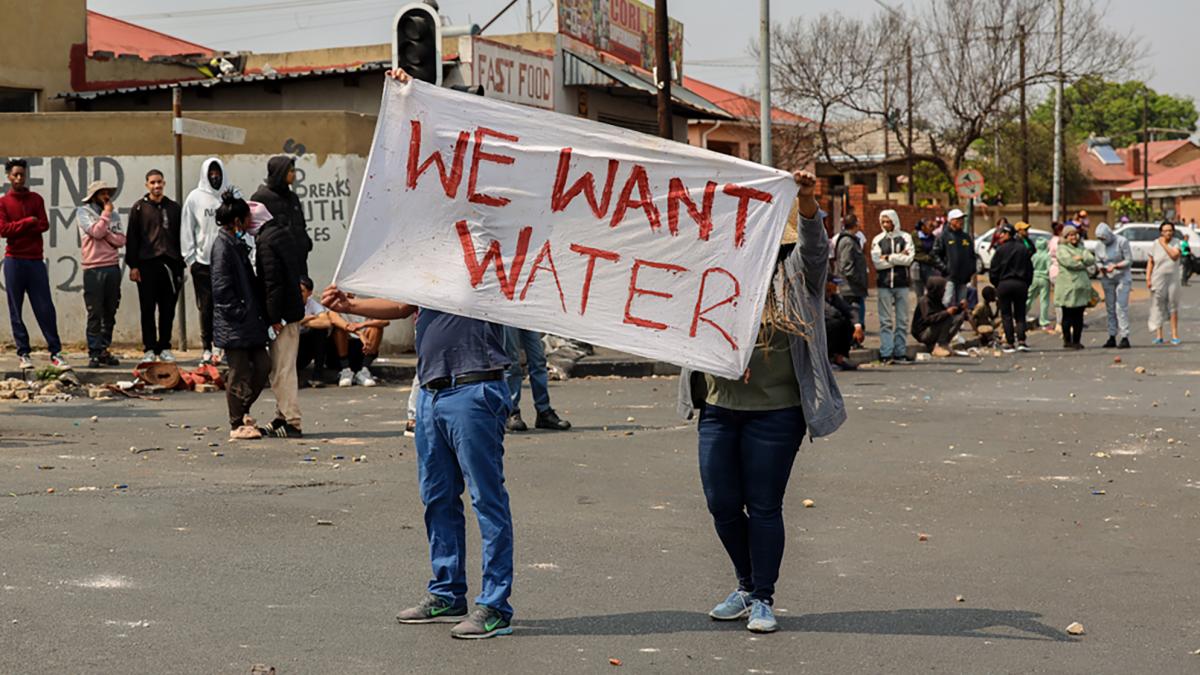
“Mr President, the electricity crisis in South Africa is far from over. The mistake you are making in declaring an end to the electricity crisis is the same mistake you have made with the water crisis for decades,” he said.
“Now that the people of Sandton no longer experience electricity outages, you no longer view it as a crisis.”














 Loading ...
We get frequent outages here in Centurion, for hours at a time. Not load shedding, not load reduction, what can we call it as it’s never explained?