
DA doubles down on push to make BEE exceptions for Elon Musk


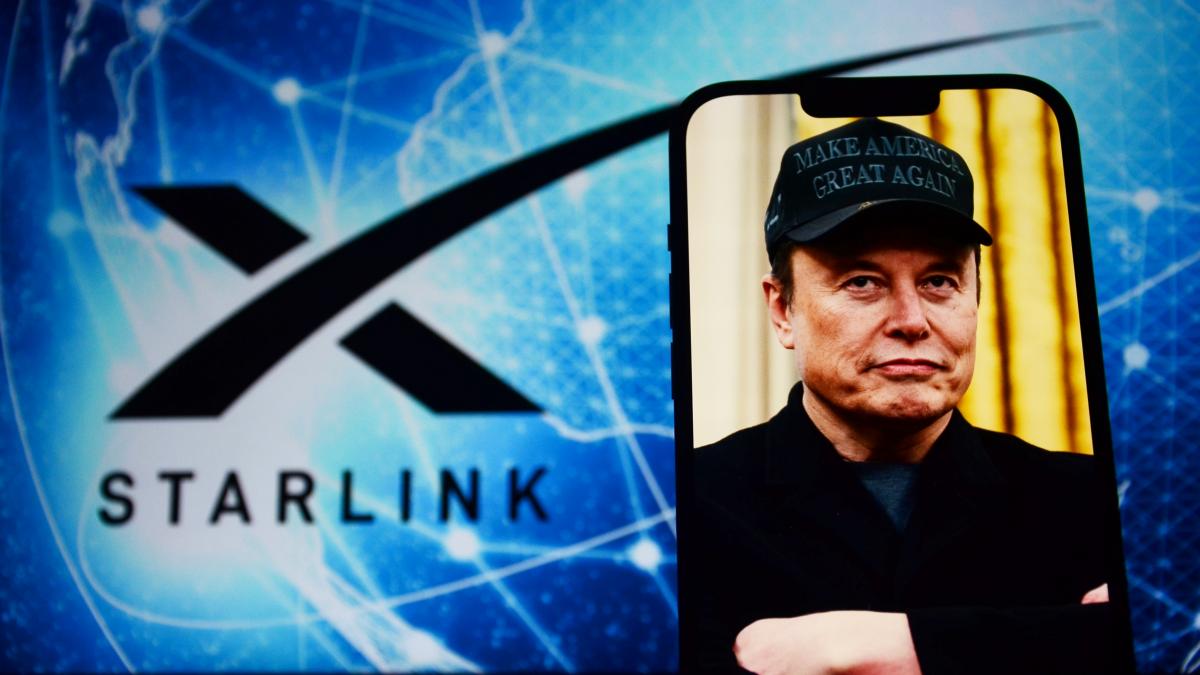
Democratic Alliance (DA) MP and Spokesperson Karabo Khakhau has renewed the party’s push to make Broad-Based Black Economic Empowerment (BEE) exceptions for Elon Musk to get Starlink into South Africa.
Speaking to Clement Manyathela in an interview on Talk702, Khakhau was speaking on the party’s expectations for the upcoming State of the Nation Address (SONA).
She said she expects Ramaphosa to speak on BEE, a contentious issue within the Government of National Unity (GNU).
The DA has proposed scrapping BEE, through its Economic Inclusion for All Bill, introduced in October 2025.
This private member’s bill aims to fundamentally reform South Africa’s transformation policies by repealing race-based elements in public procurement and broader empowerment legislation.
The DA argues that BEE, enacted in the early 2000s to redress apartheid-era inequalities, has failed in its core mission.
Following this, in December 2025, the DA’s Minister of Communication and Digital Technologies, Solly Malatsi, said that he was working to get the Independent Communications Authority of South Africa (ICASA) to change its rules on BEE.
This would have allowed Musk to operate in South Africa without following BEE ownership requirements.
He gazetted a notice on 12 December to create alternative compliance mechanisms for the 30% Historically Disadvantaged Groups ownership requirement, equity equivalent investment programmes (EEIPs).
“This is not about bypassing transformation,” he said in response to a parliamentary question on the matter in November 2025.
“EEIPs still require multinational companies to invest the full equivalent value of 30 percent black ownership into approved programmes that grow black-owned businesses, develop critical digital skills and strengthen local industries.”
“They are substantial, targeted investments — not shortcuts,” he said. However, the minister drew heavy backlash from its biggest GNU partner, the African National Congress (ANC).
The ANC argued that the minister does not have the authority to bypass the country’s transformation framework, and said it was part of a wider trend of the DA trying to bypass parliament.
Don’t share ownership, build a clinic or a school – DA
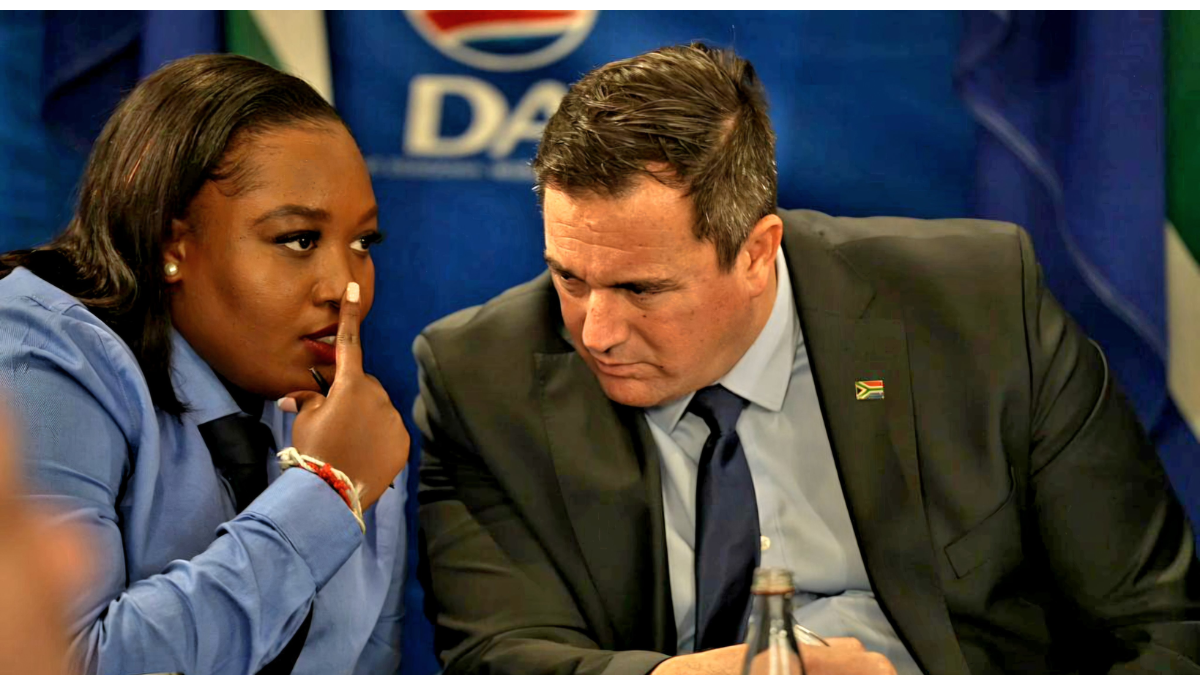
Now, ahead of SONA, the DA is hoping that its lobbying for change in BEE regulations has made enough of an impact to be addressed by the president as a priority for 2026.
Khakhau said the president needs to answer to “how do we strengthen empowerment without sacrificing investment?”
“For example, if Elon Musk says he wants to come to South Africa, but he does not want to share ownership,” she said.
“Okay, you don’t want to share ownership or your shares. Then build a school, build a clinic, help us fix our water and sanitation infrastructure,” she said.
“That is equity equivalence.” In this way, she said, the country would see a balanced approach to how empowerment is measured against the need for development.
However, she said that the DA is not supportive of allowing Musk and Starlink to operate in South Africa without at least completing these equity equivalence projects.
“Nobody comes into your house and tells you what to do. When you come to South Africa, you obey South Africa’s rules,” she said.
She says that South Africa has the responsibility to consider how it should invite investment without compromise.
“The country is also responsible for seeing how we benefit, how do we invite you into our home without compromising us, but also ensure that you, as a guest, can benefit,” she said.
Elon Musk has repeatedly said on his social media platform X that Starlink is not allowed to operate in South Africa because he is not black.
South Africa’s BEE laws require that 30% of ownership of telecoms licensees is either black, women or people with disabilities.
Starlink has been calling for the Department of Communications and Digital Technologies to recognise EEIPs to no avail.
Khakhau added that the DA stands firm on the belief that the need to improve and maximise on digital access is not up for debate.
“South Africa is way behind the fourth industrial revolution. We have kids that get to university and for the first time they get to see digital anything. So that must be fixed.”








 Loading ...