
South African political parties’ expectations ahead of SONA 2026



President Cyril Ramaphosa is expected to deliver his eighth State of the Nation Address (SoNA) on February 12, 2026, in a joint sitting of Parliament’s two houses — the National Assembly and the National Council of Provinces.
The annual address, one of the most closely watched moments on South Africa’s political calendar, is traditionally used by the President to reflect on government’s performance, outline key challenges, and set out a programme of action for the year ahead.
This will also be Ramaphosa’s second SoNA since the formation of the ten-party Government of National Unity (GNU), which includes the ANC, DA, IFP, PA, VF+, UDM, Al Jama-ah, RISE Mzansi, PAC and GOOD.
Expectations ahead of the speech are divided, with some parties pointing to signs of progress, while others accuse government of recycling promises with little delivery.
Newsday compiled the views of several political parties ahead of the address to gauge their hopes — and concerns — for the year ahead.
African National Congress (ANC) – GNU
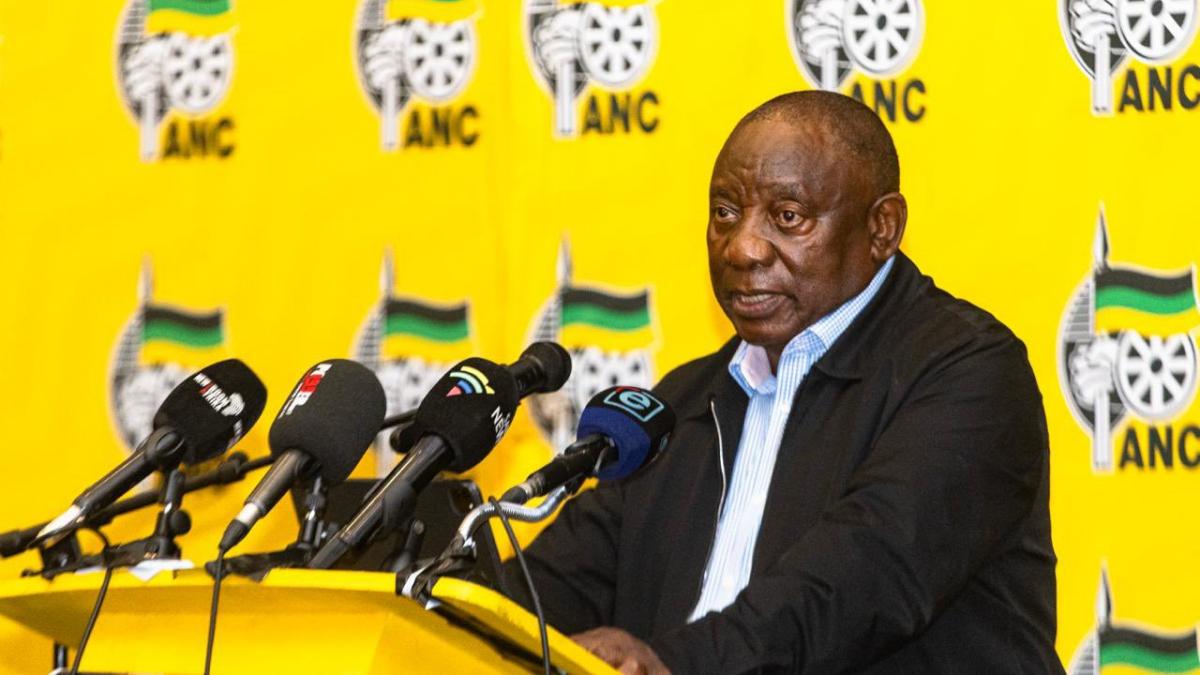
The ANC has called on citizens to unite in a “national effort” to drive recovery, renewal, and inclusive growth.
Speaking to Newsday, ANC Chief Whip Mdumiseni Ntuli said that “the nation is confronted by higher levels of crime, unemployment and an economy that is now growing at a decent rate to overcome these challenges.”
“We expect the President to outline plans to reduce unemployment, grow the economy and fight crime and corruption.”
He said that there have been achievements since last year’s SONA, including stabilised Eskom operations, profitable South African Airways, rail infrastructure revitalisation, removal from the FATF grey list, and stronger social support through SASSA and NSFAS reforms.
Tourism has rebounded, the rand has strengthened, and inflation remains low, offering cautious economic optimism.
They said that key government priorities include industrialisation under the 10-Point Economic Action Plan, land reform via the Expropriation Act, tackling corruption through the Madlanga Commission, addressing Gender-Based Violence and Femicide, and rolling out lenacapavir for HIV prevention.
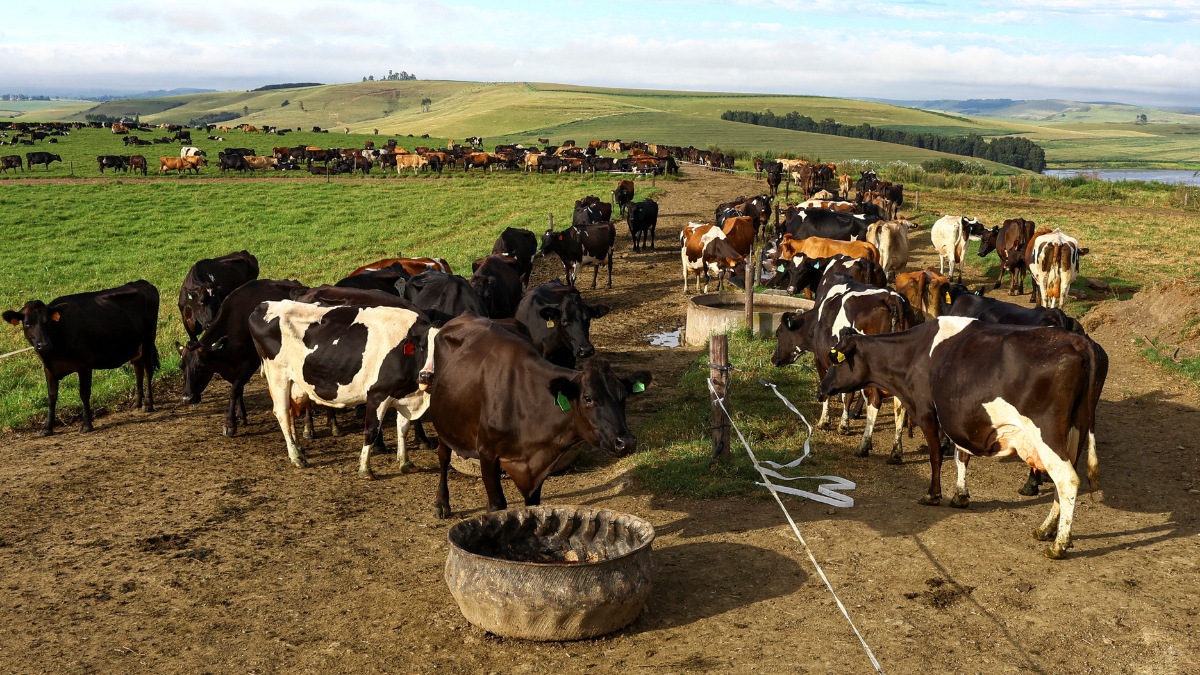
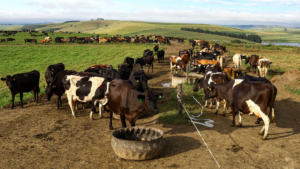
The ANC also noted the national water crisis, collapsing local government, foot-and-mouth disease in agriculture, unemployment, poverty, crime, and porous borders.
Democratic Alliance (DA) – GNU

The DA, with 87 seats in the National Assembly and the country’s second-largest party, has cautious optimism for the SoNA.
DA spokesperson Karabo Khakhau said the party expects President Cyril Ramaphosa to address corruption, failing municipalities, and service delivery in his State of the Nation Address.
Khakhau highlighted that many municipalities struggle to deliver water, manage salaries, and maintain basic infrastructure.
The DA called for opening ports and rail to private operators, scrapping BEE laws that deter investment, keeping electricity reform on track without restoring Eskom’s monopoly, and holding officials accountable for wasteful or corrupt spending.
They called for ending cadre deployment, hiring for skill rather than party loyalty, empowering capable provincial and local governments to fight crime, using utility payments to repair infrastructure, and avoiding NHI.
The DA also hailed “progress under its portfolios,” noting infrastructure investments, early childhood development funding, and technological upgrades in Home Affairs.
Umkhonto we Sizwe (MK) Party – Official opposition
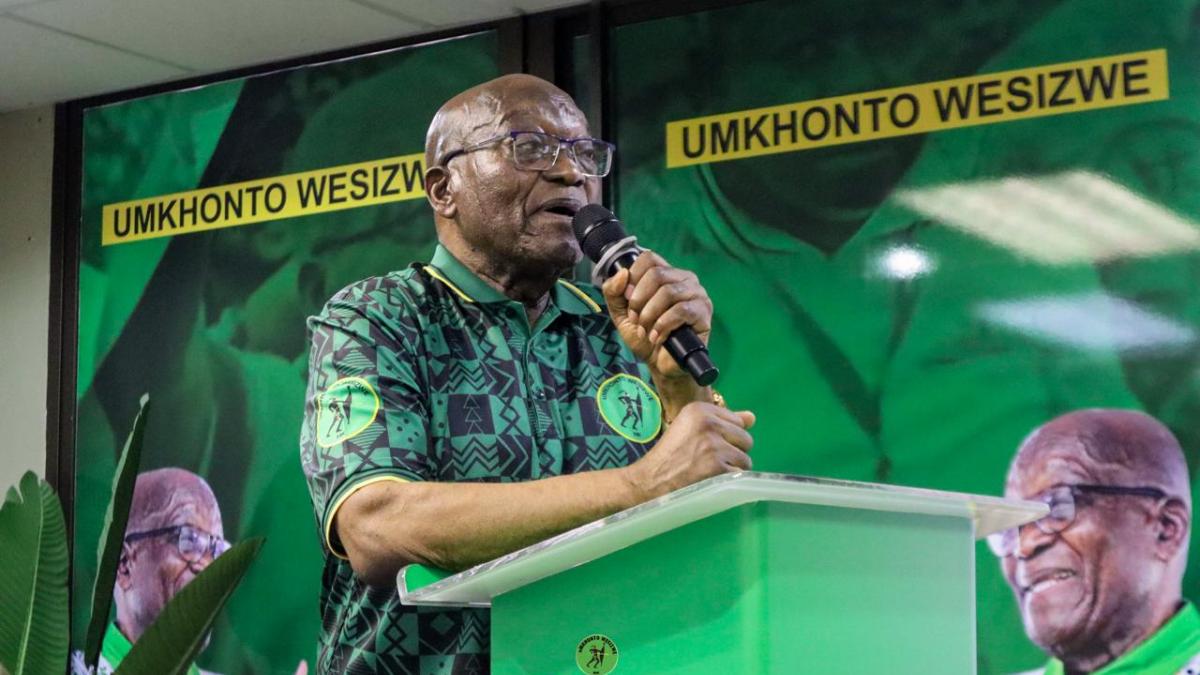
The MK Party has expressed deep scepticism ahead of Ramaphosa’s State of the Nation Address, describing it as a “performative political exercise” rather than a tool for accountability or meaningful policy planning.
Party representatives, including interim parliamentary leader Des van Rooyen and Mmabatho Mokoena-Zondi, said they are “not holding their breath” for anything different from previous addresses.
They criticised the GNU as lacking credibility and a real plan to tackle poverty, economic challenges, or failing service delivery.
The MK Party demanded “evidence of actual delivery and practical changes” rather than more promises or rhetoric, warning that SONA “fails to reflect ground realities or hold the government accountable.”
The MK Party Youth League echoed this critical stance in a media statement, reinforcing the view that the address is unlikely to bring tangible improvements for ordinary South Africans.
Economic Freedom Fighters (EFF) – Opposition
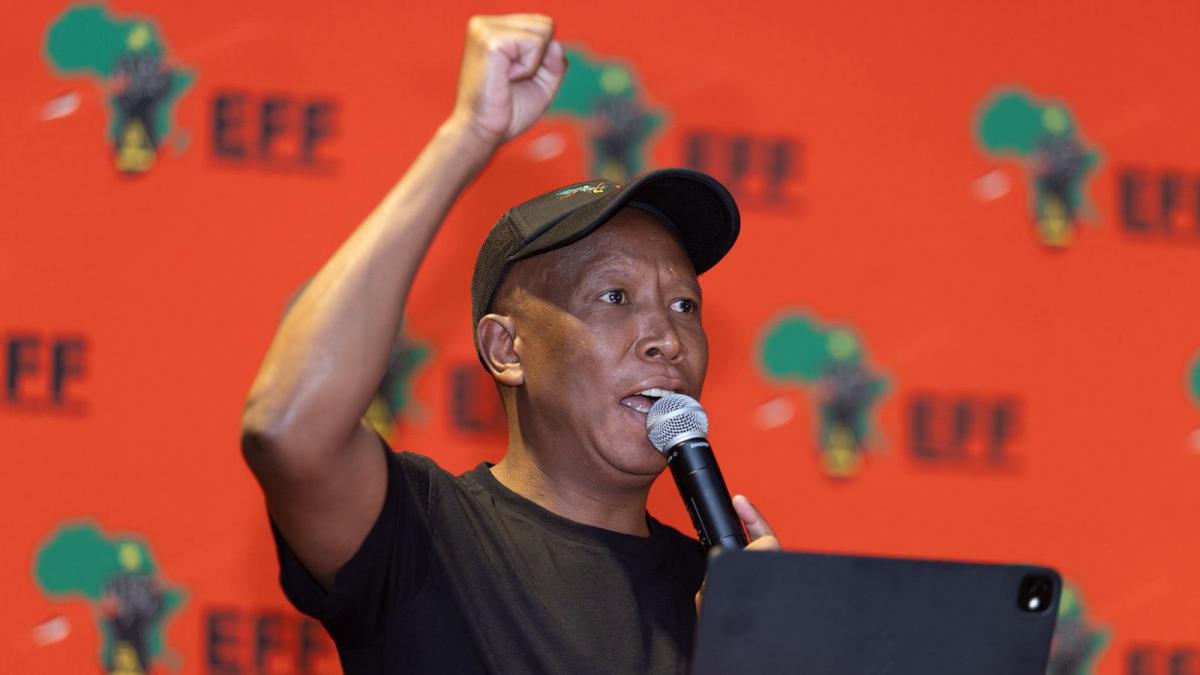
The Economic Freedom Fighters (EFF), which holds 39 seats in the National Assembly, says it is not expecting anything new from President Cyril Ramaphosa’s State of the Nation Address.
Speaking to the SABC, EFF spokesperson Sinawo Thambo said the party expects the President to “update the nation on all the commitments he made in his previous address,” accusing him of treating SONA “as if it is the start of a new term.”
Thambo criticised Ramaphosa for failing to follow through on earlier promises, asking:
“Where are the smart cities? Where are the bullet trains? Where is the massive infrastructure development that he has been promising year after year since 2018?”
He also questioned government’s plan to tackle unemployment and revive industry, warning that joblessness has become so normalised that many South Africans no longer believe they will find work.
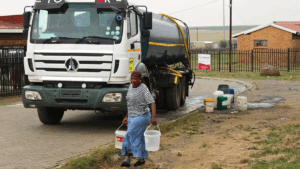
“People don’t have water. We need basic service delivery commitments,” Thambo said.
Inkatha Freedom Party (IFP) – GNU

The IFP has urged Ramaphosa to deliver a “comprehensive and action-oriented” SoNA, with clear plans to improve governance, service delivery and inclusive economic growth.
The party acknowledged “modest improvements” in the economy, progress in stabilising energy supply, South Africa’s removal from the grey list, and upgrades to key road corridors and rural bridges.
It also welcomed the accelerated review of the 1998 White Paper on Local Government.
However, the IFP said major gaps remain in rural safety, youth unemployment, water security, infrastructure development, crime and gender-based violence.
It called for stronger border management, measures to ease the cost of living, support for small businesses and rural industrialisation, and increased investment in agriculture.
The party stressed that rural water scarcity must be prioritised through expanded infrastructure and drought mitigation, and called for improved rural education and healthcare.
The IFP said SONA must include “firm timelines and measurable targets”, adding it will remain a “constructive and principled” GNU partner while maintaining its distinct identity ahead of local elections.
Patriotic Alliance (PA) – GNU

The PA has expressed cautious optimism ahead of the State of the Nation Address, focusing on practical delivery rather than outright criticism.
PA representatives, including MP Jasmine Petersen, said they expect the GNU to gradually fulfil its promises with “clear guidelines, timelines, and accountability.”
The party emphasised that job creation, economic inclusion, safer communities, and equitable development must be prioritised in the address.
Party voices, such as Ashley Sauls in SABC coverage, framed the country as moving from “despair” to “repair,” under the GNU.
Freedom Front Plus (VF +) – GNU

The FF + stressed that the country’s interests must come before party politics.
Party leader Dr. Corné Mulder said it is “crucial” that SONA focuses on South Africans’ needs, including creating an environment for strong economic growth and job opportunities for the unemployed.
He urged the President to “take a stand and demonstrate that he has the courage to make the right decisions, even if they are not aligned with his own party’s outdated ideological ties.”
The FF Plus also called for urgent government action on the foot-and-mouth disease crisis, warning that the “damage already caused by the epidemic is enormous” and decisive measures are needed.
Another priority is a complete overhaul of the South African Police Service to make it credible and corruption-free.
Mulder said that “when the police force is riddled with criminal elements, crime takes over – as is currently the case.”
The party criticised empty promises like smart cities and high-speed trains while public transport and municipalities continue to fail.
Mulder added that fundamental adjustments to Black Economic Empowerment (BEE) policy are needed “to give the people hope and put food on their table again.”
ActionSA – Opposition

ActionSA told Newsday that it expects “nothing but more empty promises” from Ramaphosa’s State of the Nation Address, saying the GNU has made “no meaningful progress” on last year’s commitments.
The party criticised government failures on water and unemployment, noting that “millions of South Africans must cope daily without reliable water supply” and nearly 12 million remain unemployed.
It also highlighted threats to farmers from the foot-and-mouth disease outbreak and ongoing uncertainty around National Health Insurance and the Transformation Fund.
ActionSA insisted that the President urgently address four priorities.
This includes “the national water crisis,” South Africa’s “devastating unemployment crisis,” the foot-and-mouth disease affecting farmers, and “ongoing corruption within government,” calling for “firm, visible action” to tackle state capture and restore public trust.
African Christian Democratic Party (ACDP) – Opposition
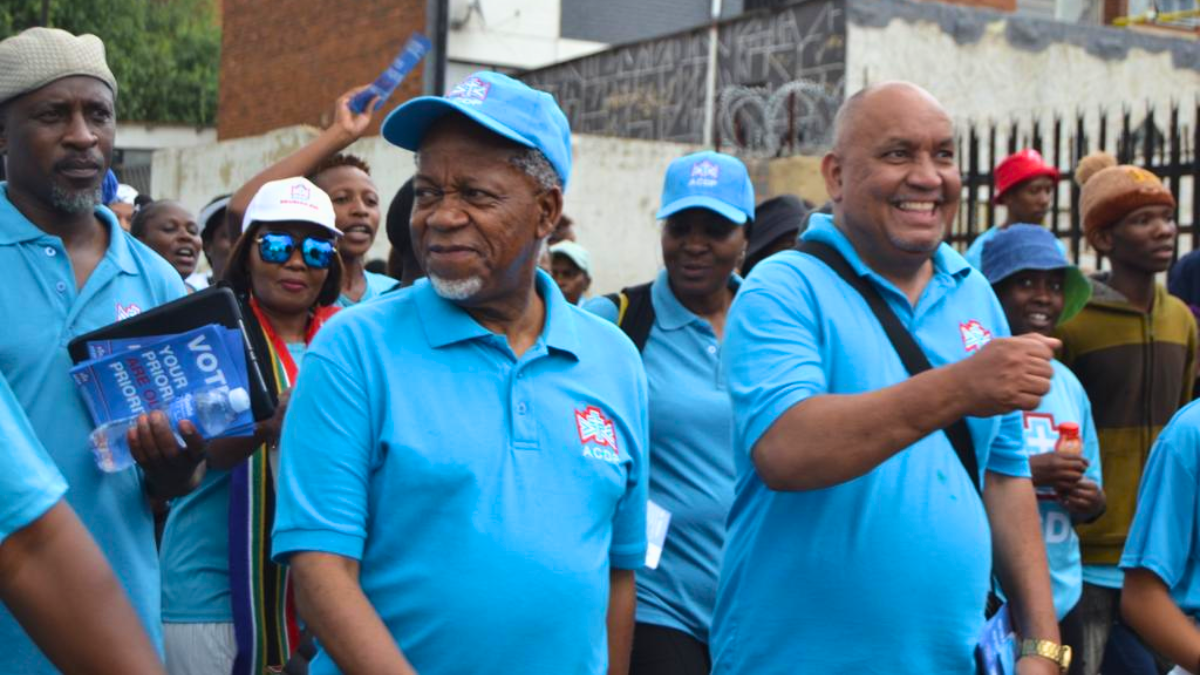
The ACDP called for a focus on jobs, skills development, and responsible governance.
Reverend Kenneth Meshoe told Newzroom Afrika that high unemployment must be central to the address, highlighting that “graduates, professionals, [and] medical doctors” are unable to work in public service because the government “cannot pay us.”
He emphasised that South Africans seeking jobs often end up “sleeping on the pavements,” and the President must address this crisis.
Mishu also called for reforms in healthcare and education, warning that South Africa’s approach to free services is unsustainable.
He argued that “government must correct their strategy and amend the constitution” to prioritise citizens over illegal immigrants, whose access to services strains resources.
On education and skills, he said South African children are not being prepared for the future, lacking practical skills and responsibility.
RISE Mzansi – GNU

RISE Mzansi stressed the need for tangible outcomes rather than technical or incremental progress.
National Assembly Whip Makashule Gana acknowledged some “green shoots” since SONA 2025, including modest economic growth, South Africa’s exit from the FATF grey list, an S&P Global credit rating upgrade, the end of rolling blackouts, and a return of tourism to pre-COVID levels.
Despite these gains, Gana highlighted persistent crises requiring urgent political intervention.
On safety, he said women and children remain “severely vulnerable to gender-based violence and femicide,” calling for radical reform of law enforcement.
Local government, he noted, is “collapsing” with municipalities in financial distress, while the water crisis continues, with up to 47% of potable water lost before reaching households.
Gana also criticised the slow turnaround at Transnet, warning that billions are being lost in the commodities sector, and stressed the need to address hunger, rising living costs, and food insecurity affecting millions of South Africans.
He added that climate change, manifesting in floods and droughts, is harming agriculture and livelihoods, requiring action “beyond agreements and platitudes.”
Build One South Africa (BOSA) – Opposition

BOSA leader Dr. Mmusi Maimane described the 2026 SONA as South Africa’s “Zero Hour,” calling for decisive action and a full system reset.
He highlighted collapsing services, rising costs, crime, and corruption, warning that “nearly 80 murders and over 130 rapes happen every day.”
Maimane demanded the removal of Senzo Mchunu and a permanent Police Minister “tough on crime, independent of political factionalism.”
On the economy, he noted 42.4% unemployment and 11.5 million jobless South Africans, urging a “clear plan to grow the economy at 4–5%” with infrastructure, labour, and investment reforms.
Education reform is also critical, with only 54.7% of learners completing matric and most unable to read for meaning by age ten. Citizens expect better outcomes, supported teachers, and more parental choice.
Maimane concluded that SONA must deliver leadership, a smaller, effective cabinet.
African Transformation Movement (ATM) – Opposition
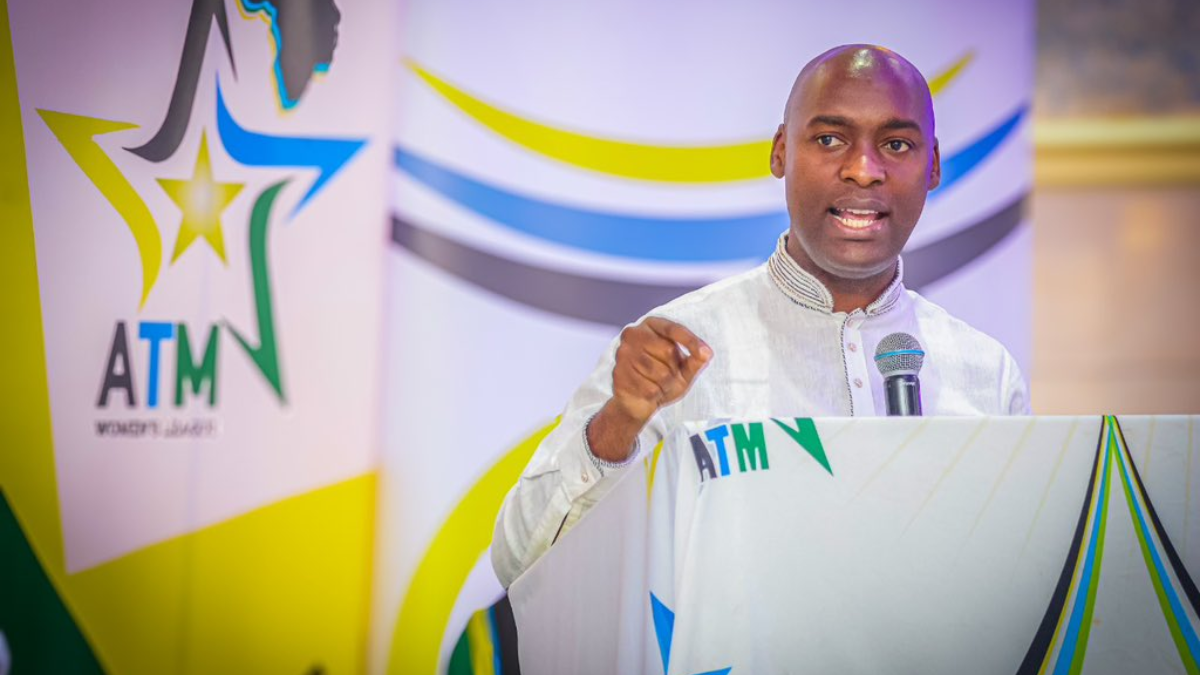
ATM leader Vuyo Zungula sharply criticised Ramaphosa ahead of the SONA, calling it “a fairy tale” that misrepresents the country’s reality.
Zungula said the President will “stand on a podium and sell you South Africa that does not exist,” pointing to corruption scandals with “no handcuffs, no criminal investigation—just the arrogance of the untouchable.”
He condemned the justice system, saying it has been “colonised by cartels” and highlighted the National Director of Public Prosecutions’ failure to protect witnesses.
Zungula also cited grim socio-economic statistics: “42% national unemployment” and “nearly 70 percent of our youth sit at home, their potential rotting, while the elite feast.”
Al Jama-ah – GNU

Al Jama-ah said that it expects the 2026 SONA to prioritise human rights, African solidarity, and constitutional compliance.
The party called on President Ramaphosa to reform immigration and refugee policy, rejecting punitive measures and ensuring protection “cannot be reduced to economic utility.”
They also demanded progress on recognising Muslim marriages, calling it “a matter of dignity, equality, and justice.”
Social safety priorities include deploying social workers to combat gender-based violence and strengthening law enforcement against gangs.
Al Jama-ah stressed that the SONA must reflect all GNU partners and reaffirm South Africa’s “constitutional values, African identity, and historic commitment to justice, dignity, and solidarity.”
Pan Africanist Congress of Azania (PAC) – GNU
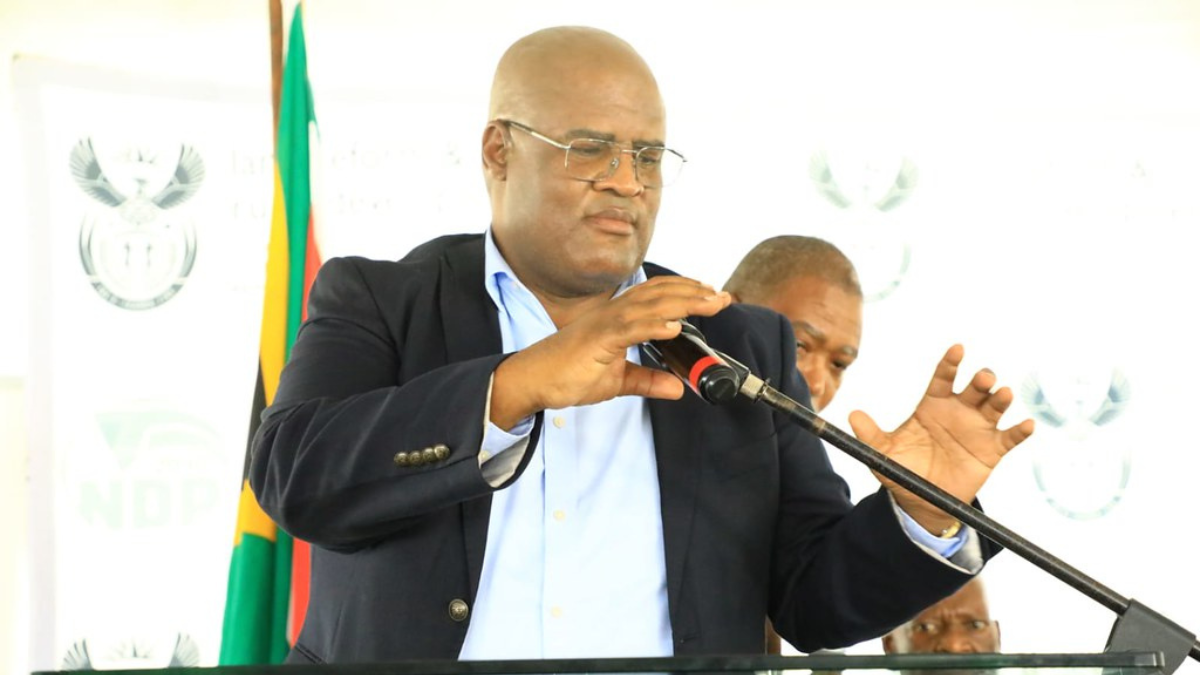
The PAC’s Mzwanele Nyhontso said that land reform and rural development must remain central to South Africa’s recovery.
Nyhontso stressed that “the key to real liberation is the land,” acknowledging delays caused by disputes among claimants, high land prices, and legal complexities.
He noted that old and new claims are being processed, with financial compensation provided where restitution isn’t possible.
He also highlighted the importance of rural development: creating jobs, producing food locally, and connecting villages to prevent mass urban migration.
GOOD – GNU
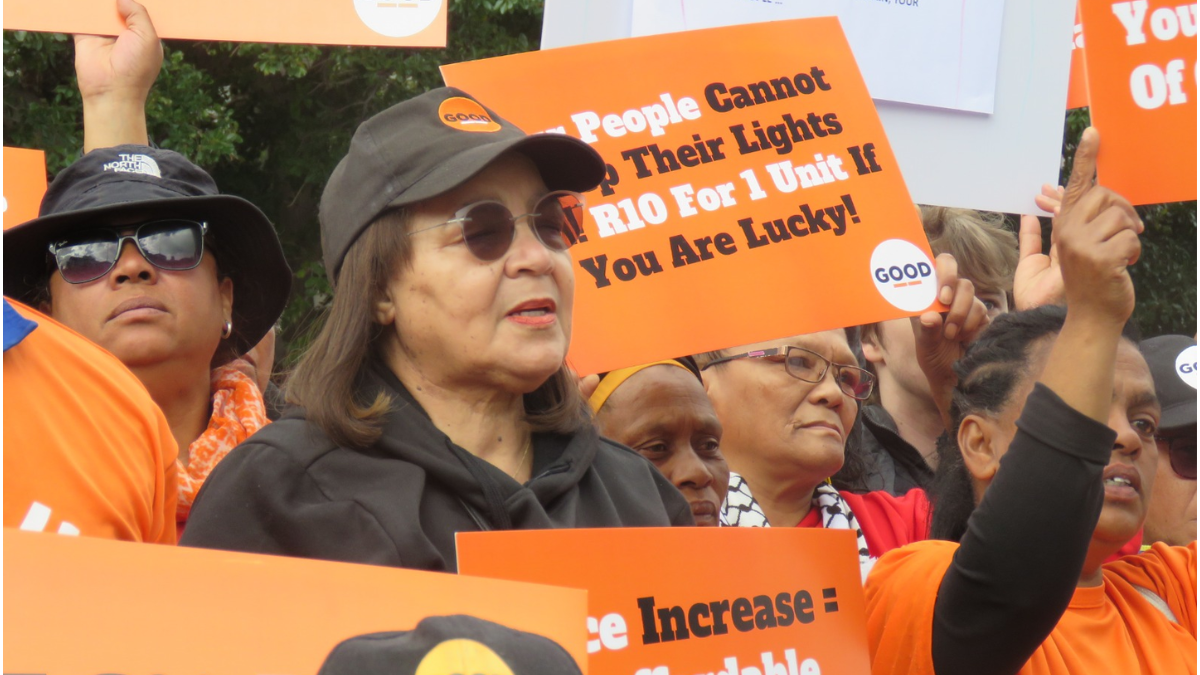
GOOD spokesperson Brett Herron highlighted two main areas ahead of SONA 2026: tourism-driven economic growth and urgent criminal justice reform.
On tourism, Herron said it is “an important part of our economic growth plan,” to expand international arrivals, create jobs, and boost youth employment.
He praised efforts to improve foreign access and direct flights, saying the minister has “performed exceptionally well” in developing the sector.
On corruption and the justice system, Herron stressed the need for concrete action. He pointed to unresolved cases like the Arms Deal, noting that “the prosecution around that case has not yet even started.”
He urged the President to establish expert panels to ensure the criminal justice system can prevent delays caused by well-funded accused persons.
Herron highlighted that commissions like Zondo and Madlanga have exposed systemic rot, but prosecutions remain limited, and he hopes SONA will address this urgently.
Newsday was unable to get views from the UDM (GNU), the NCC (opposition) and UAT (opposition) by time of publication. These will be added if received.







 Loading ...