
Multi-million-rand mayoral mansion in South Africa abandoned and left in tatters



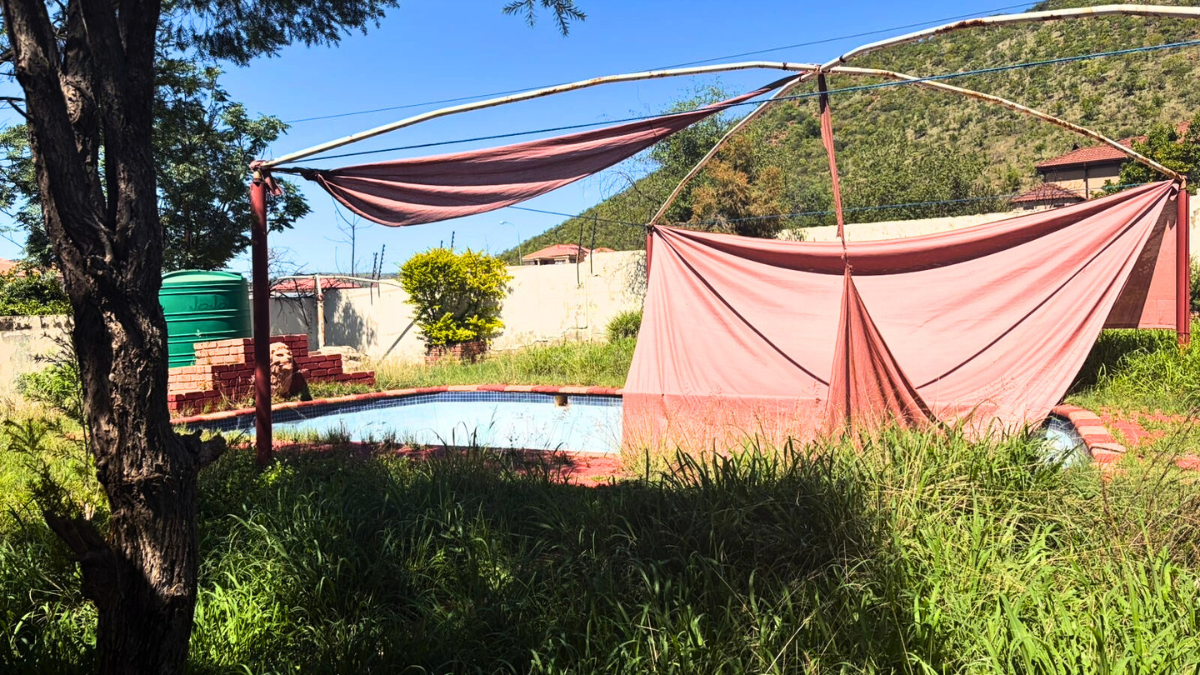
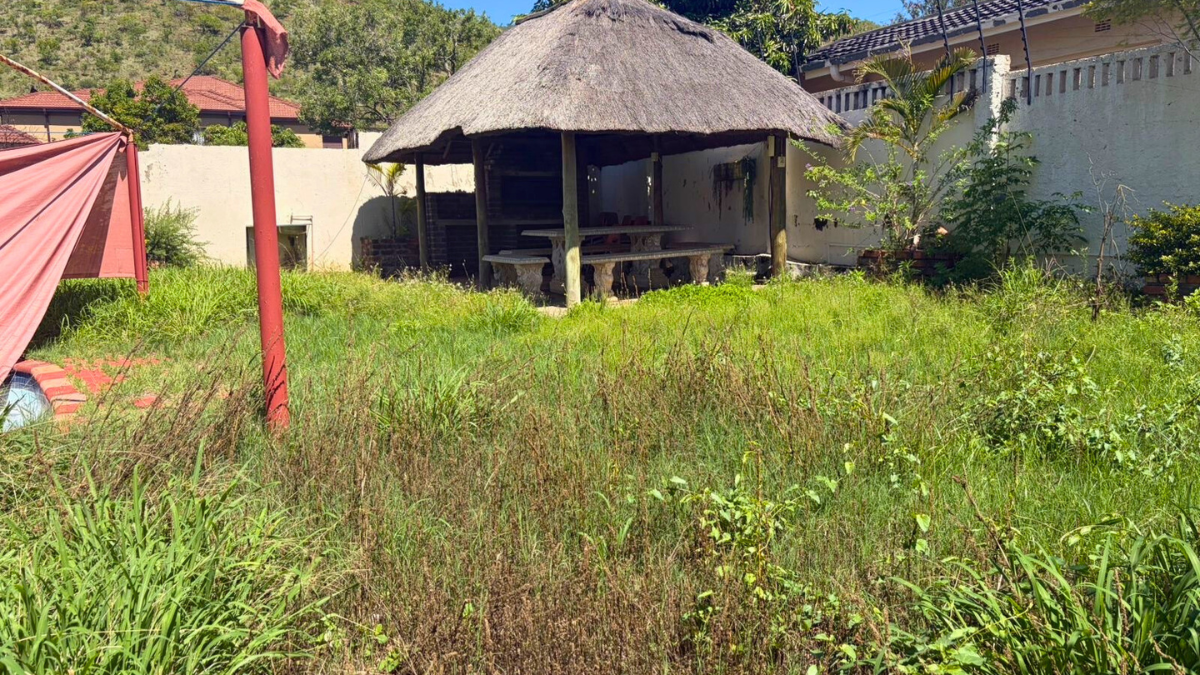
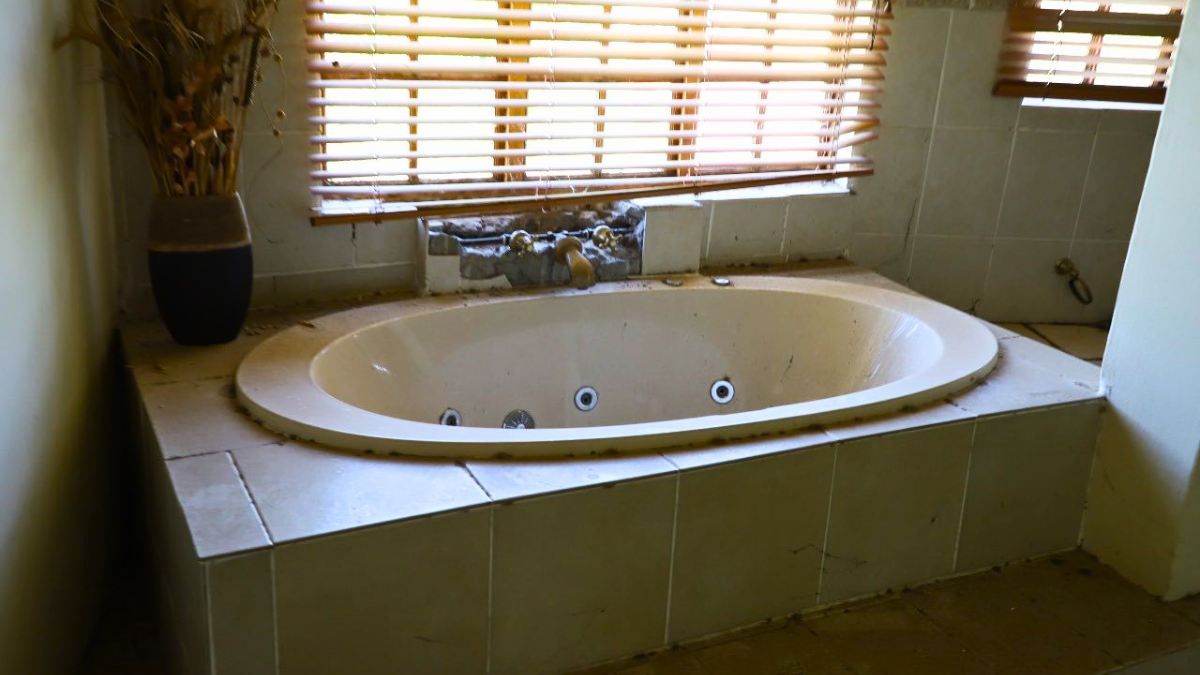
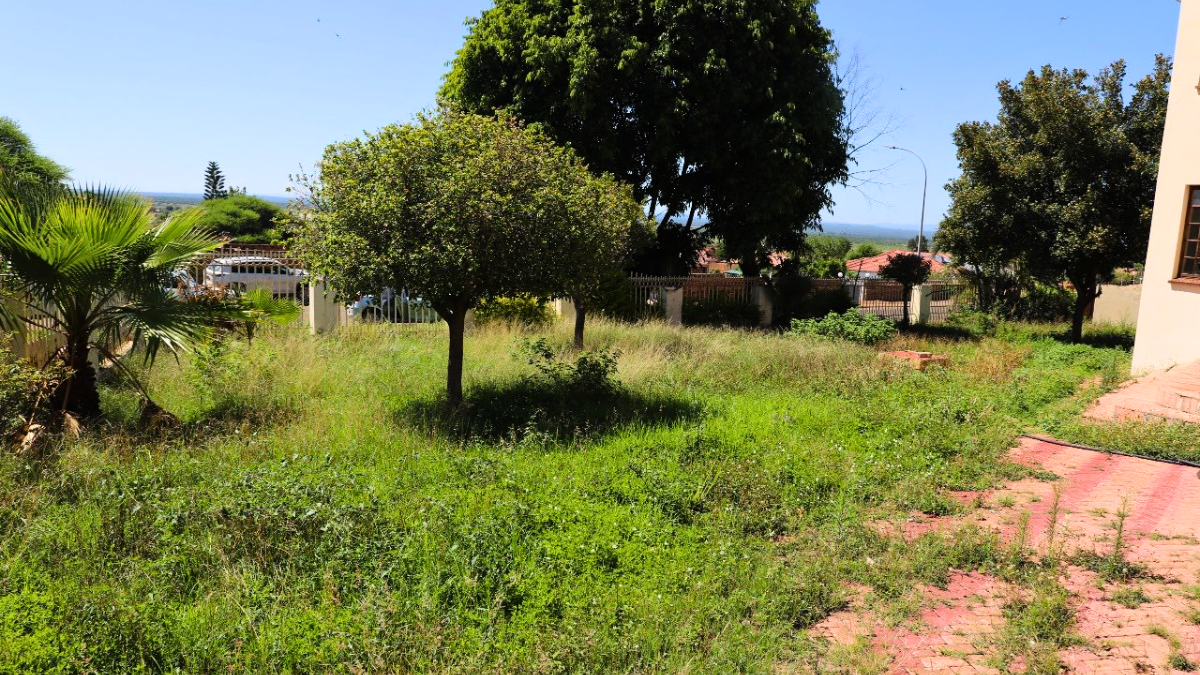
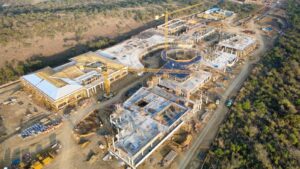
Nestled in the heart of the Moses Kotane Local Municipality (MKLM) in North West is a mansion that was purchased two decades ago for the mayor, surrounded by lush greenery and hills.
The issue is that no mayor has lived in it for over ten years, yet the cash-strapped municipality continues to spend a large amount of money on its maintenance, including security and electricity, among other expenses.
MKLM is home to around 265,000, with its economy driven largely by tourism and platinum-belt mining, but plagued by widespread poverty. Key attractions include Pilanesberg National Park and Sun City.
The municipality has long been an ANC stronghold, holding 46 out of the 69 seats in council.
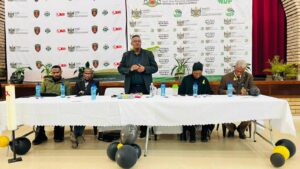
This week, North West’s permanent delegates to the National Council of Provinces (NCOP) conducted oversite across the municipality.
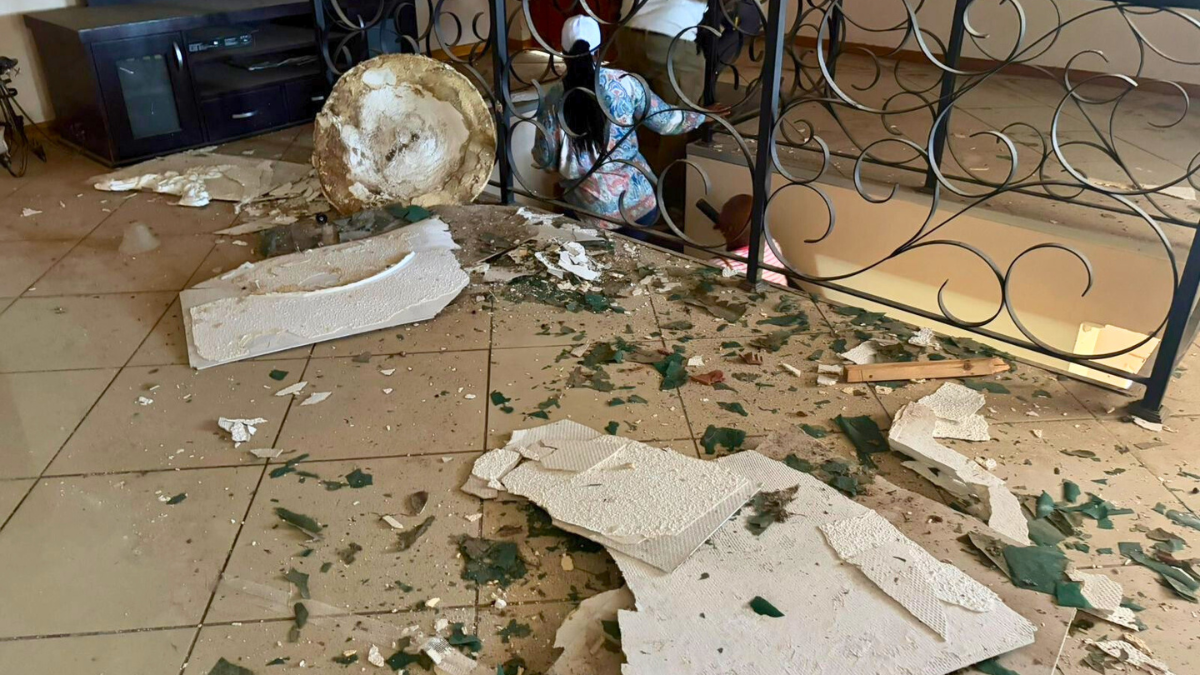
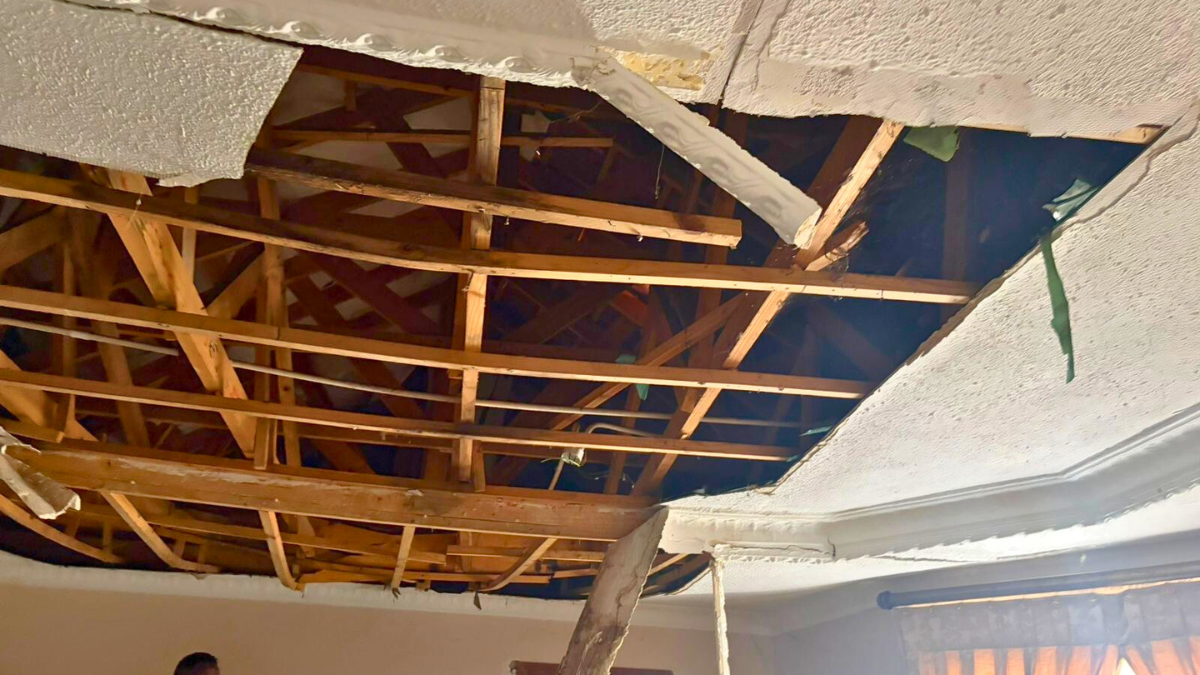
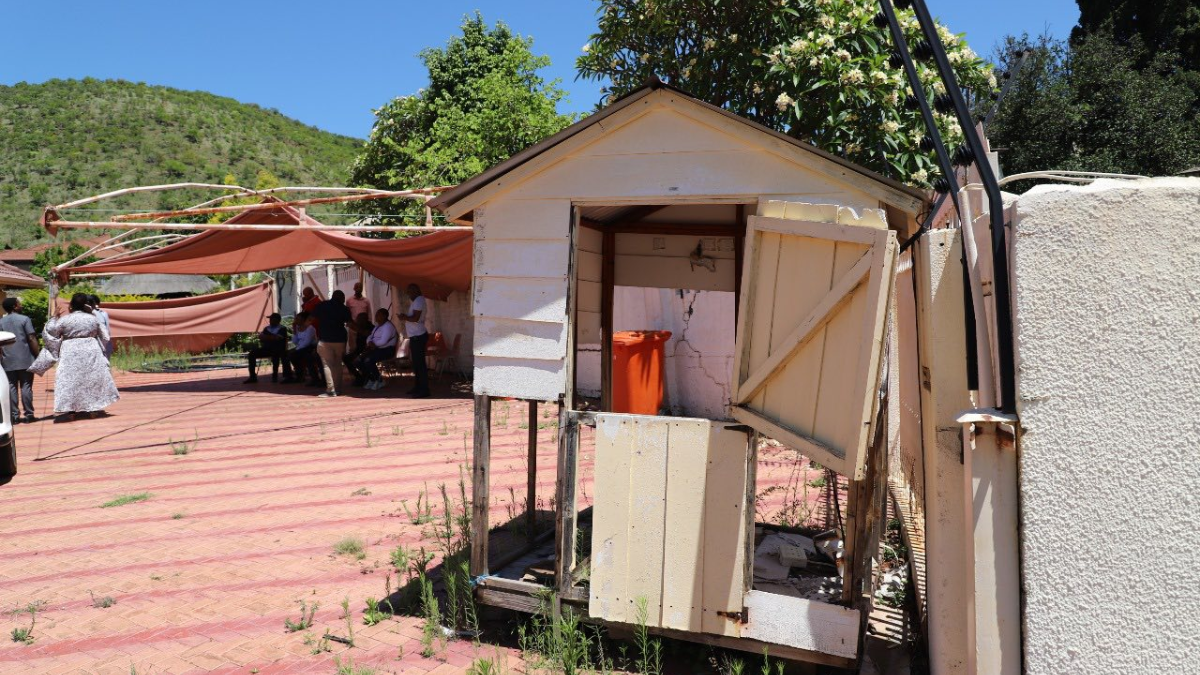
Led by the Provincial Whip Sylvia Sithole from the ANC, the delegation “expressed deep concern over the retention of an unoccupied and dilapidating Mayoral House.”
The Mayoral House was originally purchased for R4 million in around 2002, which is roughly R12.47 million in 2025 terms.
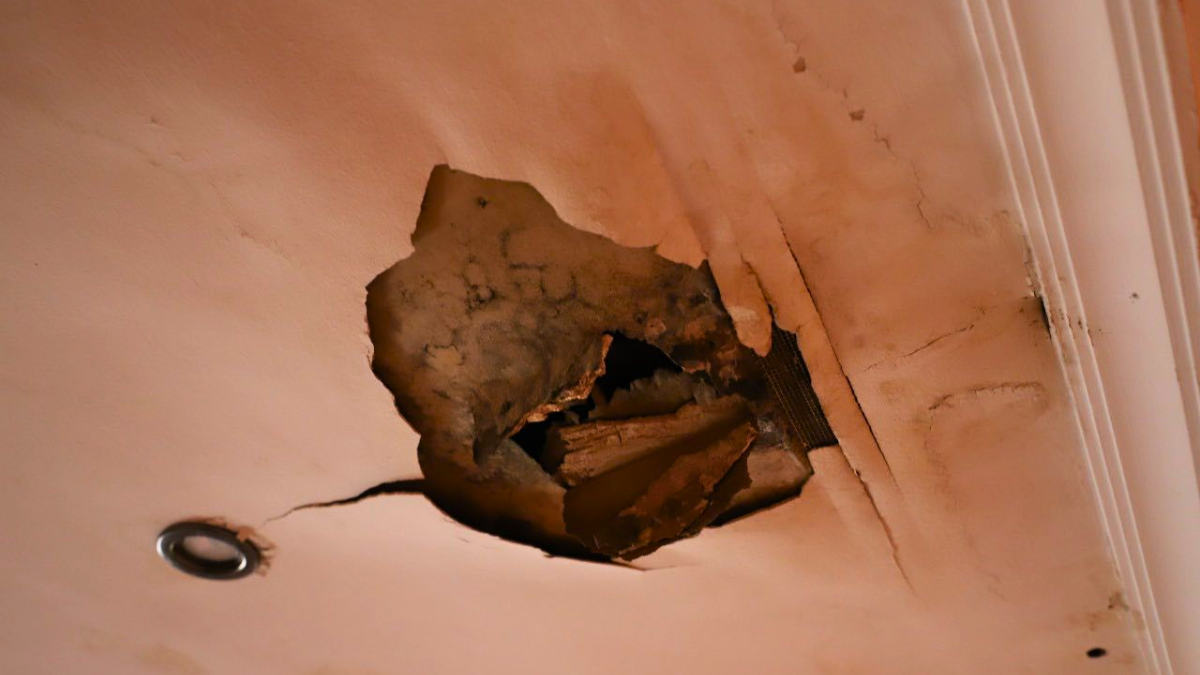
Yet, years of neglect has resulted in the property now being valued at just R1.35 million. According to the municipality, this is due to significant defects in the roof and plumbing.
The estimated cost of repairs exceeds R2 million, which is equivalent to the municipality’s entire infrastructure maintenance budget for the year.
Sithole said that it is “shocking” that the municipality continues to retain a depreciating asset that serves no purpose and which adds no value to the community.
“Furthermore, the property has not been occupied for over 10 years and yet the municipality is spending valuable resources to maintain it,” said Sithole.
This includes funds spent on security and electricity, among other things, “which could be better used to improve services for residents.”
Sithole further lamented that the failure to address this for over a decade, as well as the inability to provide a detailed report to the delegation, undermines the municipality’s accountability and the NCOP’s oversight role.
DA councillor in the municipality, Rebaona Rampe, lamented the continued existance of the property in the asset registry of MKLM.
“This municipality has no money, yet it spends what little it does have on security for the mayor’s abandoned house. This excludes the security on the house she is living in. It is ridiculous and insulting.”
Nobody from the MKLM responded to queries from Newsday by time of publication.
Municipal woes
The Auditor-General has painted a bleak picture of the financial health of the municipality, highlighting deep-rooted cash-flow pressures and weak financial management.
It consistently receives qualified reports, boasting close to R2 billion in unauthorised, irregular, fruitless and wasteful expenditure in its most recent audit.
According to the AG, the municipality is taking an average of 217 days to pay its creditors, far beyond the required 30-day payment window.
This slow payment cycle not only strains relationships with suppliers but also signals liquidity challenges within the institution.
Debt collection is equally problematic. The municipality needs an average of 256 days to collect money owed to it, and the AG found that 88% of this debt is considered irrecoverable.
Such poor recovery prospects severely undermine the municipality’s ability to fund basic operations and future service delivery.
Despite these challenges, the AG noted two positive indicators. At year-end, the municipality owned more than it owed, meaning it was not technically in a net-liability position.
It also ended the financial year with cash in the bank, avoiding an overdraft situation.
However, these positives are overshadowed by the fact that the municipality had already spent more than 10% of the following year’s budget in previous years, pointing to financial strain and a pattern of relying on future resources to cover past obligations.
In its annual financial statements, it disclosed spending R14.5 million on repairing and maintaining infrastructure assets, which represents just 0.6% of the value of its infrastructure.
This is drastically below the National Treasury norm of a minimum 8%.
Rampe criticised the 2025/26 budget for over-prioritizing employee costs, which make up 28% of operating expenditure.
He argues that the municipality should focus on basic services rather than acting as an employment agency, and that the budget of R1.136 billion fails to prioritise essential services in a rural municipality with limited revenue.
Since the audit and budget, the MKLM launched a credit control drive to recover arrears on services like water, sanitation, and property rates.
Part of a broader financial recovery plan under, the initiative aims to improve billing, debt collection, and customer engagement.
The municipality said that early results show many clients coming forward, ‘reflecting the municipality’s commitment to financial discipline, transparent governance, and reliable service delivery.’
More images of the Mayoral compound

 Loading ...
None of the voters in that area will vote anything but ANC. How else will they get their water and electricity for free?