
The beginning of the end of BEE in South Africa



Efficient Group Chief Economist Dawie Roodt said President Cyril Ramaphosa’s 2026 State of the Nation Address signalled the beginning of the end for BEE.
This formed part of Roodt’s commentary on Ramaphosa’s State of the Nation Address on Thursday, 12 February 2026.
In his speech, Ramaphosa said they are undertaking a review to refine, realign, and strengthen the Broad-Based Black Economic Empowerment (BEE) framework.
This, the President said, was aimed at ensuring that the BEE framework supports greater transformation and inclusive growth.
In his previous State of the Nation Address, Ramaphosa promoted the R100 billion Transformation Fund.
This is a major proposal from the Department of Trade, Industry, and Competition (DTIC) that has become a significant point of debate.
The Transformation Fund is designed to mobilize R100 billion over five years, roughly R20 billion per year, to support black-owned enterprises and SMMEs.
It aims to pool resources from the Enterprise and Supplier Development (ESD) contributions that companies are already required to make.
It is expected to be managed by a Special Purpose Vehicle (SPV) linked to the National Empowerment Fund (NEF).
The Democratic Alliance (DA) and Freedom Front Plus have criticized it as a potential slush fund for corruption or a bottomless pit to steal from.
They argue it bypasses merit-based support and risks the same corruption seen in previous state-managed funds.
However, the Department of Trade, Industry, and Competition is pushing ahead with the initiative despite these criticisms.
Efficient Group Chief Economist Dawie Roodt comments
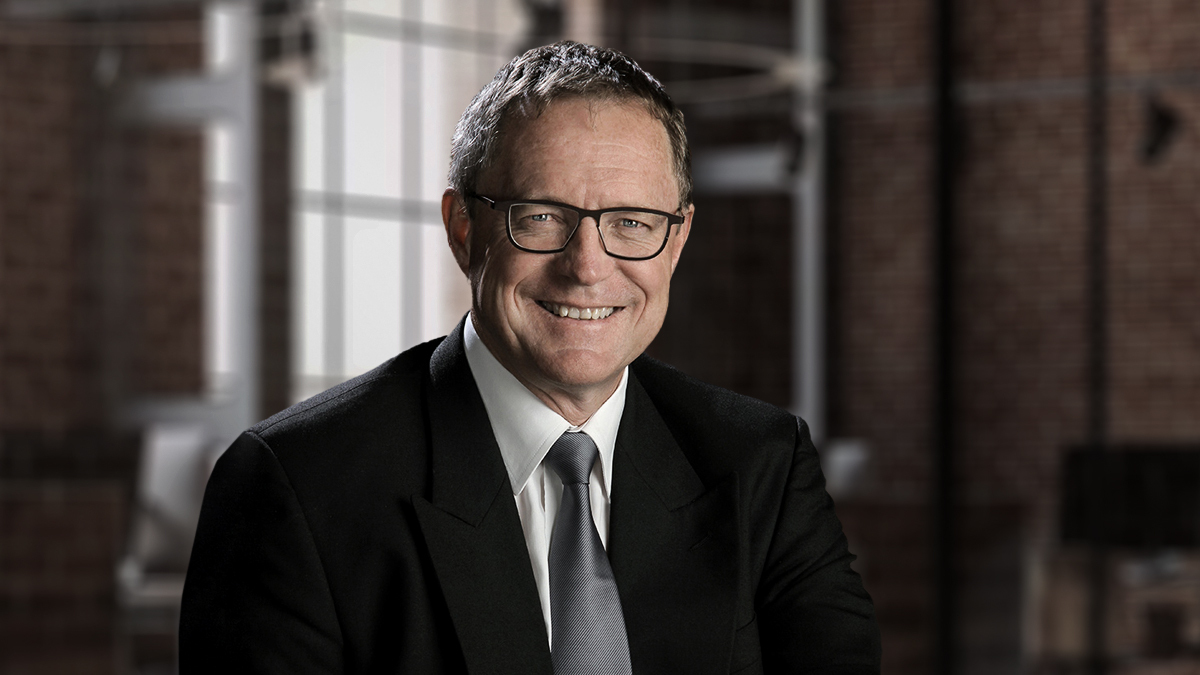
Roodt said that Ramaphosa’s latest comments and the new Transformation Fund signal the end of BEE as we know it in South Africa.
He said that South Africa’s economy hasn’t been growing due to incompetence, corruption, and the government’s wrong macroeconomic policies.
One of the most damaging policies is Broad-Based Black Economic Empowerment (BEE), which costs the economy billions each year.
A 2025 study by the Free Market Foundation and the Solidarity Research Institute showed that BEE costs the country between R145 billion to R290 billion per year.
Roodt disputed Ramaphosa’s claim of huge investments and foreign direct investments in mines in factories in South Africa.
“That’s simply untrue. We have very low levels of investment in the country because of a weak government and wrong policies, like BEE,” he said.
Many companies avoid investing in South Africa because of BEE, which is essentially a tax on capital coming into the country.
Roodt said Ramaphosa’s comments in his 2026 State of the Nation Address showed that BEE will likely be refined.
“It is probably the beginning of the end of BEE,” he said. “The Transformation Fund is probably going to replace BEE, as we know it.”





 Loading ...
The ANC is applying undue pressure on private business for an easy time for the Black majority, more so for their own pockets. This is another unethical, immoral and fraudulent scheme. It is sinful, and those who support it are committing the gravest of sins. To compound this, the ANC is actively discouraging business development. Why should the private sector of business be put on a guilt trip for the poor, when the greatest harm done to human rights in our country is being perpetuated by our own government.