
Andre de Ruyter’s warning about Eskom is coming true


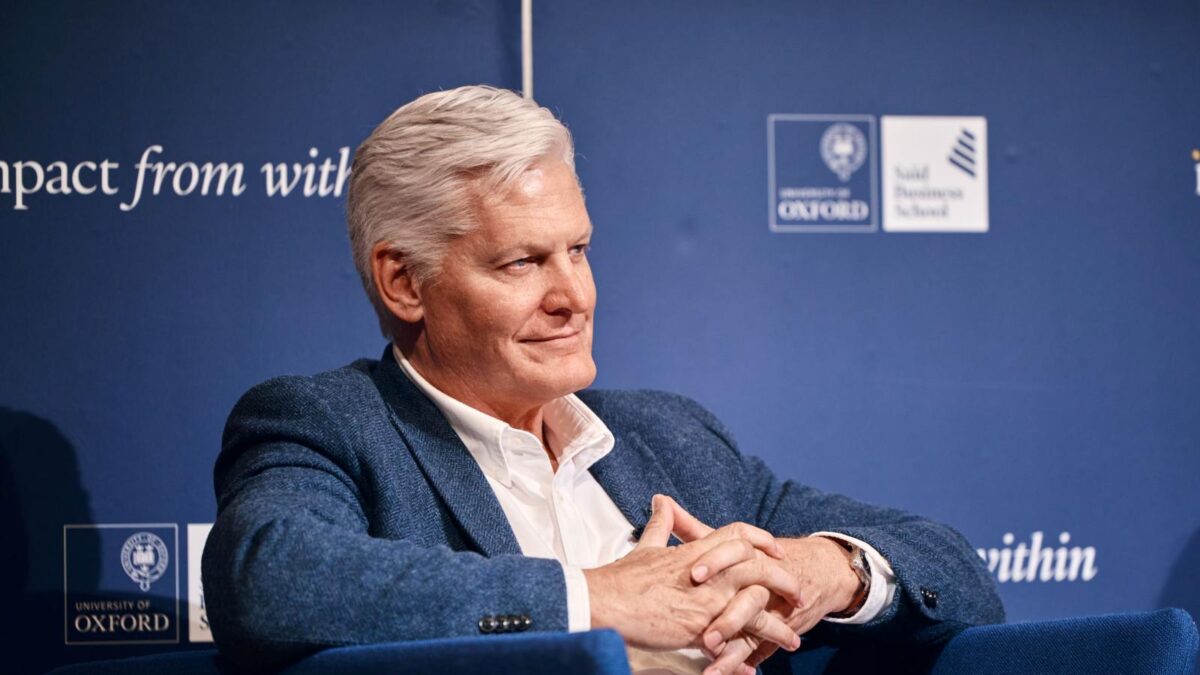
Former Eskom CEO Andre de Ruyter’s warning that Eskom will continue to lose wealthier residential customers and businesses is becoming a reality.
In his book, Truth to Power: My Three Years Inside Eskom, De Ruyter questioned the power utility’s ability to continue on its current trajectory.
“If the current trend of grid defection continues, it is not inconceivable that Eskom will be left with non-paying areas,” he wrote.
“These non-paying areas include Soweto and delinquent municipalities such as Maluti-a-Phofung and Lekwa. In no time, we would be back to begging for bailouts.”
He explained that large municipalities and industrial customers are increasingly buying power from independent power producers that wheel it across the transmission grid.
De Ruyter said that the private sector had over 66,000 MW of renewable projects in the pipeline, which will compete directly against Eskom’s generation division.
He warned that political hesitation was forcing the private sector to bypass state infrastructure entirely.
“The private sector will do its own thing and effectively privatise the electricity industry. That is what seems to be happening now,” he said.
The same is happening at South African households and medium-sized businesses, which are installing solar PV and battery backup at their premises.
These grid-tied systems mean that these households and businesses use far less Eskom electricity than before.
As Eskom sells less electricity to paying clients, it needs to increase prices to sustain its high operating costs.
The higher prices, in turn, push more South Africans to install solar power. This leads to a death spiral for Eskom.
Eskom’s cost path is unsustainable
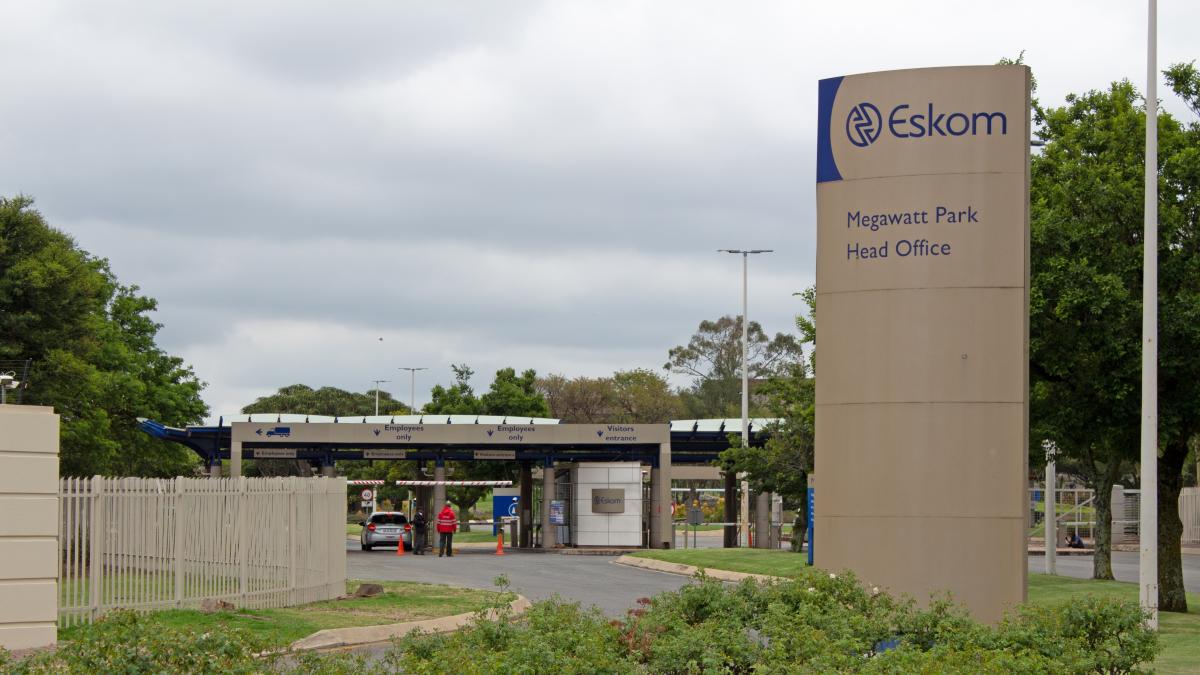
One of the biggest problems for Eskom is that its large electricity price increases are unsustainable. However, it needs these big increases to sustain its growing cost base.
Efficient Group chief economist Dawie Roodt said that Eskom has a bloated workforce which is overpaid. This means it is uncompetitive.
Despite this problem, Eskom continued to give its employees above-inflation salary increases and large bonuses.
Eskom’s employee benefits have increased from R35 billion to R48 billion in two years, the biggest in the history of the power utility.
This 37% increase in employee benefits means the average salary at Eskom is likely to exceed R1.1 million in the current financial year.
As Eskom’s electricity prices are cost-based, it has to recover the higher employee benefits through large increases.
In December 2025, the Bureau for Economic Research’s (BER) Robert Botha said that Eskom’s cost path is unsustainable.
Botha pointed out that between 2004 and 2024, there were only three years in which Eskom’s average tariff increase did not exceed inflation.
He said average tariffs increased by 1,027% over this period, whereas the consumer price index (CPI) increased by 191%.
Botha said that this has far-reaching consequences for Eskom, consumers and municipalities across South Africa.
Self-generation has become commonplace in South Africa

Load shedding and high Eskom prices have pushed many households and businesses to start generating their own electricity.
In 2020, Eskom reported that shifts to self-generation technology have led to declining electricity sales volumes.
Two years later, it warned that customers with their own generation capacity could leave the grid while still relying on Eskom for backup services.
However, because customers do not pay for backup services unless they use electricity, this creates financial challenges for Eskom.
This trend accelerated, and in 2025, Eskom said that customer defection and growing embedded self-generation were risks to its operational sustainability.
This trend is evident in Eskom’s data. Between 1 January and 24 May 2026, electricity demand was 69,492 GWh, compared with 77,030 GWh over the same period in 2025.
Roodt believes the cycle is unlikely to be reversed. He said that Eskom’s debt burden and operational inefficiencies leave it with little choice but to continue raising tariffs.
“Eskom needs the money to run an inefficient institution and to repay its debt,” Roodt said. “There is no way Eskom will accept or survive lower tariffs.”
The table below shows Eskom’s electricity prices and revenue generation, and the reduction in units sold due to grid defection.
| Year | Household Revenue Generated (R million) | Household Units Sold (GWh) | Effective Price (c/kWh) | Price % Increase (year-on-year) |
| 2018/19 | 14,585 | 12,302 | 118.56 | N/A |
| 2019/20 | 14,771 | 11,748 | 125.73 | 6.0% |
| 2020/21 | 16,069 | 11,293 | 142.29 | 13.2% |
| 2021/22 | 16,924 | 10,949 | 154.57 | 8.6% |
| 2022/23 | 18,680 | 10,520 | 177.57 | 14.9% |
| 2023/24 | 18,052 | 9,177 | 196.71 | 10.8% |
| 2024/25 | 19,317 | 8,559 | 225.69 | 14.7% |




 Loading ...
Prediction or true eskom intentions?
They hired an incompetent person deliberately when they hired him.