
327 water supply systems across 90 South African municipalities failed to meet basic safety standards


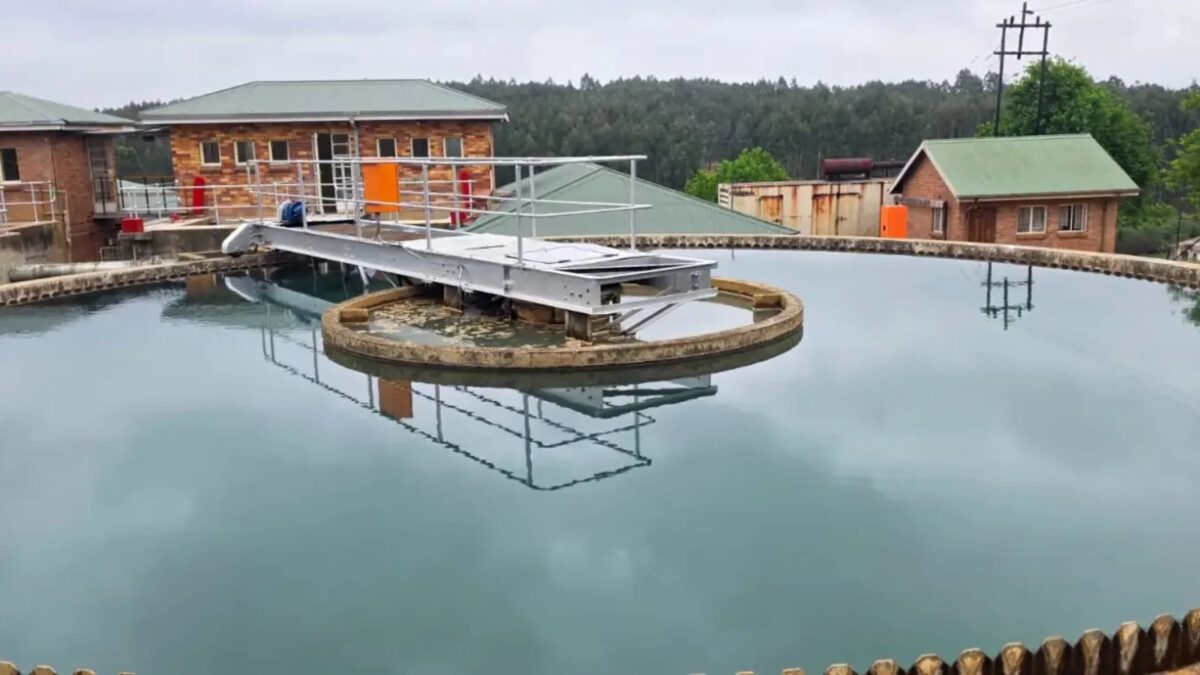
Minister of Water and Sanitation, Pemmy Majodina, shared that tests conducted on 327 water supply systems across 90 municipalities found they did not meet the minimum safety standards.
Majodina revealed this in response to a Parliamentary question from National Assembly member Stephen Moore.
Moore asked the Minister to disclose a list of municipalities where E. coli, bacteria from human or animal waste, has been detected in the drinking water supply.
He also asked the Minister what measures have been put in place to hold officials liable for failing to fulfil their duties.
Finally, he asked about the assistance the department offers to private entities, such as civil organisations and higher education institutions, that participate in testing.
Majodina responded, saying that 327 water supply systems failed to meet the minimum safety requirements for the use and consumption of safe water.
She added that a water supply system serving fewer than 100,000 people requires a compliance level of 97%.
A water supply system that serves more than 100,000 people requires a compliance level of 99%.
Various tests for drinking water and E. coli detection were conducted at the water supply system between 1 August 2025 and 31 July 2026.
“Collectively, these systems recorded 3,869 failures from 21,281 analyses, representing a failure rate of 18.1% and a compliance rate of 81.9%,” she said.
The results revealed that four water supply systems failed every test and recorded a compliance level of 0%.
These include Krakeel in the Kou-Kamma Local Municipality, Tweeling in the Mafube Local Municipality, Kamieskroon in the Kamiesberg Local Municipality, and Douglas in the Siyancum Local Municipality.
The highest compliance level for a water system was 94.9%, recorded at Leerkrans in the Dawid Kruiper Local Municipality and Vanwyksvlei in the Kareeberg Local Municipality.
Majodina added that some municipalities failed to conduct consistent sampling, with 39 water systems submitting fewer than 12 analyses, which is less than one analysis per month.
She said that the department sometimes conducts sampling but admitted that civil society organisations and higher education institutions mostly assist municipalities with testing.
“The department has not provided direct support to these organisations,” Majodina said.
“It should further be noted that the Water Services Act does not provide for administrative enforcement action in respect of non-compliance with drinking water quality requirements.”
“This matter has been addressed in the amendment Bill currently before Parliament.”
You have read 1 out of 5 free articles. Log in or register for unlimited access.







 Loading ...
In a functioning democracy, results like these—327 water systems failing basic safety standards across 90 municipalities—would trigger immediate accountability. Independent inquiries would name responsible officials. Municipal managers and mayors would face suspension or dismissal. Criminal probes into negligence and mismanagement would follow. Emergency national intervention teams would take over failing systems. Budgets would be ring-fenced for repairs, with public tracking of spending. Voters would punish the party in charge at the next election. Courts would enforce the constitutional right to safe water. Silence, deflection, or endless “plans” would not be tolerated.