
Many South Africans avoiding Pick n Pay, Shoprite, Checkers, and SPAR



South Africans are increasingly avoiding shopping at major retailers such as Pick n Pay, Shoprite, Checkers, and SPAR.
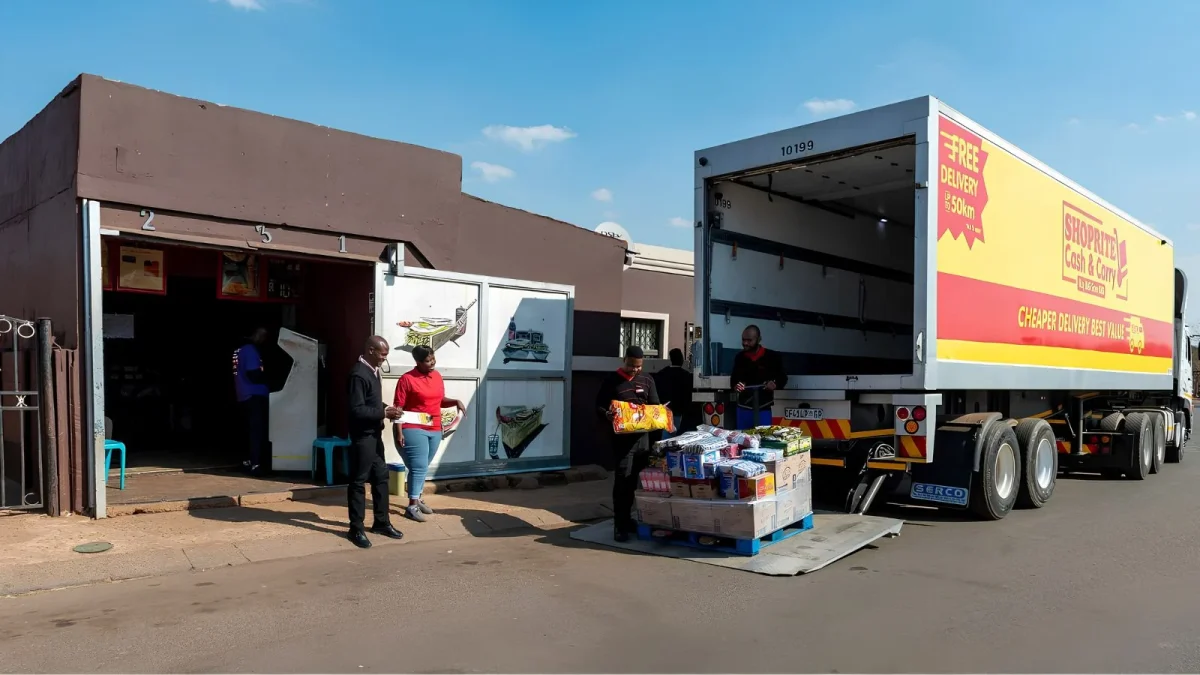
Instead, they are turning to informal shops and spaza stores, driven by pressure on household budgets, expensive transport, and unreliable basic services.
This is the feedback from Mongezi Mtati, senior brand strategist at Rogerwilco and lead author of its 2026 Township Customer Experience Report.
“This is absolutely true,” Mtati told HOT Business when asked whether township consumers were increasingly shopping for survival rather than preference.
He said the latest research showed that consumers were facing pressure from all directions, with poor service delivery adding to the financial strain.
The report found that 50% of respondents had switched stores because prices had become too high, which has highlighted the growing challenge facing established retailers trying to retain customers with increasingly limited spending power.
However, Mtati added that the move towards informal retailers is not simply about which shop offers the cheapest products.
Transport costs, the ability to buy smaller quantities, and the practical difficulties of living without reliable electricity are also influencing shopping decisions.
Mtati explained that major supermarket chains can often offer lower unit prices, but reaching them can require spending R30 to R60 on return transport.
For households living from one pay cheque to the next or relying on social grants, these costs can outweigh the savings from promotional deals.
Local spaza shops offer an alternative, particularly when they are within walking distance. Customers can save on transport and use that money to buy other household essentials.
Informal retailers also cater to consumers who cannot afford to buy groceries in large quantities or bulk packs.
While supermarkets often offer better per-unit prices on large packs of maize meal, cooking oil, and other staples, these discounts require customers to spend more money upfront.
Spaza shops can sell smaller quantities of essential goods, allowing households to buy what they need for the day.
How retailers can improve low-income customer loyalty
Electricity disruptions are also putting pressure on households. The report found that 79% of respondents experienced power outages at least once a month, though the frequency varied across provinces.
In Gauteng, respondents reported outages three to four times a month. Mtati said this affected what households could buy and how they stored food.
“This means that they have to consider what they buy, what they can store and how they can shop,” he said.
Households are forced to turn to canned food and other products that do not require refrigeration, which changes their purchasing habits and adds to what the report described as the “cost of coping”.
Mtati said it was difficult to calculate this additional burden, but estimates suggested that transport could consume around 15% of income in low-income households.
About 69% goes towards basic needs such as transport and electricity, leaving less money for other purchases.
Despite these financial pressures, Mtati said retailers should not assume that price alone determines consumer loyalty.
Shoppers also consider product quality, value, and whether businesses contribute positively to their communities.
“People believe that brands want loyalty but don’t extend the same loyalty that they expect from the customer,” he said.
He argued that retailers needed to consider more than discounts when trying to retain township customers.
“The switching stores and switching brands thing has to be thought around the quality, the value, the contribution, and how you show up in townships,” he said.
The research found that 91% of respondents wanted brands to contribute when service delivery failed.
This could include supporting schools, maintaining sports fields and helping improve community facilities.
Mtati said consumers did not expect businesses to replace the government, but practical assistance could strengthen relationships with the communities in which they operate.








 Loading ...
I found some prices in the spaza, pakistani run shop sometimes cheaper than the big guys. I only talk about boxed sealed stuff, brand names. I think the corporate big guys have an expensive payroll of too many people producing very little. So, the consumer, as usual pays for it.