
Highly paid South African woman fired for forwarding work emails to her personal Gmail account


A well-paid public employee was fired from her job at the National Student Financial Aid Scheme (NSFAS) in 2023 for forwarding work emails to her personal Gmail account.
Zenobia Abrahams was earning a gross basic salary of R52,250 per month prior to her dismissal from the scheme. She has since been in a lengthy legal fight to seek back pay.
Between 17 March and 11 October, Abrahams forwarded and blind-copied nine work emails to her private Gmail account. These emails contained information from NSFAS.
After discovering the incident, NSFAS immediately placed Abrahams on precautionary suspension, and officials held a disciplinary hearing before an external chairperson.
MyBroadband reported that Abrahams was fired from NSFAS on 14 September 2023 after she was found to have allegedly breached its policies at the hearing.
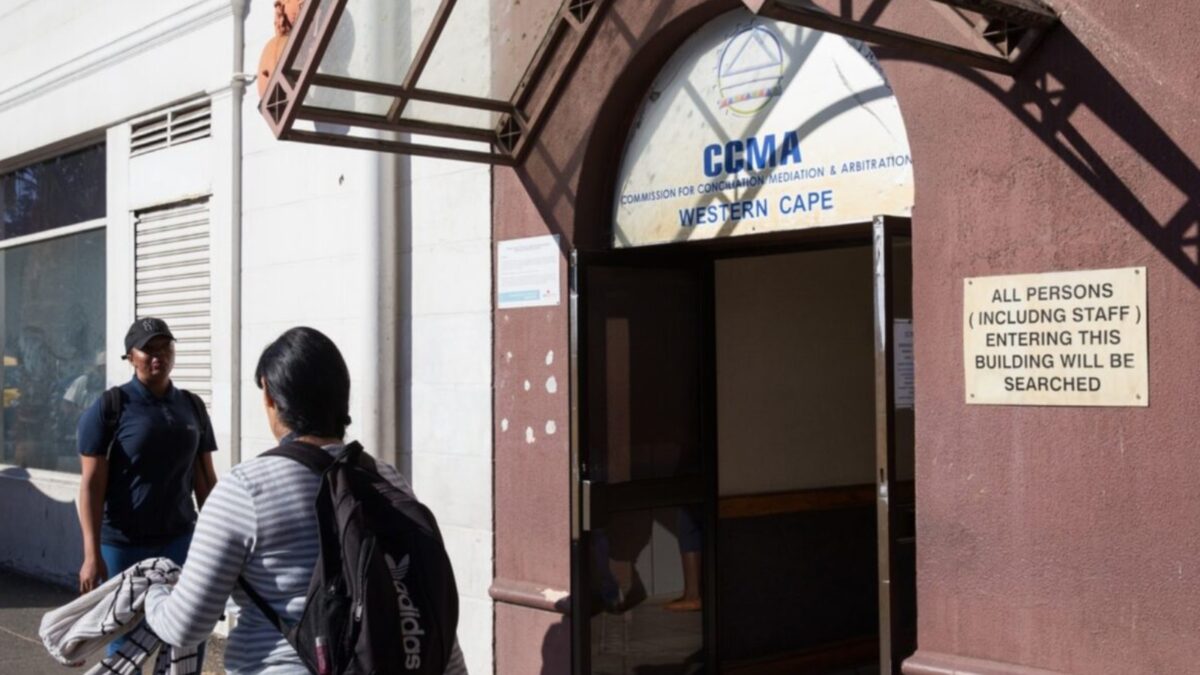
The extent of NSFAS’s allegations was detailed in Labour Court case files on the matter between Abrahams, the Commission for Conciliation, Mediation and Arbitration (CCMA) and the student payment scheme.
“You, without authorisation, blind copied your personal email address, outside of the NSFAS network, on several confidential emails containing sensitive NSFAS information,” the allegations from NSFAS read.
“In doing so, you exposed the organisation to reputational, financial and organisational risk. Your conduct also constitutes a breach.”
NSFAS argued that Abrahams breached the scheme’s Information Security Policy when she shared the work emails with her own personal email account.
According to the scheme’s policy, employees are prohibited from forwarding work-related emails to their personal accounts.
This is to prevent the leakage of sensitive information and the spread of computer viruses.
Abrahams was also found by NSFAS to have breached the scheme’s security management and acceptable use policy, which outlined rules for internal email use.
This policy is strict and indicates that the punishment for these breaches is dismissal on the first occurrence. As a result, Abrahams was fired from her job.
The Labour Court steps in
Abrahams took NSFAS to the CCMA and was initially successful, with CCMA Commissioner CM Bennet finding that she was unfairly dismissed.
Bennet ordered NSFAS to reinstate Abrahams and pay her back-pay for the 20 months she was dismissed, totalling R1.05 million, according to the case files.
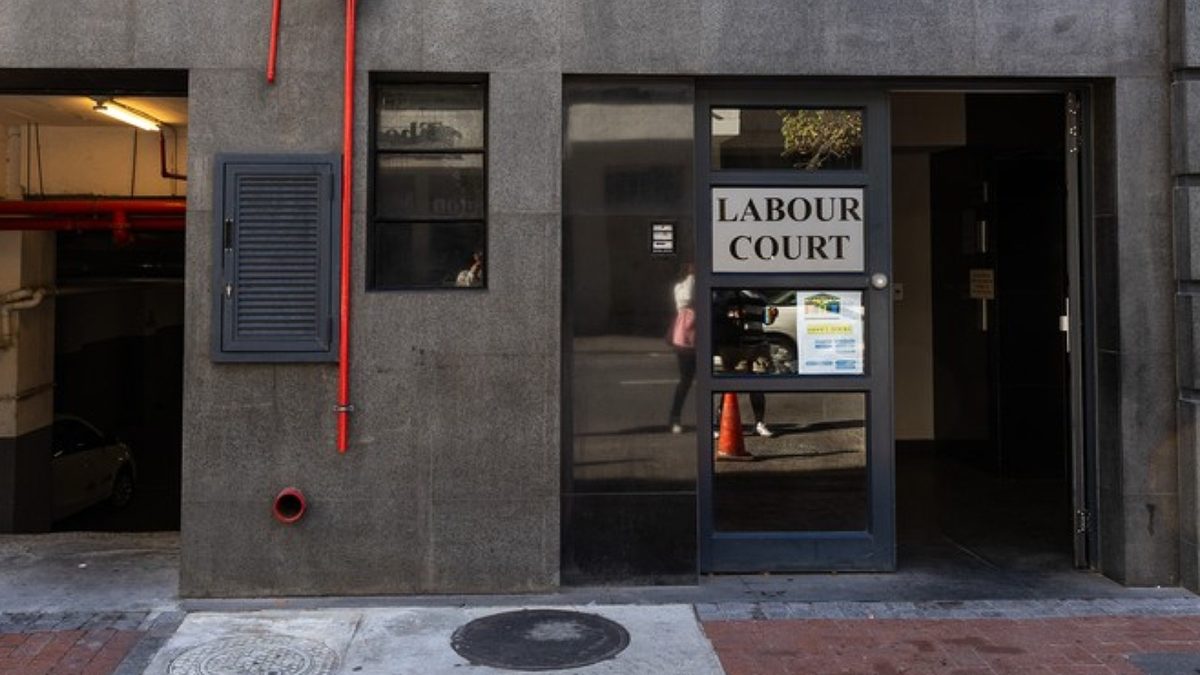
However, this victory was short-lived, as NSFAS escalated the matter to the Labour Court of South Africa. The matter now added Bennet as a respondent.
The Labour Court found Bennet’s decision to be based on an incomplete analysis of the case, calling it “short” and adding that “he misconceived the nature of the enquiry.”
The court argued that Bennet’s award of reinstatement was based on a determination that NSFAS had to prove Abrahams had disclosed confidential information.
It found that this was not the case before Bennet. The court said that the commissioner should instead have ruled on whether Abrahams was in breach of NSFAS policy.
“NSFAS is a public entity that holds the personal information of tens of thousands of students and is obliged to safeguard it,” the Labour Court said.
“It is entitled, through rational policies whose lawfulness is not challenged in this review, to determine for itself what risks it will bear and to prohibit its employees from removing confidential information.”
The Labour Court found that because the entire award for Abrahams rested on Bennet’s misclassification, the decision was legally flawed.
It ruled that companies that handle the personal information of vast numbers of people are entitled to implement rational policies to assess the risk of information leaks.
The Labour Court returned the case to the CCMA, with Abrahams expected to present the case to a different commissioner.










 Loading ...
Highly paid South African woman fired for forwarding work emails to her personal Gmail account
TIL “Highly paid” = “stupid”