
ANC People’s War: Using people as expendable weapons and creating terror to force them to obey orders


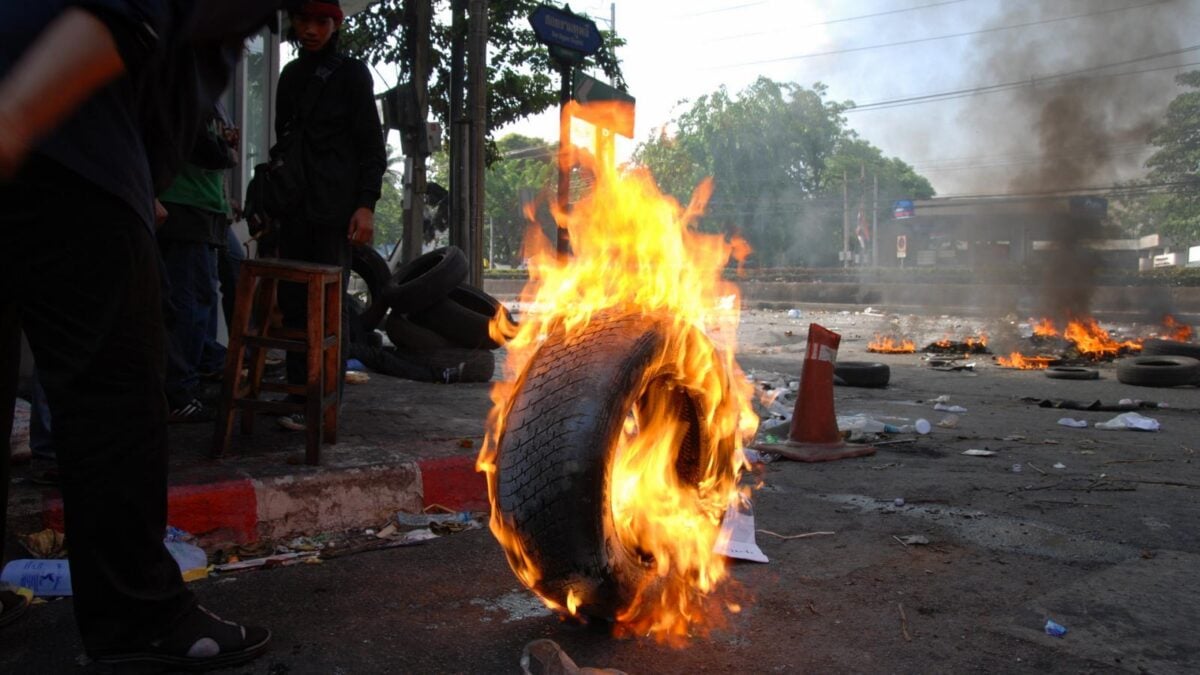
The ANC’s People’s War was a brutal uprising which used black people as expendable weapons in a movement to gain power in South Africa.
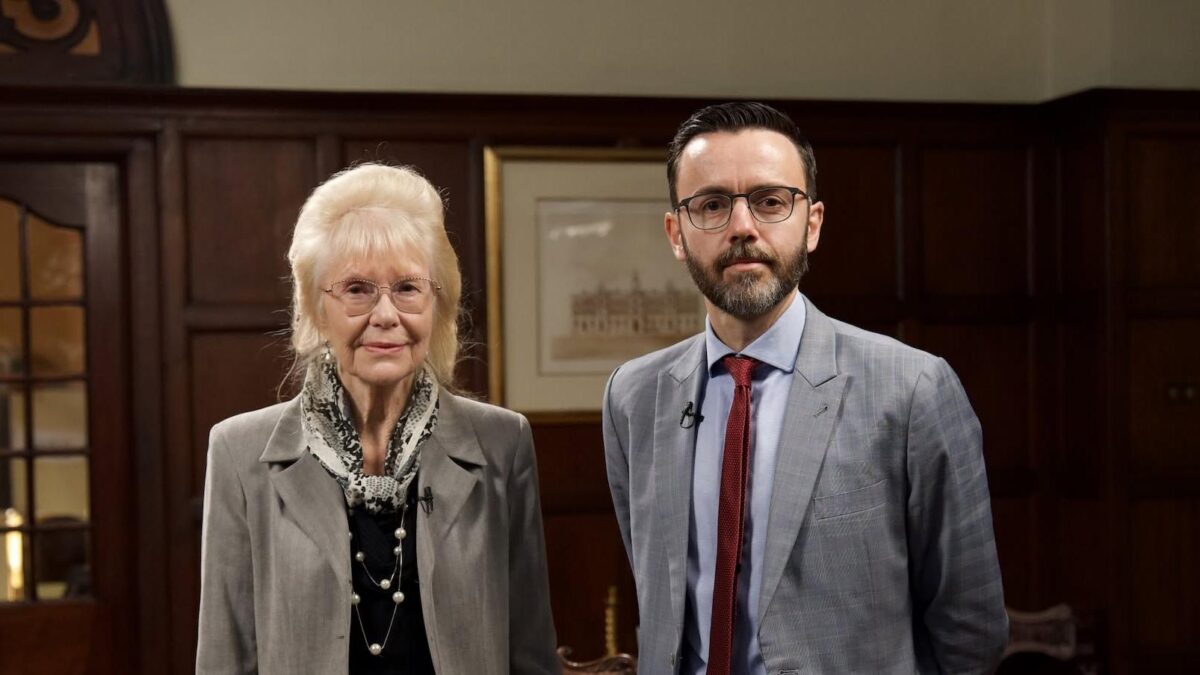
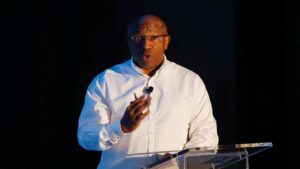
This is information shared by Anthea Jeffery, the head of policy research at the Institute of Race Relations (IRR).
Jeffery is an expert in South African history and the author of the highly acclaimed book, People’s War: New Light on the Struggle for South Africa.
She provided context to the brutal decade between 1984 and 1994, where South Africans were being shot, hacked, or burned to death in political violence.
The book shows the extraordinary success of the people’s war in giving the ANC a virtual monopoly on power, as well as the great cost at which this was done.
In a discussion with Sakeliga, Jeffery explained that the ANC’s people’s war regarded the people in the arena of struggle as weapons of war in South Africa.
“That means that all these people were expendable in the waging of your war, like you might expend bullets and munitions in a conventional war,” she said.
“So even among your own people, you can deliberately put them in a situation where they’re likely to be killed.
“If they are killed, that’s fine. That’s the weapon that you’ve expended, and it becomes the basis on which you can then build a propaganda campaign.”
She explained that propaganda was enormously useful and the most important part of the political struggle.
Jeffery said that 20,500 people were killed between 1984 and 1994 as a result of the ANC’s people’s war.
Forcing people to become part of the war
She said that the ANC wanted mass action to destabilise South Africa, including boycotting schools and shops, not paying rent, and having stayaways from work.
However, most ordinary black South Africans, even if they really hated apartheid, didn’t want to risk staying away from work, as they could lose pay or even their jobs.
“That’s where the other side of the struggle comes in: the military struggle. What you need is terror,” she said.
“You must be able to influence the people on the ground and make them so scared that they will stay away, keep their children out of school, and refuse to pay rent.”
Simply put, you should make people so scared of the terror that they would do things they did not want to, even though they may lose their job or house in the process.
The weapon of choice in this terror campaign was necklacing executions, where an old tyre was hung around the victim’s neck, filled with petrol, and set on fire.
“The victim’s hands were bound behind his back with wire so he couldn’t take it off, and the heat would melt the rubber, and it would start melting into the flesh.”
She said that when there was a mass-action campaign, activists would be stationed at critical points, shaking boxes of matches. Everyone knew what that meant.
Even if people did not want to be part of the protest, they were petrified of being necklassed and had no choice but to abide.
As part of the terror campaign, the ANC also had a propaganda campaign which denied that it was happening and sought to obscure the terror against its own people.
She said that journalists in the late 1980s faced censorship in townships by youth activists, forcing media outlets to exaggerate the ANC’s popularity.
“These journalists told us that there was a new censorship in the townships. They were more scared of the new censorship than that of the National Party,” she said.
“If you did not exaggerate the number of people at an ANC meeting, or if you talk about the reality of what is happening in the townships, then you are against the struggle.”
“God help you if the youths corner you and you’re against the struggle. Obviously, they were afraid of being necklaced themselves.”
This campaign by the ANC was highly effective, and it gave the movement an advantage over rival black organisations, which were more peaceful.



 Loading ...
Steve Biko and the Black Consciousness movement were decidedly not part of the armed struggle. They approached liberation from a psychological and sociologial stance. What a huge loss the Nationalist regime caused our country by eliminating the more peaceful and intelligent individuals like Biko, whom they killed in 1977. Biko could have led the country far more effectively post-apartheid than the ANC armed cadres ever could. Note how Black Consciousness effectively disappeared. Not that the ANC minded, megalomaniacs that they are and always have been. They wanted all the credit. As if there was only one anti-apartheid actor. Some of us will never forget Biko and what he could have given us all.