
President PW Botha’s Rubicon Speech versus President Cyril Ramaphosa’s response to the United States


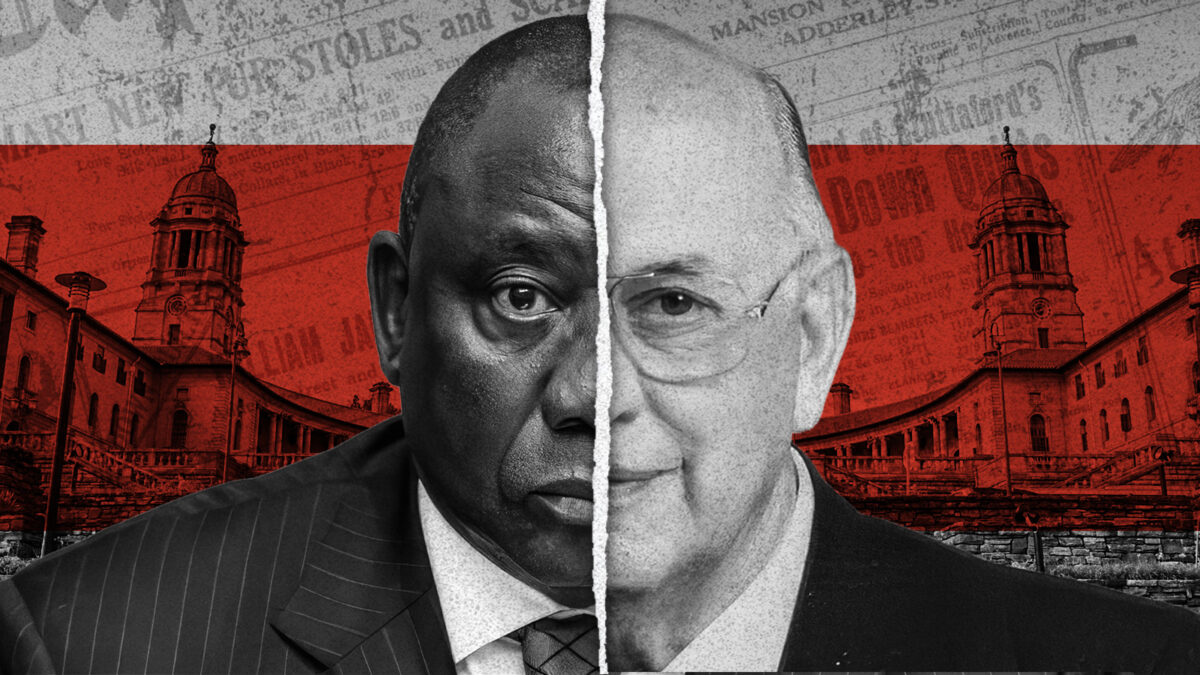
There are striking similarities in the response of President P. W. Botha and President Cyril Ramaphosa to the United States demands for changes in South Africa.
Prior to P. W. Botha’s Rubicon Speech on 15 August 1985, South Africa faced diplomatic, economic, and political pressure.
Western powers, such as the US, UK, the United Nations, European nations, and African frontline states, called for a restructuring of South African society.
These nations wanted to see apartheid dismantled and a peaceful transition to a multi-racial democracy in South Africa.
In early August 1985, South African Foreign Minister Pik Botha met with European and American diplomats in Vienna.
He signalled that President P. W. Botha’s upcoming speech would announce groundbreaking reforms.
These reforms, he said, would include Black citizenship rights, an end to forced removals, and negotiations over Nelson Mandela’s release.
However, when P. W. Botha saw the reform-minded draft, he rejected it, viewing the foreign expectations as unacceptable interference.
Instead of announcing sweeping reforms in South Africa, he delivered a hardline speech, rejecting international proposals to solve South Africa’s problems.
“Many of the present perceptions of the South African situation overseas are, of course, quite erroneous,” he said.
“Nobody would deny that we face problems that demand solutions, but every country has. I can name quite a number of countries with more problems than SA.”
His hardline stance on demands for political change in South Africa, especially regarding racial laws, had immediate consequences.
What followed devastated South Africa and led to the country’s political and financial collapse.
By failing to deliver the expected reforms, Botha shattered international confidence and made South Africa an international pariah.
It severed the country’s access to global capital and triggered punitive measures that pushed the economy into a deep structural crisis.
Cyril Ramaphosa’s response to the United States’ demands
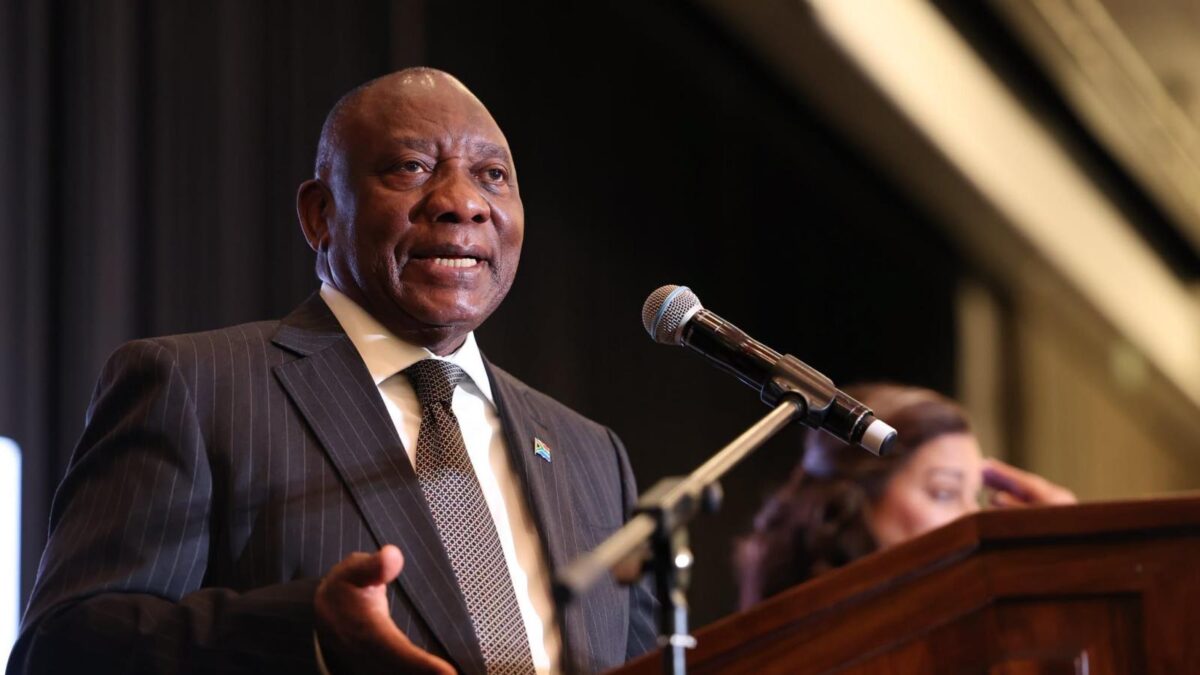
Although the current situation in South Africa differs greatly from that of the mid-eighties, there are similarities.
In both cases, South Africa struggled with high unemployment and stagnating economic growth, requiring policy reforms.
Another similarity is that the United States sought changes to South Africa’s domestic policies to avoid sanctions. These changes also focus on racial policies and laws.
Just like P. W. Botha in his Rubicon Speech, President Cyril Ramaphosa rejected the United States’ proposals.
Ramaphosa and International Relations Minister Ronald Lamola characterised demands from Washington as an attack on South Africa’s national sovereignty.
The President has also stated that foreign nations cannot dictate domestic policies or democratic processes.
Like Botha, Ramaphosa said that the United States’ perceptions of the South African situation were erroneous.
He is not willing to give in to any of the demands of the United States, such as declaring farm murders a priority crime or condemning ‘Kill the Boer’.
He is also unwilling to roll back the Exploitation Act or to implement alternatives to black economic empowerment (BEE) in mining and telecommunications.
The response from the United States was swift. On 15 September 2026, U.S. Secretary of State Marco Rubio announced a new visa restriction policy.
This new policy targets South Africans who implement laws or policies that enable uncompensated land seizures and race-based discrimination.
It also targets people involved in the incitement of imminent violence against any minority ethnic or racial group in South Africa.
United States Ambassador to South Africa, L. Brent Bozell III, warned that more actions are on the way.
President Donald Trump has previously signed an executive order directing a major review and suspension of U.S. foreign assistance to South Africa.
The administration has also introduced a refugee programme designated for Afrikaner and minority communities.
To date, the actions by the United States have not included economic sanctions, such as ending South Africa’s African Growth and Opportunity Act (AGOA) benefits.
However, many economists warned that, should it escalate towards economic sanctions, it could further damage the local economy and cost jobs.



 Loading ...