
Countdown to disaster for South Africa


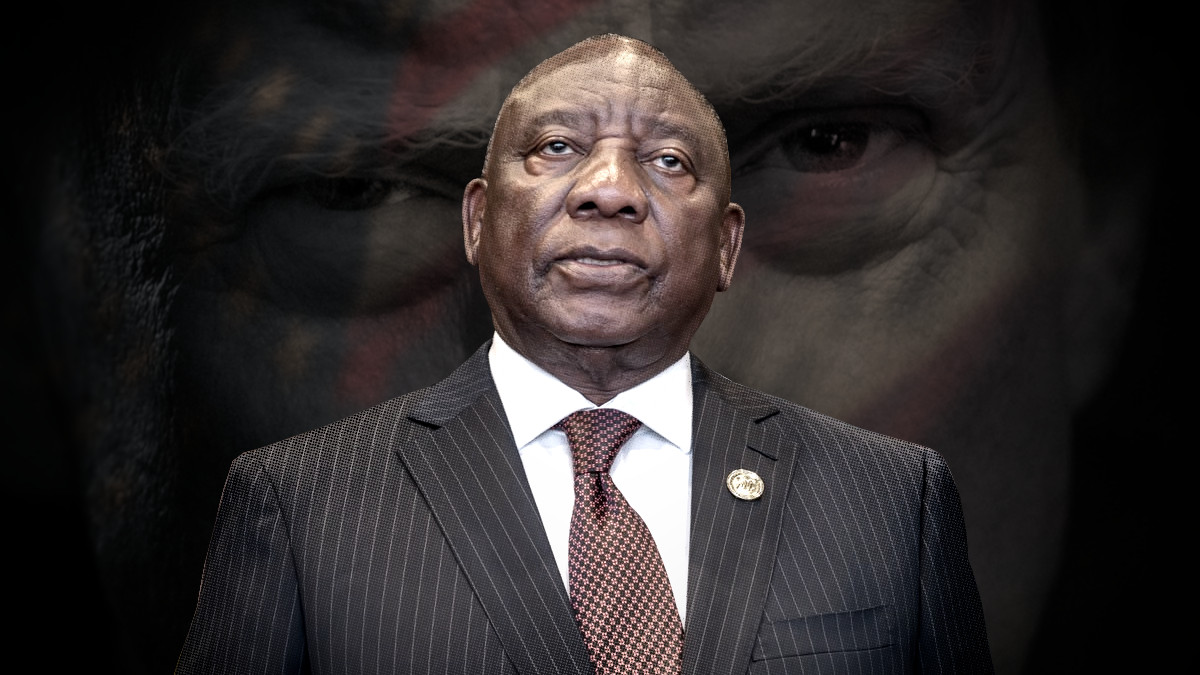
South Africa is running out of time to make good with the United States, as Washington reviews which countries will remain eligible for the African Growth and Opportunities Act (AGOA) over the next three months.
The United States delivered a small win to South Africa in September by passing and signing a two-year extension to AGOA, which will now run through December 2028.
The extension was granted under the same terms as before, which include South Africa among the 32 countries eligible for the programme.
However, this list of countries will be reviewed before the programme’s next cycle begins in 2027.
That means that South Africa’s eligibility for the programme is still in question, and the country has until January 2027 to convince Washington that it still belongs.
According to Aluma Capital Chief Economist, Frederick Mitchell, should South Africa’s eligibility be revoked, the economic consequences would be severe.
“The United States is an indispensable net contributor to the South African economy,” Mitchell said.
“American multinational corporations directly and indirectly support approximately 400,000 South African livelihoods.”
For AGOA specifically, the programme supports upwards of 500,000 jobs and contributes billions of rands to sectors such as agriculture, automotive manufacturing, and others.
South Africa exported an estimated R71.5 billion through AGOA in 2024, accounting for 46% of total exports to the US that year.
The total exported over the five-year period between 2019 and 2024 came to just under R300 billion, demonstrating the scale and benefit.
During its 25-year run, South Africa accounted for 54% of all AGOA-related exports to the US, making it the scheme’s largest beneficiary over its lifetime.
Losing access to AGOA would be a disaster for South Africa by any measure.
Trade union Solidarity has expressed similar sentiments, underscoring the urgent need to repair relations between Washington and Pretoria before the January deadline.
Unfortunately for South Africa, these relations have gone in the opposite direction.
The United States is done playing games
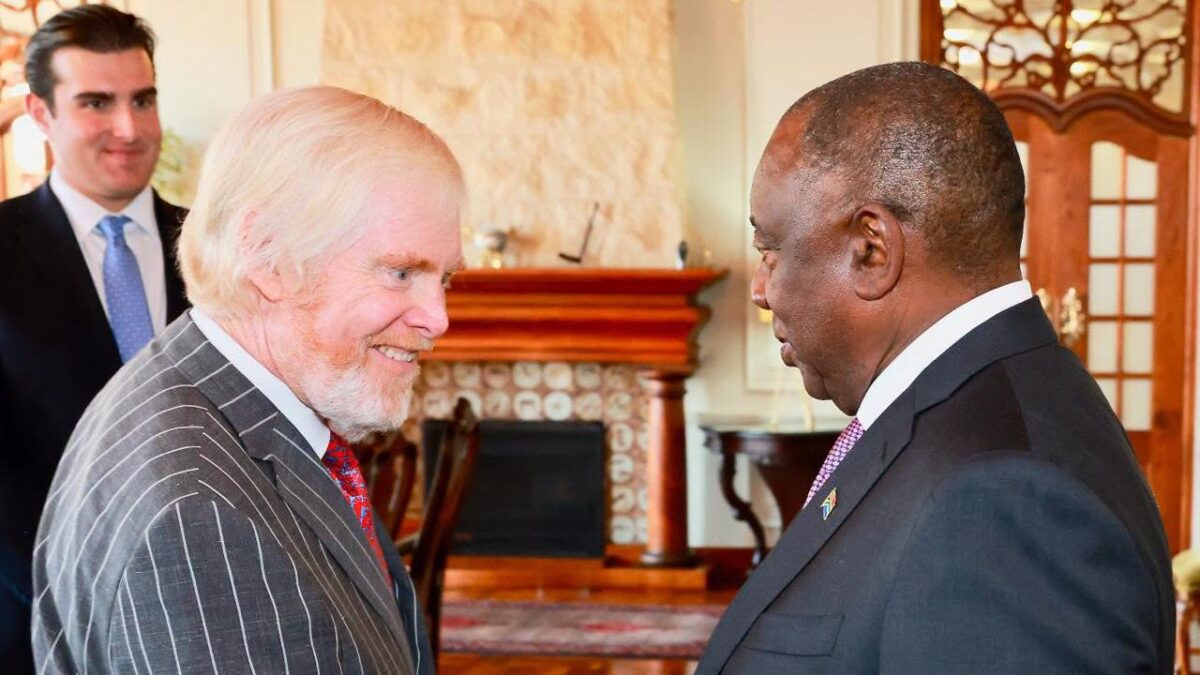
Washington delivered a significant blow to diplomatic relations with Pretoria in September, announcing visa restrictions on certain South Africans.
These specifically target individuals “who are responsible for, or complicit in, the enactment or implementation” of what it calls “egregious” policies.
This includes land expropriation without compensation, race-based discrimination via BEE, and the controversial “kill the boer” chant used by political leaders.
According to US Ambassador to South Africa Brent Bozell, these policies have long been a sticking point in negotiations between the countries.
They first emerged around mid-2025, when the infamous “Trump Tariffs” became a global disruptor.
At the time, local lobby group delegations to the US were told of the key policies that needed to be addressed to avoid being hit with a 30% tariff on exports.
The South African government dismissed the demands, saying that no formal list of issues had been presented.
The same demands then resurfaced in March 2026, when Bozell was appointed ambassador and made the “five asks” public in a more formal capacity.
Still, there was little response from the government.
Finally, in September, the office of President Cyril Ramaphosa confirmed that a response to the demands was being formulated—almost 18 months after they were first made.
However, the horse has apparently bolted.
Bozell noted that Washington’s patience with Pretoria had worn thin and that the latest sanctions were the outcome.
He warned that visa restrictions were only the first step, with ‘escalating consequences’ to follow.
While details are thin on what comes next, groups like Solidarity believe that trade restrictions, sanctions and South Africa’s removal from AGOA are on the menu.









 Loading ...
African leaders are to naïve and ideological obsessed to even comprehend the consequences of there actions. Hence Africa is doomed.