
Pick n Pay in trouble


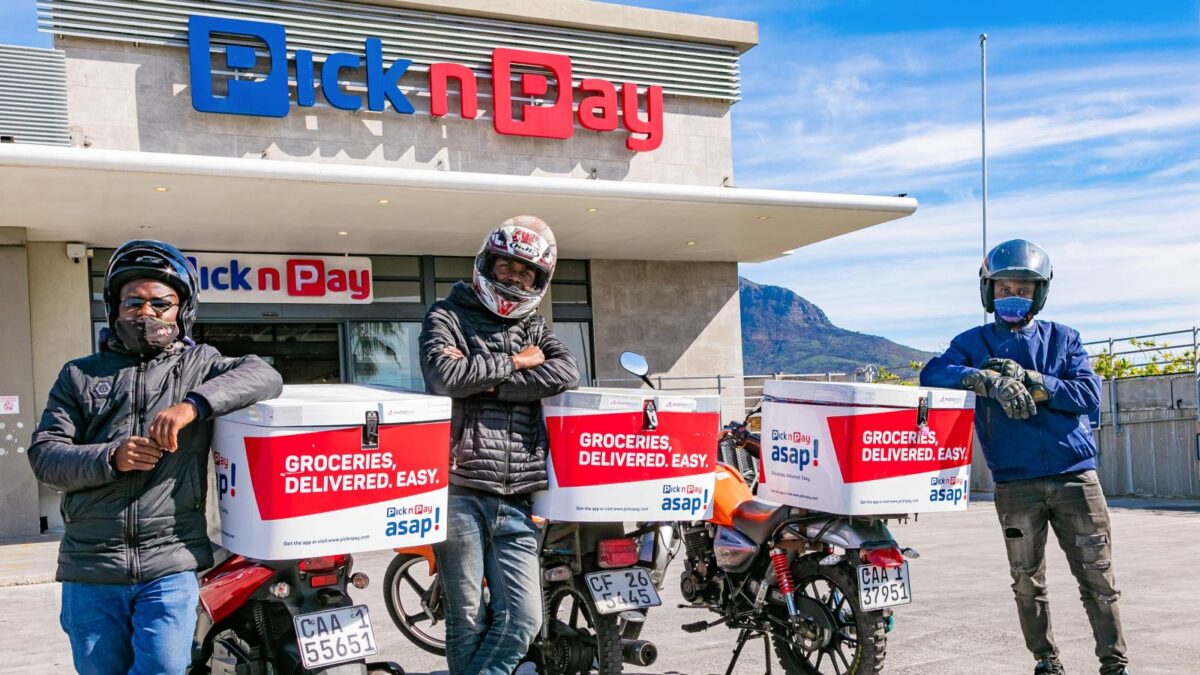
Pick n Pay’s latest trading update shows that the company is struggling to show growth, which is needed to return it to profitability.
Adding to this pressure is opposition to its Section 189A process, which aims to create a more streamlined and efficient company.
This process forms part of Pick n Pay’s turnaround strategy, and the delay is not good news for the retailer.
The problems at Pick n Pay are seen in its numbers. Turnover was flat, and like-for-like sales only grew by 2.6%.
Pick n Pay South Africa had a 0.4% decline in turnover resulting from the planned closure or conversion of underperforming company-owned supermarkets.
Clothing turnover growth in standalone stores was 3.3%. However, like-for-like sales in the clothing division declined by 1.3%.
Pick n Pay explained that market conditions remain highly constrained, with soft economic growth and elevated fuel prices.
The retailer added that continued subdued food price inflation is also impacting its turnover growth.
“Within the Pick n Pay segment, PnP Clothing is regaining its momentum, and PnP SA Supermarkets is showing an improved like-for-like performance,” it said.
The retailer said that despite positive developments in some parts of the business, much remains to be done.
“The Pick n Pay segment requires the achievement of the full range of its turnaround initiatives, including the successful conclusion of the S189A process,” it said.
This is needed to meet the previously announced break-even profit objective within the targeted timeframe.
Pick n Pay’s Section 189A process

On 4 May 2026, Pick n Pay informed investors that it had initiated a consultation process in terms of Section 189A of the Labour Relations Act.
It involved the South African Commercial, Catering and Allied Workers Union (SACCAWU) and other affected parties.
Pick n Pay explained that the proposed changes, as alternatives to retrenchment, form part of its ongoing turnaround strategy.
“They are aimed at ensuring that store-based labour practices remain sustainable, competitive, and aligned with the requirements of the retail market,” it said.
SACCAWU rejected and criticised Pick n Pay’s Section 189A restructuring notice affecting approximately 22,000 non-management employees.
The union accused Pick n Pay of forcing low-income, front-line employees to carry the financial burden of bad executive strategy and poor performance.
It argued that while front-line workers face severe retrenchment or reduced conditions, senior executives continue to receive high compensation packages.
It added that the Section 189 process is effectively an ultimatum for workers to face retrenchment or accept significantly degraded employment terms.
Pick n Pay said that the consultation process remains ongoing under the auspices of the Commission for Conciliation, Mediation and Arbitration (CCMA).
SACCAWU, in turn, said that Pick n Pay’s decision to refer a Section 189A dispute to the CCMA is not a sign of good faith.
“It is indicative of its attempts to unilaterally change working conditions and to restructure its Non-Management Bargaining Unit wage bill,” it said.
“Pick n Pay remains fully committed to engaging in good faith and in accordance with all applicable legal requirements,” the company said.
“The consultation process has not yet concluded, and no final outcomes have been determined. Pick n Pay will provide further updates as the process progresses.”






 Loading ...
A few weeks back the CEO’s earnings over the last 2.5 years, was reported by all the online news platforms. The amounts were staggering for a company with such enormous problems, yet the staff earn so little! Its astounding, unnecessary and indulgent and to have it in print for any staff member to read, I’m surprised there hasn’t been a mass walkout