
South African billionaire who let Nelson Mandela stay in his house and turned it into the world’s best boutique hotel


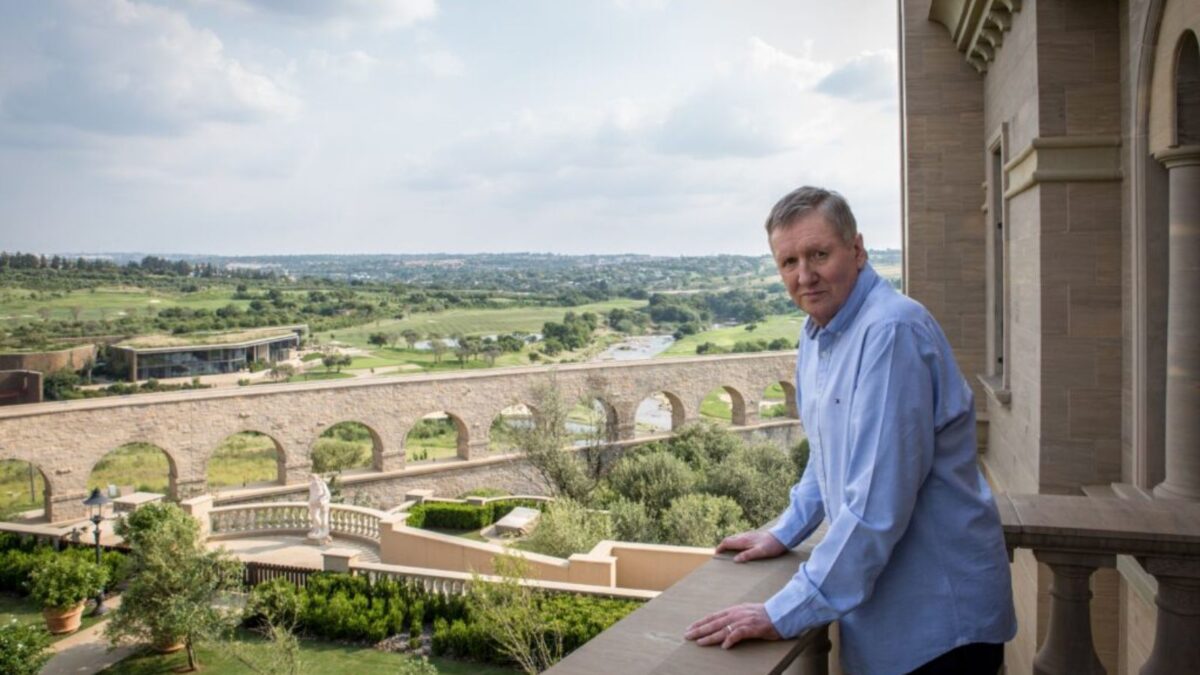
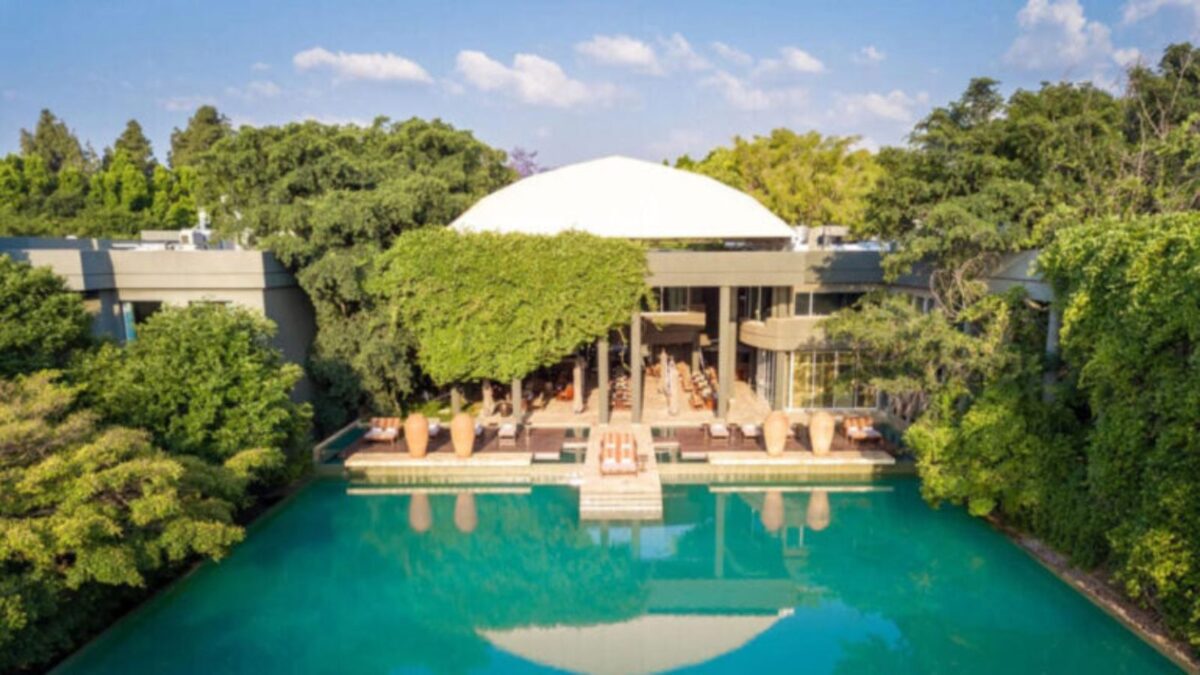
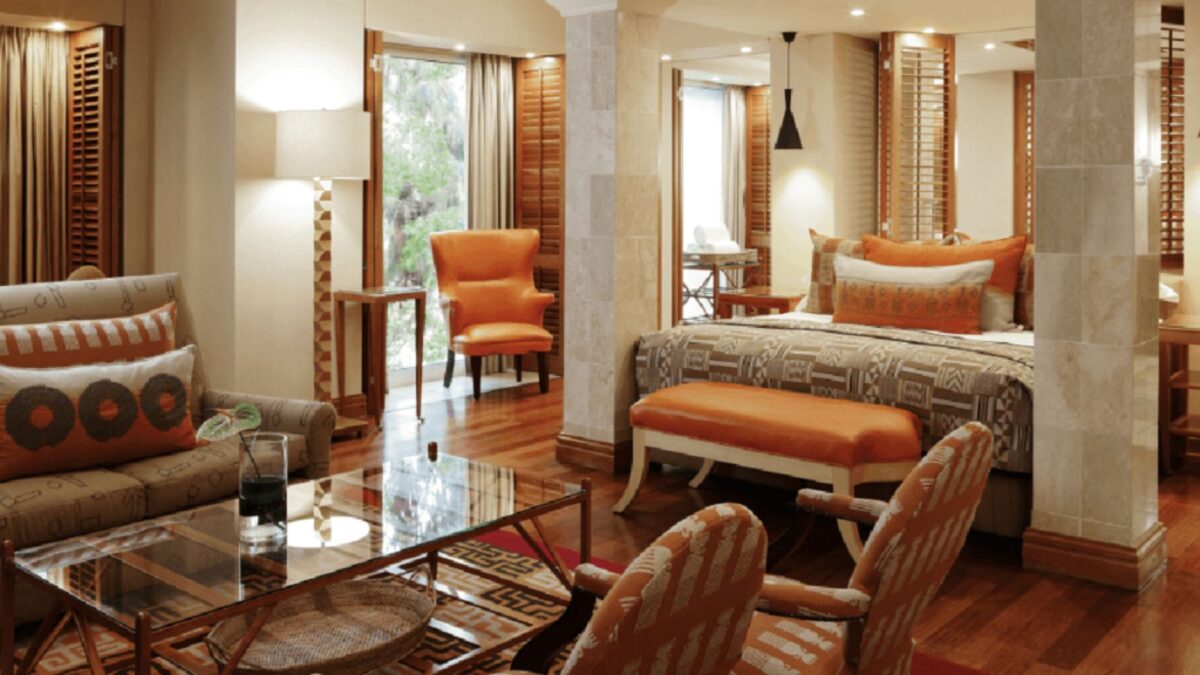
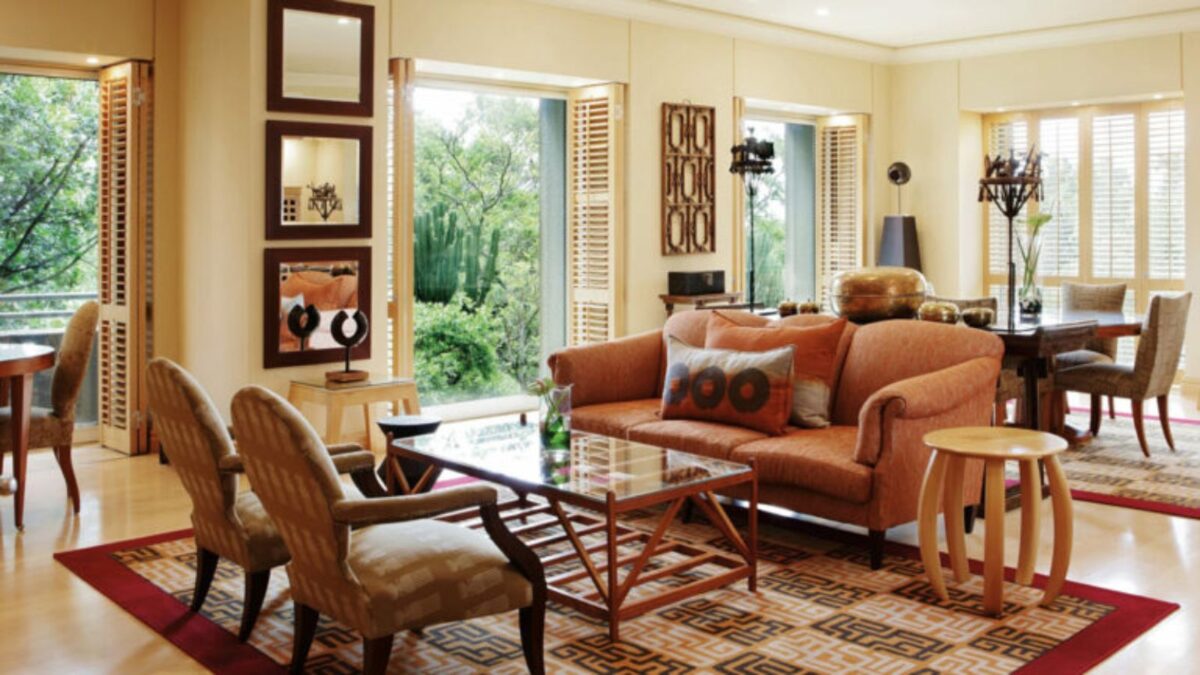
Billionaire Douw Steyn transformed his house in Sandhurst into the Saxon Hotel, which is regularly named among the world’s best boutique hotels.
Today, the hotel features 53 luxury suites, having been extensively renovated during the Covid-19 pandemic and welcoming the addition of the award-winning Saxon Spa.
Its first guest was Nelson Mandela, who stayed at the Steyns’ house after his release from prison in the 1990s.
The iconic freedom fighter wrote his autobiography, Long Walk to Freedom, in the ten acres of indigenous gardens.
Steyn wanted to ease the transition to democracy as much as he could, encouraging his friends to find lodgings for ANC members returning from exile.
While he was famous for being one of Mandela’s closest friends, Steyn is also one of South Africa’s most successful businessmen.
Steyn revolutionised insurance in South Africa and the United Kingdom, with his net worth being R70 billion at the time of his death on 4 February 2025.
Born in Brits in 1952 and educated in Linden, Steyn was a natural entrepreneur. To make extra money for his family, he performed magic tricks throughout his childhood.
Steyn was also not made for education, failing to finish his studies at the Rand Afrikaans University and Potchefstroom Universiteit vir Christelike Hoer Onderwys.
Instead of focusing on his studies, Steyn saved the money he made as a train conductor to attend a two-year business administration course in Germany.
With a completed course under his belt, Steyn returned to South Africa to work for his father’s real estate agency. This is where Steyn became fascinated with insurance.
Steyn’s first venture was Calamerica, a tiny insurance company based in California. After struggling to crack the American market, he returned to South Africa.
Timing was on Steyn’s side, with Crusader facing bankruptcy and looking for a buyer. Steyn stepped up and bought the business purely for its insurance broking licence.
He changed the name to Auto & General, began recapitalising the business, and set out to disrupt the local insurance market.
Steyn introduced telemarketing to South Africa and spearheaded the adoption of paperless insurance in the country. Auto & General was also the first company in the country to introduce debit orders.
In the 1990s, Steyn expanded the business overseas and replicated Auto & General’s success with Budget Insurance. This made him extremely rich.
Making a luxury hotel out of a house
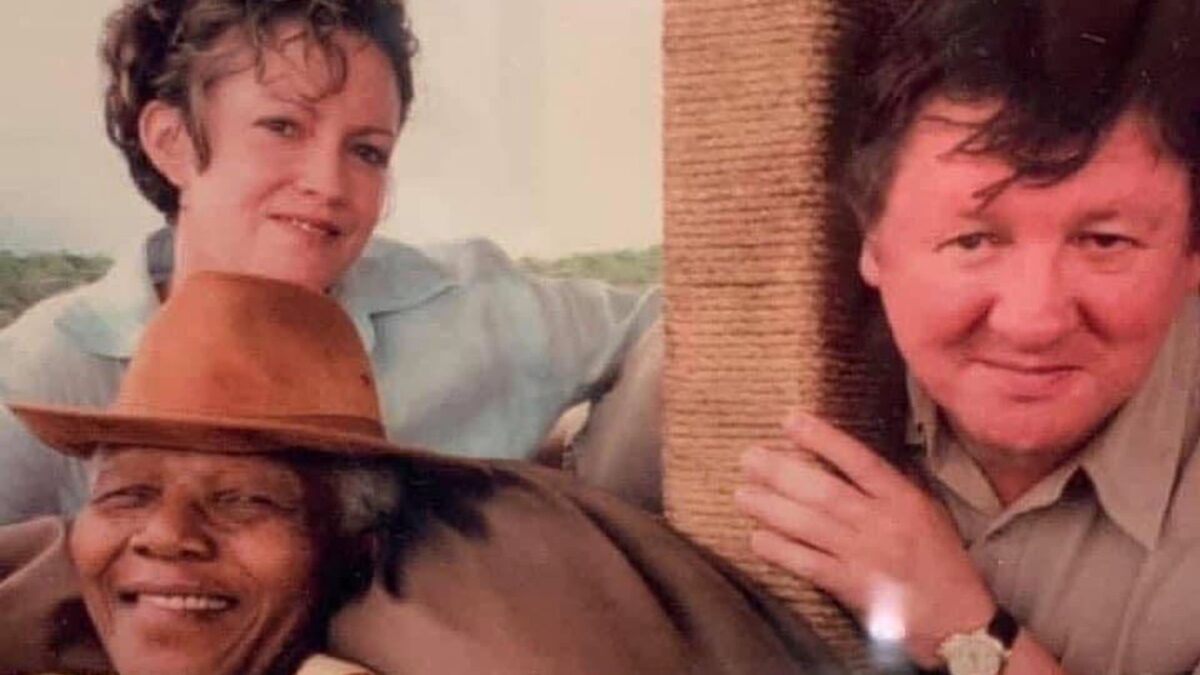
During the 1990s, Steyn became good friends with Mandela and befriended other prominent members of the ANC despite the potential risk to his business.
After Mandela was released from prison, Steyn offered to let him stay at his home just outside Sandton when he visited Johannesburg.
Steyn also organised numerous meetings with influential business leaders to help facilitate the transition to democracy.
This was relatively common at the time, with Anglo American and the Oppenheimers using the Carlton Hotel as a base of operations for ANC leaders to meet with prominent CEOs.
Steyn’s decision to let Mandela stay in his house inspired the creation of an ultra-luxury hotel on the premises. It is filled with artwork inspired by Mandela’s life and photographs of key moments in South African history.
The luxury Saxon Hotel was first opened in April 2000 as The Saxon Hotel Villas and Spa, with 26 suites and a conference centre.
The name itself comes from the Steyn family coat of arms. Throughout his life, Steyn referred to the house and then the hotel as The Saxon.
Mandela was lucky enough to live on the property, both as a house and as a hotel. The room he stayed in has been renamed the Nelson Mandela Platinum Suite.
The hotel has built a reputation for unequalled luxury, having been honoured by the World Travel Awards as the World’s Leading Boutique Hotel every year since its first participation in 2000.
Its spa was launched in 2006 and has been extensively renovated since then, becoming an award-winning wellness centre.
In 2010, the Saxon unveiled three new villas, each with a private dining library or boardroom, terrace, and heated plunge pool.
Today, the hotel has 53 suites and was extensively redesigned during the pandemic, with its interior completely refurbished.
The reception retains its distinctive chandelier and twin staircases, and the well-known Dean Simon artwork “Foresight and Hindsight: The Five Faces of Mandela” takes centre stage.
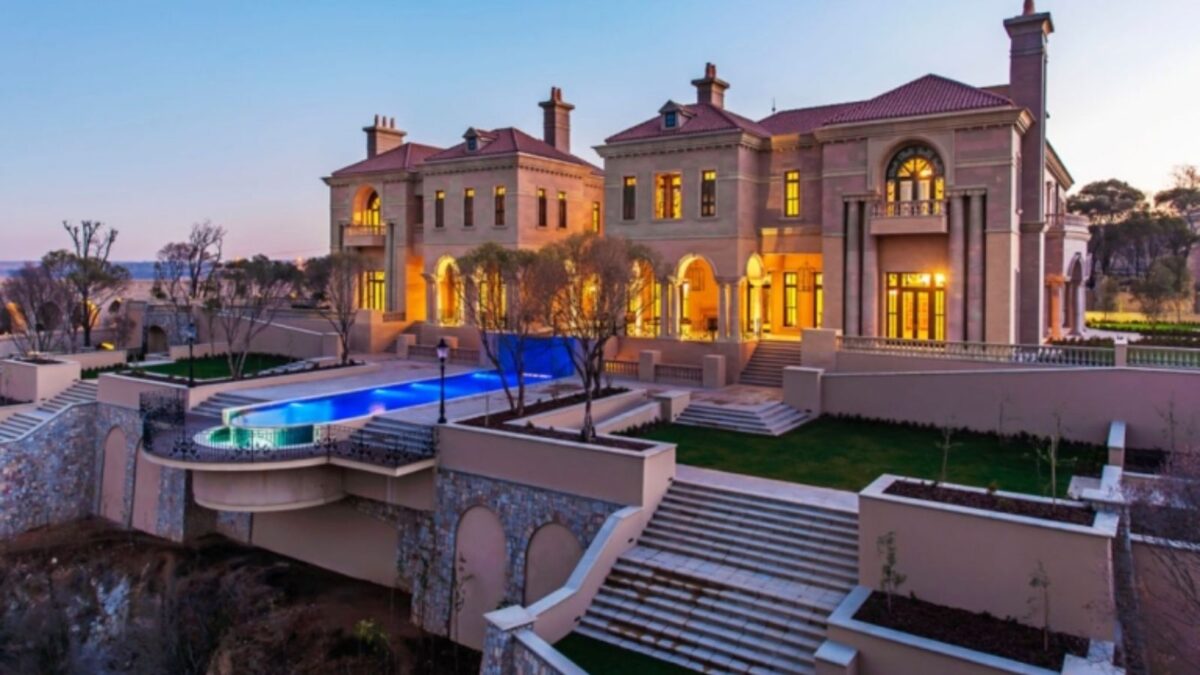
Later in his life, Steyn founded the Steyn City estate in northern Johannesburg and built a massive house for his family at its heart.
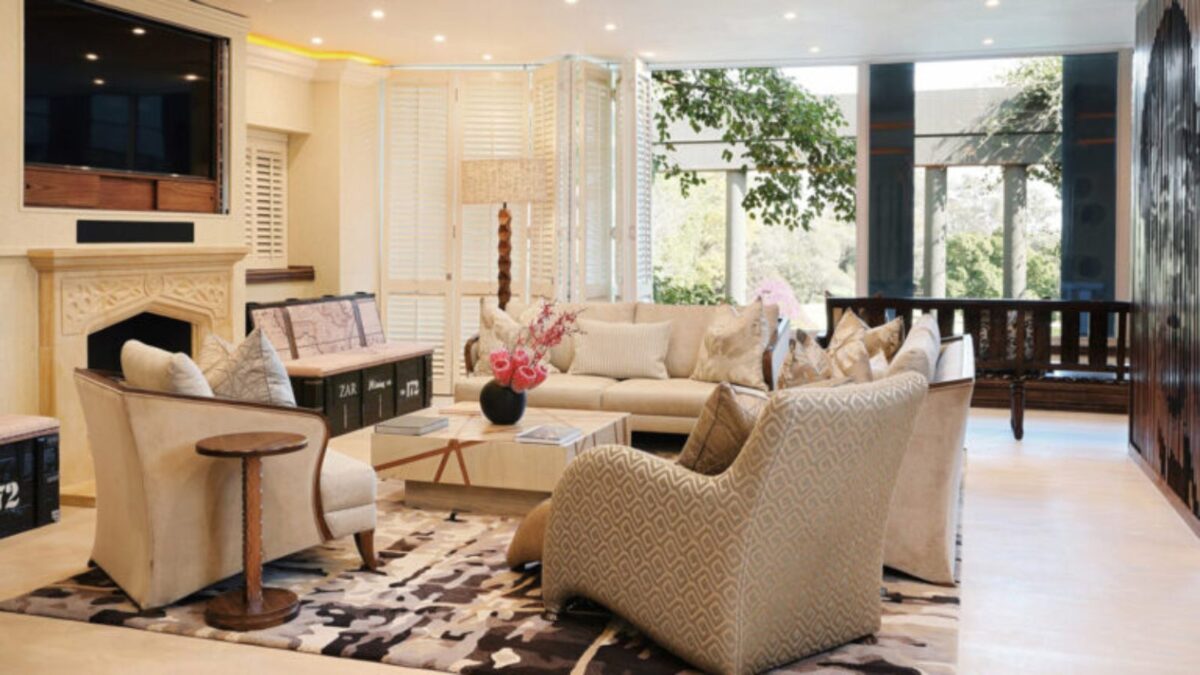
Inside the estate is the Steyn City Hotel by Saxon, which is operated by the same team that is behind the original Saxon. It has 52 high-end, serviced apartments and executive suites.
Steyn’s residence in the Waterberg has also been converted into a luxury hotel. Shambala, as it is now known, is a 30,000-acre private game reserve with eight chalets designed in traditional Zulu architecture.
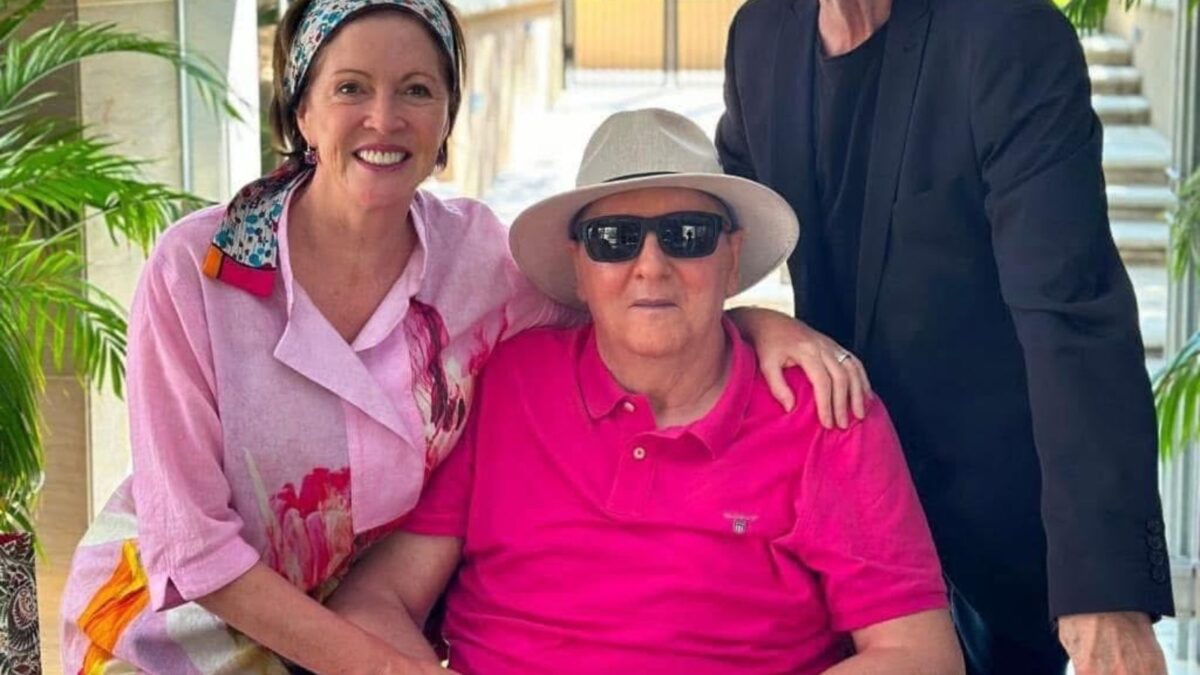
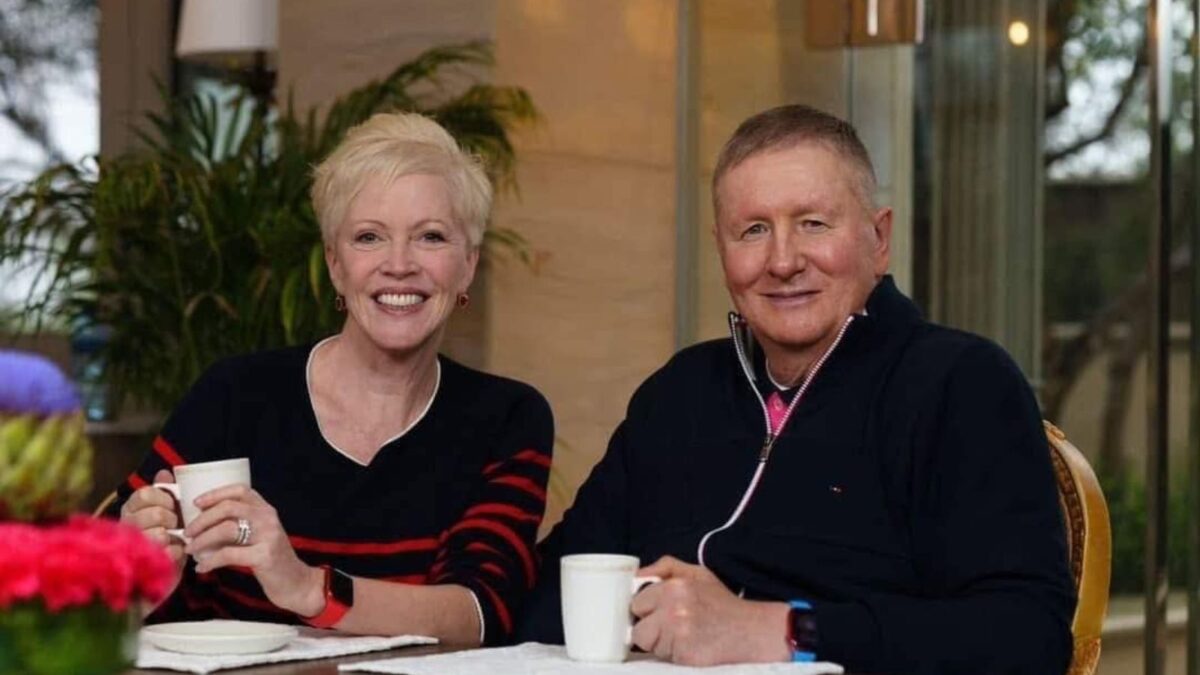
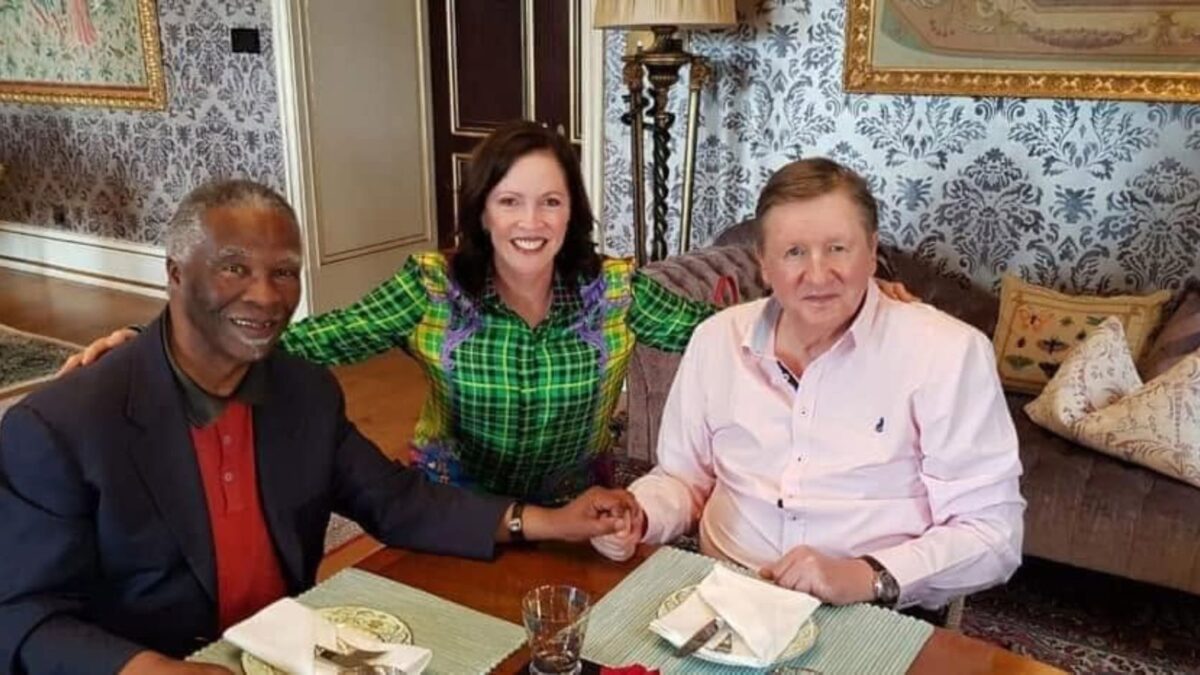
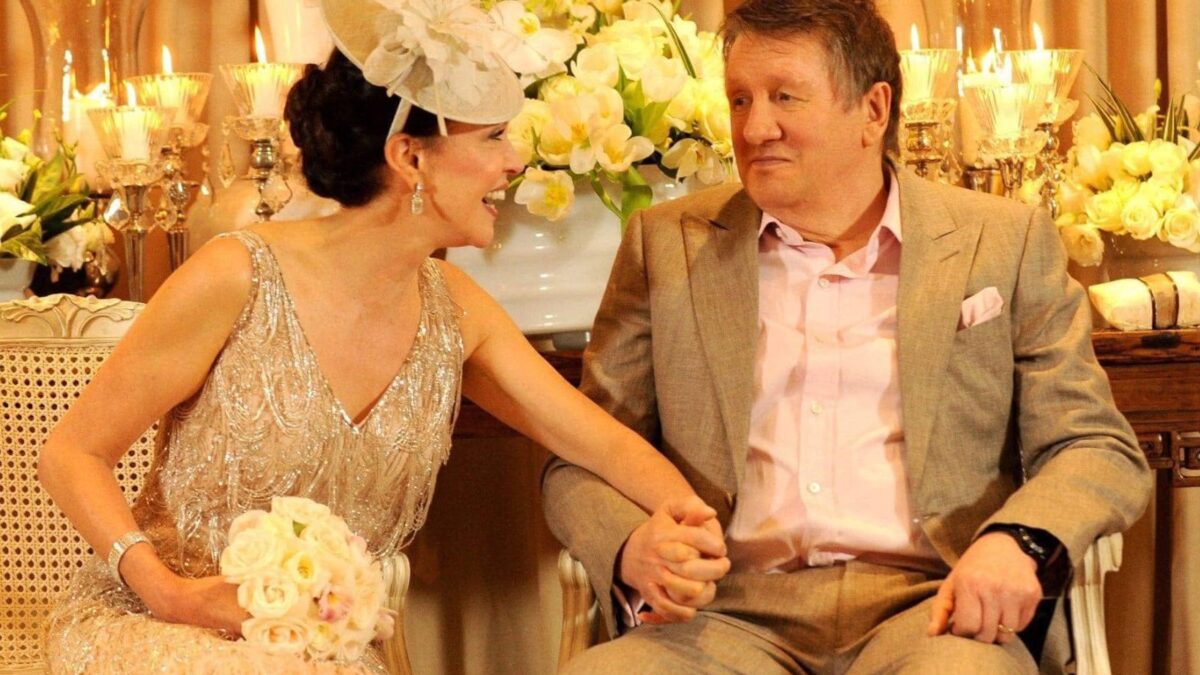
Images of Douw Steyn, The Saxon Hotel, and Steyn City









 Loading ...
How is this a news article?