
The legendary CEO who chose a girl over becoming a doctor and built South Africa’s biggest retailer


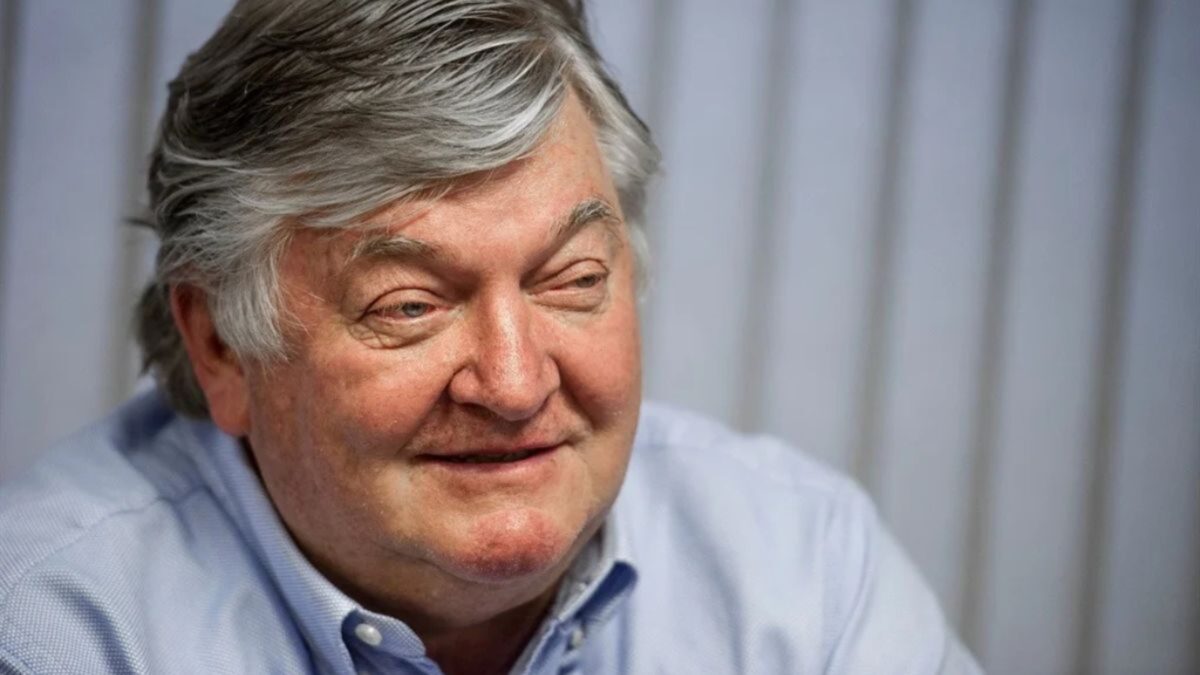
James Wellwood Basson, known to everyone as Whitey, is one of South Africa’s most successful CEOs and the man who made Shoprite the biggest retailer in Africa.
Basson was Shoprite’s CEO for 37 years and, in that time, took the company from an industry laggard to South Africa’s biggest and most successful retail empire.
Basson was born in Porterville, a town located at the foot of the Olifants River Mountain, close to Piketberg. Named after a Scottish man his father knew, “James Bellwood” stood out like a sore thumb in the small Western Cape town.
His father decided to shorten the middle name to “W”, which, along with the blond hair he sported as a child, earned him the nickname “Whitey”.
Basson came from a prominent family, with both his maternal grandfather and father having practised law. His father was one of the longest-serving Members of Parliament for the United Party under former Prime Minister Jan Smuts.
The Basson family was also involved in the retail industry, owning local bottle stores. This gave Basson an early introduction to the business world and retail.
However, Basson had no intention of following in his family’s footsteps. He wanted to become a medical doctor.
He was inspired by the doctors he saw growing up in Porterville,“because they had the biggest motorcars and they were the richest guys in town, he told True North.
Basson applied and was admitted to the University of Cape Town to study medicine, but these plans did not pan out for two reasons.
Firstly, his mother reminded him that he was afraid of blood. Secondly, he met a girl while holidaying in the Strand.
Since his medical studies would have started in mid-January, it would have cut short his time with this woman. Thus, he decided to switch faculties, giving him ten more days to spend with her.
The decision of which faculty to switch to was easy. His family employed an accountant, so he started studying accounting.
Basson also transferred his studies to Stellenbosch University, where he met the man who would later become one of his most important business partners, Christo Wiese.
Basson’s early career
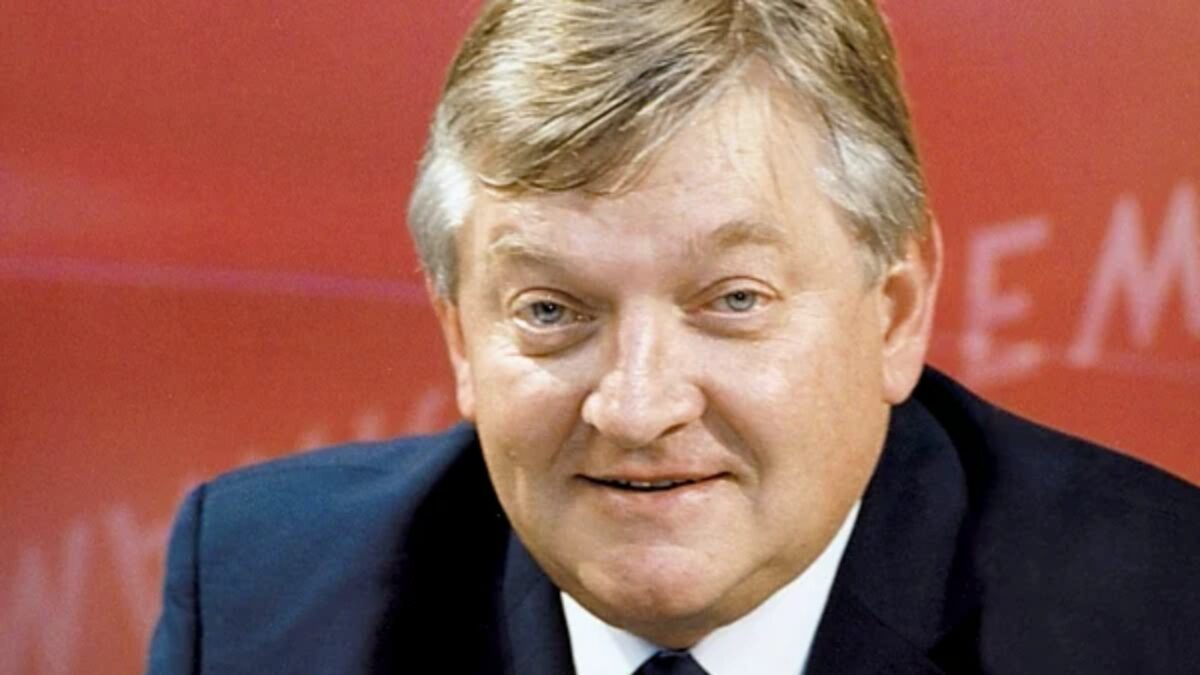
Basson completed his accounting degree at Stellenbosch University and went on to do his articles at Ernst & Young.
After completing his articles, Basson sought experience in a similar but smaller environment and decided to join Brink, a firm that would later become part of PwC.
At Brink, Basson spent most of his time doing tax work and handling audits for large corporations, one of which was a rapidly growing clothing retailer called Pep Stores.
Basson was immediately drawn to Pep Stores’ scale and mission to provide affordable clothing to uplift underserved communities.
In 1971, Basson was the auditor for Pep Stores and assisted the company in its bid to list on the Johannesburg Stock Exchange (JSE).
Three years later, Pep Stores’ founder, Renier van Rooyen, asked the 28-year-old Basson to join his company as a business director. There, he would once again come across his university friend, Wiese.
For the next four years, Basson essentially became the man in charge at Pep Stores, running the company while Wiese stepped away to focus on his other business pursuits.
Under Van Rooyen’s mentorship, Basson learned quickly, gaining a deep understanding of the retail industry.
However, upon Wiese’s return in 1979, he and Basson started to clash over how the business should be run. To spare their friendship, Basson decided it was best to leave the company.
This is also when Basson decided that he wanted his next challenge to be food retail, and he travelled to Europe to prepare for his entry into the sector.
There, he studied major discount supermarket models and almost became involved in a joint venture to bring a limited-assortment supermarket model to South Africa.
However, before he could take that leap, he received a phone call that would change his life: a small, eight-store family business in the Western Cape was up for sale, and they wanted Basson to take over.
So, in 1979, Basson packed up his car and his briefcase, took five colleagues with him, and moved into a cramped office above a storeroom in Lansdowne.
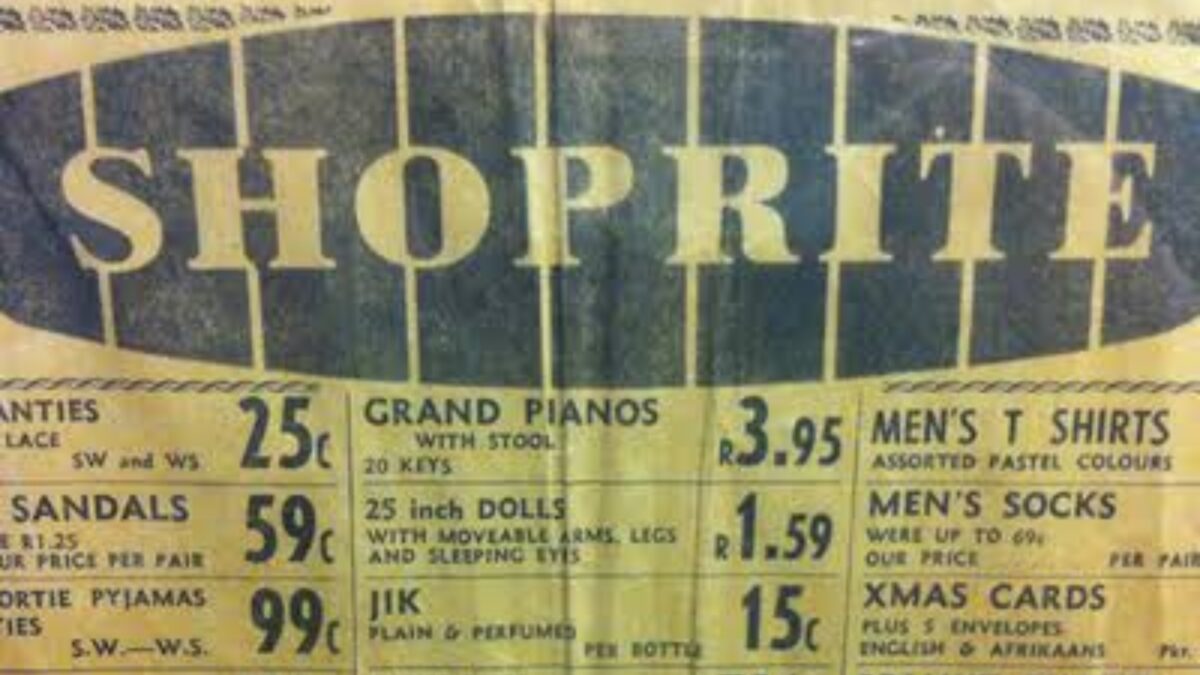
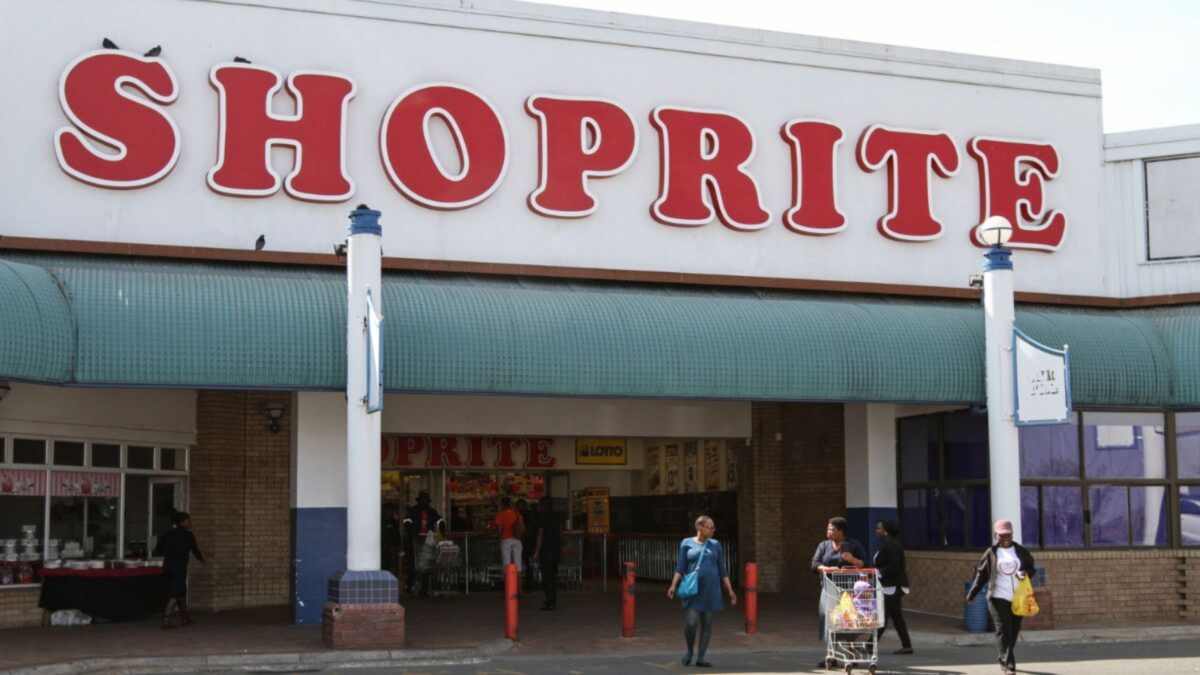
He had just bought Shoprite, which was originally founded by the Rogut family, and was intent on making it a success.
Basson at Shoprite
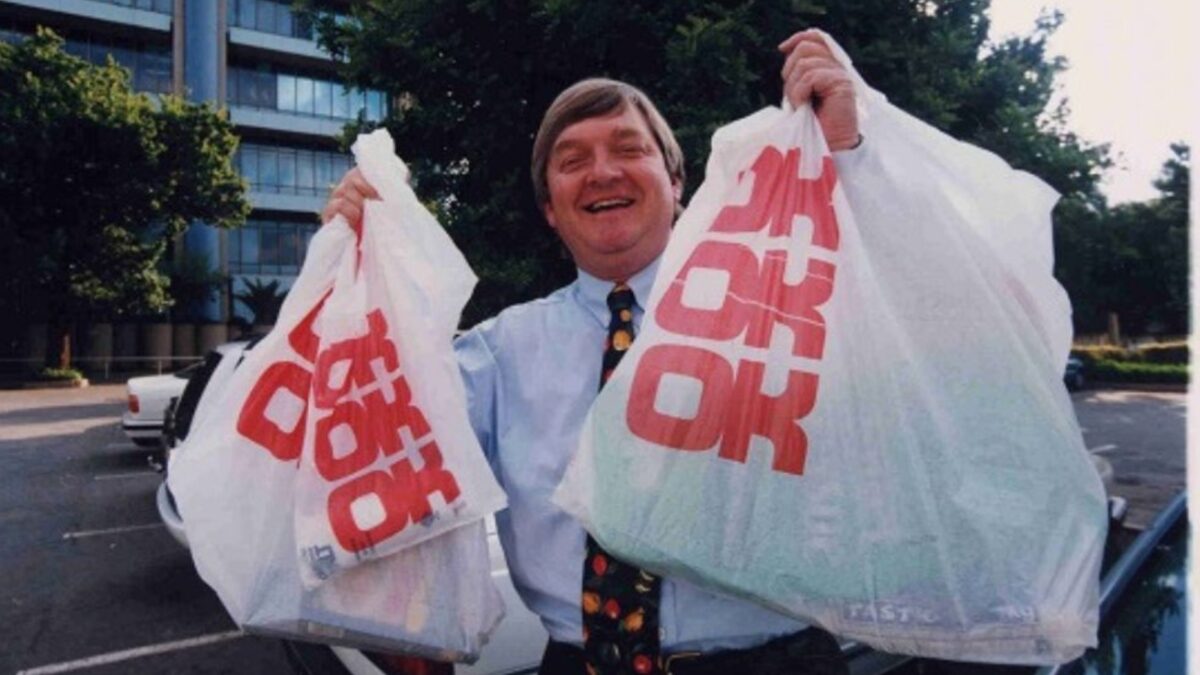
Starting with eight stores, Basson had big plans to grow Shoprite into a retail empire. His strategy was rooted in recognising the “railway track” of where he wanted to go and the stations along the way.
This strategy required hard work, which Basson was willing to do. He told True North that he would drive from store to store, and that there were many nights when he slept on store floors.
He surrounded himself with people who were better at their jobs than he was, which gave him a keen insight into the work it takes to run a successful retail business.
Once he had become acquainted with the ins and outs of Shoprite, Basson knew it was time for expansion, and he sealed two major deals that would go down in South African retail history.
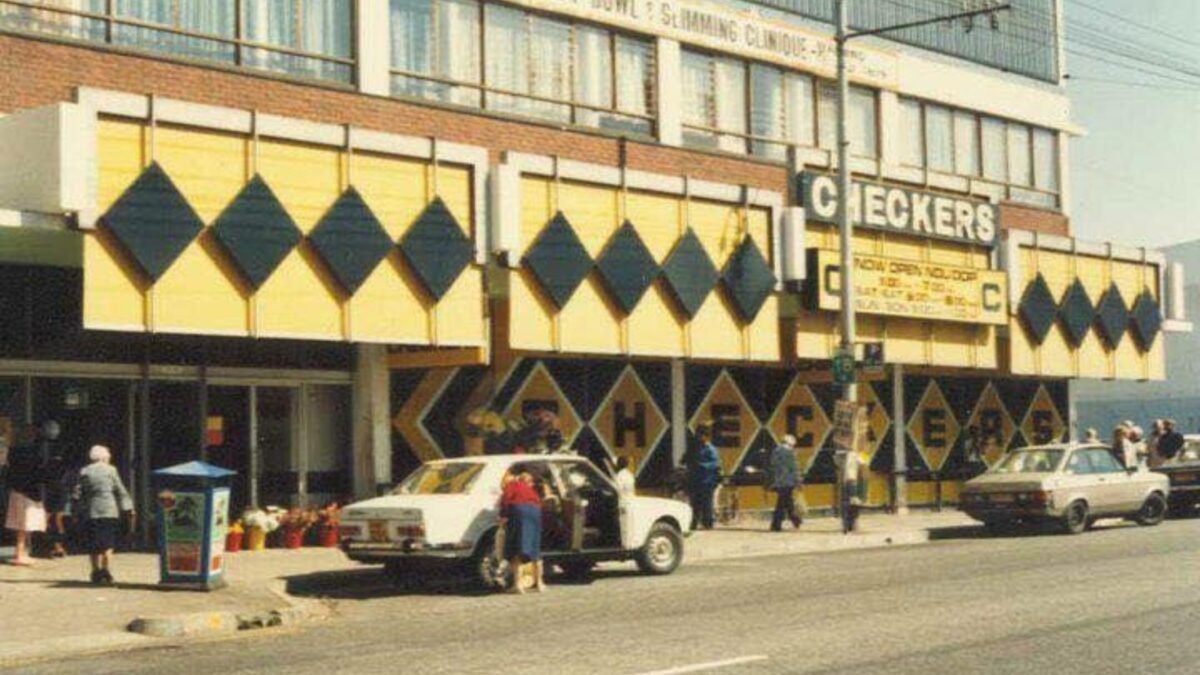
The first was a merger with Checkers in 1991. At that time, Checkers was making heavy losses year after year and required urgent intervention.
From day one, Basson knew that he had to make major changes at Checkers if there was any hope of rescuing the company.
He told The Money Show that he had been served an extravagant, multi-course lunch by Checkers executives, served by waiters wearing white gloves.
This rubbed Basson the wrong way, and he told the executives that this opulence was in direct conflict with the company’s bleeding-money situation.
A change was needed, and the very next day, Basson locked the executive dining room and said that was their “Last Supper”.
His approach worked. Under Basson’s leadership, Checkers returned to profitability in only nine months and became a core part of the Shoprite Group’s success.
The second deal came in 1997, when Basson made what is now considered one of the boldest moves in South African corporate history.
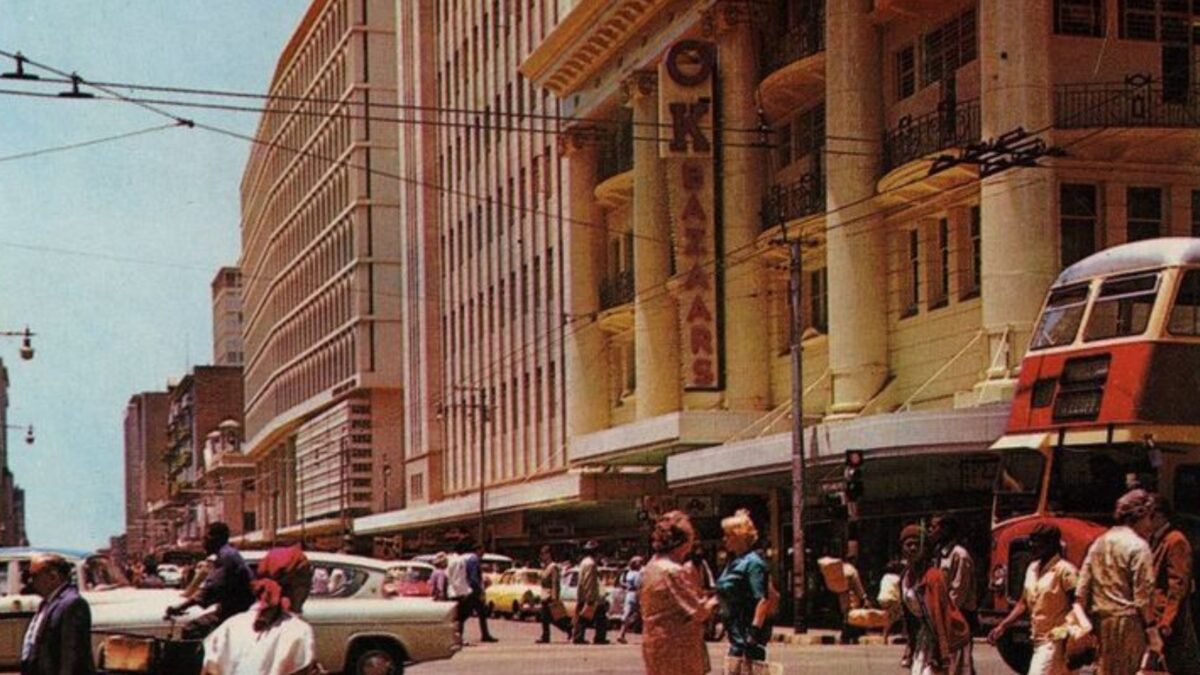
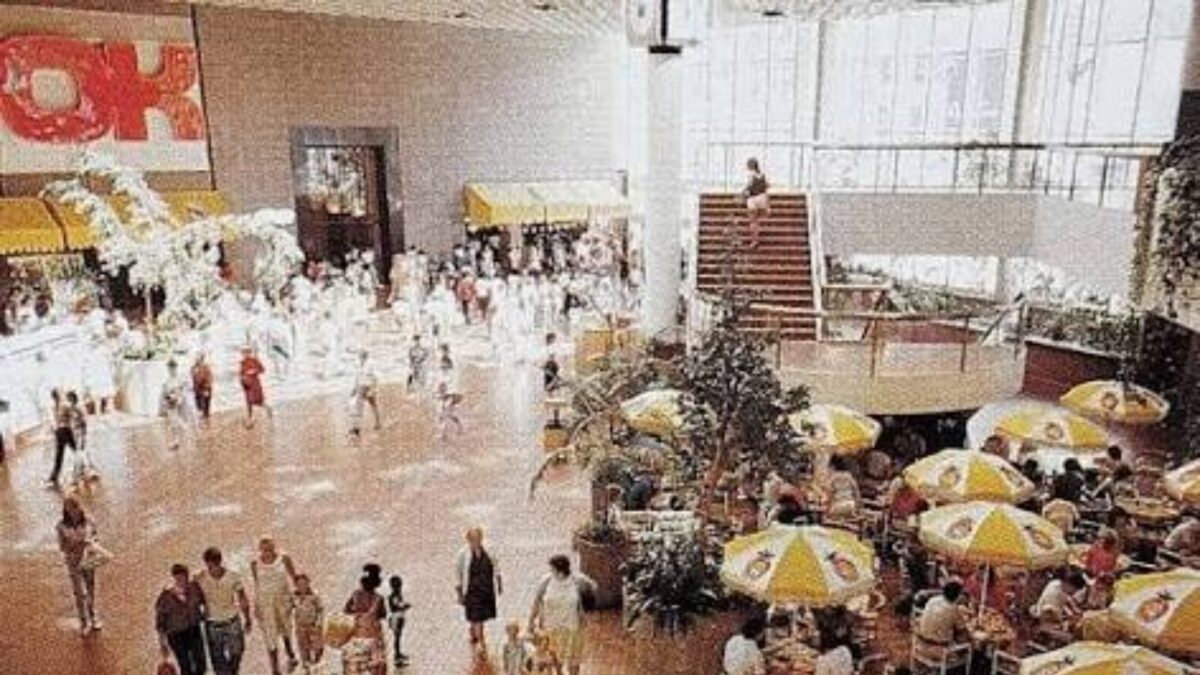
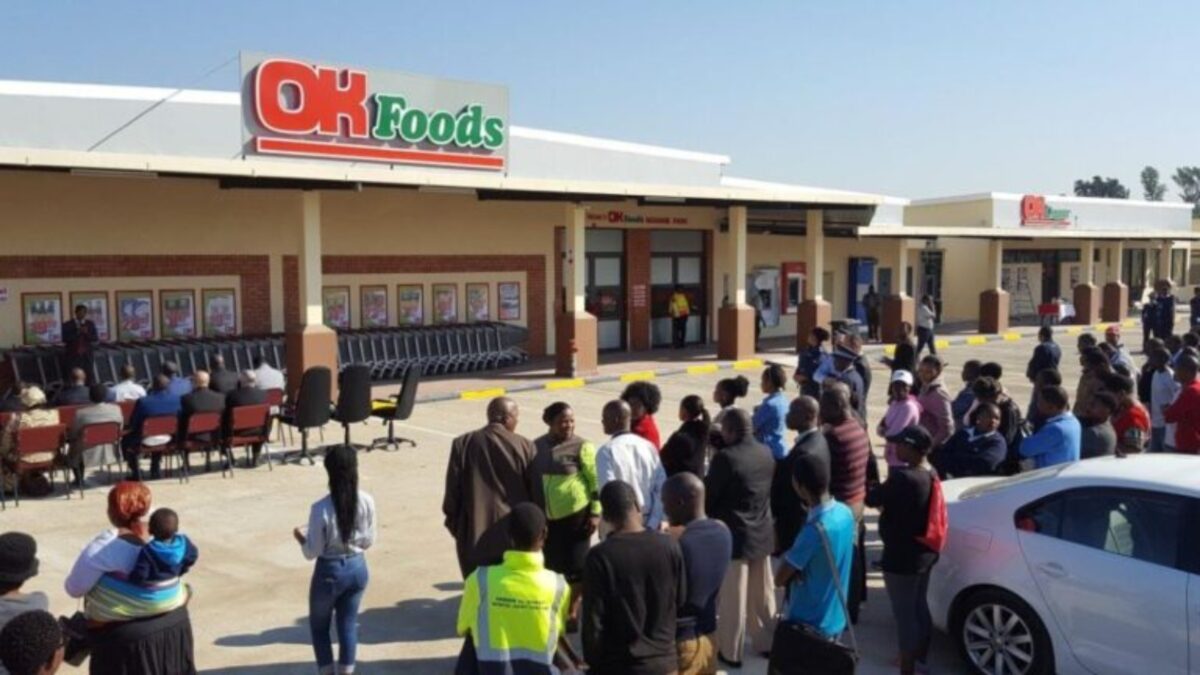
Basson bought out the struggling OK Bazaars from South African Breweries for R1. He bought the company cheaply because it had been posting huge losses.
Immediately, Basson identified OK’s problems and their solutions. He slashed overhead costs, retained the strong brand name, and overhauled the retailer’s footprint.
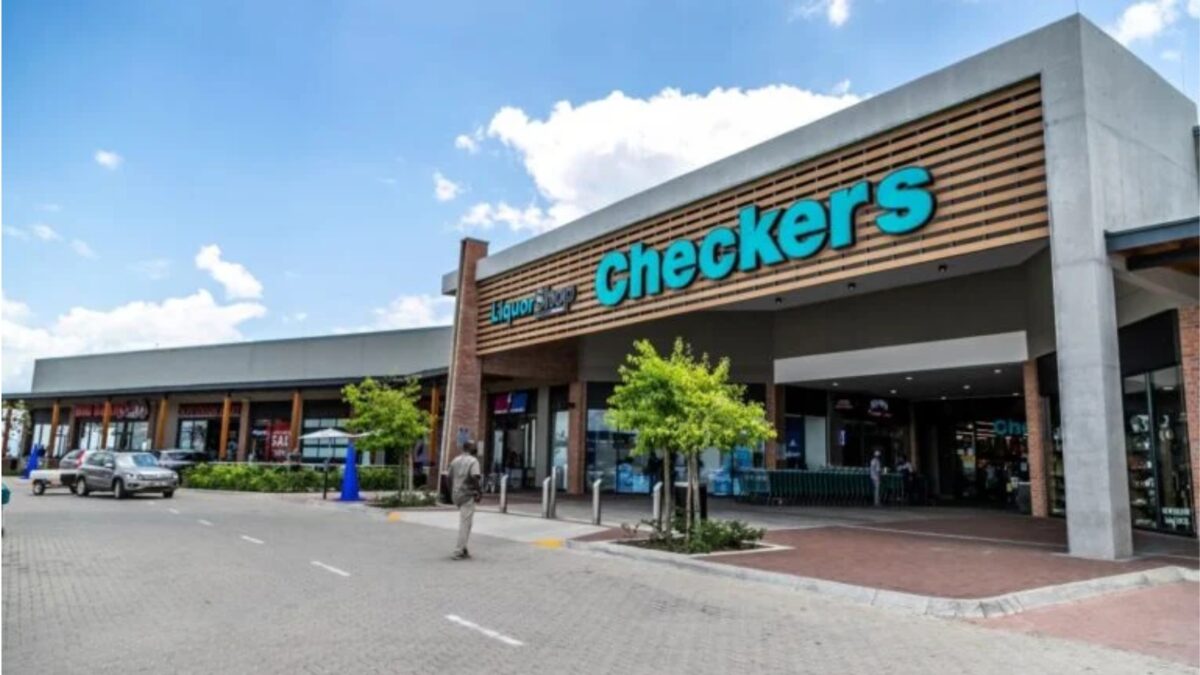
With OK Bazaars and Checkers now part of the Shoprite Group, Basson could also segment the market. Checkers catered to high-income consumers, Shoprite to the middle market, and OK operated as a franchise in the emerging market.
This strategy, which is still in place today, enabled Basson to build Shoprite into a retail empire and the continent’s largest food retailer.
By the time Basson retired, Shoprite had grown to 2,214 stores. Today, the company boasts 3,655 stores across eight African countries and has a market capitalisation of R165.18 billion on the JSE.
Basson retired from the CEO position in 2016 after 37 years at the helm. Today, his life is a mix of philanthropy, mentorship, investing, and staying connected to the business world.
He established the Whitey Basson Bursary Trust, which supports previously disadvantaged individuals who need a chance to succeed.
He told CNBC Africa that he works three days a week and enjoys playing golf on his days off. He has no interest in returning to the retail world, content with his current pace of life.
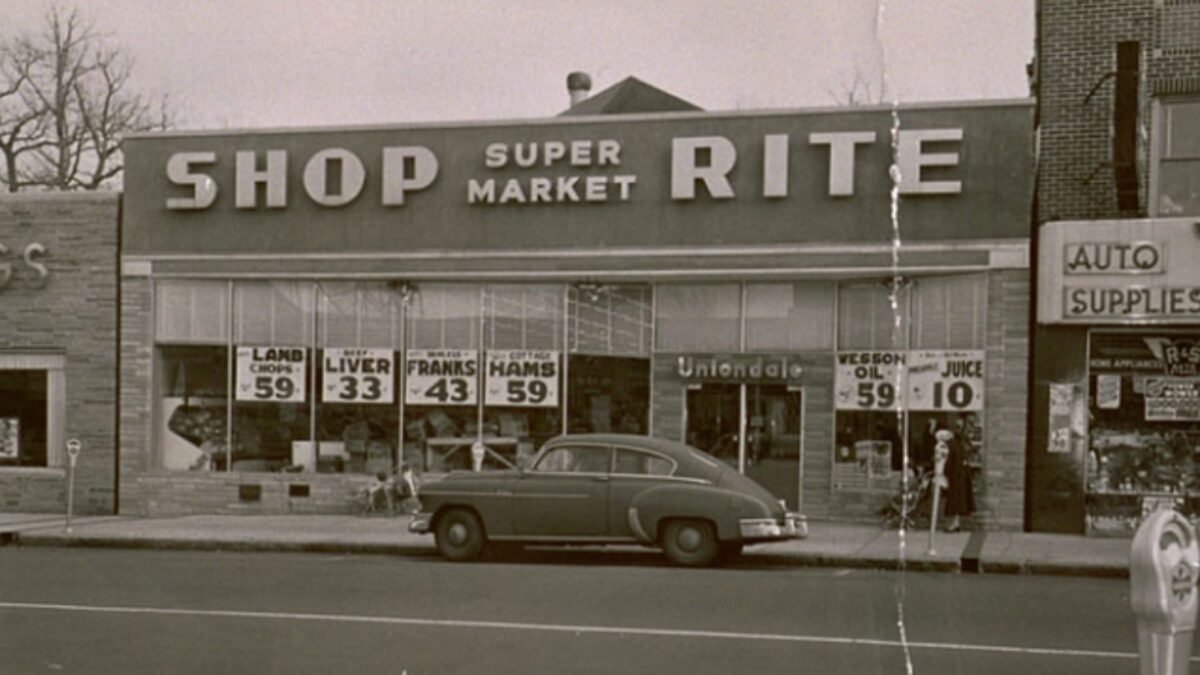
Whitey Basson and Shoprite










 Loading ...
Best CEO South Africa has ever produce The legendary CEO.🌟👀