
City Power spent R121 million in one area but power outages remain


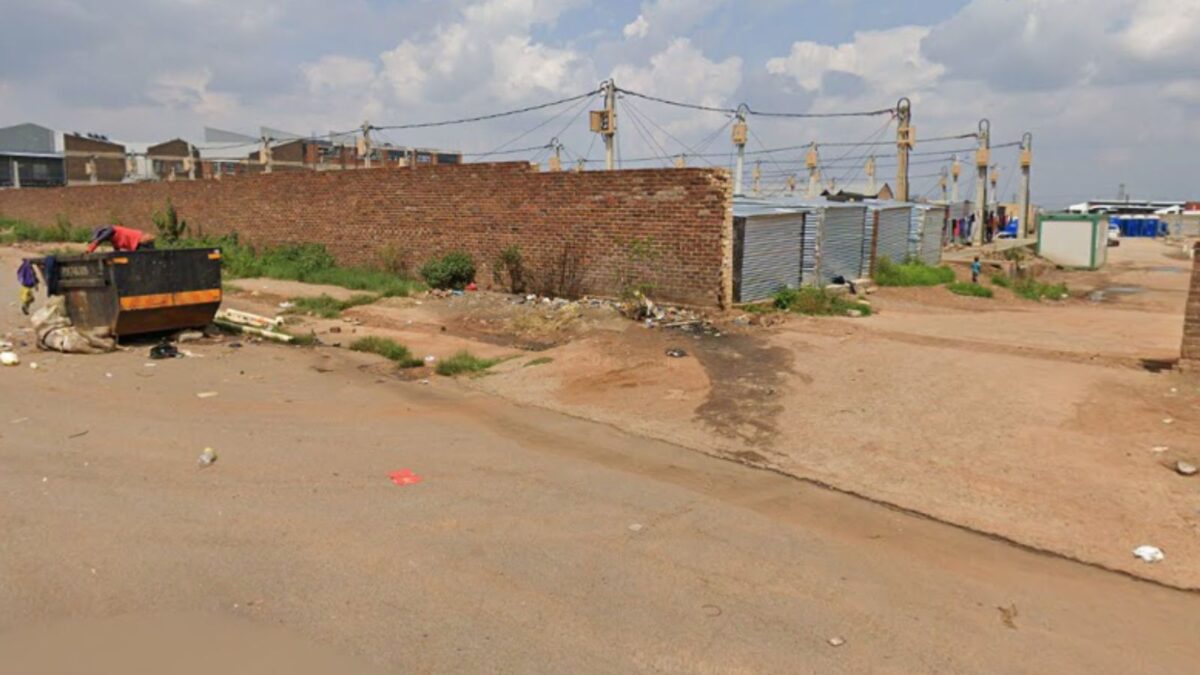
The Shalazile settlement has experienced ongoing power outages despite City Power spending R121 million on electricity infrastructure in the area.
Shalazile is a small, informal settlement in Denver, in the Southern part of Johannesburg’s inner city.
The settlement sits on land previously owned by Johannesburg’s Metro Police Department for storing vehicles, but it was later abandoned.
In 2023, the land was repurposed to house survivors of the Usindiso building fire that happened in the city’s central business district.
The Usindiso fire claimed 77 lives, and revealed the poor state of many buildings in the centre of Johannesburg.
Many of the survivors still live in the Shalazile settlement, where power outages and poor living conditions are rife.
The persistent outages are occurring despite the city spending R121 million to provide electricity to the area after it became a settlement.
Reportedly, City Power overpaid contractors for work that should have cost closer to R11 million.
City Power then allegedly attempted to hide this over-expenditure on infrastructure after writing it off.
The lack of service delivery in the area is due to non-working infrastructure installed during the city’s electrification project.
Shalazile residents said power cuts occur almost daily, despite the city installing solar panels.
The city finished installing the solar panels in 2025, but residents claim that many of them do not work or are inefficient.
Residents shared concerns about increasing crime in the area, where 40 people have been killed due to violence.
The area also lacks adequate stormwater drainage, posing flooding risks to residents and creating an unsanitary environment.
The unsanitary environment is exacerbated by the lack of restroom facilities, forcing residents to use buckets.
The lack of basic services in Shalazile has created an inhumane environment for victims of one of the worst building fires in South Africa’s history.
The problem is bigger than one area
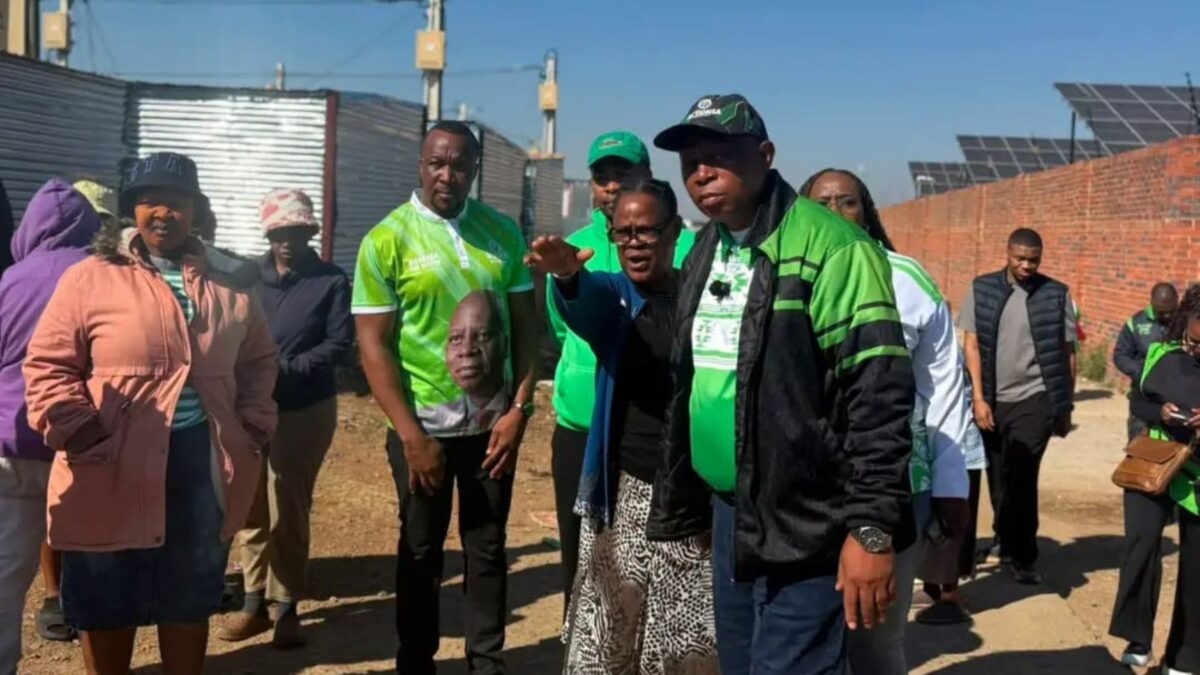
ActionSA president Herman Mashaba said the poor conditions in Shalazile point to a lack of consequence management in government.
“Public sector corruption persists due to an embedded culture of poor consequence management,” he said.
Johannesburg’s irregular electricity spending for Shalazile is part of a broader trend in the city’s finances.
In the 2025 financial year, the city had nearly R1.98 billion in unauthorised or irregular expenditure.
This was the second-highest among South Africa’s metros, with Pretoria’s Tshwane municipality accumulating R2.4 billion.
Irregular expenditure is often used as a measure of corruption, referring to funds auditors believe were spent incorrectly.
Johannesburg’s poor performance in Shalazile is not an isolated incident, as the city struggles to provide services across many areas.
Water outages are common in many areas, with deteriorating infrastructure and a lack of maintenance often leaving residents without water.
Recently, trash has started to pile up in the city’s streets because refuse removal services have failed to adequately serve residents.
The city’s waste management company, Pikitup, was suffering from ballooning operating costs and persistent strikes from workers calling for permanent positions.
The company also struggled to maintain its vehicles and to travel long distances after the city closed many of its landfills.
This has left residents in many areas without refuse collection, with uncollected trash piling up in the city streets.
The city’s service delivery troubles stem from a lack of maintenance and infrastructure upgrades.
It is also in dire straits with service providers, owing large debts to bulk suppliers such as Eskom and Rand Water.
Johannesburg owes Eskom roughly R5.2 billion in historic debt for bulk electricity purchases, and owes Rand Water approximately R3.1 billion.



 Loading ...
The R1.98 billion in irregular spending could have fully financed the following.
1. R646.6 million for the Department of Environment’s air-quality monitoring.
2. R680.5 million for Co-operative Governance (Cogta) municipal stabilization.
It also surpasses the R1.40 billion allocated for Provincial Legislature operations and parliamentary oversight. You can review the official Auditor-General reports for more details on these budget allocations.
But see this utterly bad budget to be looted
Office of the Premier (Administrative Vote)R1.60 billion: Provincial executive coordination, planning, and strategic leadership.