
Criminals walk free because of problems at South Africa’s Forensic Science Laboratory


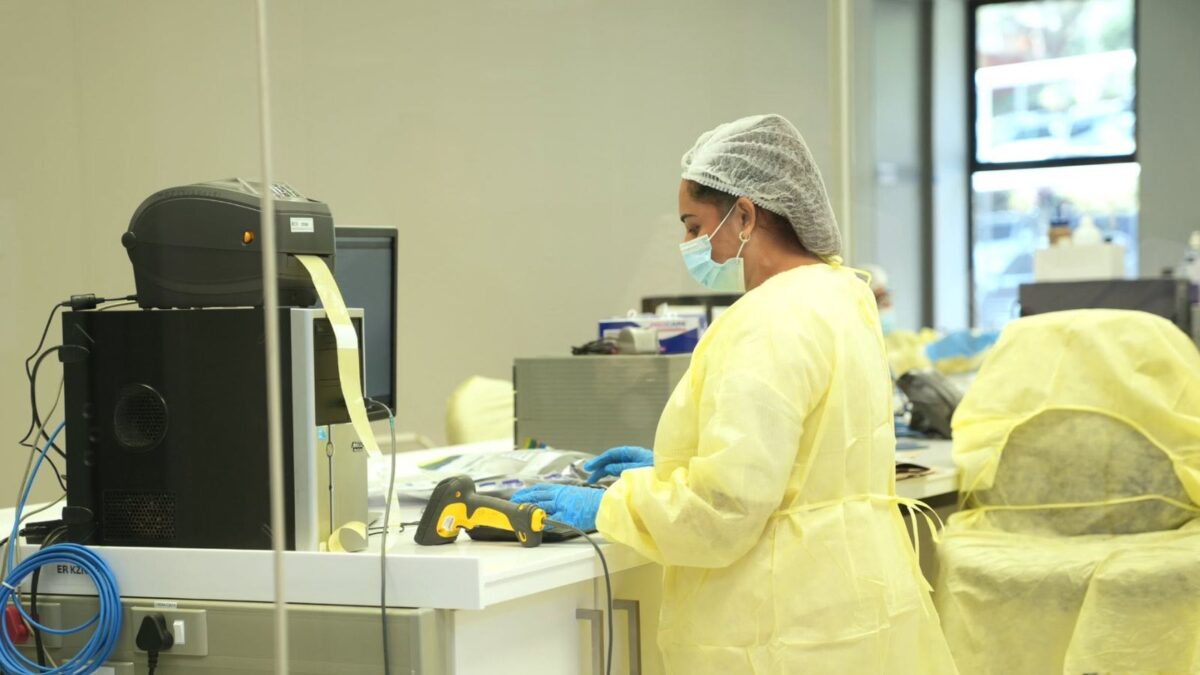
South Africa’s Forensic Science Laboratory (FSL) currently has a backlog of nearly 50,000 DNA samples, a vital part of criminal investigations.
Democratic Alliance (DA) MP Ian Cameron said he was informed of the backlog by laboratory insiders.
These insiders say there are currently 50,000 crime scene DNA samples awaiting analysis, and another backlog of up to 250,000 reference index samples.
Reference index samples refer to DNA which is collected from people already known in an investigation, to help analysts identify other DNA samples.
These crime scene samples are vital to the South African Police Service (SAPS) in identifying suspects in criminal investigations.
The samples are particularly related to violent crimes, such as murder and rape, where DNA evidence is a crucial part of successfully convicting suspects.
Cameron also said that Forensic Science Laboratory insiders claim that only one DNA sample is being processed for each crime.
Usually, four to six samples are processed for each investigation to ensure that detectives have accurate information before identifying suspects.
Cameron said the FSL is also under pressure from analysts, who are currently refusing to work because of incomplete medical surveillance.
Medical surveillance is done to ensure that these analysts have not been exposed to any hazards while working.
Surveillance is supposed to occur every six months, but analysts say it has not been conducted for over two years.
This raises further doubts about how long the FSL’s current backlog will take to clear, or whether it will continue to grow.
Cameron said the DNA samples are vital to the country, as they help ensure criminals face justice for their actions.
“When samples are not processed, detectives are weakened, prosecutors are left with poor evidence, suspects are not linked to crimes, and victims wait longer for justice,” he said.
He said the reports from insiders should be verified by the SAPS, and the true backlog must be made public, along with plans to address it.
The lack of DNA evidence being processed is particularly concerning, given South Africa’s high crime rate.
In the first quarter of 2026, SAPS recorded over 5,000 murders around the country and over 12,000 sexual assault cases.
Of these 12,000 cases of sexual assault, roughly 9,800 were rape cases, where DNA evidence is often a key part of SAPS investigations.
In South Africa, less than 10% of rape cases reported to the police end in a conviction, which is in danger of being lower without adequate support from the FSL.








 Loading ...
THIS is not a surprise as every thing our useless, corrupted ANC Cadres touch, turned into one big DISASTER. Show me 1 SOE that did not fall part???? NONE. Did they build or make a success of anything in 32 years? NO. I call them the DESTROYERS that the bible talk about.