
President Cyril Ramaphosa gives details about making petrol and diesel more affordable


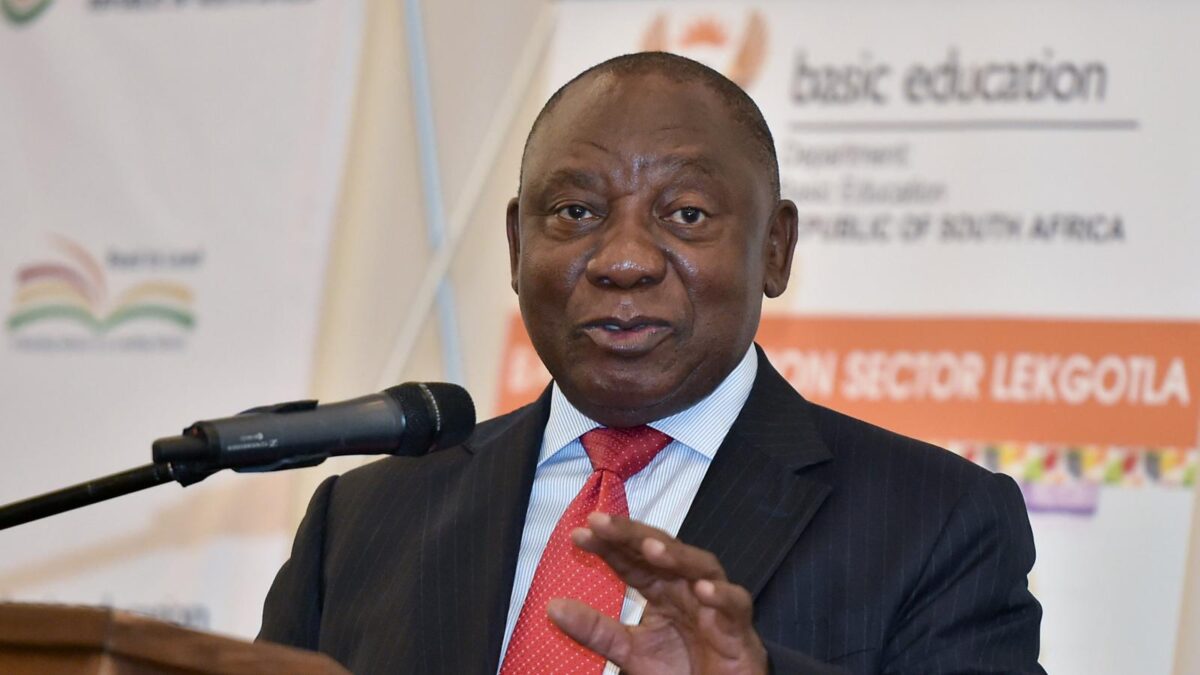
President Cyril Ramaphosa said the government is doing a great deal to make petrol and diesel more affordable to South Africans.
Ramaphosa shared this information during a parliamentary question-and-answer session on fuel costs in the country.
The President explained that the Middle East conflict, which began in February 2026, caused a shock to the global economy and disrupted the crude oil supply.
“Prior to the conflict in the Middle East, fuel prices in South Africa had, on average, declined,” Ramaphosa said.
“This decline was due to the lowering of crude oil prices and strengthening of the rand-dollar exchange rate earlier in the year.”
However, after the war in Iran, oil prices rapidly increased, and the rand weakened against the US Dollar. This, in turn, significantly increased petrol and diesel prices.
In response to this shock, the government delayed the planned fuel levy adjustments announced in the 2026 Budget.
It has also implemented short-term fuel levy relief for both petrol and diesel from April until the end of June 2026.
This intervention was needed to cushion fuel consumers and households from higher fuel and food prices.
In April 2026, the general fuel levy for petrol and diesel was reduced by R3 per litre, which helped to cushion the fuel price increases.
In May 2026, the R3 per litre for petrol continued, and the general fuel levy for diesel was reduced by R3.93 per litre, taking the general fuel levy on diesel to zero.
“The relief measures are expected to cost around R17.2 billion in foregone revenue,” Ramaphosa explained.
He added that there are several additional measures in the tax system to mitigate the impact of high fuel prices.
“The agriculture sector qualifies for a refund of 100% of the RAF levy and 40% of the fuel levy for eligible diesel fuel purchases,” he said.
The President added that transport fuels are zero-rated for value-added tax (VAT) purposes, which brings further relief.
Helping low-income families in South Africa
Ramaphosa added that they have launched many initiatives to ensure that salaries can keep pace with the cost of living.
“The zero-rating of 21 basic food items helps to reduce the cost of those products for low-income households,” he said.
“The government has also implemented a range of interventions to protect the incomes and livelihoods of vulnerable workers.”
Central among these interventions is the National Minimum Wage (NMW), which has benefited an estimated six million workers since its introduction in 2019.
Annual adjustments to the NMW are informed by recommendations of the National Minimum Wage Commission.
This commission includes representatives from organised business, organised labour and community constituencies.
Decisions are also informed by the feedback from independent experts with specialist knowledge of labour market dynamics.
“On 1 March 2026, the NMW increased from R28.79 to R30.23 per hour, comprising a 3.5% inflation-linked increase and an additional 1.5% real increase,” he said.
This minimum wage increase supported workers’ purchasing power amid rising food and transport costs.
“Analysis by the University of Cape Town showed that South Africa’s NMW remains relatively high compared to the broader wage distribution,” Ramaphosa said.
The wage protection framework is complemented by broader interventions, including skills development and training initiatives.
There are also active labour market programmes, employment creation measures, support for small, medium and micro enterprises, and social protection measures.


 Loading ...
The government should provide clarification regarding the decision to disregard Sasol’s continued viability as a 100% state-controlled entity, particularly given its historical role in producing oil and petrol from domestic coal. Such an asset would typically serve as a crucial buffer against price increases for consumers, especially during periods of economic volatility. Furthermore, an assessment of the current status of the Black Economic Empowerment (BEE) initiatives, particularly those associated with former national minister Penuel Maduna, would be beneficial.