
Life in many South African townships worse now than during Apartheid


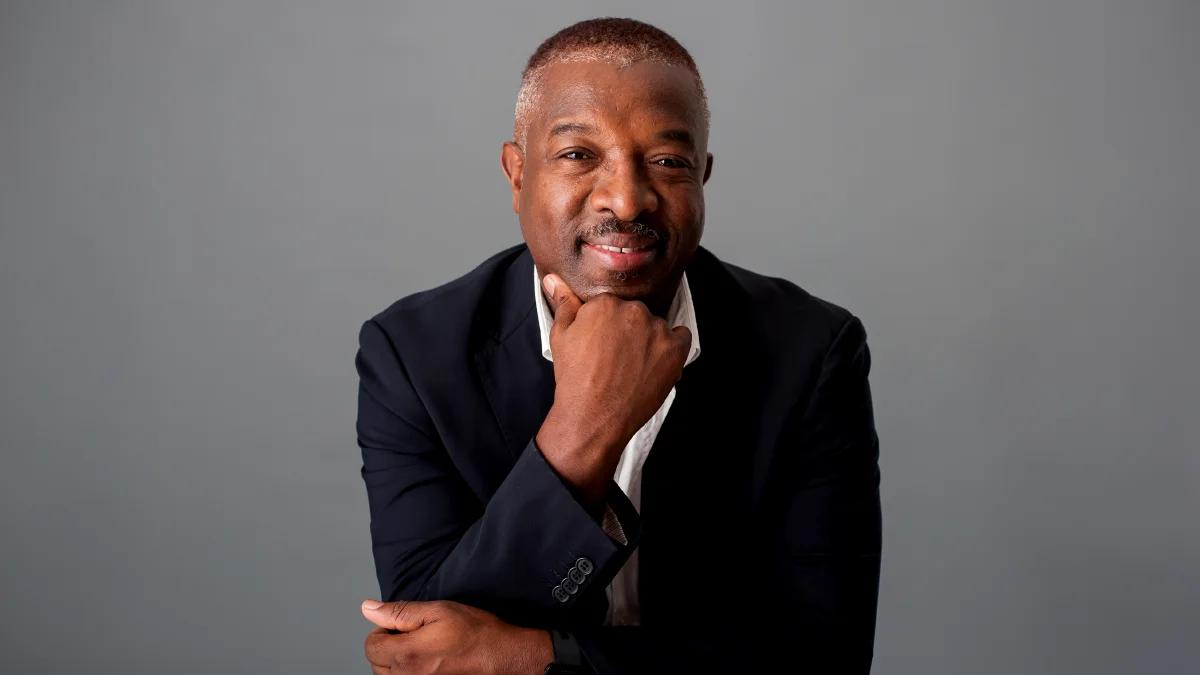
Political commentator Solly Moeng said that the conditions in many townships are worse than they were under Apartheid.
Moeng shared his views about South Africa’s political and economic environment during a discussion on Biznews.
He said that the ANC has failed to uplift black people in South Africa and improve their living conditions.
“They knew what needed to be done to take this country as far away from the pain of Apartheid as possible. They have failed,” he said.
“Many of them have gotten big cars, big homes, big checks, and well-funded, tax-paid travel across the world. However, things have not changed on the ground.”
He explained that he grew up in Soweto and recently went through Diepkloof, the exact place where he grew up. “It is worse than it was during Apartheid,” he said.
He said that the townships in Johannesburg and elsewhere across South Africa are in a terrible state.
“The primary school I used to attend now has a squatter camp inside its yard. It is terrible, and it made me want to cry. The city of Johannesburg is dead,” he said.
He said that when he tries to tell young people that these things used to be better, he gets accused of claiming that Apartheid itself was better. This is not the case.
“Jeppe Street, Small Street, and the Carlton Centre in downtown Johannesburg were places where I used to hang out with my friends as a teenager,” he said.
“It was cool and really lovely. Go to Hillbrow today and see what it looks like,” Moeng said in the interview.
“We have not brought this country into a place where the youth of the future can feel truly proud to be South African. It is just pain, pain, pain.”
He explained that young people born after 1994 do not know what it was like in Johannesburg under Apartheid.
“Of course, Apartheid was terrible. This is not praising Apartheid, but the fact remains that we have failed them.”
He said that people in politics, mostly within the ANC, still live their lives as if they don’t have a job to do to ease this pain and build a better future for the youth.
“They have failed us, and anyone who continues to support the electoral status quo will be complicit in that pain,” he said.










 Loading ...
Well said..