
Prominent South African municipality loses 50% of its water and 35% of its electricity


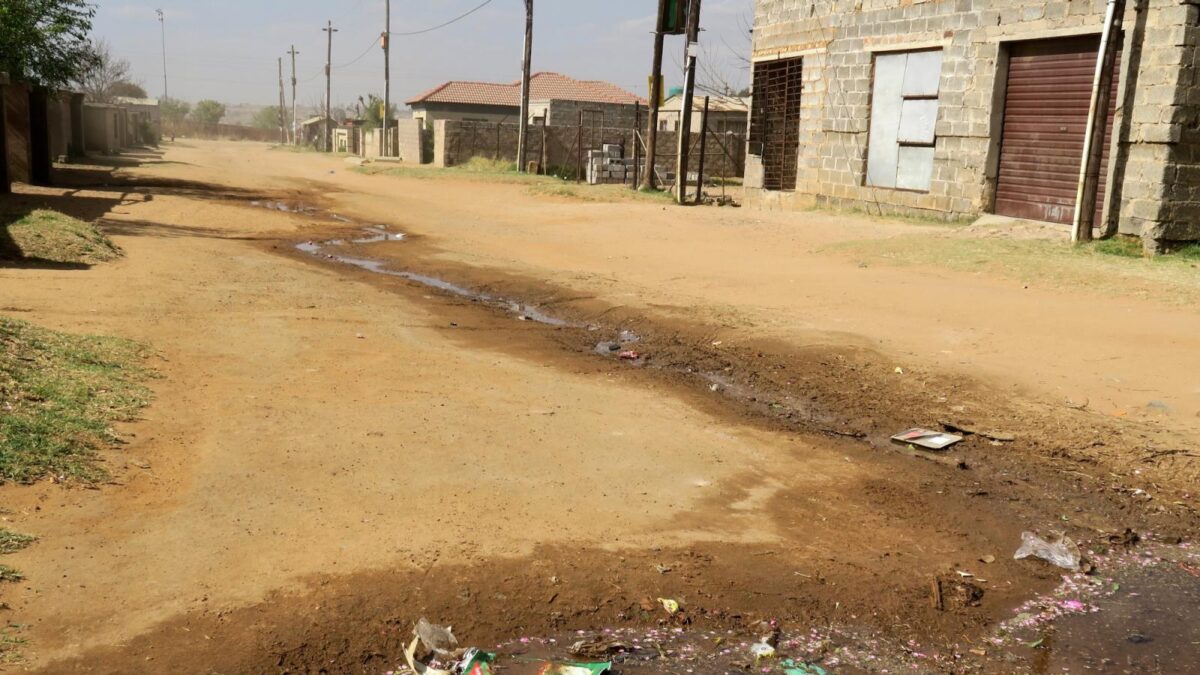
The Emalahleni Local Municipality loses approximately 50% of its water and 35% of its electricity before it can be billed.
This is feedback from the Freedom Front Plus (VF Plus), which commented on the Emalahleni Local Municipality’s 2026/27 budget.
The municipality is located within the Nkangala District Municipality and borders Gauteng and is best known for its strong ties to Eskom power stations.
eMalahleni, formerly known as Witbank, achieved city status in 1994 and serves as a major service centre for the surrounding region.
The southern areas of this municipality sit on massive coal reserves. It hosts several of Eskom’s vital coal-fired power stations and major mining operations.
It also sits on the Maputo Corridor, connecting South Africa’s economic heartland in Gauteng to the deep-water port in Maputo, Mozambique.
Because the local economy has grown rapidly, population influx has historically outpaced the municipality’s infrastructure capacity.
It frequently battles severe environmental pressures, including air and water quality issues from heavy industry.
In a press statement, the Freedom Front Plus said that it voted against the Emalahleni Local Municipality’s 2026/27 budget.
It also voted against the Medium-Term Revenue and Expenditure Framework (MTREF), applicable until 2029.
“This budget is unfunded to the tune of R10,1 billion, is reckless, and violates the Municipal Finance Management Act (MFMA),” it said.
It highlighted that the municipality’s Eskom debt of more than R12 billion is the reason behind the shortfall.
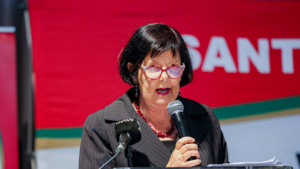
“The administration continues to base its budget on money that will never materialise,” the FF Plus’ Sharon Schlachter said.
“The collection rate has remained dangerously low, at around 49%, over the past three months, which is well below the minimum target of 70% to 75%.”
Meanwhile, residents will be hit with a 21% increase in water prices, a 10% increase in electricity prices, and a 3.4% increase in property rates and refuse removal.
Another challenge is that the municipality loses approximately 50% of its water and 35% of its electricity before it can be billed.
“This is a direct consequence of failing infrastructure and illegal connections,” Schlachter said.
Despite these challenges, the budget was still pushed through with 32 votes in favour and 30 against.
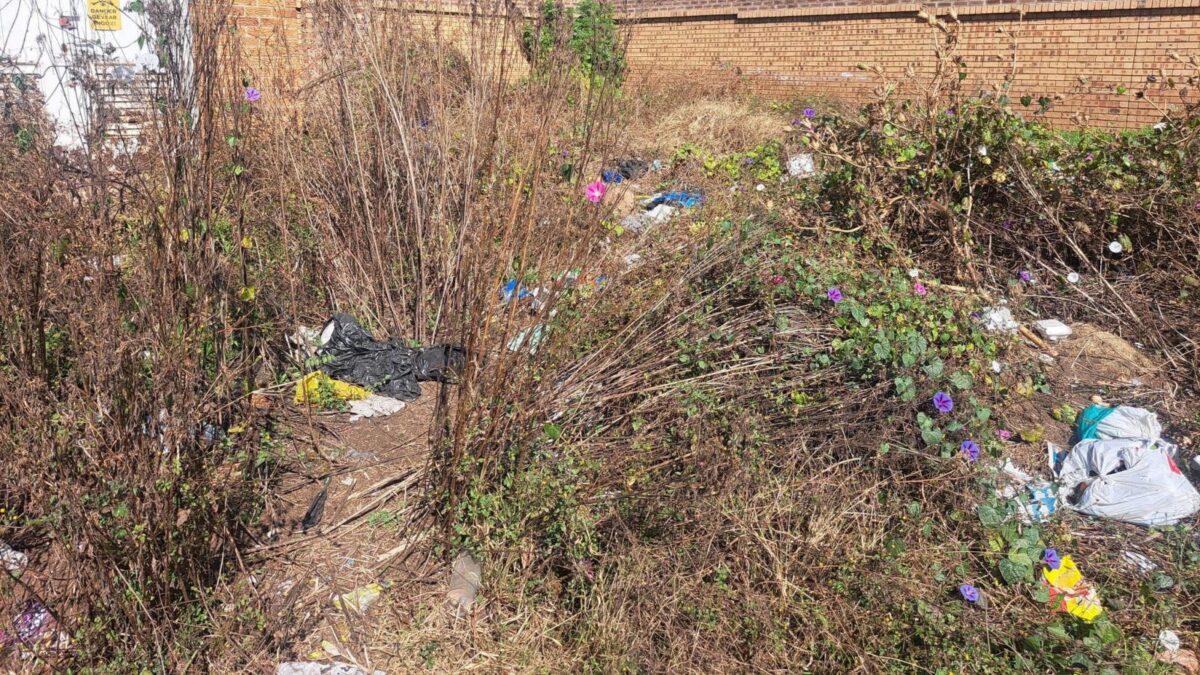
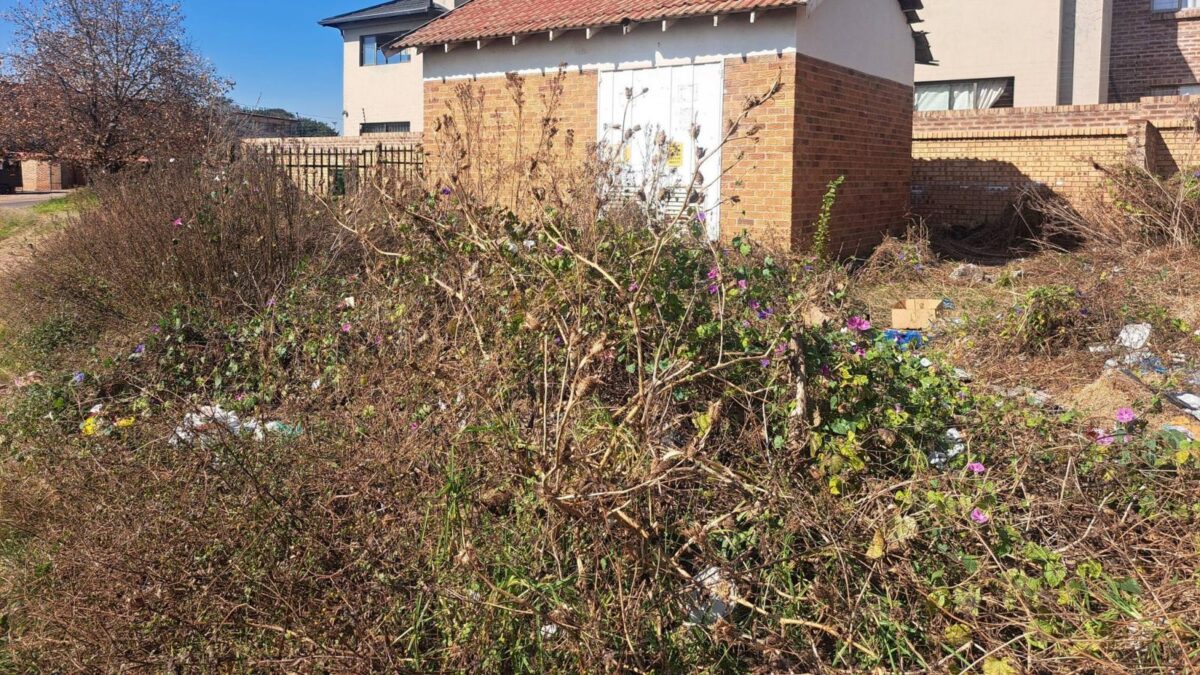
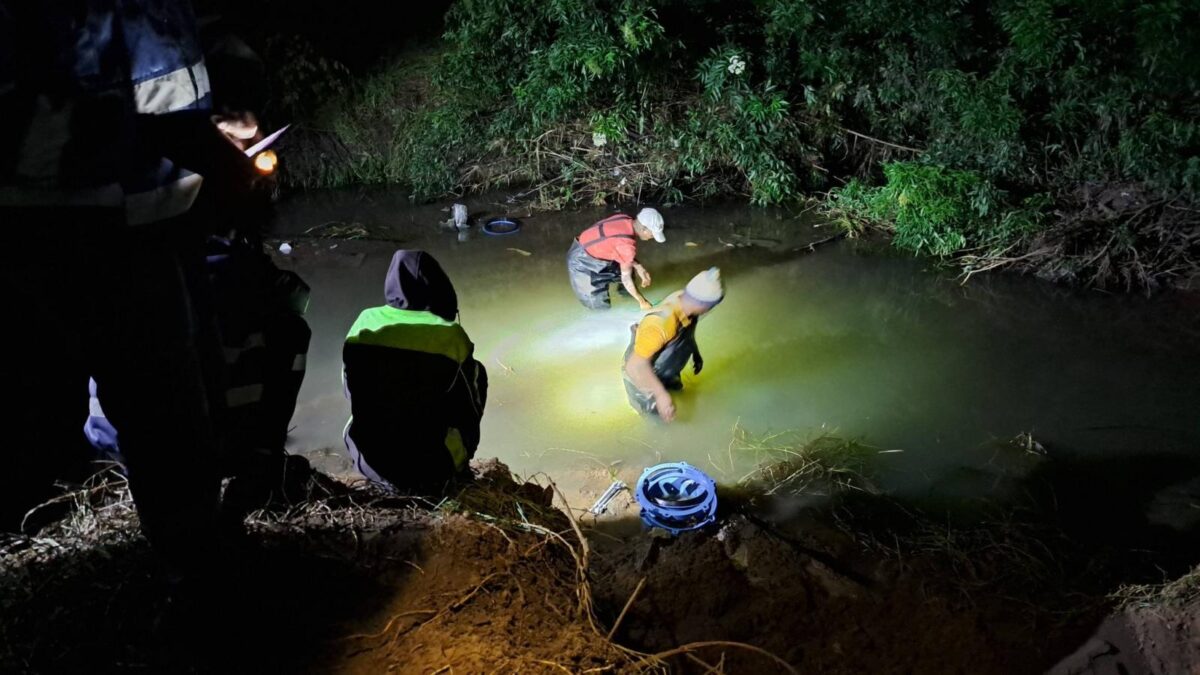
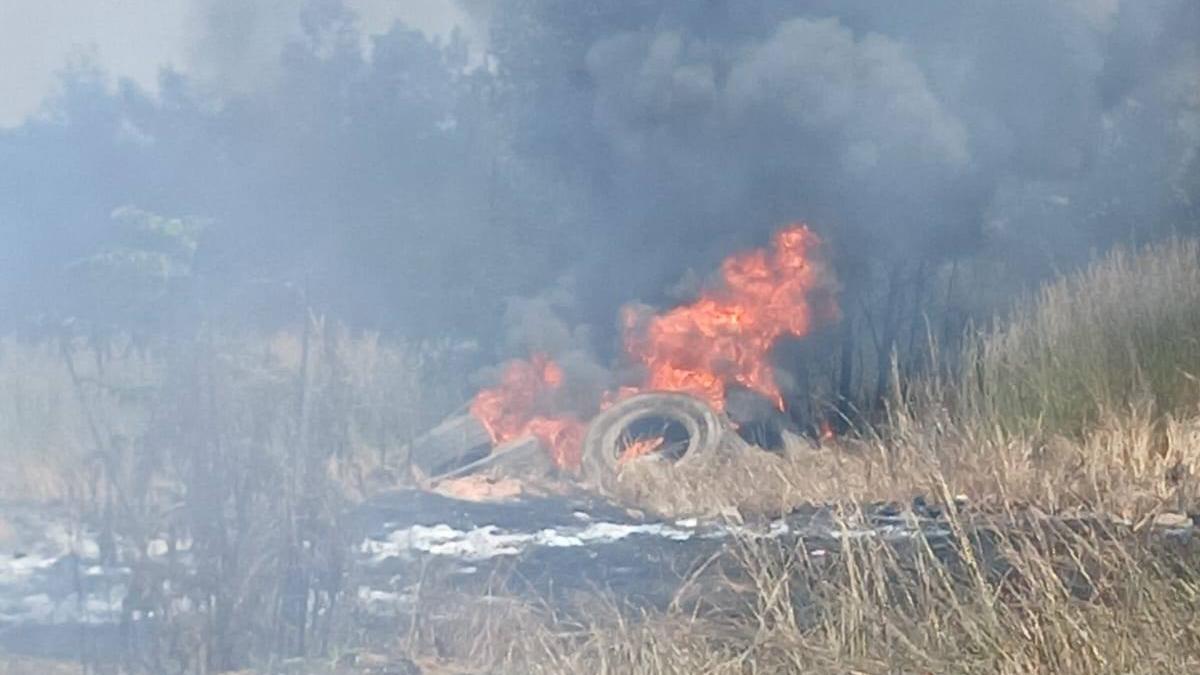
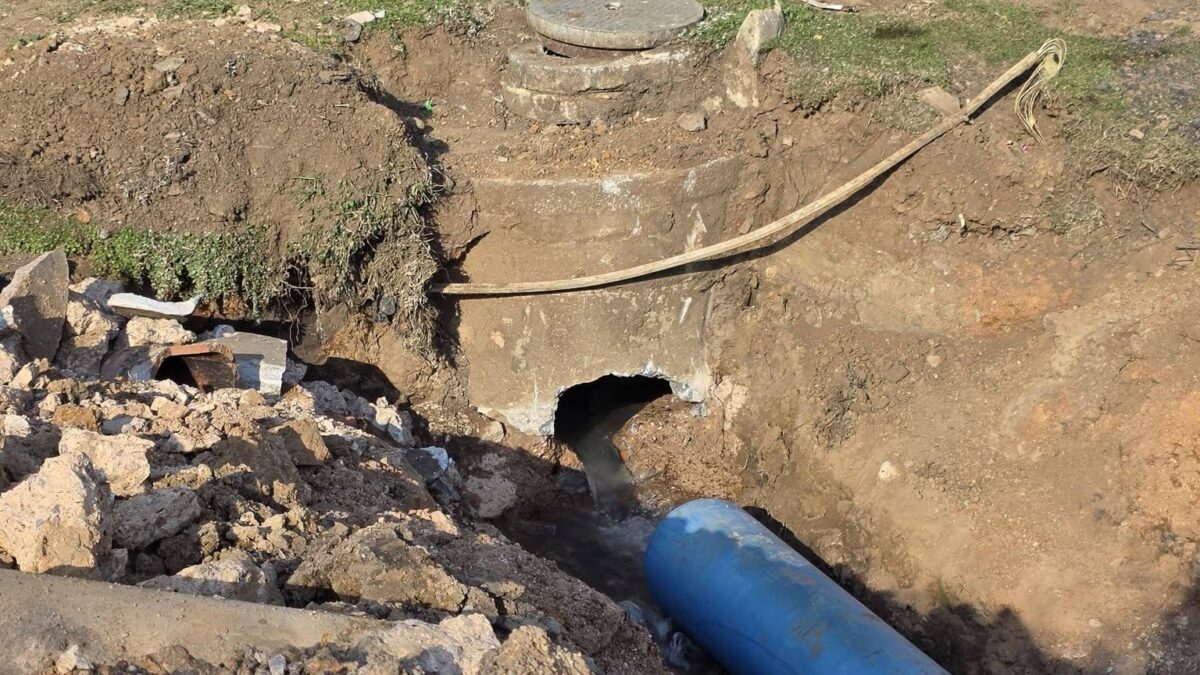
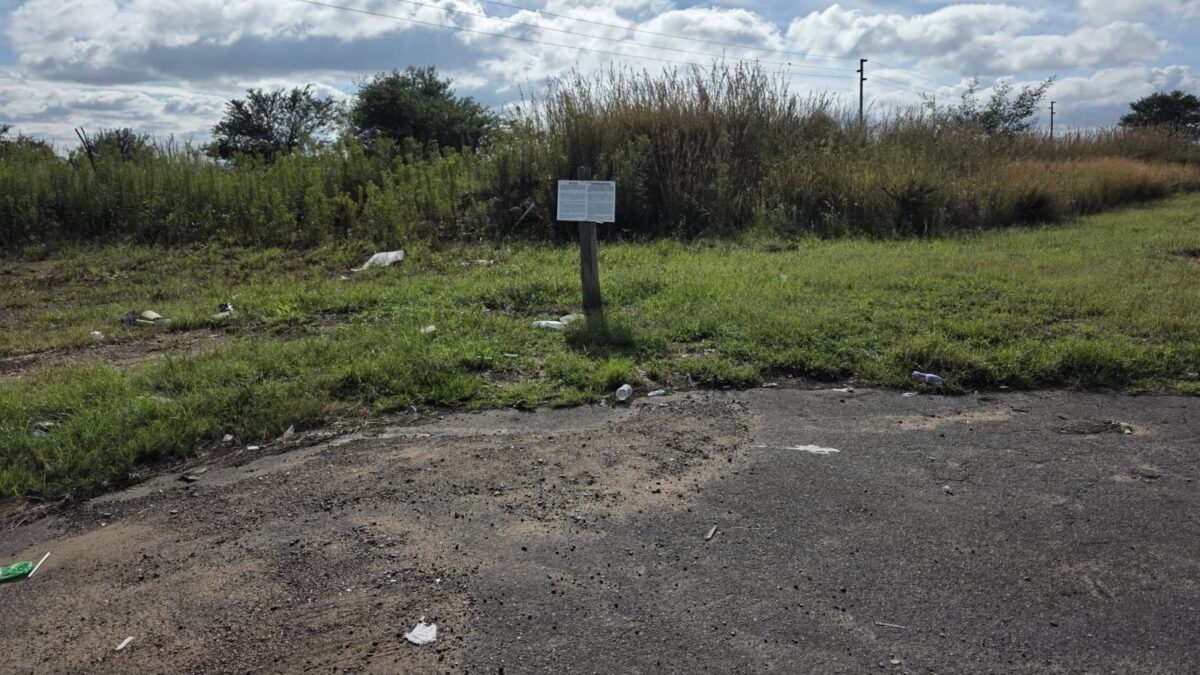
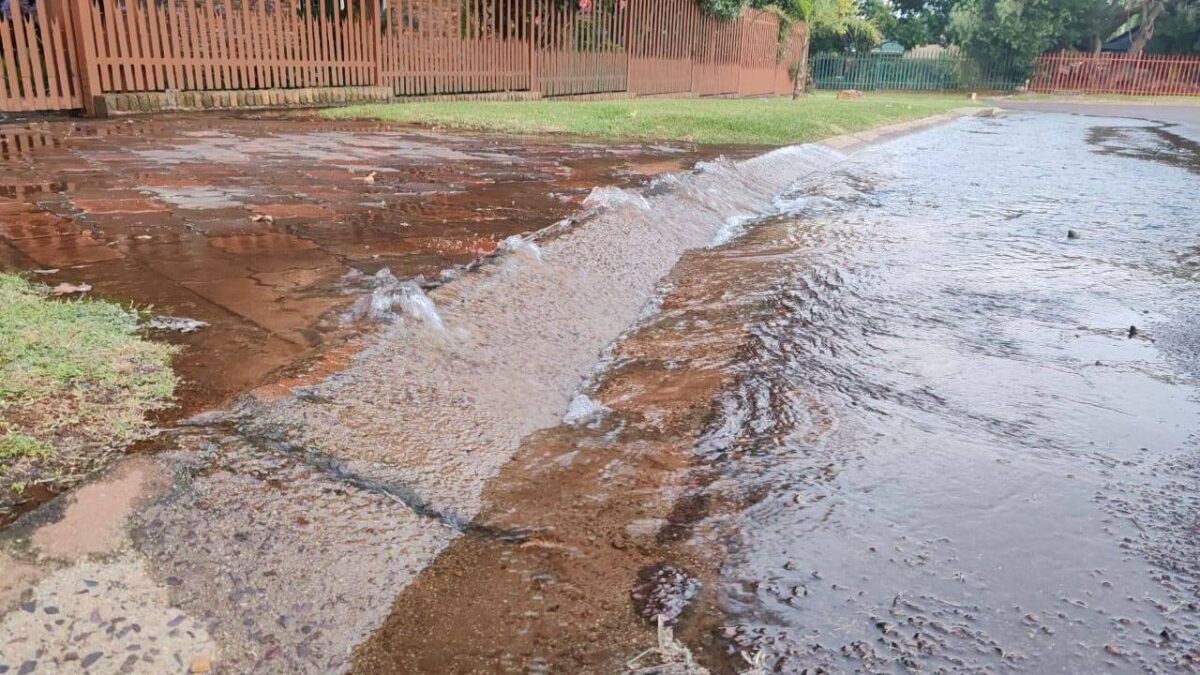
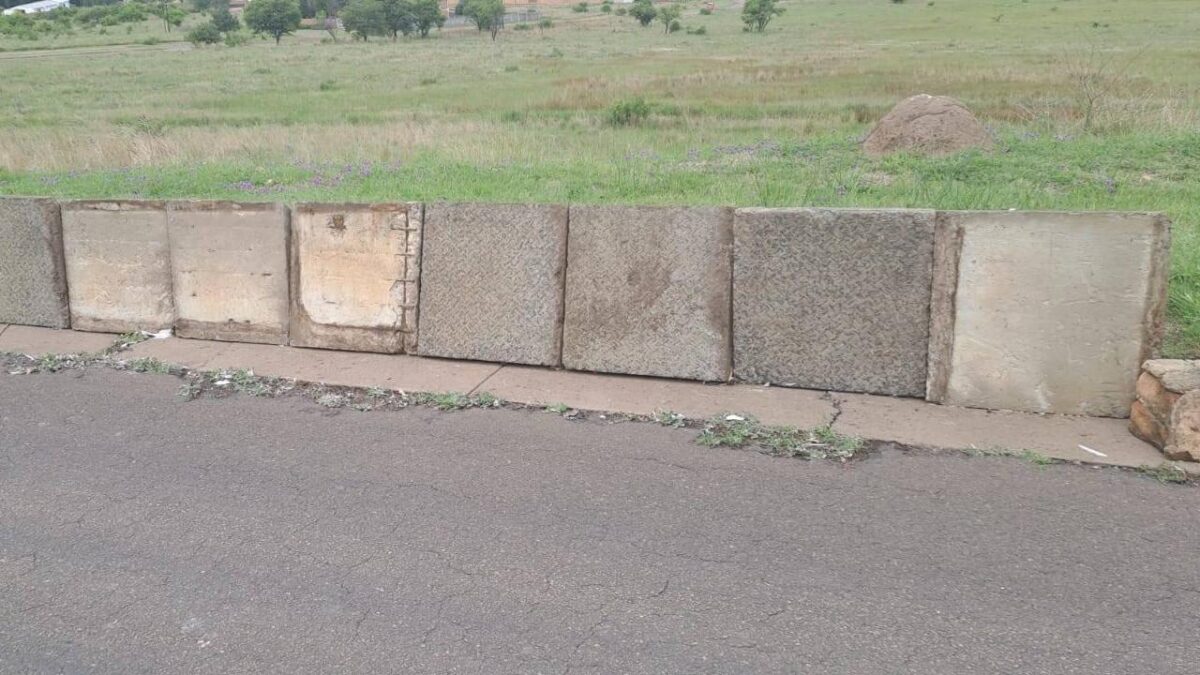
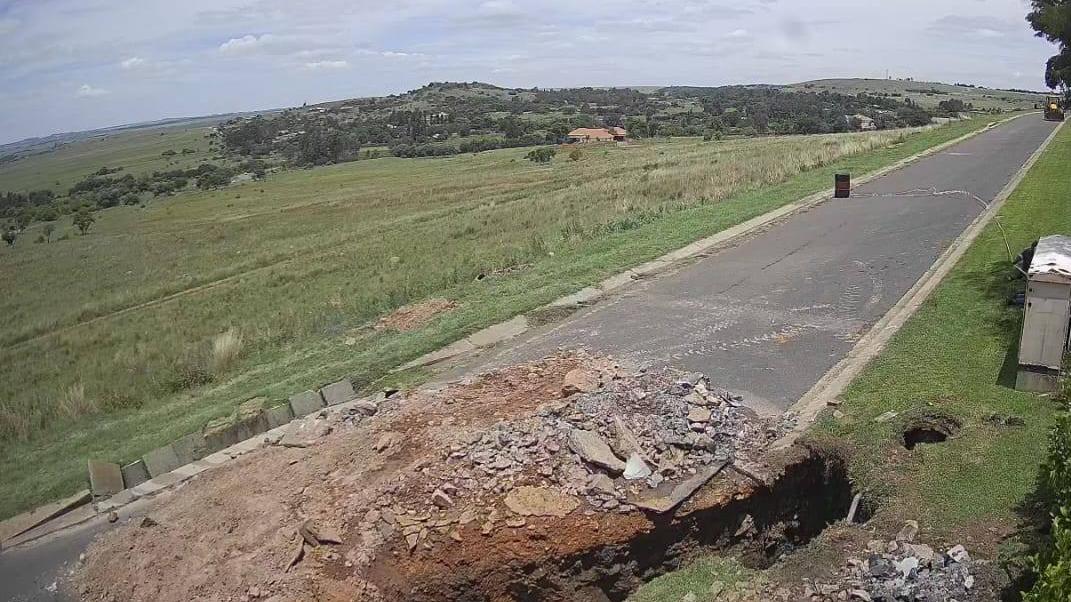
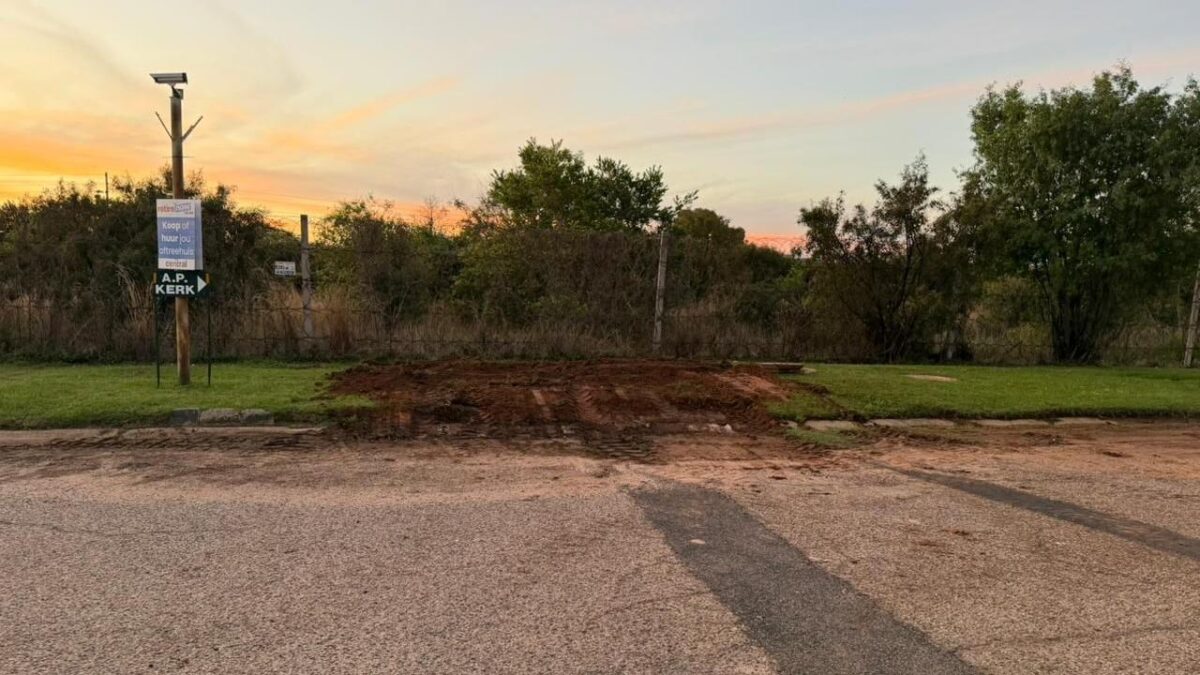
Emalahleni Local Municipality photos (courtesy of the DA)









 Loading ...
This is the new norm in South African Municipalities to-day.