
The South African choir that has won five Grammy Awards



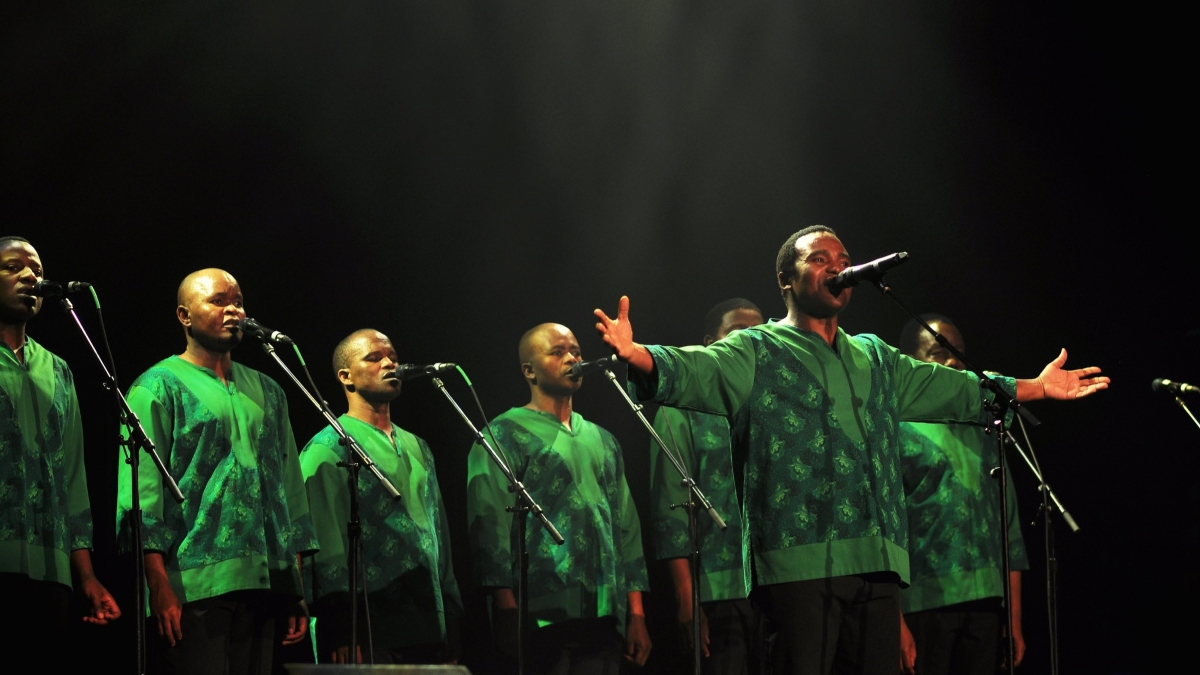
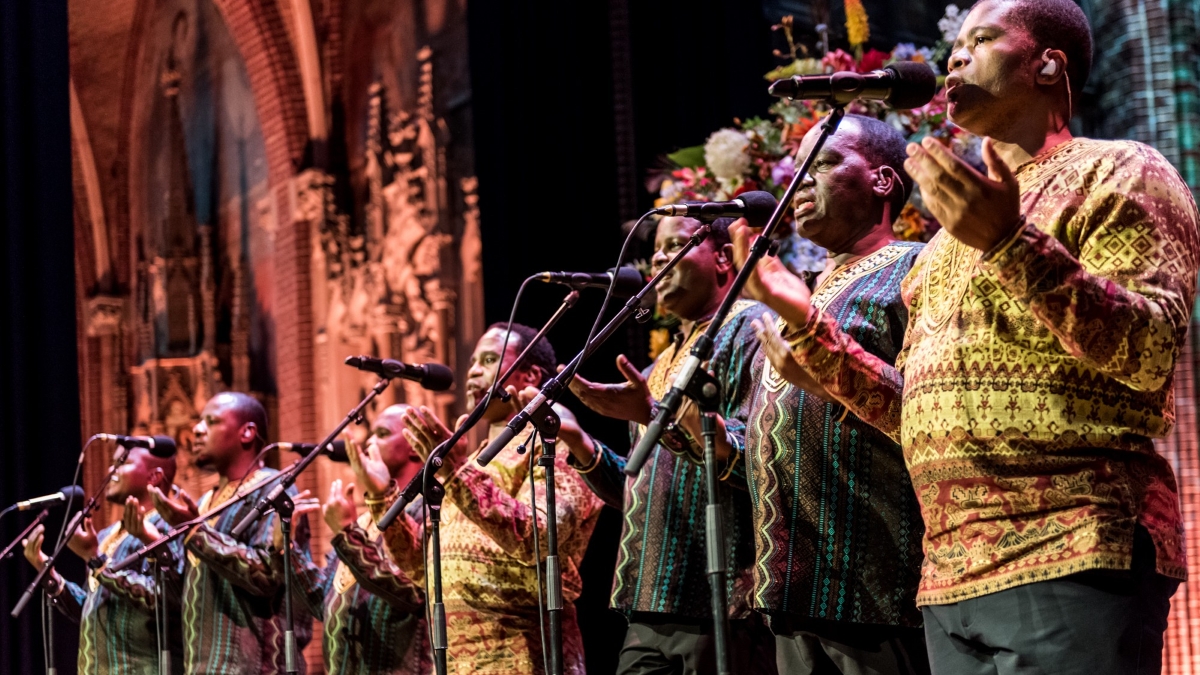
The isicathamiya voices of the Ladysmith Black Mambazo have not only earned them five Grammy Awards, but recognition and collaboration with global artists like Paul Simon and Josh Groban.
Initially named Ezimnyama, the group was formed by Joseph Shabala in 1960 in Ladysmith, KwaZulu-Natal, comprising relatives, including his brothers and cousins.
The group’s sound is based on the isicathamiya and mbube vocal styles, forms of a cappella that originated from the Zulu people.
However, the contrast between the two is notable, given that isicathamiya translates to ‘walking softly,’ while mbube means ‘lion.’
After four years, Shabala recalls having several dreams featuring a male choir singing in perfect harmony, a sound he believed his group had yet to accomplish.
In search of achieving this beautiful sound, he began inviting younger relatives to join the group, which brought him closer to the auditory vision he had in his dreams.
Once satisfied, Shabalala began entering the choir in isicathamiya competitions in Durban and Johannesburg, winning almost all of them.
Their success inspired Shabalala to rename the group to the Ladysmith Black Mambazo.
Ladysmith was where his parents had owned a farm. The “black” drew inspiration from the colour of an ox, the strongest animal on the farm, and “mambazo” means axe in isiZulu, symbolising their ability to chop down competition.
By 1967, the group was recording for the South African Broadcasting Corporation (SABC) radio station, Radio Zulu.
This earned them widespread recognition, and soon producers came knocking to encourage them to sign record deals, which they eventually did in 1972 with Gallo Record Company, under the production of West Nkosi.
The group recorded their first album, titled Amabutho, in 1973, which received gold status, making them the first black musician or group to achieve this in the country.
They continued to release albums in the years to come, receiving gold and platinum certifications for these as well.
This period saw the group undergo several changes, not only in membership but also in the writing of their material.
Shabala converted to Christianity in 1976, which led him to incorporate religious material into the group’s repertoire. The religious album was released soon afterwards and certified double platinum.
Even the oppressive apartheid government could not contain the group’s popularity and allowed them to travel to Cologne, Germany, in 1981.
International success
Paul Simon visited South Africa in 1985, seeking local artists to perform on his upcoming Graceland album, and managed to convince Shabalala and his group to travel to London to do so.
The first track they recorded was Homeless, with Shabalala composing the isiZulu lyrics of the song.
The choir also featured on two other of Simon’s Graceland tracks: “Diamonds on the Soles of Her Shoes” and “You Can Call Me Al.” The album went on to sell 16 million copies.
Simon also produced the choir’s first US release, published on Warner Brothers Records, titled “Shaka Zulu”, which won a Grammy Award for the Best Traditional Folk Recording.
This officially placed Ladysmith Black Mambazo on the world stage, with the group releasing two more albums in the US and featuring in Michael Jackson’s Moonwalker film.
After Shabala’s brother, Headman, was shot and killed by an off-duty security guard in 1991, two of the members left the group, and Joseph recruited three of his sons to join.
Once the apartheid regime came to an end and a democratic government was instituted, the group were declared the cultural ambassadors of the country.
They accompanied Mandela to the Nobel Peace Prize ceremony in Norway and performed at his inauguration in 1994.
In 2001, “On Tiptoe: Gentle Steps to Freedom,” a 2000 documentary about the group, was nominated for the Academy Award for Best Documentary Short.
The following year, the group released Wenyukela shortly after the murder of Joseph Shabalala’s wife. This led to their second Grammy Award in 2004.
By this point, the choir had recorded 24 albums over its 40-year history and had been nominated for 12 Grammy Awards.
In January 2008, Joseph Shabalala announced that he would be retiring from his role in the group and that his son, Thamsanqa, would become the leader.
The final album released for Joseph Shabalala’s retirement, Illembe: Honouring Shaka Zulu, earned them their third Grammy Award.
In 2013, the Ladysmith Black Mambazo released Live: Singing for Peace Around the World, which honoured former President Nelson Mandela.
It was announced that it had been nominated for the Grammy Award in the Best World Music CD category a day after Mandela’s passing, which it went on to win.
The choir revisited their Shaka Zulu album five years later, titled Shaka Zulu Revisited: 30th Anniversary Celebration, which was nominated for a Grammy and won the award.
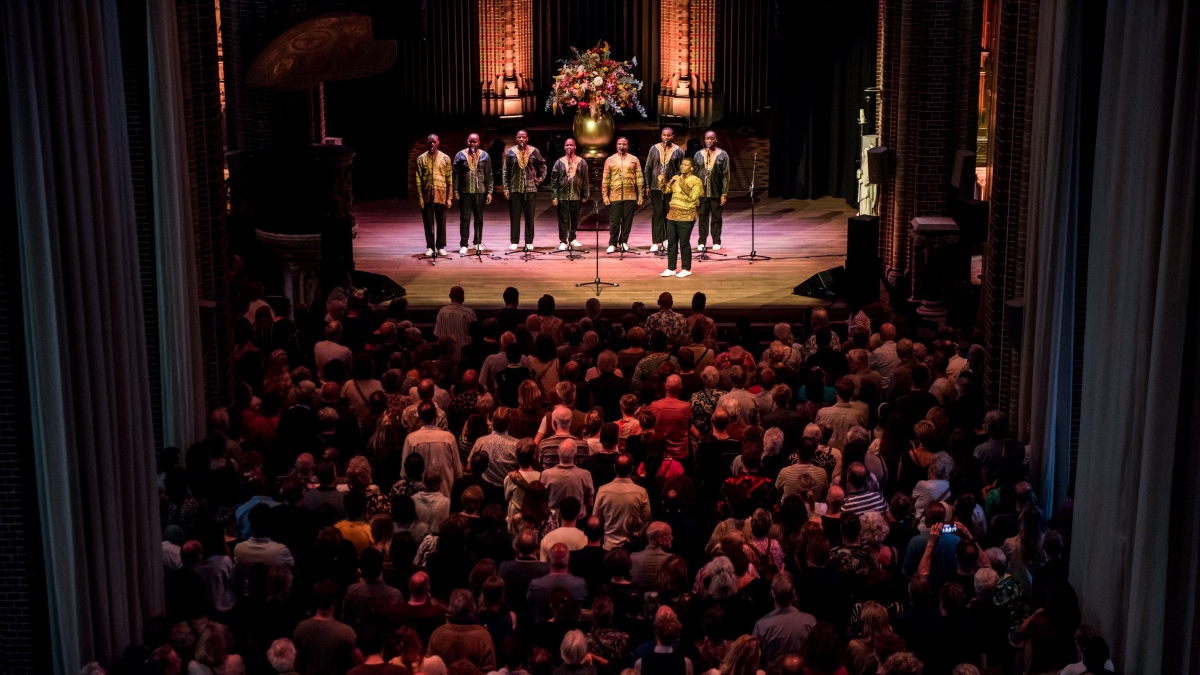
Today, the Ladysmith Black Mambazo continues to tour around the world for about six months a year, with the group comprising eight members, four of them being Joseph’s sons.
These include Thulani, Thamsanqa, Sibongiseni, and Msizi Shabalala. More recently, Joseph’s grandsons Gagmile and Babuyile Shabalala also joined the group.
Albert Mazibuko, who joined the group in 1969, was the longest-serving member until his departure in May 2025 after 56 years.
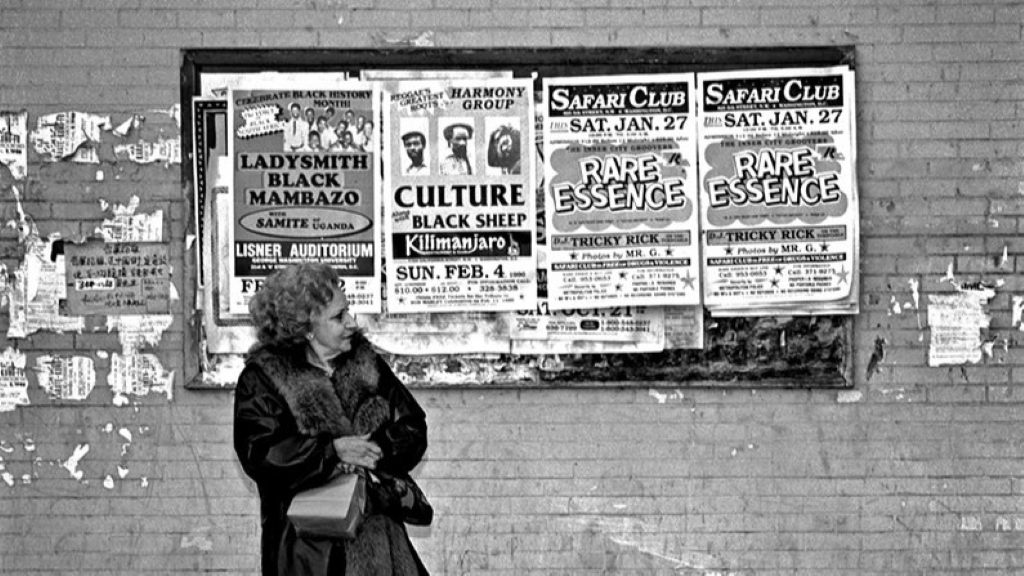
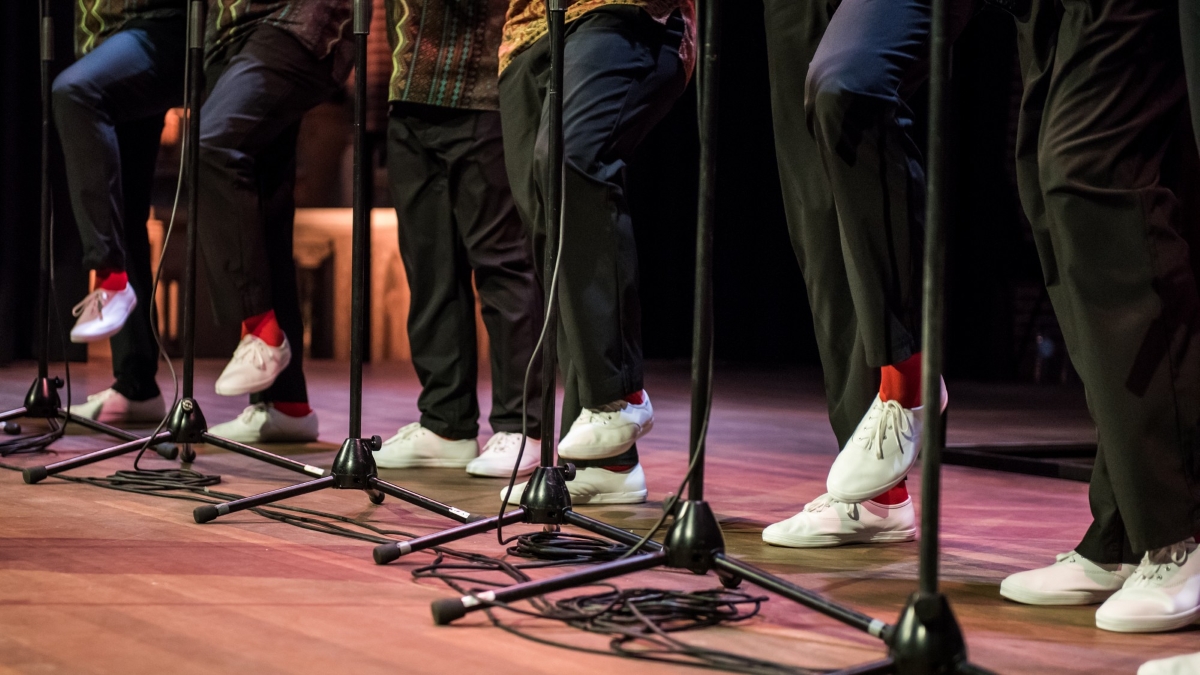
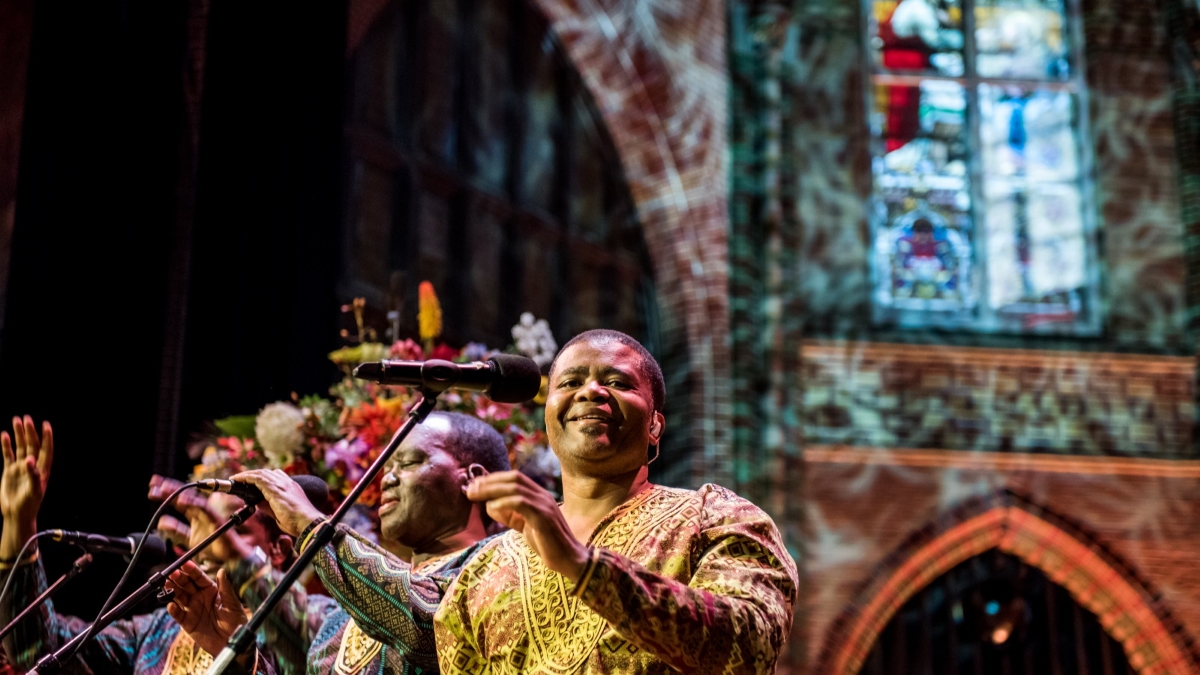
Images of the Ladysmith Black Mambazo
















 Loading ...
Undisputed Greatest Of All Time