
South Africa’s National Dialogue ‘a waste of time and money’



Various civil society groups, commentators, and political parties, including members of the Government of National Unity (GNU), said the National Dialogue is a potential political tool for the ANC rather than a constructive event capable of producing positive outcomes.
From describing it as “a waste of time and money” to being “about cronyism, tender manipulation, and providing platforms for failed politicians to rehabilitate themselves,” politicians have not minced their words about the upcoming R700 million talk shop.
When President Cyril Ramaphosa announced the National Dialogue, he described it as a people-led, society-wide process to reflect, reset, and reimagine South Africa’s future.
“This initiative has been gathering great support and enthusiasm since it was proposed last year. It has been endorsed by a wide range of formations across society,” he said.
“The National Dialogue is a chance for all South Africans, from all walks of life, to come together and help shape the next chapter of our democracy,” he said.
On 11 July 2025, Ramaphosa welcomed the “National Dialogue Eminent Persons Group” to the Union Buildings for its inaugural meeting.
The eminent persons include sports stars, actors, judges, politicians, writers, religious leaders, mountaineers, scientists, and a beauty queen.
“On behalf of all South Africans, I thank you, the members of the Eminent Persons Group, for agreeing to take on the responsibility of supporting and guiding this historic initiative,” he said.
He said over the last 31 years, South Africa has made significant progress in forging a united, democratic and just nation.
However, despite the gains over the last three decades, he added that the vestiges of the country’s apartheid past remain.
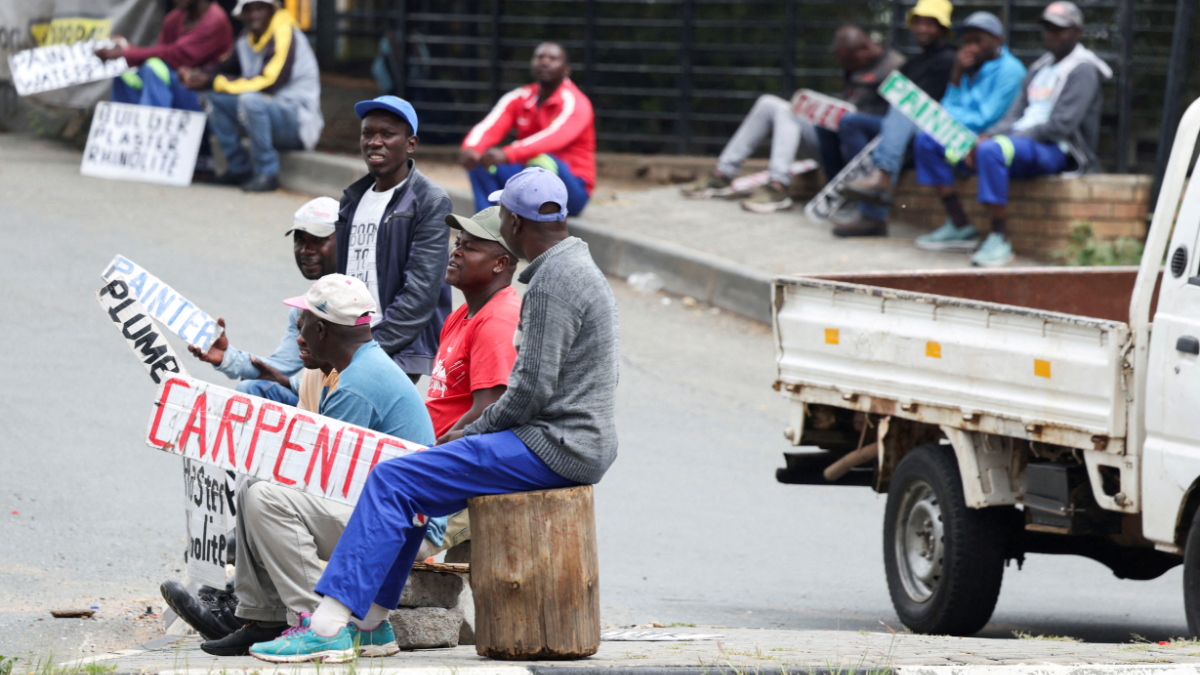
“Inequality, poverty, unemployment, violence and social discord affect the lives of millions of South Africans and hold back our country’s progress,” he said.
“In many areas, we have seen a deterioration in governance, a decline in the delivery of services and widespread corruption and wastage of public resources.”
“At the same time, we have seen an increasing disengagement by many people from the democratic process, as witnessed by the turnout in the May 2024 elections.”
Ramaphosa said the National Dialogue is an opportunity to mobilise South Africans to address these challenges.
“It is an opportunity to build on the achievements of the last three decades by defining a shared vision and a common programme to take the country forward,” he said.
However, it has been met with equal opposition. The South African Federation of Trade Unions (SAFTU), for example, called it “a diversion, it’s a waste of time talk show that is not going to produce the results, that is not going to meet even the most basic demands of the working class.
The initial National Dialogue idea

What was particularly striking was that Ramaphosa’s National Dialogue was very different from the initial concept, according to some members of the GNU.
Dr Corné Mulder, leader of the Vryheidsfront Plus (VF+), said that the idea of a national dialogue originated from the requirement to form a government within 14 days of an election.
This timeframe left little time for parties in the GNU to negotiate a shared policy platform.
The GNU was initially expected to use a national dialogue to establish this framework. However, this did not happen.
In the absence of a unifying policy, Mulder said ministries now appear to be on their own and doing what they want.
This is contributing to the government’s low legislative output, only passing a budget after three tries compared to the usual dozens of laws over the past year.
Although the original plan was for the dialogue to involve only GNU parties, it was later taken over by civil society groups and the Presidency.
Mulder still supports the idea of dialogue, but not as it is currently envisioned, proposing an informal retreat to build trust and set a shared agenda that would be free.
Political parties slate the National Dialogue

The ANC welcomed the National Dialogue, saying it marked an important national effort to forge unity, rebuild trust, and renew the country’s collective commitment to transformation.
However, other political parties were not equally enthusiastic about it, saying it is a waste of money and resources and would come to nothing.
DA leader John Steenhuisen said that “this National Dialogue will be nothing more than a waste of time and money to distract from the ANC’s failures.”
The DA federal council chairperson, Helen Zille, said the National Dialogue is just a cover for the ANC’s 2026 election campaign.
The Freedom Front Plus has expressed concerns about the National Dialogue, viewing it as a potential political theatre that excludes ordinary citizens.
They argue that a genuine dialogue requires inclusion, accountability, and honesty, rather than elite-driven discussions.
MK Party dismissed the National Dialogue as “an elitist farce”, where the political elite “had decided to speak over ordinary South Africans.”
It said the Eminent Persons Group has been handpicked by the same ruling class responsible for mass unemployment, deepening poverty, and collapsing infrastructure.
“It is a mockery of the suffering endured daily by millions of destitute and despondent South Africans,” it said.
“This is not a National Dialogue. It is a staged theatre for the political elite, the boardroom billionaires and the academic aristocracy.”
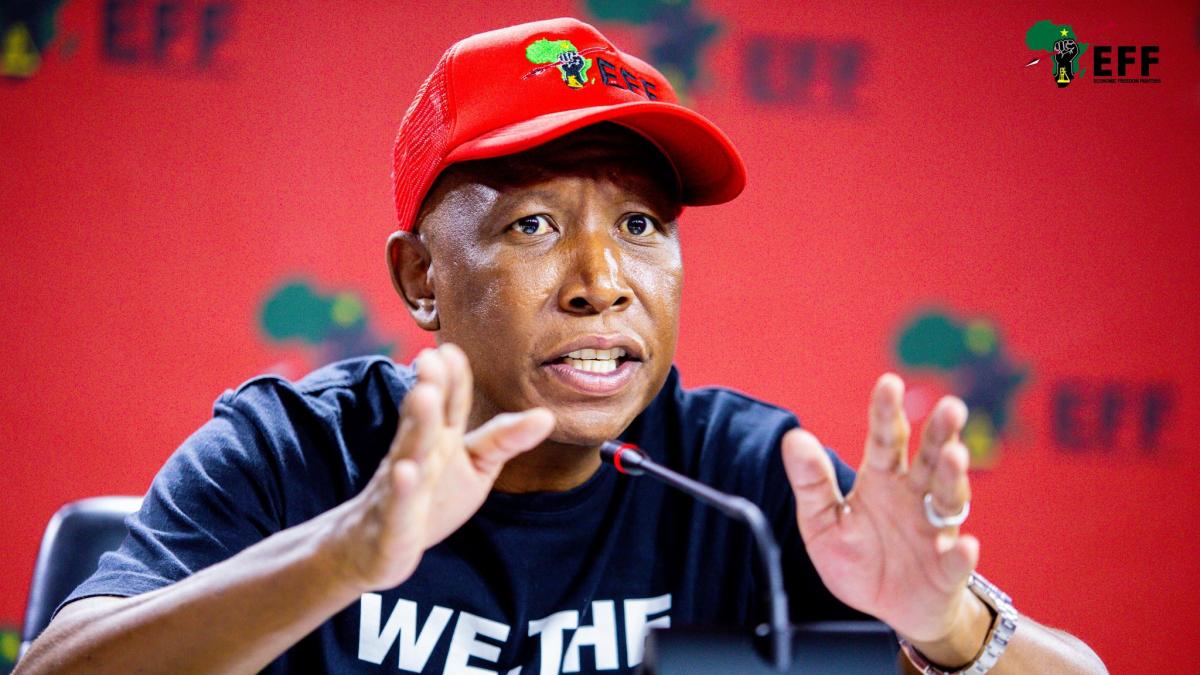
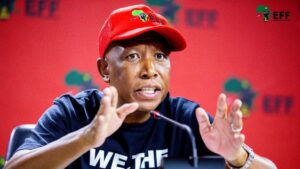
The EFF also slated spending millions on the National Dialogue while people are subjected to a brutal cost-of-living crisis, rising unemployment, and collapsing public services.
“It is an insult to millions of South Africans who are battling with food insecurity, load shedding, broken healthcare, and unaffordable education.”
“This dialogue is not about nation-building. It is about cronyism, tender manipulation, and providing platforms for failed politicians to rehabilitate themselves.”
ActionSA believes that it is no-longer citizen lead, “with only one party elevated to the steering committee will entrench partisan advantage instead of genuine multiparty collaboration.”
President Cyril Ramaphosa’s National Dialogue Eminent Persons Group meeting










 Loading ...
This government loves talking about doing something. It completely and utterly fails at actually doing anything, though. Unless it’s corruption, then they’re suddenly effective.