
Medical training crisis in South Africa with many doctors forced to work for free


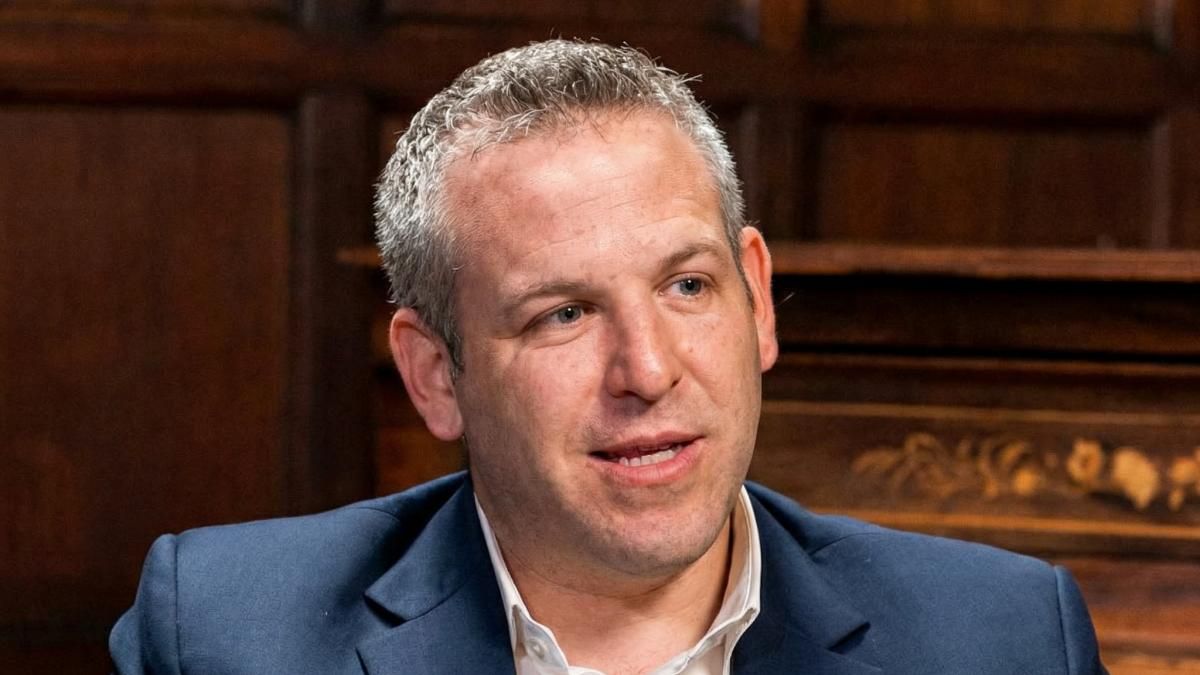
Dr Jonathan Witt has warned of a crisis in postgraduate medical training in South Africa, with many doctors wanting to specialise either being unemployed or working for free.
Witt is a medical doctor and Fellow of the College of Anaesthetists, practising as a specialist anaesthesiologist.
He holds four degrees, including a Bachelor of Arts Honours, a Bachelor of Medicine and Surgery, and a Master of Medicine.
Witt has worked and consulted extensively across the healthcare industry in training, pre-hospital emergency medicine, and youth enrichment programmes.
He is, therefore, well positioned to comment on the South African healthcare sector and medical training.
He explained that every year, approximately 2,200 doctors qualify from South African medical schools.
Thereafter, they are allocated internship posts for two years, followed by community service posts for an additional year.
He said there are problems with the internship system, but they pale in comparison to the problems doctors face when trying to specialise.
That’s at least 1,000 doctors seeking specialist training posts every year, across fields such as surgery, internal medicine, and radiology.
On paper, Witt said, there are 600 to 800 specialist training posts available annually, but the number fluctuates, and national appointments fall short of demand.
This has been happening for a decade for various reasons, including frozen posts, closed posts, and administrative issues.
“There are now thousands, perhaps tens of thousands, of qualified doctors waiting three to five years to interview for a specialist training post,” he said.
Not enough posts for all the doctors

The situation has become so untenable that there aren’t enough posts in the public or private sectors to employ all these doctors as medical officers.
This, Witt explained, has created a situation where many of these doctors are either unemployed and waiting or, worse still, working for free.
“Some of the brightest minds, who have spent 9 years qualifying as doctors, are forced to work for free in what are known as supernumerary posts,” he said.
In this arrangement, the doctor works under the same conditions as a regular paid employee of the Department of Health without earning a salary.
They do this in the hope that the experience they gain and the time they spend in these posts will allow them one of two positive outcomes.
They aim to secure either a paid medical officer post or one of a handful of registrar posts to become specialists.
Witt said he has not seen anyone, including the Department of Health, address this issue.
“Government medical departments seem more than happy to provide services to patients at no cost rather than actually pay people salaries,” he said.
“Organisations that exist to advocate on behalf of doctors have either paid lip service to the problem or said nothing.”
He said that the number of junior doctors who have left the country out of frustration is now well into the upper thousands.
Many have qualified as specialists in other countries in less time than their peers back home have spent waiting for a registrar post.
“This is insane when you consider that our own doctors are being treated better by foreign governments than they are at home,” Witt said.
“Worse still are those who give up on medicine upon realising that their dreams have been shattered by an incompetent and broken system.”
He warned that there will be consequences for South Africa’s medical system in the coming decades, which could be catastrophic.
You have read 1 out of 5 free articles. Log in or register for unlimited access.







 Loading ...
Sadly the patients also suffer..its getting worse right now,government hospitals, definitely a broken system there.