
City of Johannesburg faces legal action over its 65.6% water levy increase


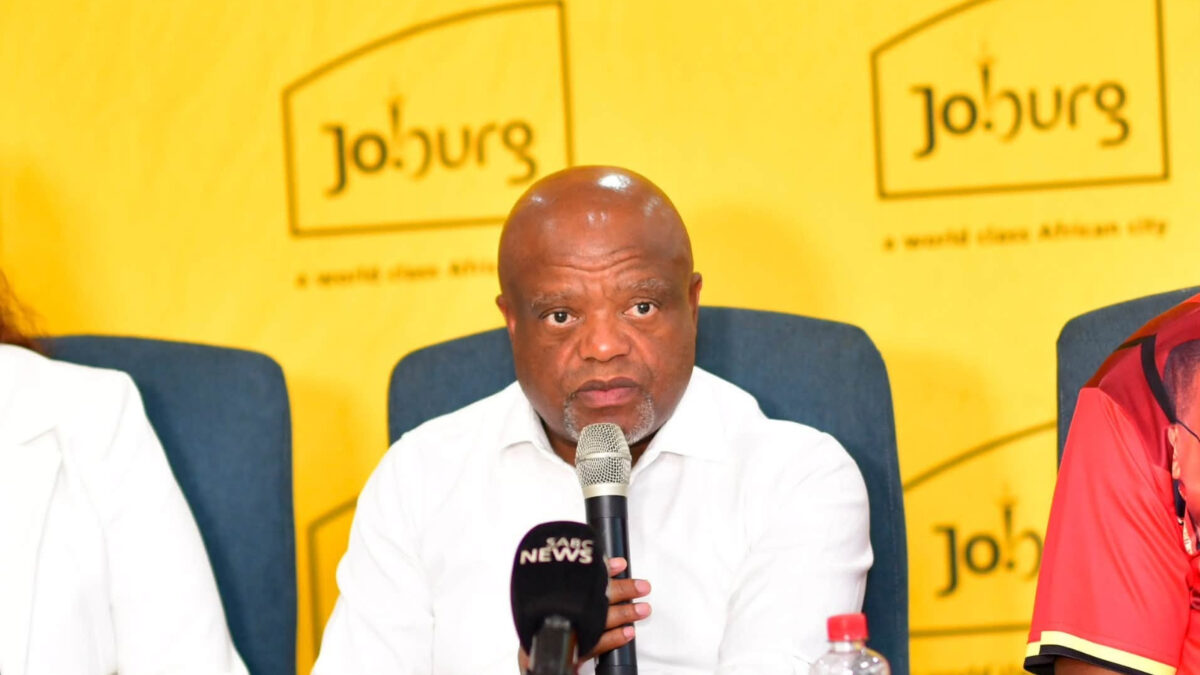
The City of Johannesburg implemented its 65.6% fixed water levy increase without any justification, despite repeated requests for disclosure and legal action.
In May 2026, the city announced that water tariffs are set to increase by 12.5%, and the water demand management levy by 65.6%, increasing it from R65.08 to R107.74.
Water tariffs are calculated based on each household’s individual water consumption and vary from month to month; consumption is measured in kilolitres.
The water demand management levy is a fixed monthly fee that every household connected to the municipal water network must pay, even if water consumption is zero.
The city notified residents of its intention to adopt the proposed increases on 27 May 2026, and to have them implemented on 1 July 2026.
The civil action group AfriForum and WaterCAN criticised the huge increase in the water demand management levy and the city’s lack of justification.
AfriForum claimed that the city withheld important information from residents, preventing them from making an informed decision during public participation sessions.
WaterCAN Executive Director Dr Ferrial Adam alleged that the levy increase was hidden and buried in lengthy paperwork.
The week prior to its adoption, AfriForum repeatedly requested information on the reasons for the increase and how the city calculated it.
The city ignored the requests and instructed AfriForum to submit a formal application under the Promotion of Access to Information Act 2 of 2000 (PAIA).
AfriForum argued that requiring residents to submit a PAIA application to obtain disclosure of public funds is unethical and unlawful, as it is a lengthy process that delays financial relief.
Despite the criticism, on 27 May 2026, the city adopted the 65.6% increase in the water demand management levy as part of its 2026/2027 financial year budget.
On 12 June 2026, AfriForum filed an urgent court application at the Johannesburg High Court against the city to have the levy increase set aside before it took effect on 1 July.
According to South African law, an urgent application must be launched as soon as possible after the threat arises.
On 23 June 2026, Judge Cassim Moosa struck the urgent application off the roll, saying it did not meet the required threshold for urgency and showed no irreparable harm.
The Court added that AfriForum waited too long to challenge the decision after the city adopted the levy on 27 May, focusing its decision on urgency rather than legality.
Water legal challenge against the City of Johannesburg
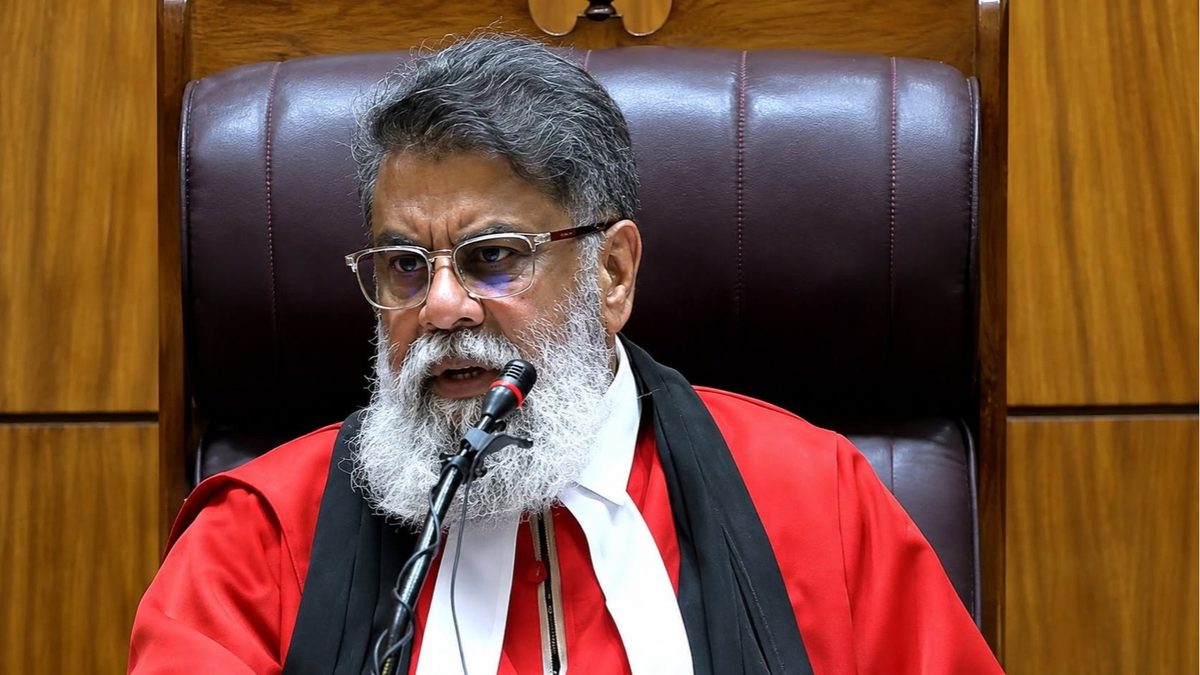
After the urgent appeal was dismissed, AfriForum proceeded to follow the lengthy course of action and filed an ordinary application with the High Court.
It claimed that the city failed to provide a clear cost analysis, a detailed breakdown, and an explanation for the levy increase, and that it made this information difficult to access.
“The levy is being used to generate substantial revenue for a Municipality whose finances and ability to provide reliable services are already under severe pressure,” AfriForum alleged.
In late October, the city warned residents that the water supply system was under pressure and asked them to reduce their consumption.
“While the court is considering whether the levy is lawful, residents have been experiencing prolonged water interruptions, low pressure, and unreliable supply,” AfriForum said.
“The Metro is collecting approximately R1.8 billion a year through a charge whose legal basis and calculation remain disputed.”
“For low- and middle-income households already struggling with rising electricity, transport, and food costs, this creates another financial burden,” Adam said.
“Fixed charges are especially harmful because they punish people regardless of their efforts to conserve water,” he explained.
The court hearing deciding the merits of the case took place on 2 November.
AfriForum again demanded to know how the figures were calculated and why the city had not engaged in sufficient public participation.
The city asserted that the charge is legally valid and is intended to maintain operational water infrastructure and services; it could not provide further justification.
The court reserved judgment and did not announce a date for its decision on the levy’s legality.
You have read 1 out of 5 free articles. Log in or register for unlimited access.




 Loading ...