
The small town in the Great Karoo that was named one of the best places to live in South Africa


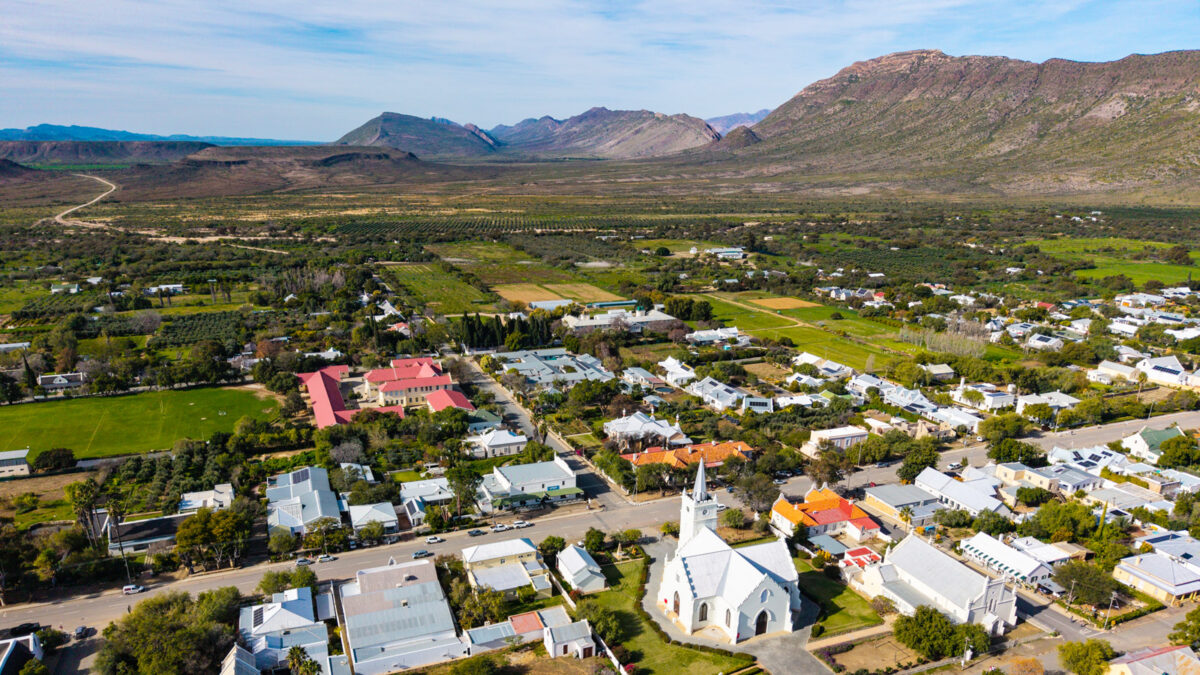
Prince Albert is a small South African town that has earned the nickname “The Franschhoek of the Karoo” for its economic and cultural boom.
It was once named the regional Town of the Year, only to lose the national title to Lady Grey.
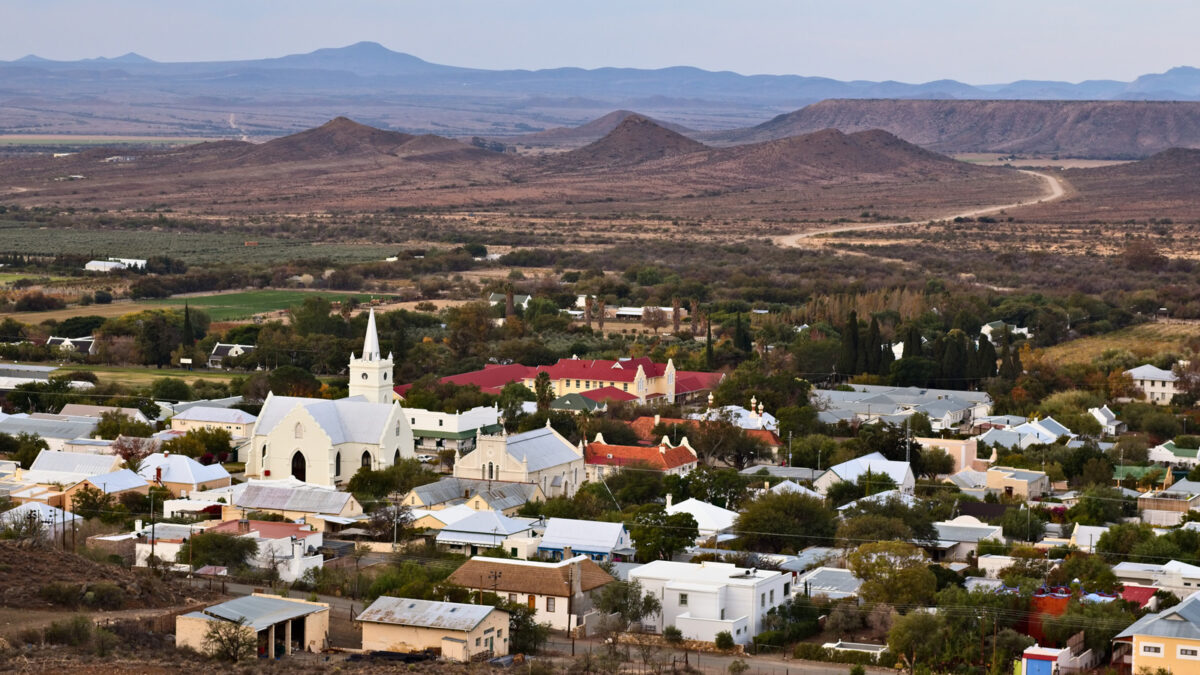
The small town of Prince Albert is located in the Great Karoo, approximately 115 kilometres from Oudtshoorn, within the Western Cape.
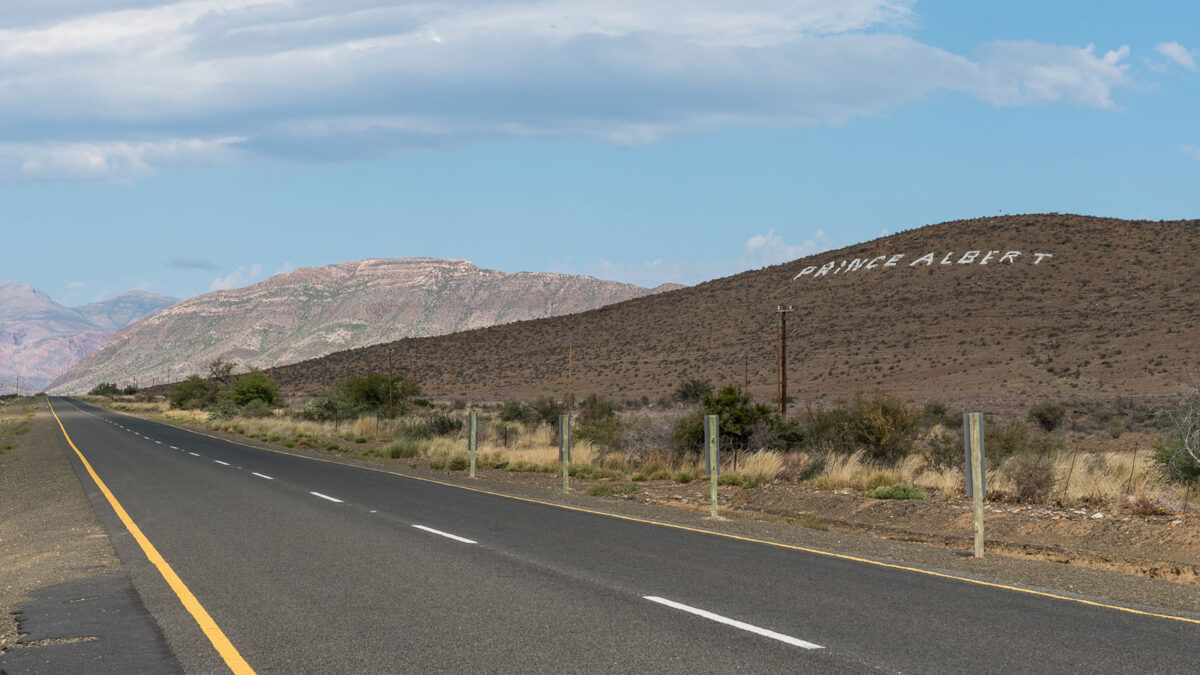
It sits at the foot of the famous Swartberg mountain range and falls under the Prince Albert Local Municipality.
Prince Albert is an extremely arid town, with blistering-hot summers that often exceed 40 degrees Celsius and cold winters with occasional snowfall.
In 1762, the area was given the Dutch name De Queek Vallei, or Queekvalleij (sometimes spelt ‘Kweek’), meaning “Valley of Cultivation”, by Zacharias de Beer, one of the early settlers.
It was named for its fertile soil, and at the time, it was little more than a farm.
De Beer transformed the dry Karoo veld into a productive agricultural farm by harnessing a perennial mountain stream from the Swartberg Mountains.
This made the area a reliable stopover for travellers and explorers.
The farm was sold to the Bothma family before the turn of the century, and by the 1820s, it had been surveyed and divided into smaller plots.
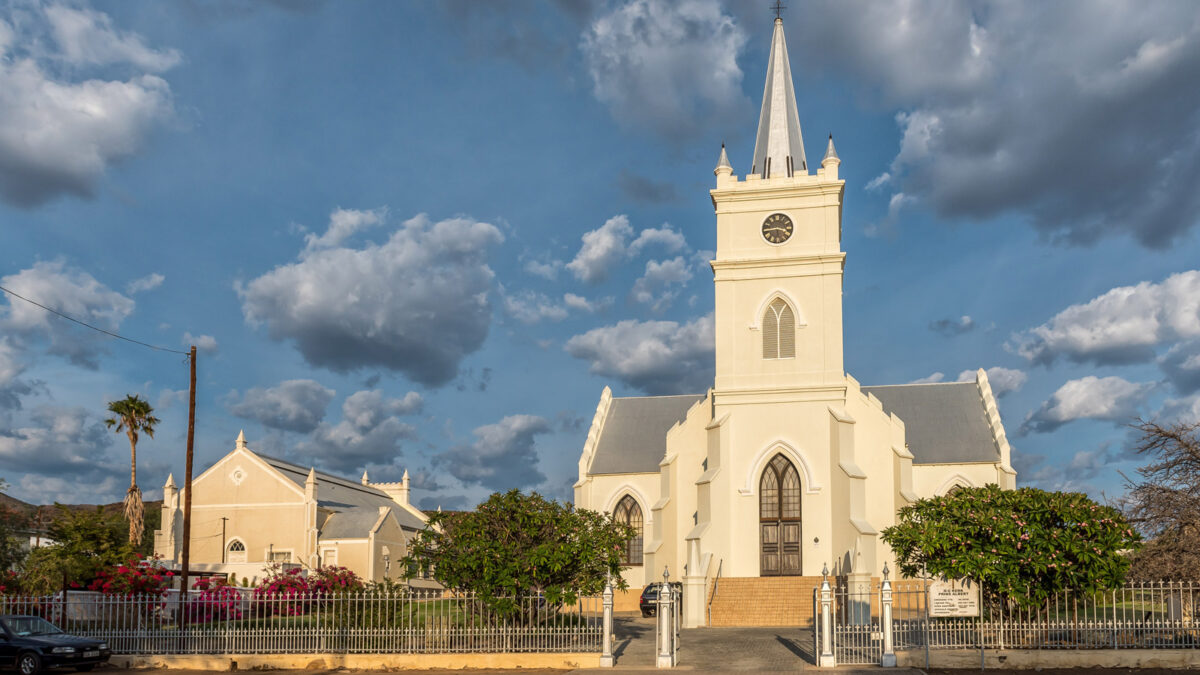
It began to resemble the early stages of a small village, and it was founded as Albertsburg in 1842, during which time a local Dutch Reformed Church was established.
The name was chosen in honour of the prince consort to Great Britain’s Queen Victoria, Prince Albert.
Three years later, the town obtained official municipal status and was renamed Prince Albert, to more explicitly honour the royal.
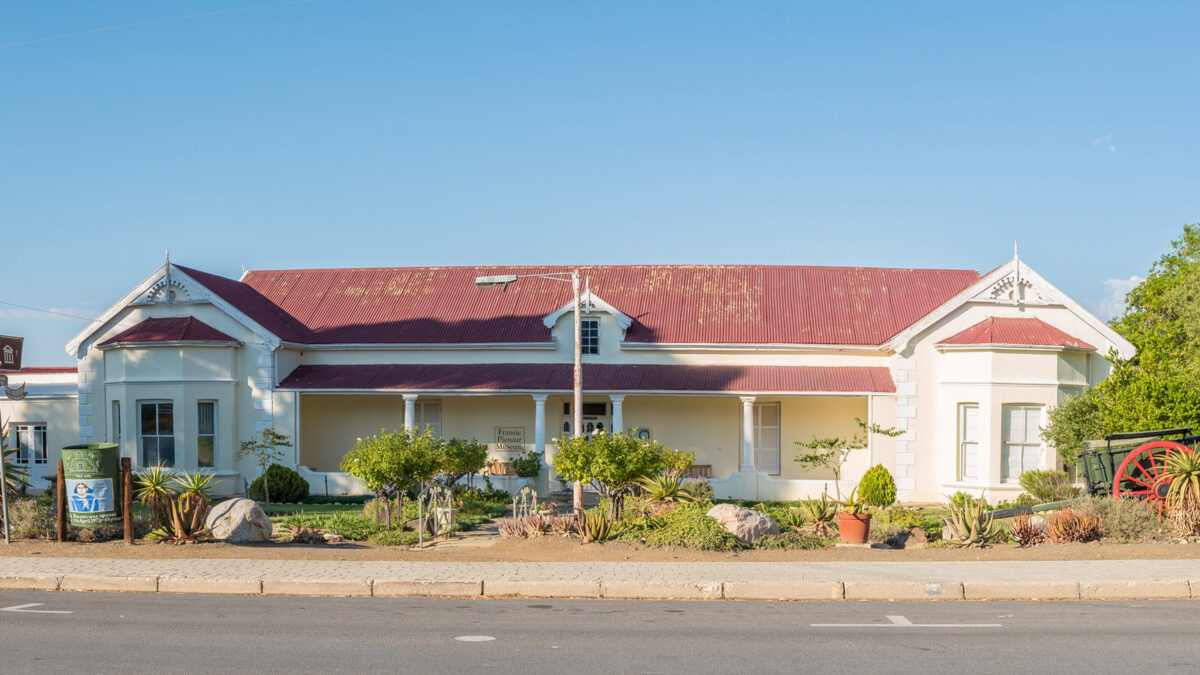
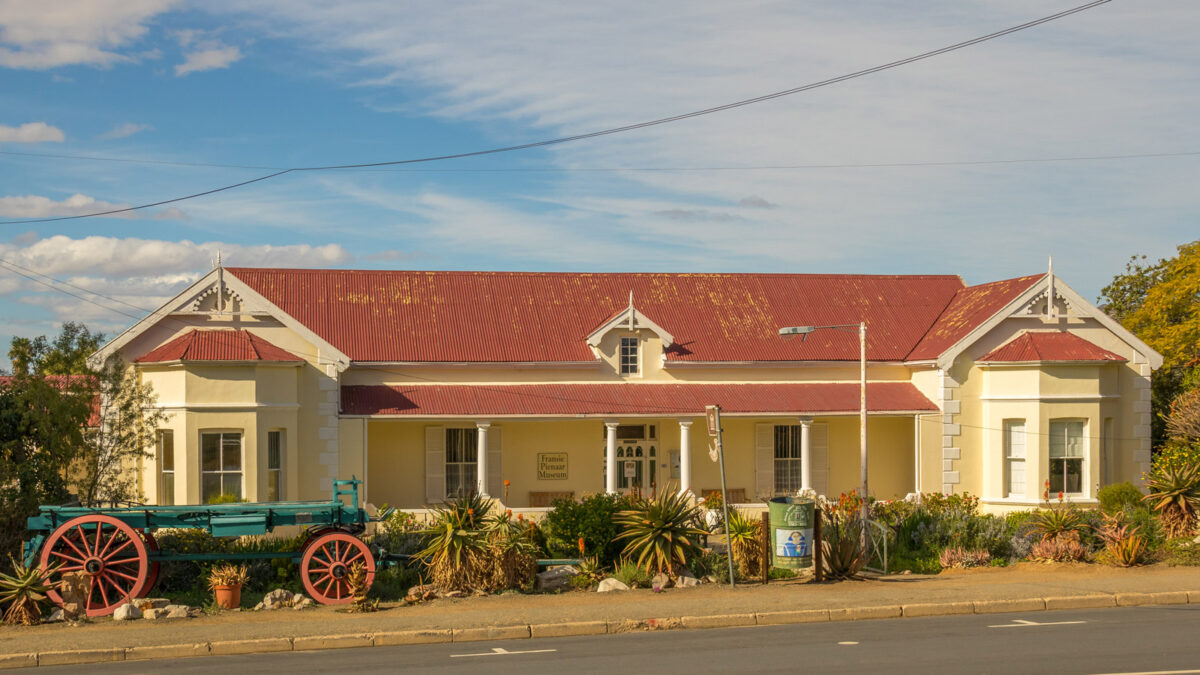
In 1867, Queen Victoria herself acknowledged the honour by sending the town a book of Prince Albert’s speeches, which is still housed in the local Fransie Pienaar Museum.
The museum is named after a local historian and antiquities collector, who gathered cultural artefacts, fossils, and historical documents.
Prince Albert grew significantly from the 1850s to the 1880s.
It established a ‘leiwater’ (water channel) network to distribute mountain water throughout the village, and a water mill – which is still standing today – was built to process grain.
Thomas Bain then completed the Swartberg Mountain Pass in 1888, which improved access to the town.
Shortly after, the Karoo Gold Rush arrived when a gold nugget was discovered on a local farm, triggering a sudden boom and influx of people.
Prospectors and mining syndicates flooded the area, predicting a ‘second Witwatersrand’, and a frantic land grab followed.
It was, however, short-lived, as the yields proved minimal – around 504 ounces of gold (around 15kg) in total was discovered.
The Second Boer War then broke out in 1899, during which the town was heavily militarised, serving as a British garrison.
The town and its surrounds became the site of several skirmishes between British and Boer forces.
Prince Albert gained municipal status in 1902, around the end of the war.
In 1972, the council lent a building to Fransie Pienaar to house her growing collection, and she donated everything to the town.
The collection later moved to the old village hospital, and the building officially became the Fransie Pienaar Museum.
In the mid-1990s, Prince Albert experienced an economic and demographic shift, as an influx of artists, writers, and retirees moved to the town.
The modern Prince Albert
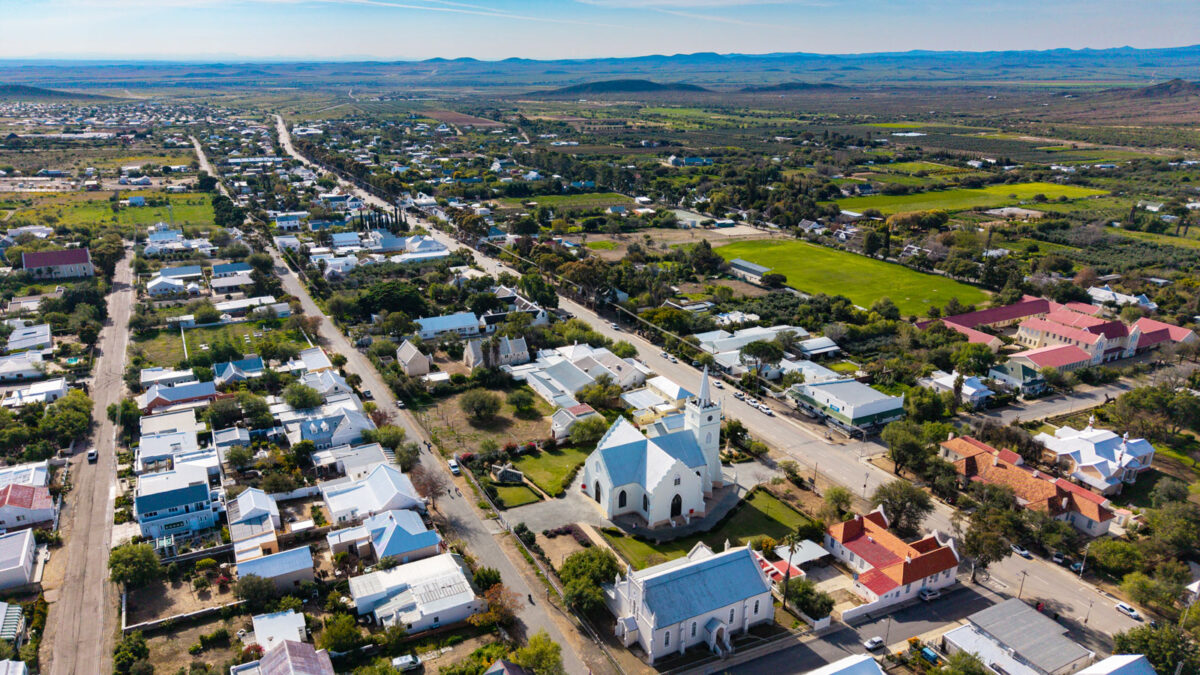
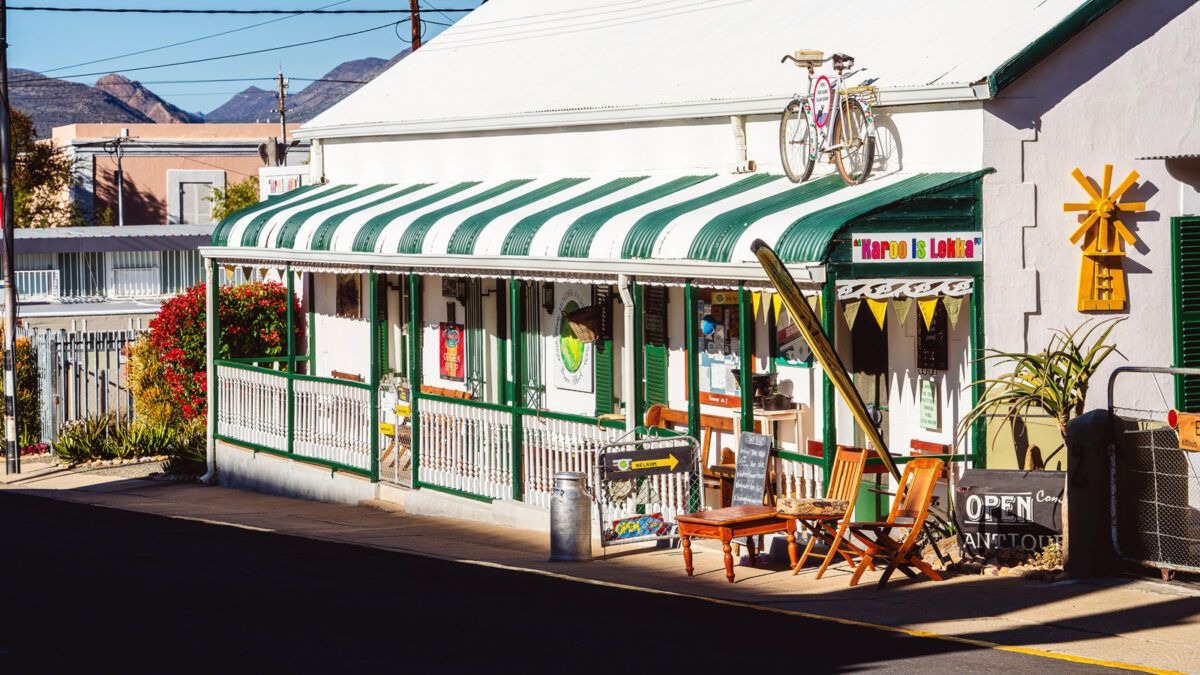
This 1990s shift in the town’s demographics shaped its modern style, defining its culinary scene and bringing an influx of wealth.
It began to resemble the Cape Winelands in some ways, earning it the nickname “The Franschhoek of the Karoo”.
It now has a population of around 7,500, and its economy centres on agriculture and tourism.
Approximately one-third of all formal jobs in the Prince Albert municipality are provided by the agricultural industry.
This industry is dictated by the arid landscape, with the area typically receiving low rainfall – less than 300mm per year.
It is renowned throughout the country for its olive and olive oil production, stone fruit, figs, pecans, almonds, cheese, lucerne, Karoo lamb, and Mohair.
Prince Albert’s more nuanced but popular commodity is its legendary roosterkoek, for which it has a reputation.
However, Prince Albert is particularly well known for its Mohair production, sometimes called “diamond fibre.”
It is recognised as the Mohair hub of South Africa and is home to champion Angora goat stud farms.
Locals handcraft various items, such as blankets and beanies, using mohair, and much of it is exported across the country.
In 2012, Prince Albert was voted as the Western Cape’s “Town of the Year” in the kykNET Kwela & Rapport competition.
It celebrated the title in the same year as its 250th anniversary.
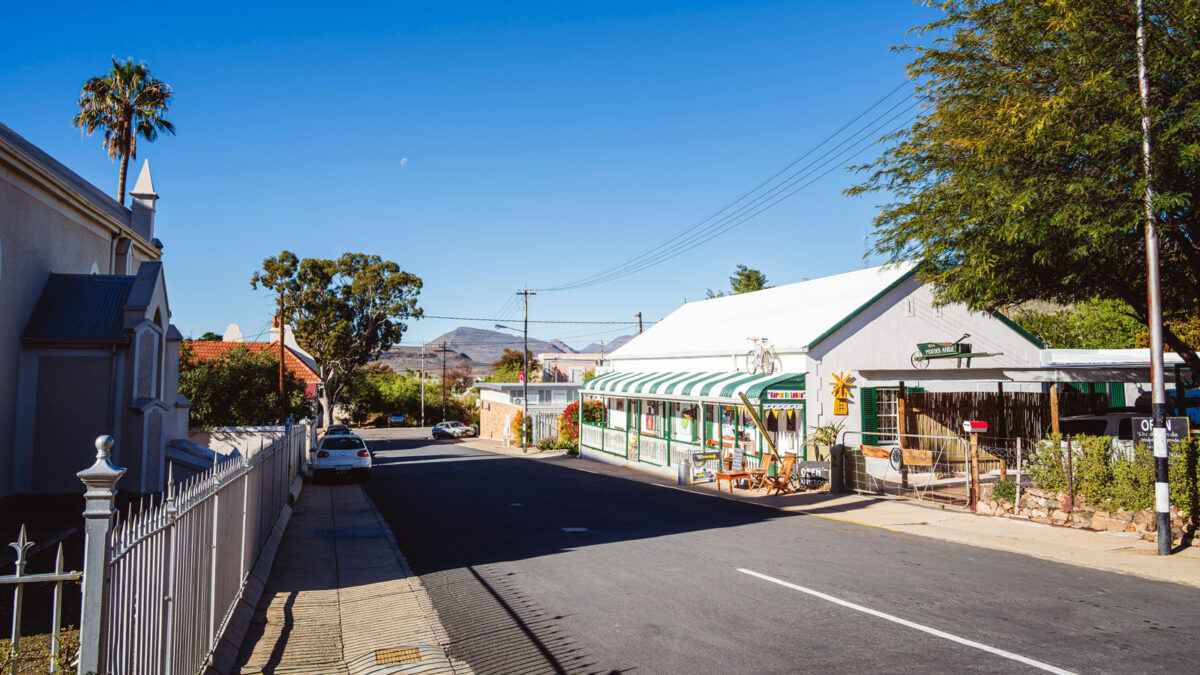
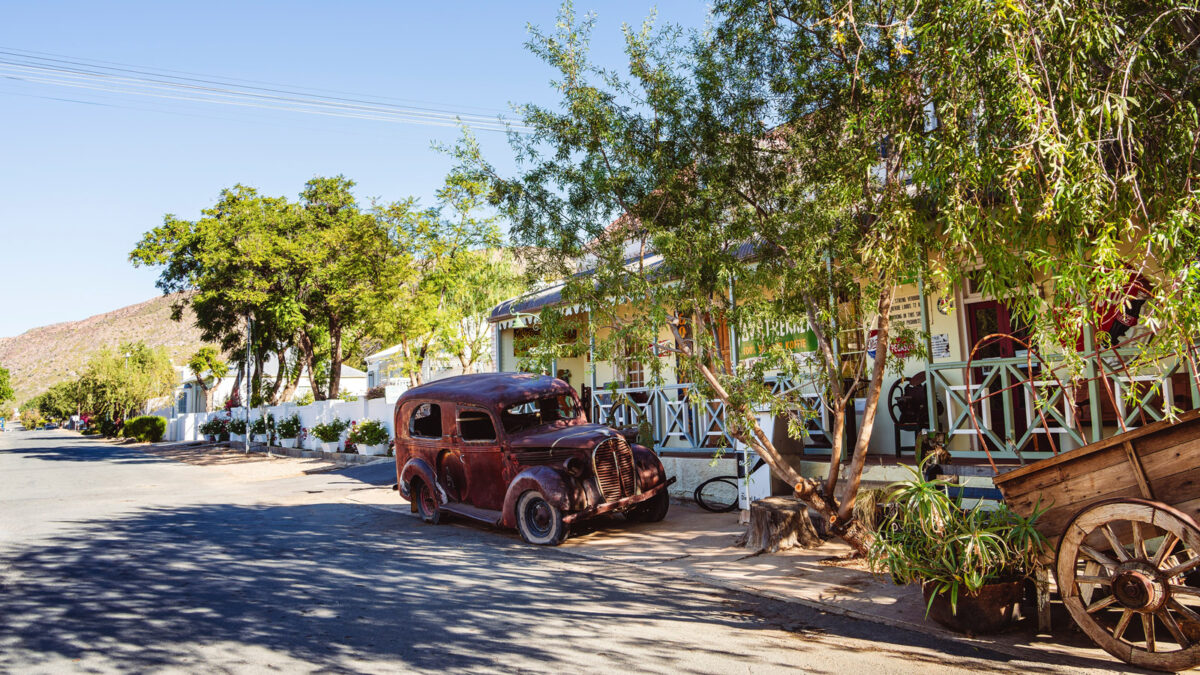
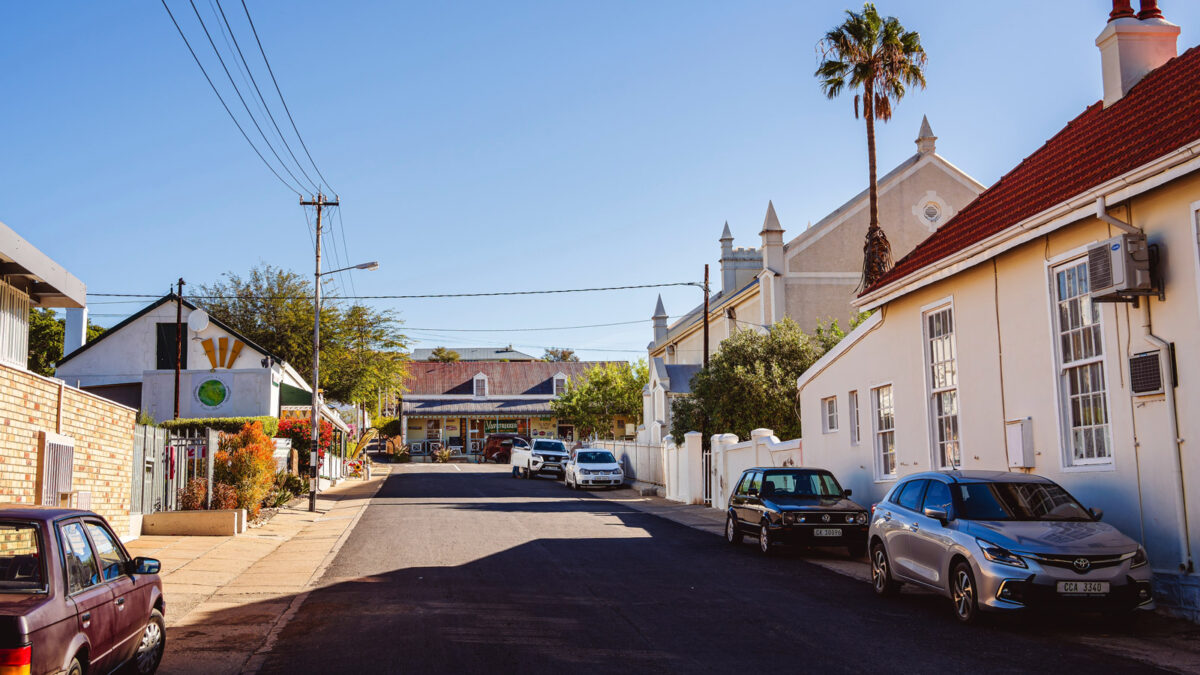
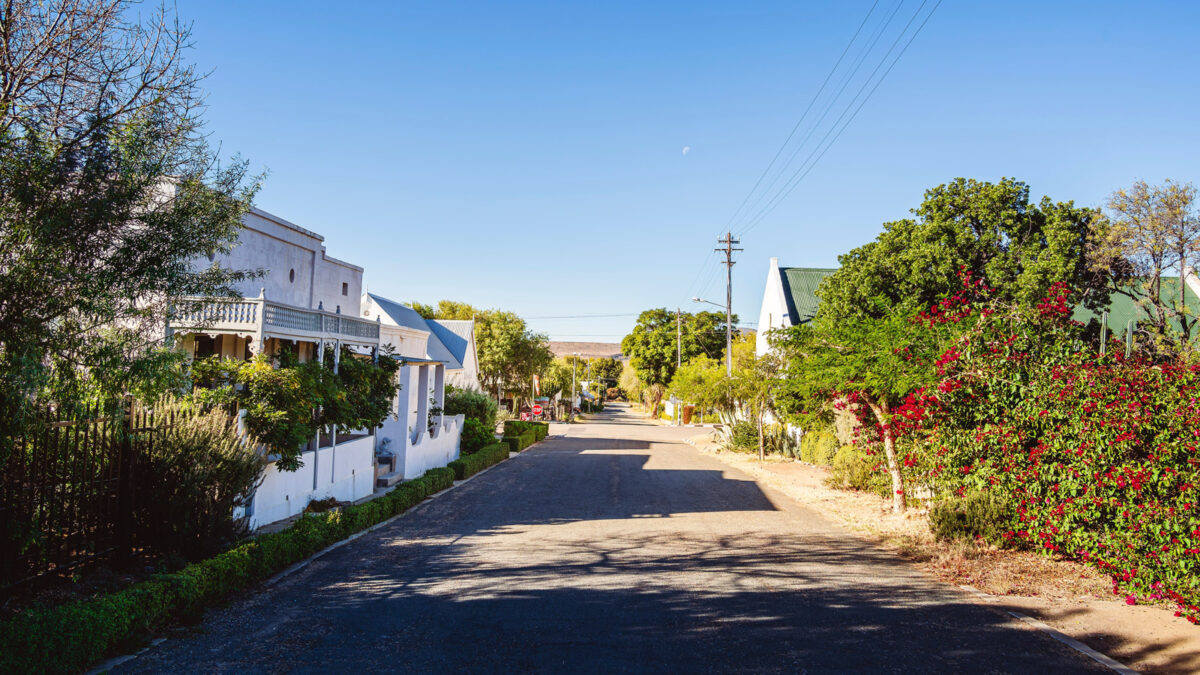
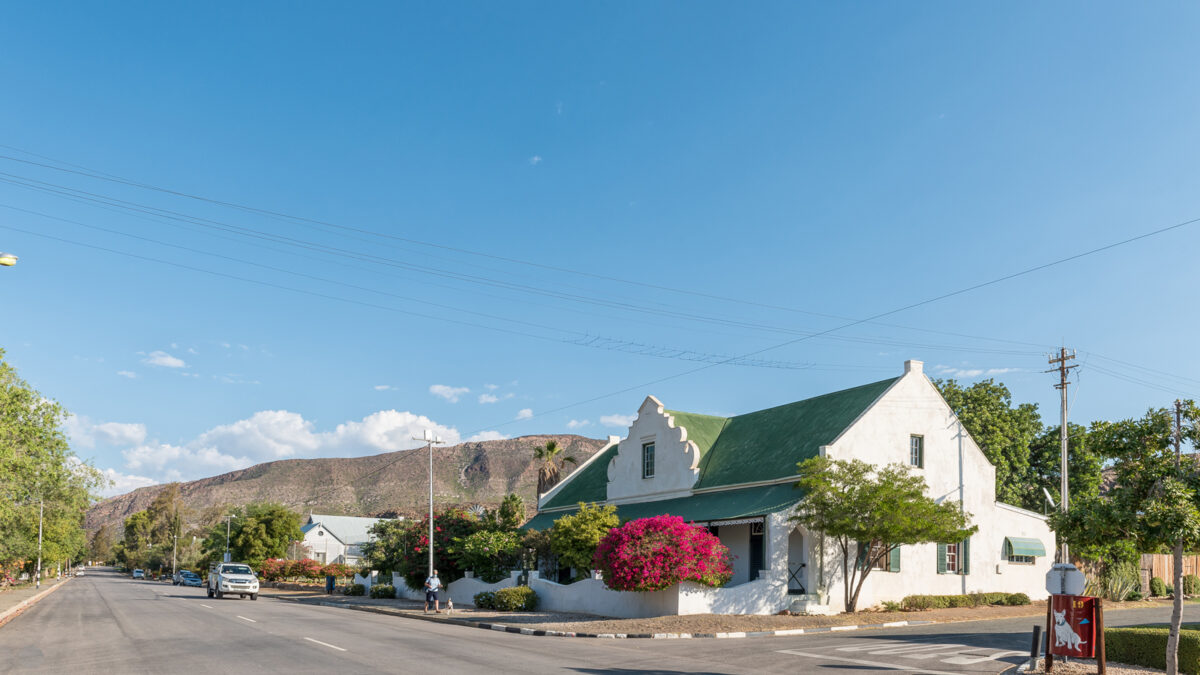
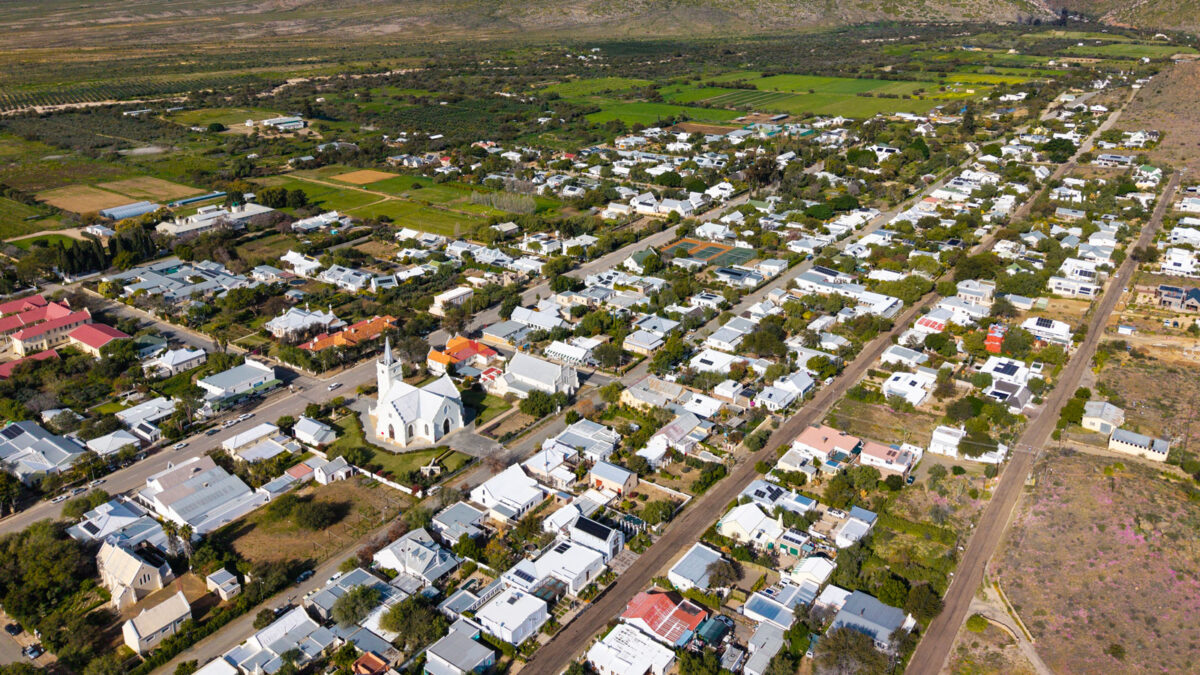
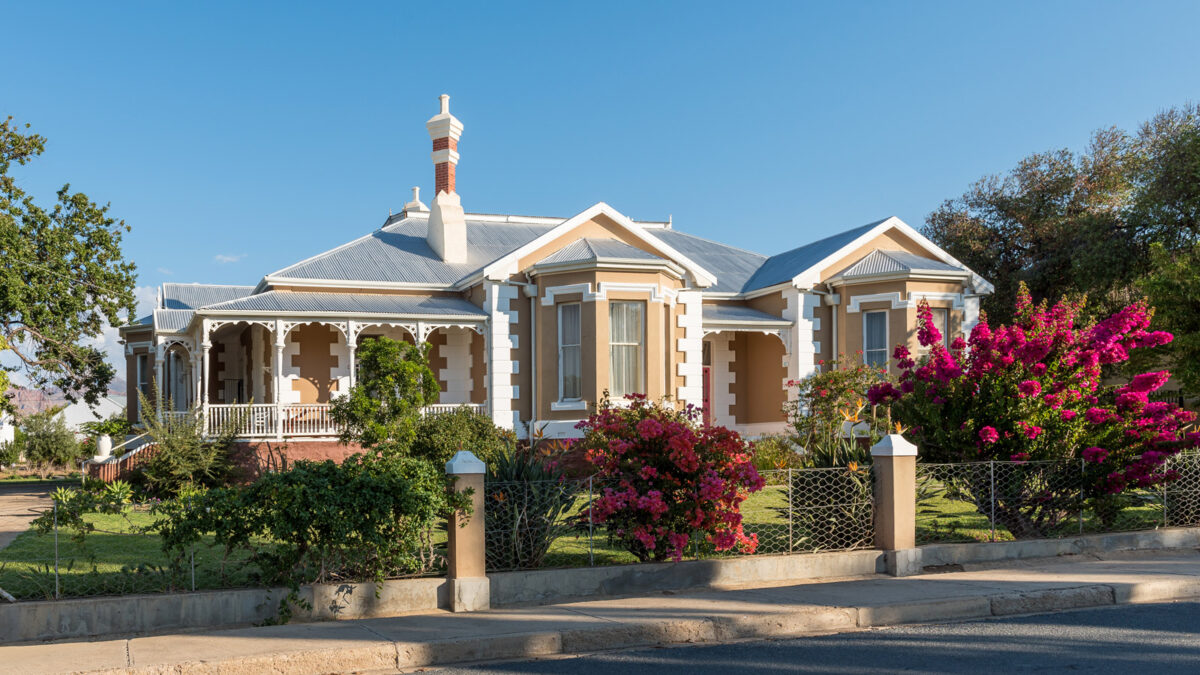
Photos of Prince Albert
You have read 2 out of 5 free articles. Log in or register for unlimited access.







 Loading ...