
South Africa’s only river port city where sewage flows in the water


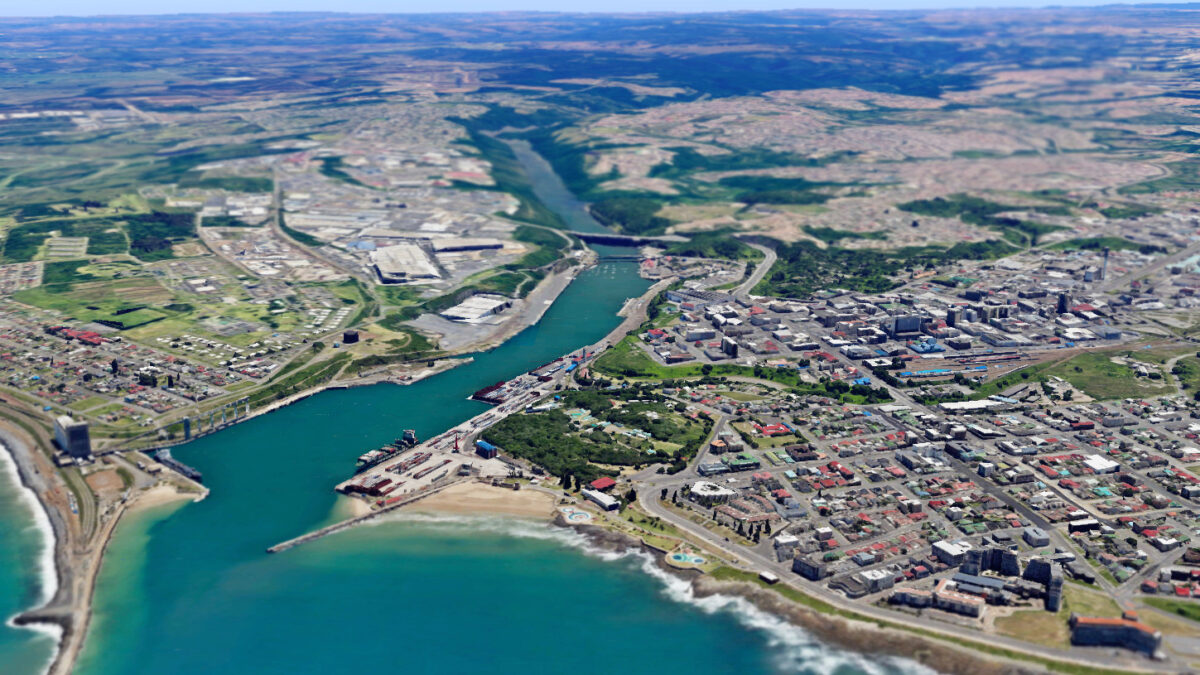
East London is suffering severe infrastructural collapse, including major issues with its sewage infrastructure, and it doesn’t have the money to fix it.
The city is a major contributor to the South African economy thanks to its port.
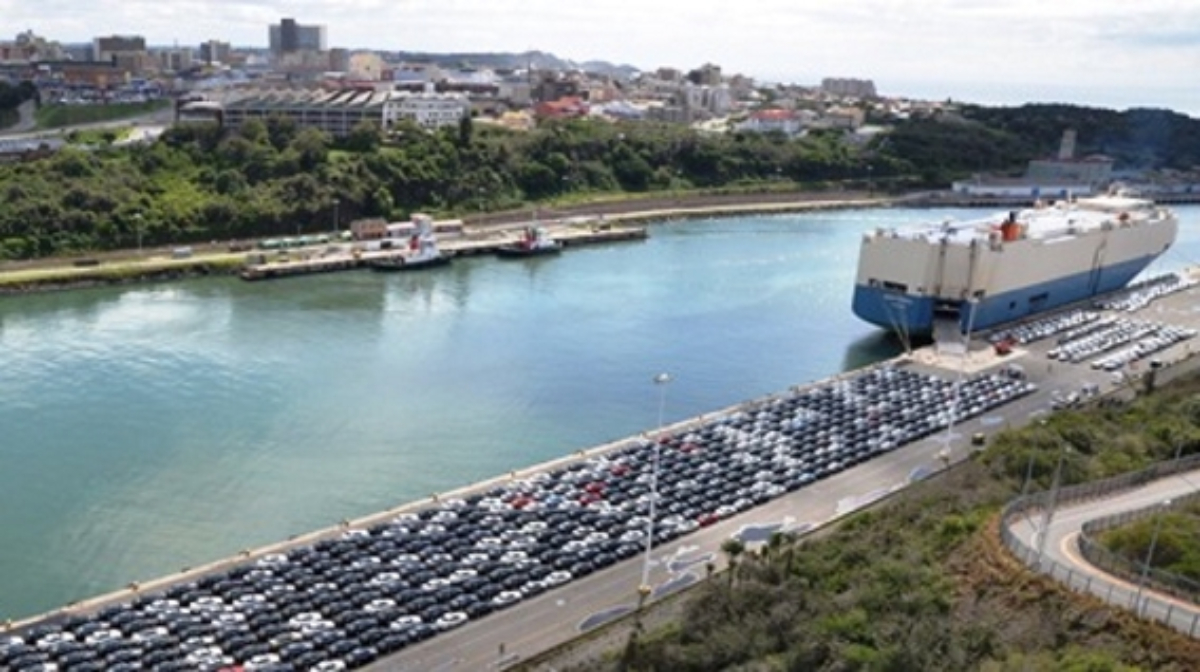
Situated on the Buffalo River mouth, South Africa’s only river port was first used as a strategic supply port of the British military during the Cape Frontier Wars.
The British then built Fort Glamorgan in 1847 to secure the port, and renamed the area “East London” before integrating it into the Cape Colony.
Fast forward nearly 180 years, and East London’s port remains the hub around which the city’s economy exists.
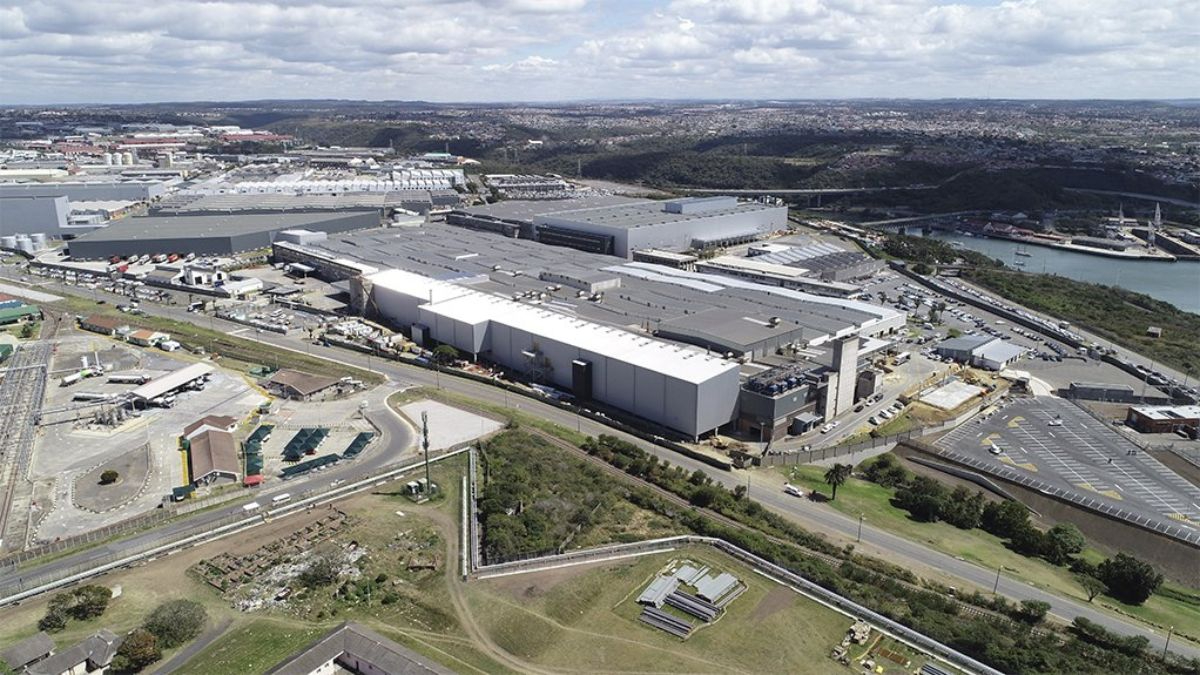
Most notably, the port is critical to the city’s major Mercedes-Benz production plant, which has long been a staple of East London’s economy.
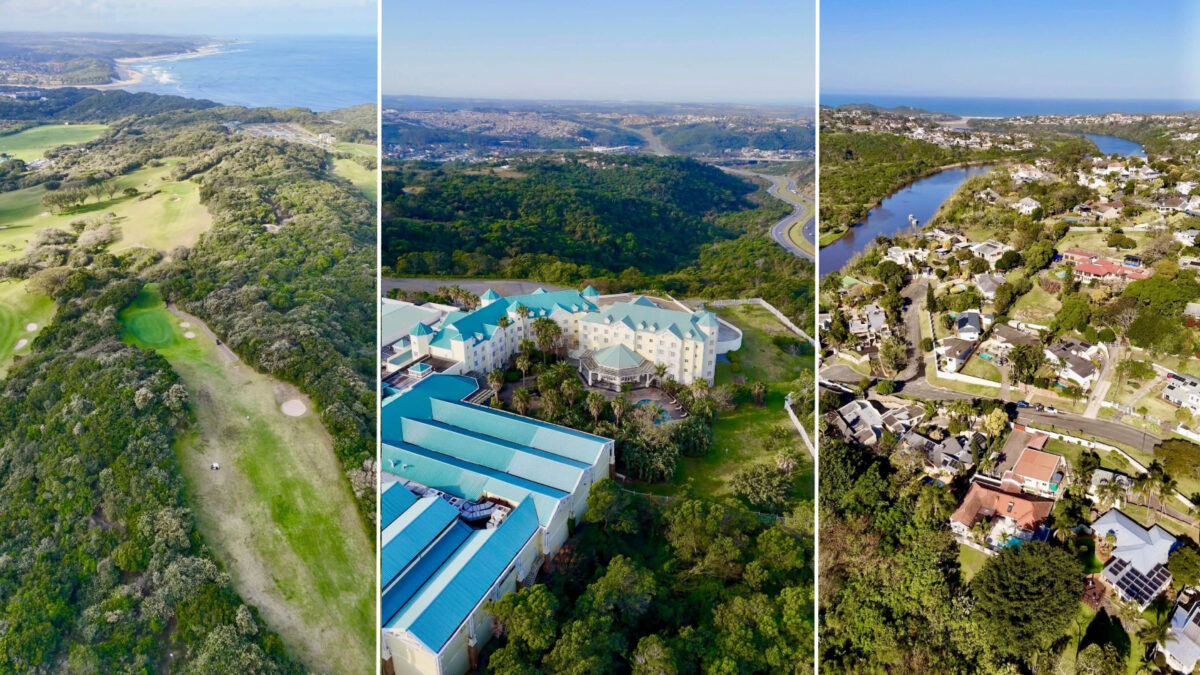
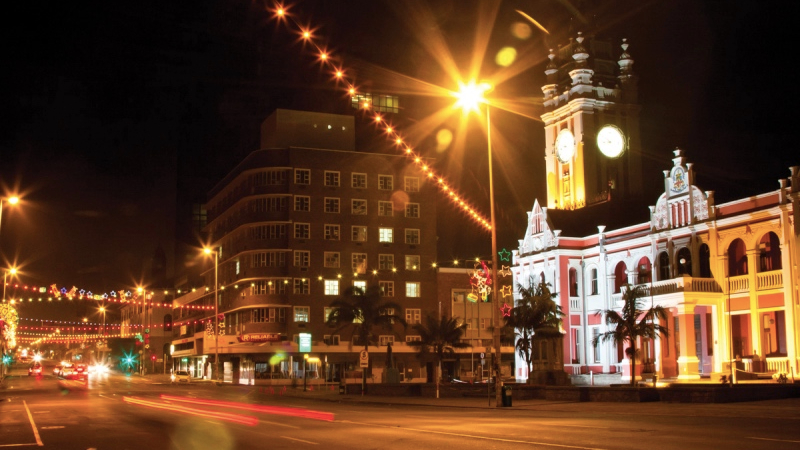
East London and the greater Buffalo City Metropolitan Municipality region is also known as a popular tourist destination thanks to its attractive beaches and beautiful nature.
However, recent years have not been kind to East London or its port due to severe mismanagement.
National Treasury withholds municipal funds
Buffalo City was among many municipalities from whom National Treasury withheld its July 2026 equitable share transfers.
“The decision follows persistent and serious non-compliance with the Municipal Finance Management Act (MFMA) and its supporting regulations, despite support provided by the National Treasury through guidance, engagement, and formal or informal communication,” said National Treasury.
At the end of July, National Treasury finally released the remaining equitable share allocation.
This was “to avoid having an adverse short- to medium-term effect on the delivery of basic municipal services,” said Finance Minister Enoch Godongwana.
The fact that such extreme measures were taken is already proof of the municipality’s issues.
However, East London’s problems extend far beyond these short-term events.
Buffalo City has had a qualified audit for the past three years, and for the most recent recorded financial year (2024/25), it had accumulated unauthorised spending of R646.82 million, as well as irregular spending of R11.63 billion.
This was up from R403.5 million in unauthorised spending and R10.56 billion in irregular spending in the 2023/24 financial year.
The Auditor General also found that the municipality takes 186 days – approximately half a year – to collect the debts it is owed.
Buffalo City was simultaneously found to be taking more than twice as long as is considered acceptable by the Auditor General to pay its own creditors.
The debt repayments it is making are not substantial, either, as the Auditor General estimated that two thirds of Buffalo City’s debt is unlikely to be recovered.
Of further concern is the fact that the municipality spent R996.01 million more than it made in the 2024/25 financial year.
For the 2025/26 financial year, Buffalo City published its mid-year adjustments budget report earlier this year.
The revenue collection challenges of the municipality were once again evident, with a 17% debt impairment allocation (amounting to nearly R1.9 billion).
Given the municipality’s projected operating surplus was also between R1.9 billion and R2 billion, these outstanding debts placed the municipality at a severe liquidity risk.
The document also reflected that only 4% of the operating budget is now allocated to Repairs and Maintenance, with this allocation decreasing further by over R50 million as part of the mid-year adjustments.
East London is collapsing
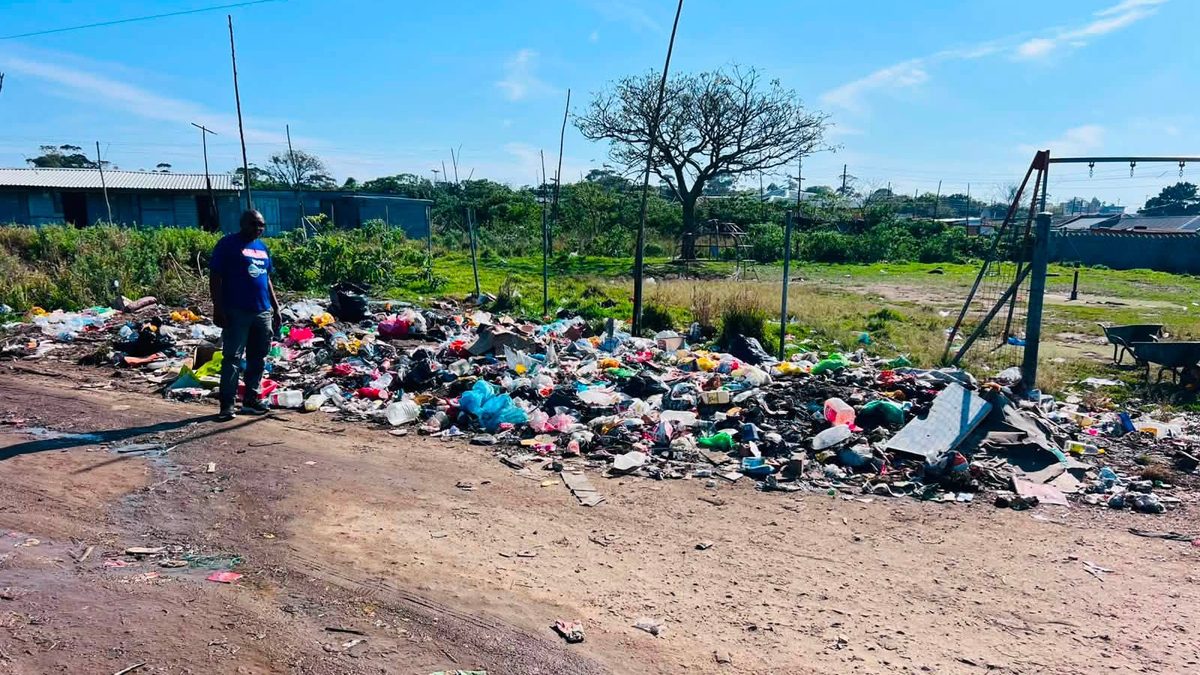
The impact of low spending on repairs and maintenance is evident in the collapse of East London’s infrastructure.
Most recently, the South African Human Rights Commission (SAHRC) conducted an investigation into the severe contamination of rivers, estuaries, and coastal waters in the Buffalo City region.
The contamination has been caused by sewage spills, failing wastewater infrastructure, and general pollution affecting local rivers and beaches.
This includes the Buffalo River – upon which East London’s harbour is situated.
The SAHRC determined that the municipality must submit an emergency intervention plan to address its water pollution problem.
It stressed that the plan must be actionable, meaning it must be supported by evidence, budgets, responsible officials, and clear timelines.
“Plans and infrastructure projects are not proof of compliance,” said the SAHRC.
“The test is whether wastewater systems consistently produce lawful results, prevent sewage from entering public water environments and protect communities.”
Tap water quality has also been a contentious topic over the years, with the municipality warning as recently as December 2025 that residents should boil their tap water before consumption due to cable theft at a local water treatment facility.
This warning lasted a week in the peak holiday season before the advisory was lifted by the municipality.
A month later, in January 2026, Newzroom Afrika ran a test on East London tap water live on TV that seemingly showed the water was still contaminated.
Buffalo City disputed the results and said the tap water in the municipality was healthy to drink.
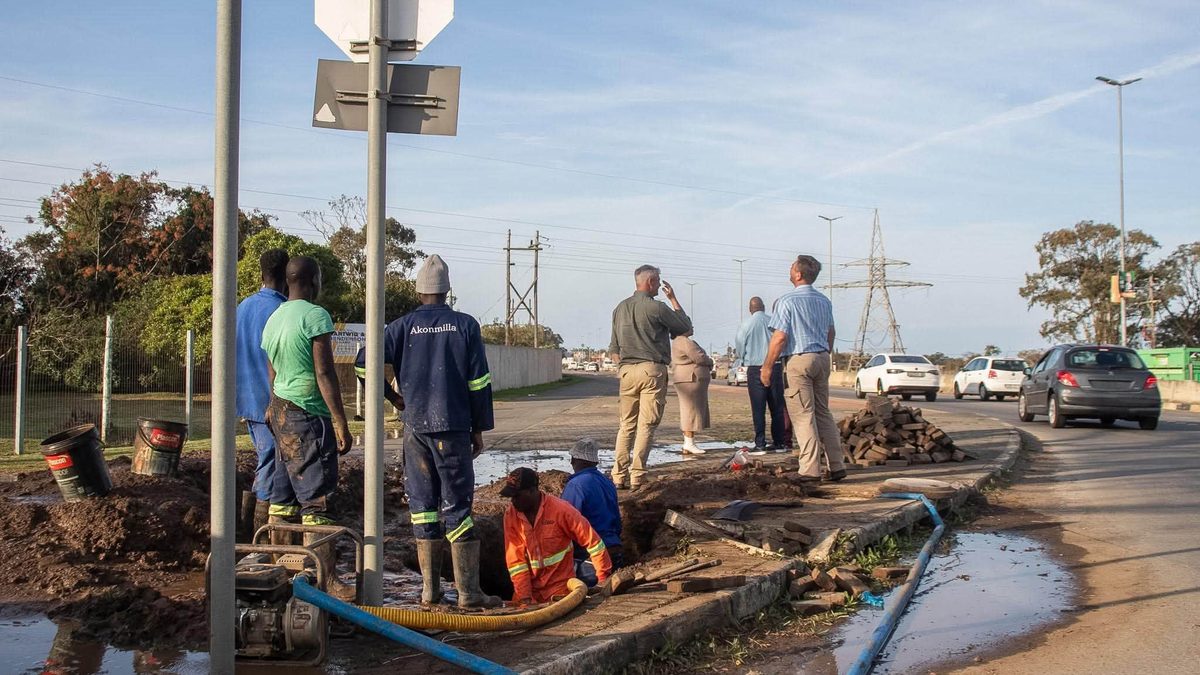
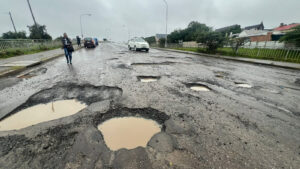
The municipality also struggles to maintain East London’s roads, with the prevalence of potholes having become a familiar theme among residents.
Many residents, as well as opposition political parties like the DA, have resorted to repairing the potholes themselves to avoid damage to vehicles.
East London in disrepair

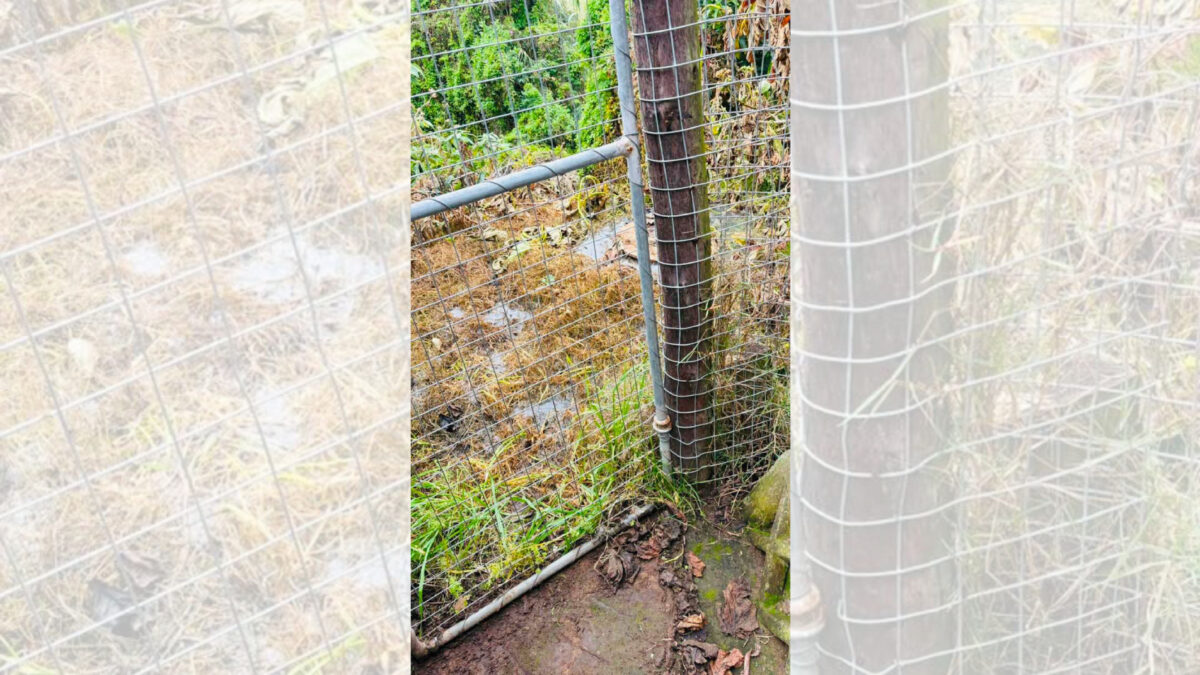

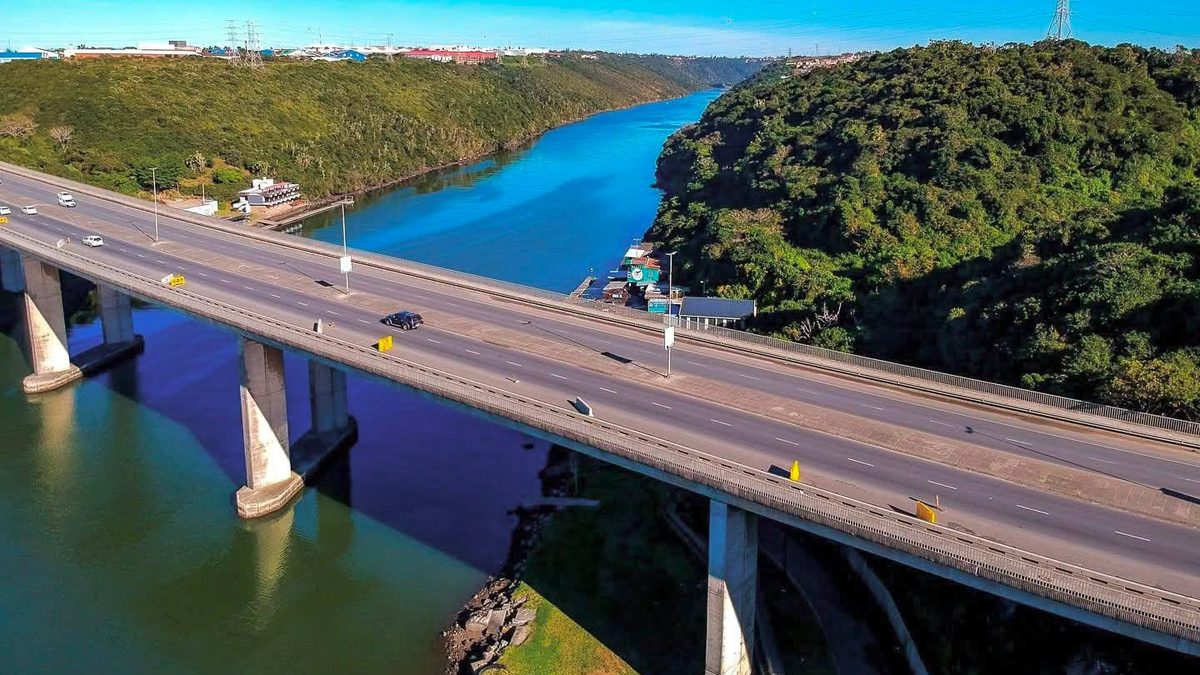
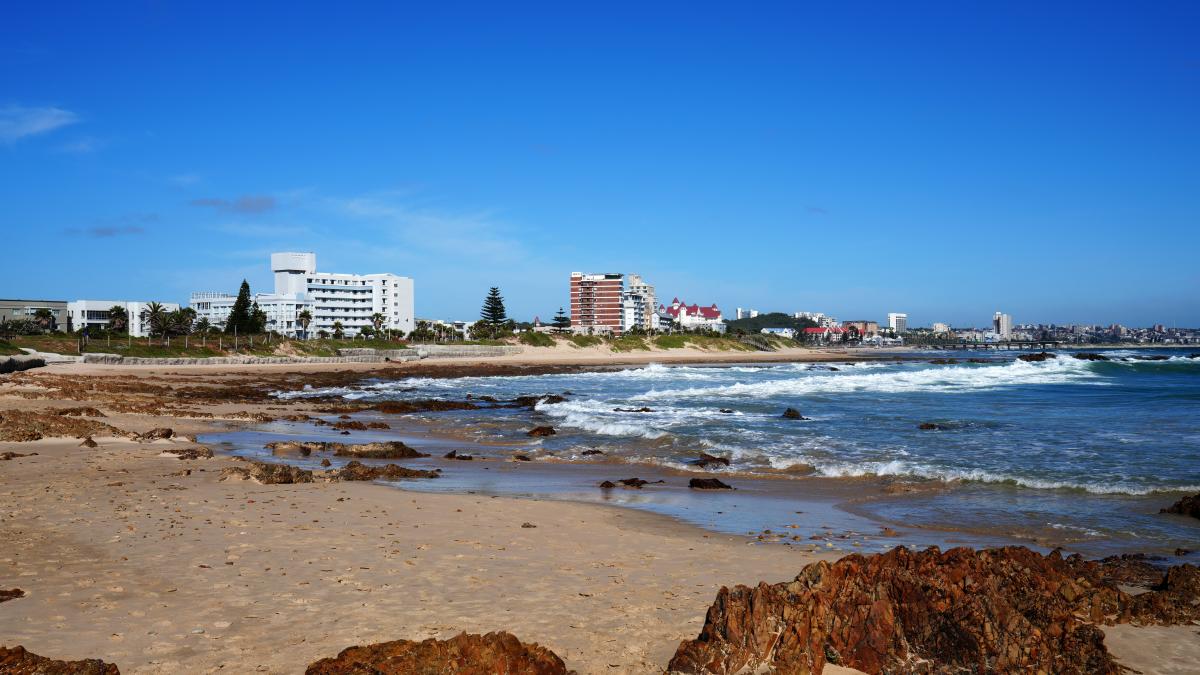
East London photos







 Loading ...
It is NOT East London man — It is the ANC proud Gu Gompo City and all.