
South Africa becoming a mafia state


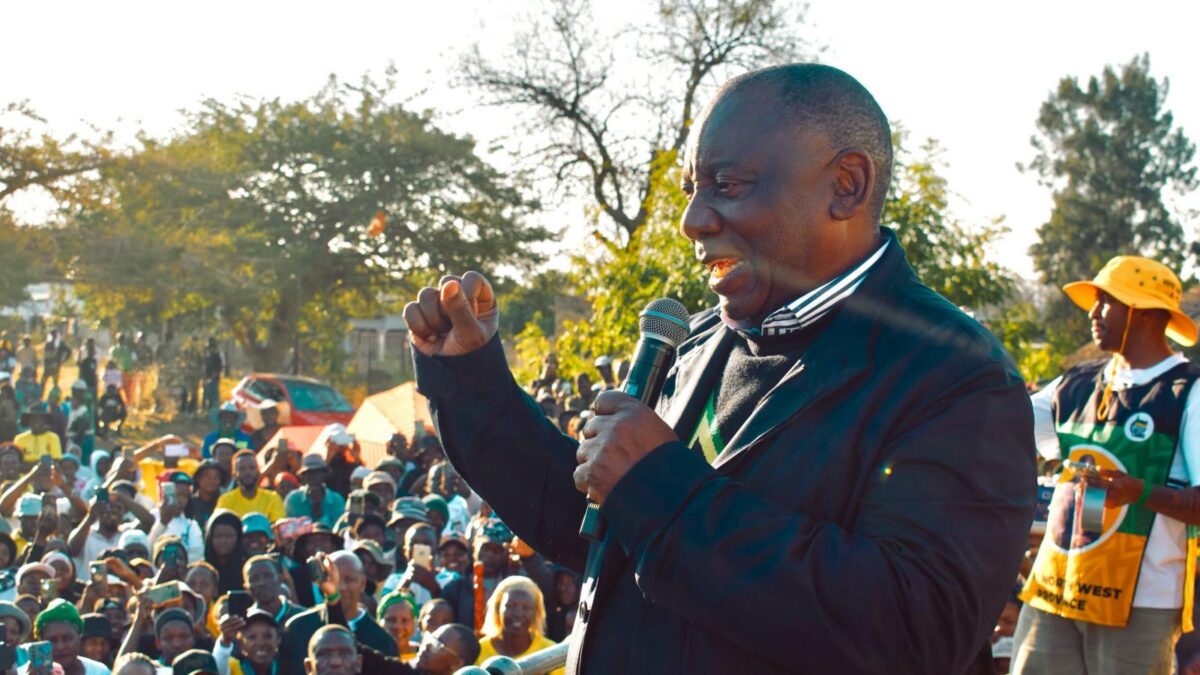
Bheki Stofile, the President of the South African Local Government Association (SALGA), warned that South Africa is moving towards a mafia state.
“This will continue as long as the government fails to collaborate and remember the reason they were formed to work together in the first place,” he said.
“Here I am talking about all three spheres of the government in South Africa: local, provincial, and national.”
Stofile shared his views on the problems at the local government level on CheckPoint: The Podcast, with Nkepile Mabuse.
He said that assassinations of councillors and municipal officials have become normalised in South African society.
He added that violence against local councillors was largely ignored by higher authority figures and the public.
In South African politics, a local councillor’s life is generally treated as far less valuable than that of national officials,” he said.
“If you look at the law, it dictates that when you appoint someone as a minister, the South African Police Service is already waiting to protect them.”
“Yet when a mayor is sworn in, they have to fend for themselves. However, a mayor faces far greater risk because they are overseeing millions and billions.”
Stofile said that this vulnerability at the local government level is why South Africa saw the emergence of construction mafias.
“As a country, we do not treat local government as a vital sphere of government that we must actively protect, defend, and safeguard against wrongdoing.”
He added that SALGA laughs when the media and politicians demand the professionalisation of local government.
“Who would willingly work as a skilled professional in a local municipality when there is no safe or secure environment to operate without death threats?” he asked.
South Africa qualifies as a mafia state
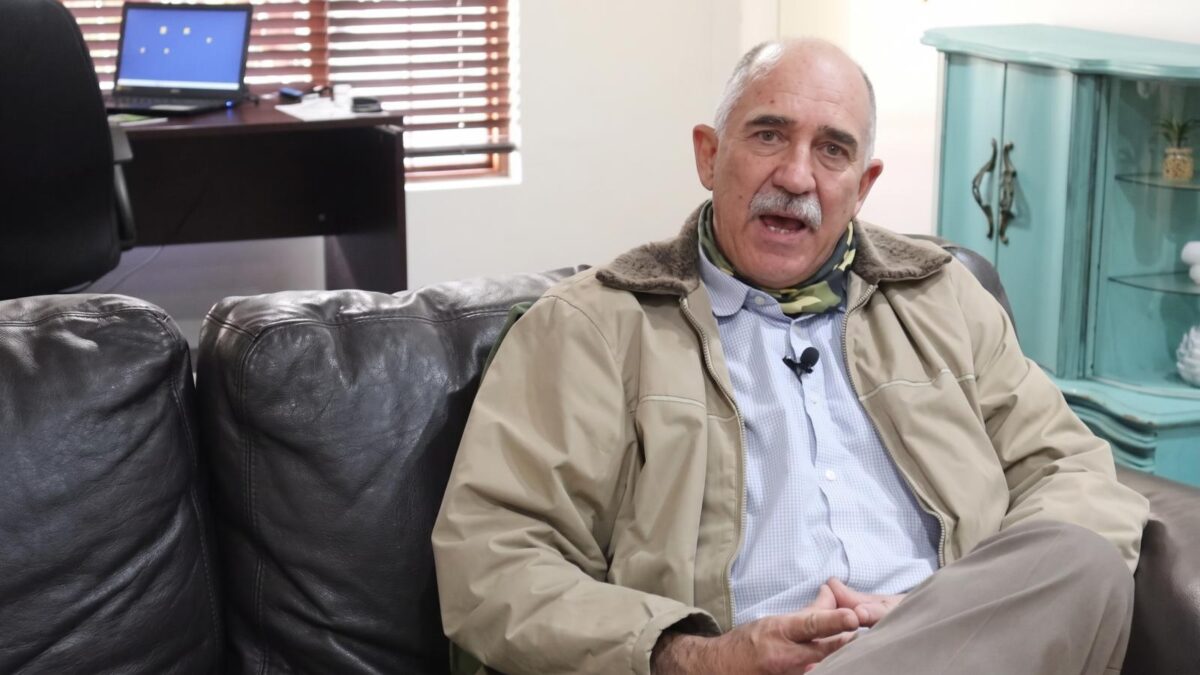
Stofile is not alone in saying that South Africa is heading towards a mafia state. Others, like Professor Andre Duvenhage, said the country is already there.
Last year, Duvenhage said that South Africa qualifies as a mafia state, as it is difficult to differentiate between the political and criminal elites.
He added that South Africa can now be categorised as a criminal state, based on objective criteria.
A criminal state is where crime is rife and organised crime has reached a level where it is difficult to distinguish between the political and criminal elite.
“The classic differentiation between a normal state and a mafia state is where you cannot clearly differentiate between the political and criminal elite,” he said.
“In the South African context, there is a long history of evidence, which includes academic research, that this differentiation does not exist.”
He said the Madlanga Commission showed the strong links between ANC politicians in government and people involved in criminal activities.
He added that the Zondo Commission, which investigated allegations of state capture in South Africa, also showed strong links between the political and criminal elite.
“You will find the same evidence at the Moerane Commission, which investigated political assassinations, and the Seriti Commission, which looked at the arms deal,” he said.
“There is now clear evidence that South Africa qualifies to be regarded as a mafia state according to traditional and established criteria.”
The Globalised Organised Crime Index ranked South Africa as the seventh-worst country in terms of criminality scores.
South Africa is in the company of Colombia, Mexico, Nigeria, Iraq, Afghanistan, and Lebanon, which shows how big a problem criminality is in the country.
Duvenhage said the South African state is not competent enough to fulfil its core function of creating security, stability, and order.
“The South African police departments and the whole criminal justice system in the country are dysfunctional,” he said.








 Loading ...
The problem is that the law is too slow to deal with corruption from MPs and collusion from their accomplices in the private sector. Whistleblowers are desperately needed but they are scared for their lives and they need proper protection. We need our SAPS, together with our justice system to function properly and mete out speedy judgment and deliver harsh sentences to those convicted. The message will eventually get through.