
A man without a bakery made R1 million a month selling bread to South African prisons


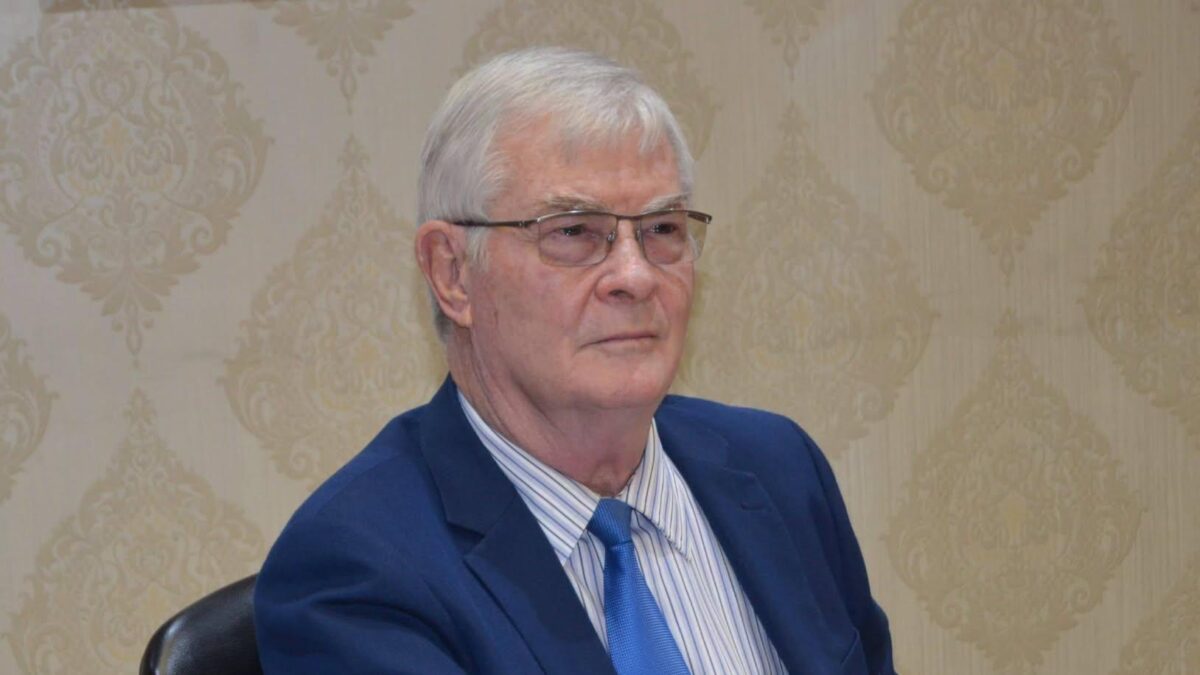
Correctional Services Minister Pieter Groenewald said that they were paying R24.50 for a loaf of bread on a tender, making a contractor without a bakery very rich.
Groenewald shared this information during an interview with Mike Sham on the State of the Nation podcast about the state of prisons in South Africa.
He said that when he became the minister, one of his priorities was self-sufficiency. “To ensure self-sufficiency, the bakeries were a part of it,” he said.
After he took the reins, he looked at their procurement budgets. “We were paying R24.50 for a loaf of bread on a tender, and I said that’s impossible,” he said.
“I mean, if you go to a supermarket or anywhere else, that is a top-end price. It was more expensive than retail.”
After investigating the issue, Groenewald discovered that the person who received the tender to supply bread did not have a bakery.
“What he did was subcontract it out for, say, R15.00 a loaf. So he was pocketing a million rand a month doing absolutely nothing. I stopped that,” he said.
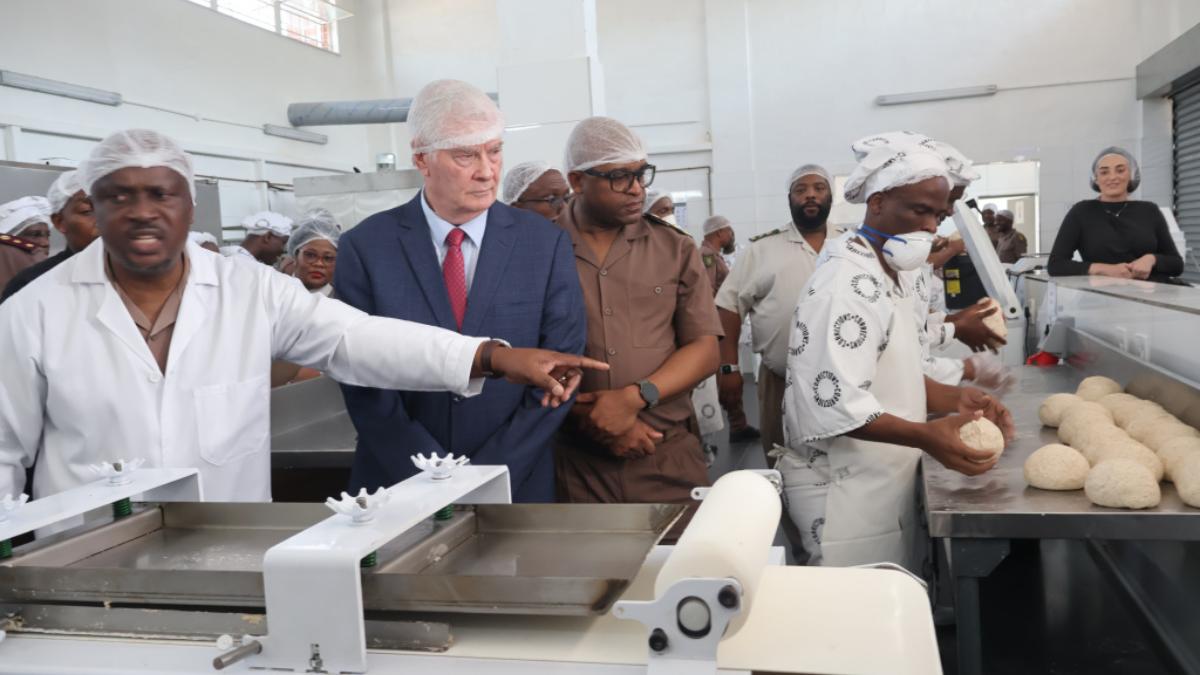
As Minister, he launched an initiative to establish internal bakeries across correctional facilities to lower operational costs.
“Offenders now bake bread for their own consumption in our own bakeries, reducing costs to the taxpayer,” he said.
“We now produce a loaf of bread for R8.00. At this moment, we are almost 97% self-sufficient in bread.”
He added that they have also launched other initiatives, including growing their own vegetables and other agricultural activities.
This saved South African taxpayers over R202 million in the last financial year, with more to come as the programme is ramped up.
Saving more money by sending foreign criminals back to their home countries
Another initiative to save South African taxpayers’ money is to send foreign criminals and detainees awaiting trial back to their home countries.
Groenewald said that there is overcrowding in South African prisons, which is made worse by 28,000 foreign nationals who are inmates.
“The running cost for a prisoner per day is R482 for the taxpayer. Foreign nationals cost South African taxpayers R13.5 million per day,” he said.
To address this problem, he is working on a programme where many foreigners who are in South African prisons can be deported to their home countries.
However, this required legislative amendments because current laws require that people awaiting trial be kept in South African jails.
He hopes that the legislative amendments will be completed within a year, allowing the state to send many foreigners awaiting trial back to their home countries.
Groenewald said that agreements and memoranda of understanding are signed with neighbouring countries, such as Namibia, Botswana, and Zimbabwe.
These agreements will facilitate offender exchanges and deportations, thereby relieving overcrowding in local prisons and reducing costs.
Although South Africa will also receive prisoners held in other countries under this agreement, he is confident that the country will benefit financially.
He explained that agreements with South Africa’s neighbours and other members of the Southern African Development Community will be good enough.
This is due to the breakdown of foreigners in local prisons. Most come from Zimbabwe, Mozambique, Lesotho, and Malawi.





 Loading ...
This SA a cesspool and is getting worse everyday thank you Ramasofa, Mama Lema and Zuuuuuuuuu ma 👏👏👏👏