
The truth behind car mileage and how it affects your buying decision


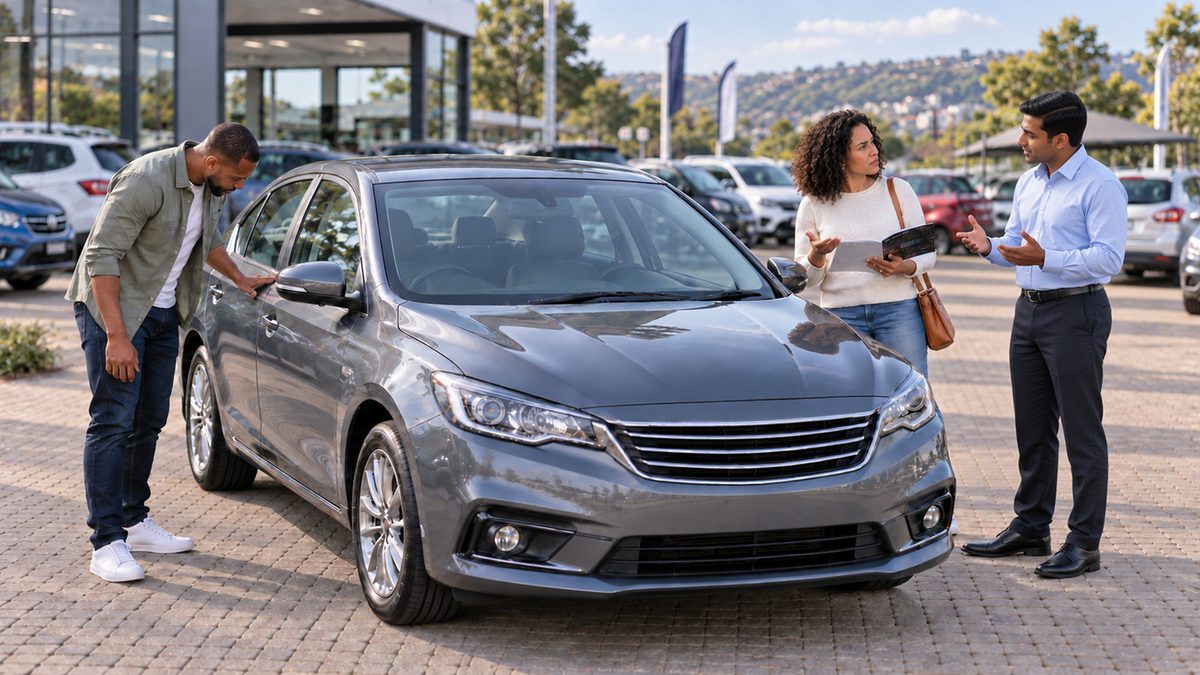
Buying a car often begins with one number: mileage. Scroll through online listings or walk through a dealership and you will soon notice how prominently it appears.
A vehicle with 60 000 km instantly feels more attractive than one with 180 000 km, even if the two cars are otherwise identical.
But mileage alone does not tell the full story.
While it remains an important factor when assessing a vehicle’s condition and resale value, the reality is far more nuanced.
Understanding what mileage means can help South African buyers make smarter decisions.
What mileage really tells you
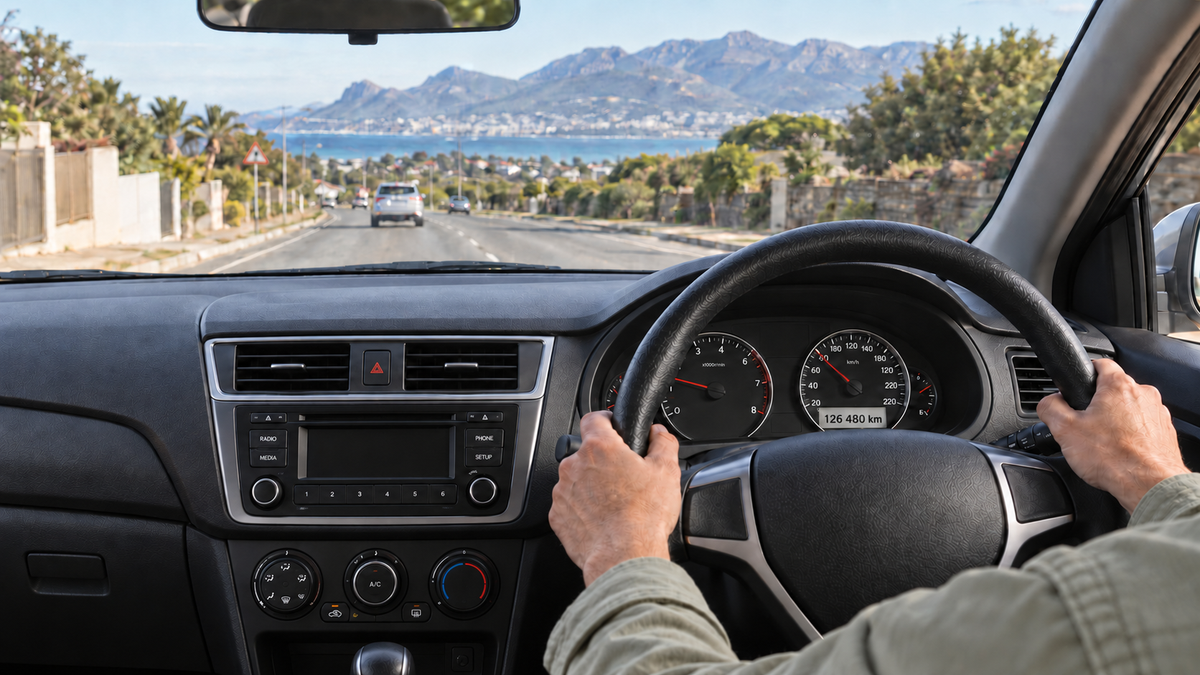
Mileage measures how far a car has travelled since it left the factory.
In simple terms, it reflects wear and tear so that the more kilometres on the clock, the more mechanical components have been used.
Over time parts such as brake components, suspension elements, tyres as well as engine components naturally degrade.
A higher mileage vehicle may therefore require more frequent maintenance or component replacement.
According to the experts at Auto.co.za, this does not automatically make it a bad purchase.
Many modern vehicles are engineered to run well beyond 200 000 km if they are serviced properly.
In fact, a well-maintained car with higher mileage can often be a safer bet than a low mileage vehicle that has been neglected.
Why low mileage is not always better
Low mileage often carries a premium price, particularly in the used car market.
Buyers tend to assume that fewer kilometres mean fewer problems.
However, the way those kilometres were accumulated matters just as much as the total number itself.
A car that has travelled 120 000 km on open highways may experience less strain than one that has only done 60 000 km in stop-start city traffic, says Auto.co.za.
Constant braking and short trips can place greater stress on engines and gearboxes as well as braking systems.
Longer highway drives, on the other hand, allow engines to operate at stable temperatures while reducing strain on many components.
This is why experienced buyers often look beyond mileage and focus on the vehicle’s usage pattern.
Service history matters more than numbers

In the South African market, a complete service history often carries more weight than mileage alone.
Regular servicing shows that previous owners followed maintenance schedules, while addressing issues before they became expensive problems.
A vehicle with higher mileage but a full-service record from authorized dealerships or reputable mechanics can be far more reliable than a lower mileage car with missing documentation.
When reviewing a used car listing, pay attention to service stamps, invoices and maintenance records.
These details reveal how carefully the vehicle has been looked after.
Mileage and resale value in South Africa
Mileage still plays a strong role in determining resale value.
Vehicles with lower kilometre readings tend to command higher prices while attracting more buyer interest.
South African buyers typically expect average usage of around 15 000 to 20 000 km per year.
A five-year-old car with roughly 75 000 to 100 000 km on the clock is therefore considered within the normal range.
Cars that fall significantly above or below this range may raise questions, although they are not automatically problematic.
Making a balanced buying decision
The smartest buyers treat mileage as one piece of a larger puzzle.
Along with the odometer reading, consider the vehicle’s service history as well as the reputation of the brand and model.
A careful inspection, along with a professional vehicle assessment, if possible, can reveal far more than mileage alone.
In the end a good car is not defined by how far it has travelled but by how well it has been cared for along the road.










 Loading ...