
Only 2 out of 14 sewage pump stations in an important South African city are functional


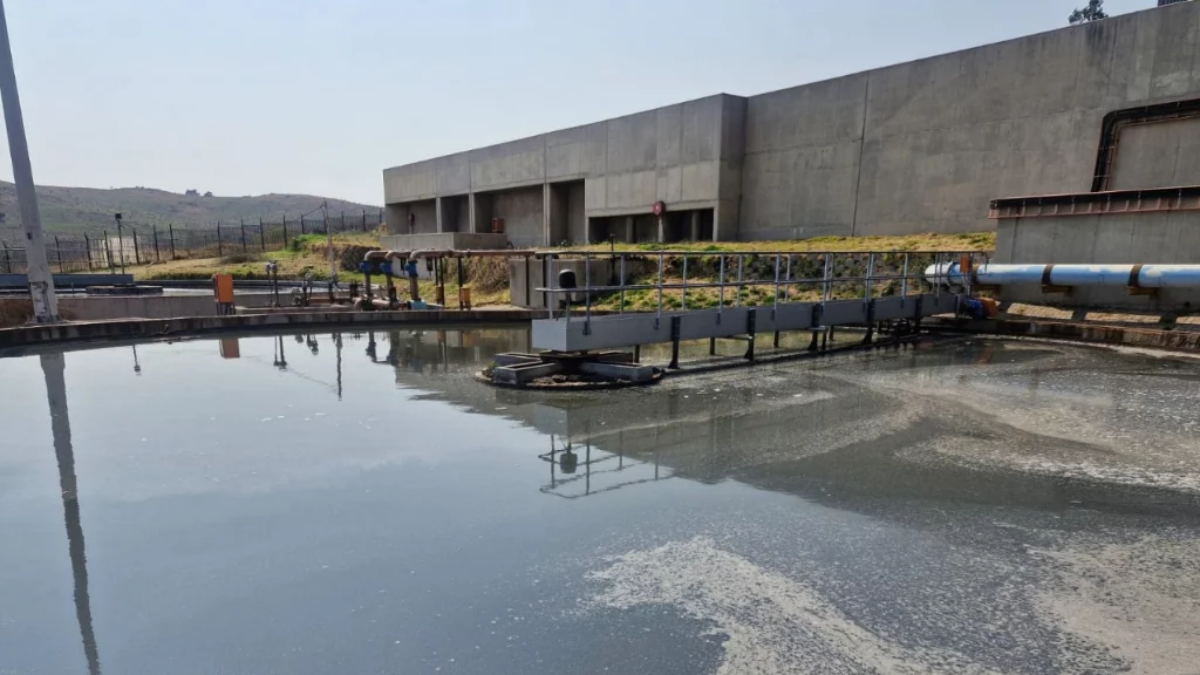
Mogale City’s Green Drop score has collapsed from 75% in 2013 to below 30% in 2025, the single largest regression of any municipality in Gauteng.
This has resulted in an ongoing sewage pollution crisis that threatens the Blougatspruit, Bloubankspruit, and Crocodile Rivers.
Mogale City is a local municipality in the West Rand District Municipality in Gauteng and includes Krugersdorp, Magaliesburg, and Muldersdrift.
This municipality has faced service delivery problems in recent years, including persistent infrastructure failures and communication breakdowns.
There are widespread technical and non-technical electricity losses, driven by ageing network infrastructure, cable theft, and illegal connections.
Residents and ward councillors frequently report a total lack of communication during multi-day outages.
Community groups said that complaints lodged via formal channels go unacknowledged, leaving neighbourhoods in the dark.
Another problem is that the municipality loses a large percentage of its water supply through leaks, bursts, and unmetered connections.
Delays in critical sewage and bulk water upgrades, such as the Flip Human Wastewater Treatment Works, have caused prolonged service interruptions.
The 2025 Green Drop Report, an assessment of municipal wastewater management in South Africa, shed light on the extent of the problem.
It showed that Mogale City’s Green Drop score has collapsed from 75% in 2013 to below 30% in 2025, the single largest regression of any municipality in Gauteng.
All three of the municipality’s wastewater treatment works are rated critical:
- Percy Stewart at 30%, down from 68% in 2021.
- Flip Human at 30%, down from 64% in 2021
- Magaliesburg at 27%, down from 49% in 2021
The Mogale City municipality received a 0% rating for both microbiological and chemical compliance.
Leanne De Jager, a member of the provincial legislature (MPL), said that of the 14 sewage pump stations in Mogale City, 12 are non-functional.
“As a result, much of Mogale’s sewage never reaches a treatment works at all,” De Jager said in a statement.
“Of what does reach the treatment works, approximately six million litres of untreated or inadequately treated effluent are discharged back into the environment daily.”
She warned that E. coli counts in affected rivers in the region exceed extremely high-risk thresholds, posing a danger to people.
Mogale City is pumping raw sewage into rivers
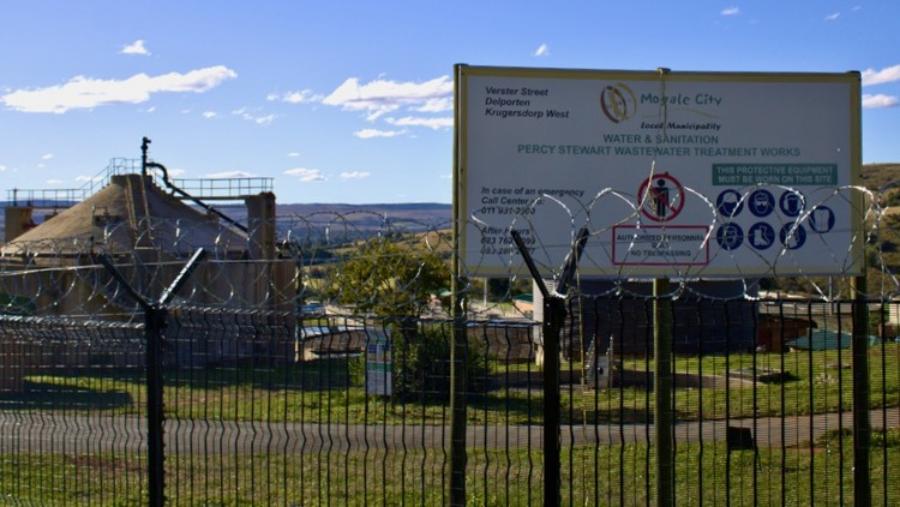
In May 2026, GroundUp’s Seth Thorne reported that Mogale City is pumping raw sewage into rivers in the Cradle of Humankind.
Failures in sanitation management in the Mogale City Local Municipality have left rivers and the wider environment contaminated.
This places communities, heritage and ecosystems at risk. It is home to 440,000 people and a large part of the Cradle of Humankind World Heritage Site.
The Department of Water and Sanitation (DWS) has issued a Red Regulatory Notice that requires the municipality to submit a Corrective Action Plan.
“To call it an absolute disaster is an understatement,” said Trevor Brough, director of the Cradle of Humankind World Heritage Site Association.
He said facilities continue to discharge raw sewage into rivers already battling more than a century of acid mine drainage.
He described the Blougatspruit and Bloubankspruit, where Percy Stewart WWTW has its output, as “rivers of disease”.
The department said that Mogale City has the lowest operational staff-to-plant ratio in Gauteng, with fewer than 2 qualified staff per plant.
The City is also short three supervisors and seven qualified process controllers, hampering the operations at wastewater plants.
Under the National Water Act, the department has referred one criminal case for persistent pollution or negligence to the National Prosecuting Authority.
It has also issued one formal Notice of Intention to Issue a Directive, which serves as a final administrative warning before greater intervention or legal steps are taken.
The department said it is also ring-fencing water grants for the repair and refurbishment of failing pump stations and treatment works.




 Loading ...
That explains why the city is in shyte.