
South Africa’s most important city is collapsing in front of everyone’s eyes


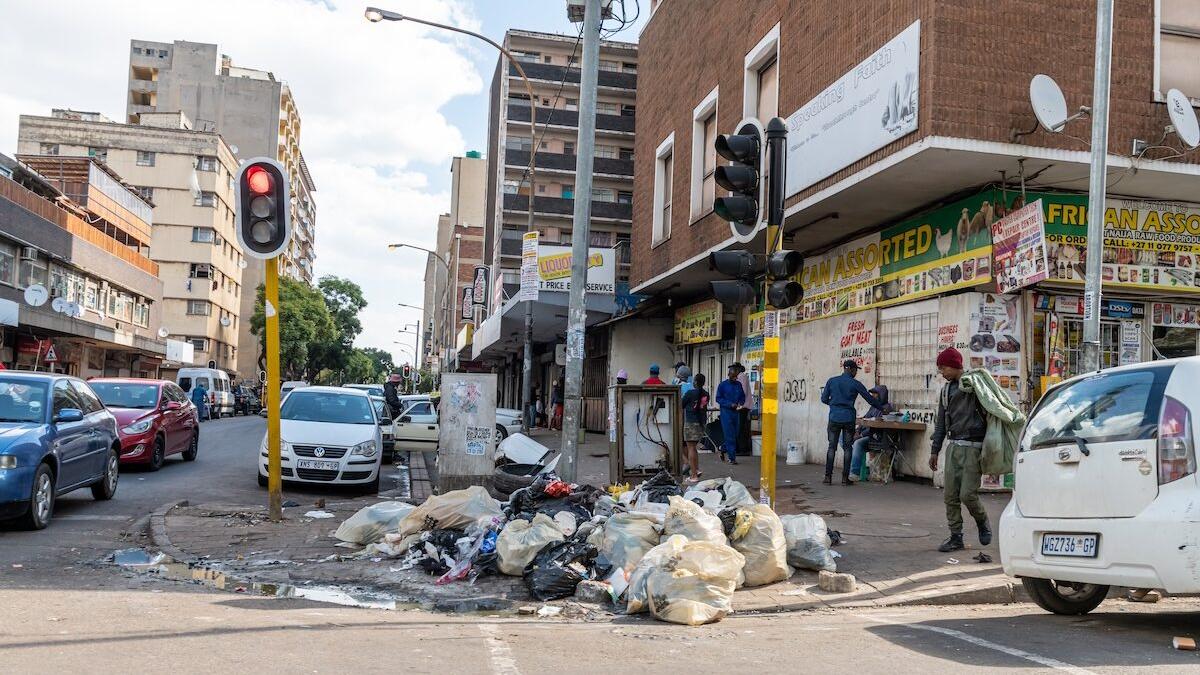
Business Leadership South Africa CEO Busi Mavuso said Johannesburg’s budget has soared while property values have plummeted and service delivery has collapsed.
Johannesburg is South Africa’s most important city and the engine which drives economic growth in the country.
It accounts for a large share of the country’s GDP and houses the Johannesburg Stock Exchange (JSE) and the headquarters of over 70% of South African businesses.
It drives African corporate, technological, and infrastructural development, serving as the link between the international community and sub-Saharan markets.
Despite its importance, the city has been deteriorating with widespread infrastructure collapse and service delivery problems.
There has been a pattern of corruption and mismanagement of public funds through the City of Johannesburg’s entities, which is one of many crises.
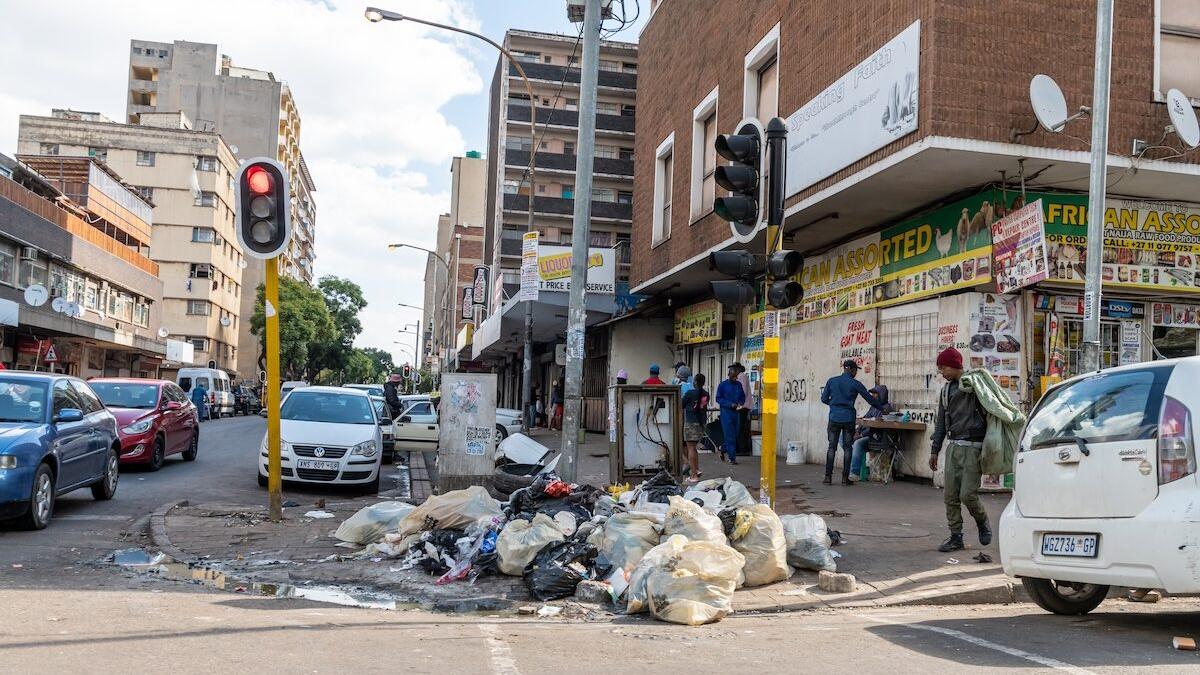
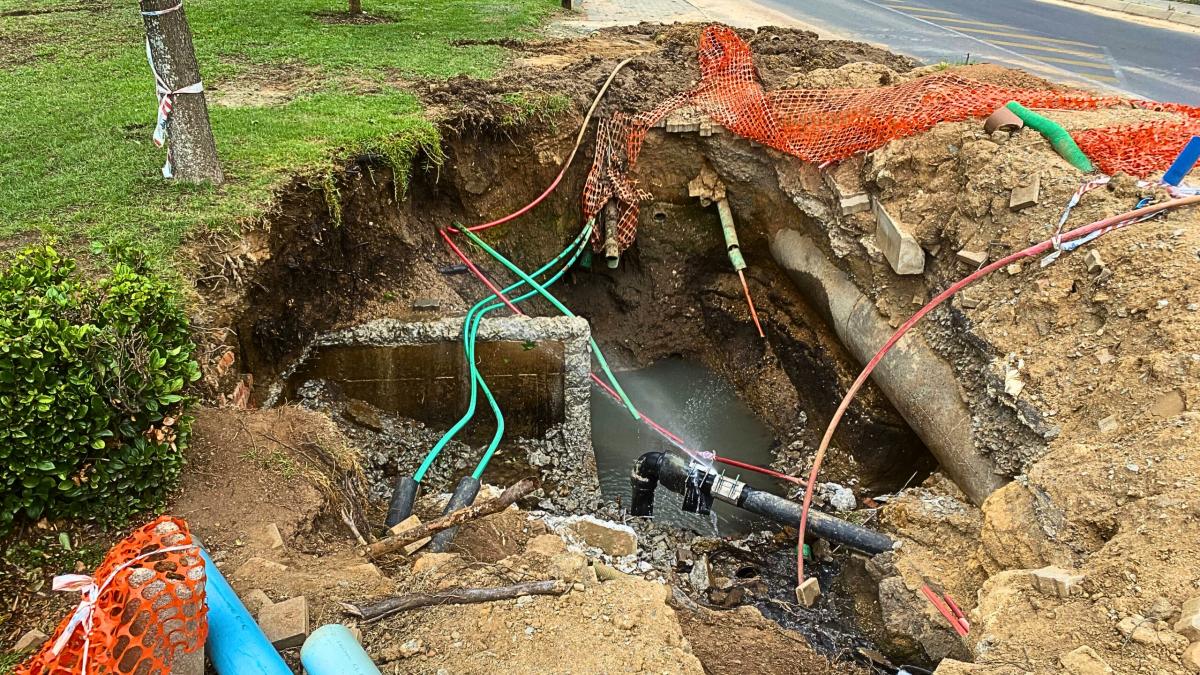
The result is that residents experience daily power outages, water shortages, uncollected refuse, and deteriorating road infrastructure.
It has reached such desperate levels that President Cyril Ramaphosa had to step in to address the situation.
After a visit to the City of Johannesburg, he described the deterioration as a painful sight and an appalling national economic emergency.
He highlighted collapsing infrastructure, failing water and electricity systems, pothole-ridden roads, and hijacked buildings.
This, he said, tarnished Johannesburg’s status as South Africa’s economic hub and should be addressed with urgency.
However, not even the President’s pleas could stop the rot. The city’s collapse continued, and it is now essentially bankrupt.
The problems are driven by unstable coalition governments, endemic corruption, and the severe mismanagement of its municipal entities.
The National Treasury has warned that the municipality’s cash position is critically low, and the metro struggles to meet its financial obligations.
Business Leadership South Africa warns of severe consequences

Business Leadership South Africa CEO Busi Mavuso said Johannesburg’s budget has soared while property values have plummeted and service delivery has collapsed.
“The City of Johannesburg spends less on capital investment now, despite far greater resources,” she said in a statement.
“Johannesburg’s failure poses systemic economic risk given its centrality to GDP and service provision.”
Mavuso added that private businesses cannot indefinitely substitute for failing municipal infrastructure.
Even after accounting for inflation, Johannesburg’s budget announced two weeks ago is more than 60% higher than it was in 2010, yet property values are 21% lower.
The services residents receive have deteriorated dramatically, as has financial management. Its accounts last year were qualified by the Auditor General.
Capital expenditure for this year will be just 6% of the budget, while a massive backlog of infrastructure spending and maintenance accumulates.
The Auditor General reported last week that Johannesburg had R2 billion of unauthorised expenditure because its budget was unfunded.
“This year, the City is counting on a 6.5% increase in revenue, largely from service charge increases, to fund an 8.1% increase in expenditure,” she said.
Finance Minister Enoch Godongwana has already intervened over the city’s unaffordable R10.3 billion salary deal.
Godongwana described the deal as illegally signed and pointed out that the city is effectively bankrupt.
Suppliers remain unpaid. The City of Johannesburg owes them far more than the cash it has on hand. Some are ceasing services because of non-payment.
She explained that the failure of Johannesburg, which accounts for 16% of the country’s GDP, poses systemic risk to the entire economy.
“Repeated failures in water supply, electricity and road maintenance are becoming an unacceptable risk for business,” she said.
BLSA, Busa and B4SA have called for immediate action to stabilise the city’s finances and launch presidential and national government interventions.
Proposal by ActionSA
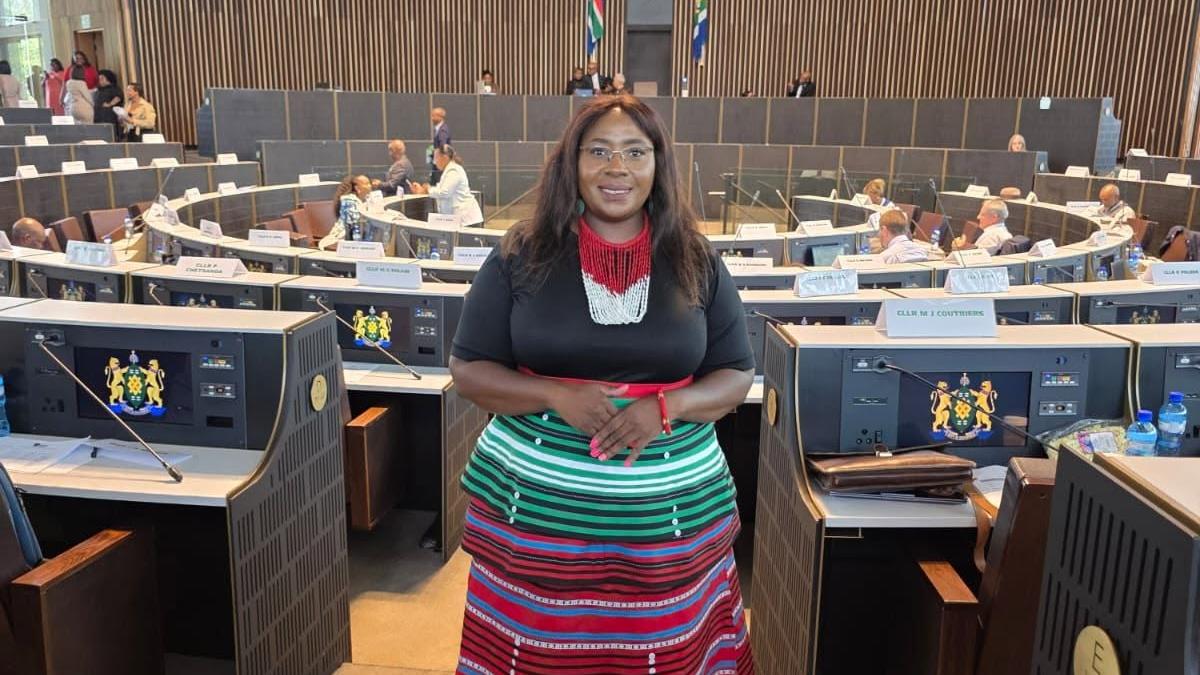
Mpumi Edward, ActionSA candidate for MMC of finance in Johannesburg, tabled a proposal for improving the situation.
She said that despite paying billions in rates and taxes, many communities are receiving far less in return. As a result, public confidence in government declines.
“The reality is that a considerable proportion of public funds are haemorrhaging out of the city because of municipal entities,” she said.
“Part of the manufactured chaos is the attempt to govern through a complex web of thirteen municipal entities.”
“Many of them are dysfunctional and need to urgently focus on being accountable, efficient, financially sustainable, and restoring service delivery.”
Entities such as City Power, MetroBus, Johannesburg Social Housing Company and Pikitup are responsible for delivering critical services.
These services range from electricity and water provision to property management, transport, waste management, and housing.
These entities have their own boards, executive structures, administrative systems, legal departments, procurement units, and management support functions.
This fragmentation has contributed to escalating operational costs. Millions of rands are spent annually on duplicated executive functions.
There are also board fees, consultants, legal services, administrative overheads, and governance structures that often add little value to frontline service delivery.
She said the situation needed an urgent review and eventual integration of municipal entities into the City’s departments.
“The existence of separate entities has not insulated the City from governance failures. In many cases, it has made those failures harder to identify and correct,” she said.
She said the integration process will be carefully planned, professionally managed, legally compliant, and implemented in phases.
“Critical technical skills will be retained. Operational continuity must be protected. Labour stakeholders must be consulted,” she said.
“The time has come to build a municipal government that is easier to manage, easier to oversee, and easier for residents to hold accountable.”
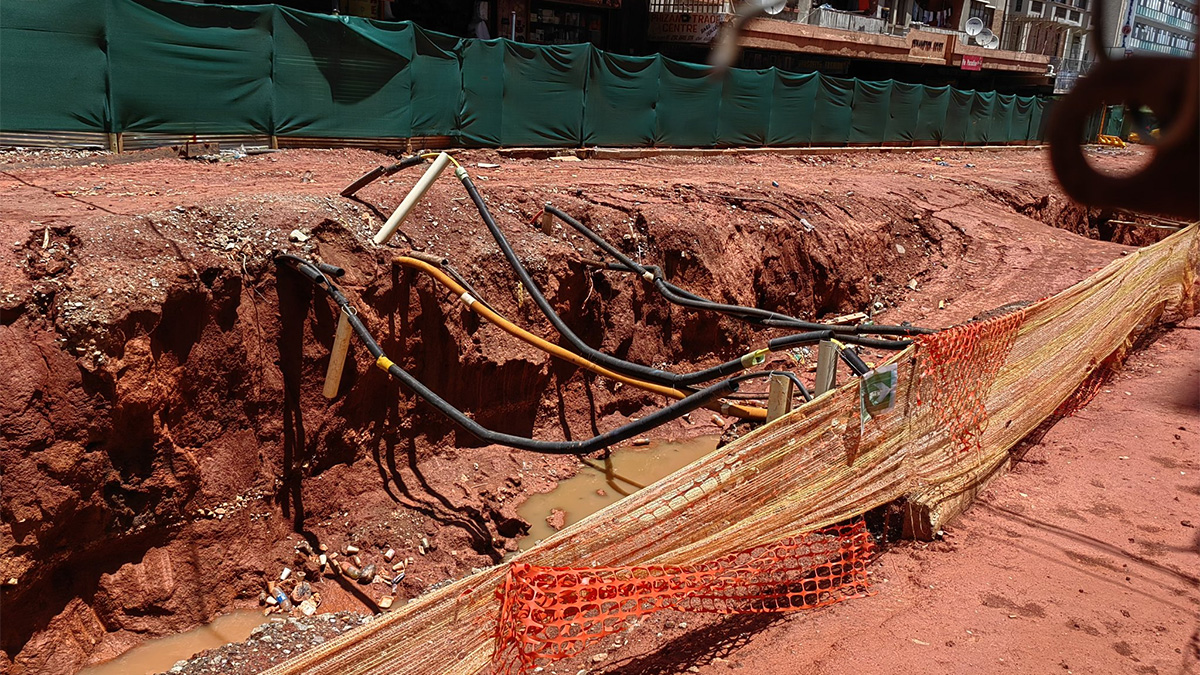
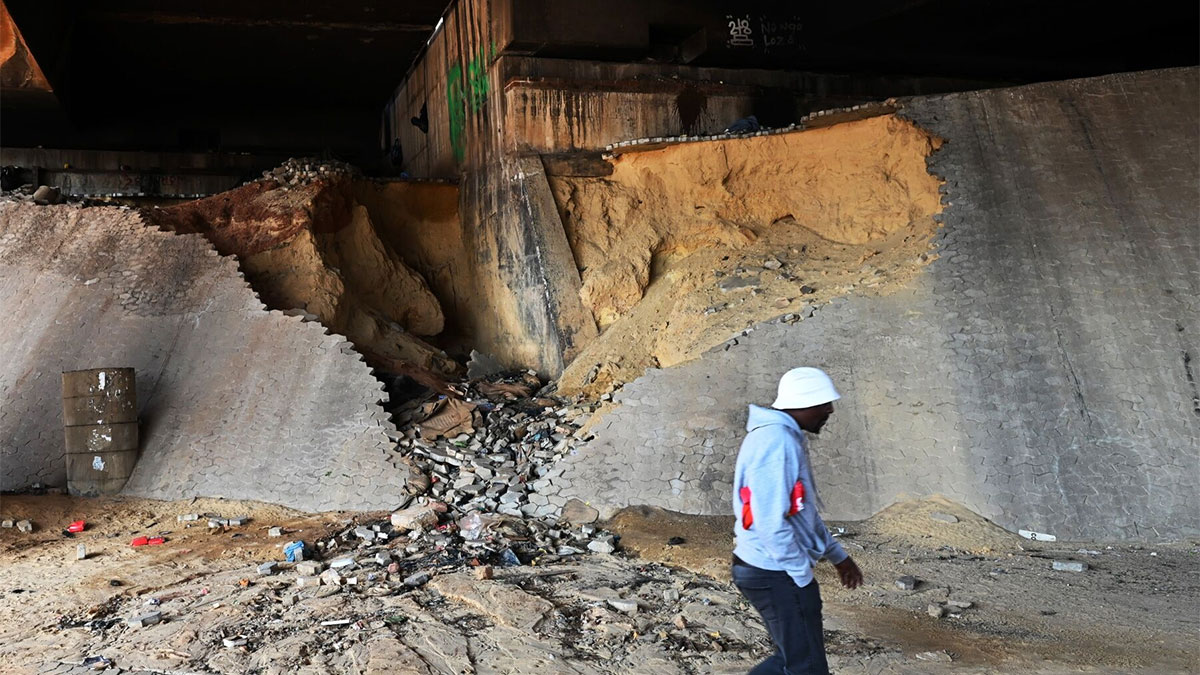
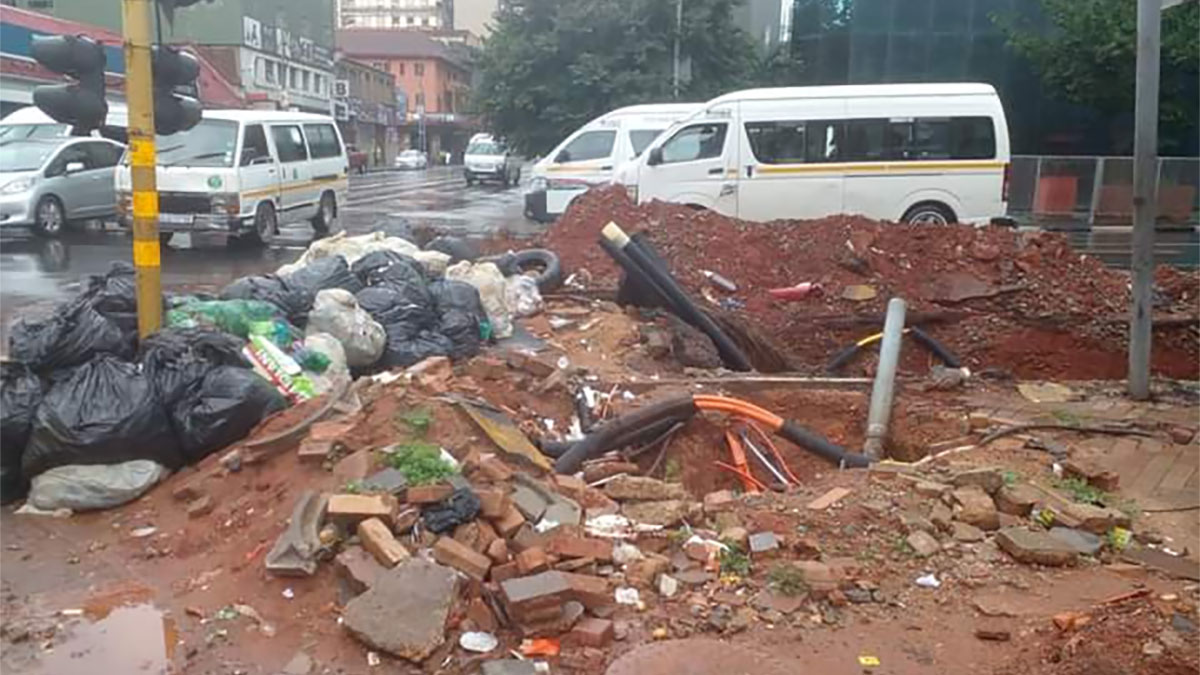
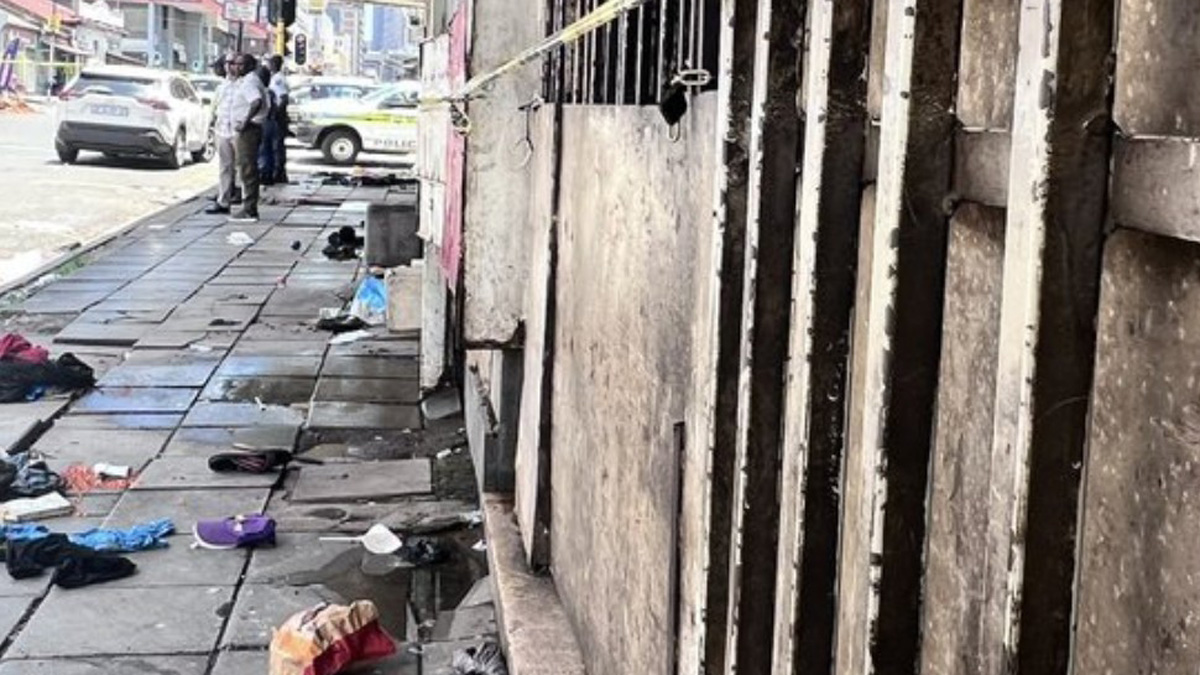
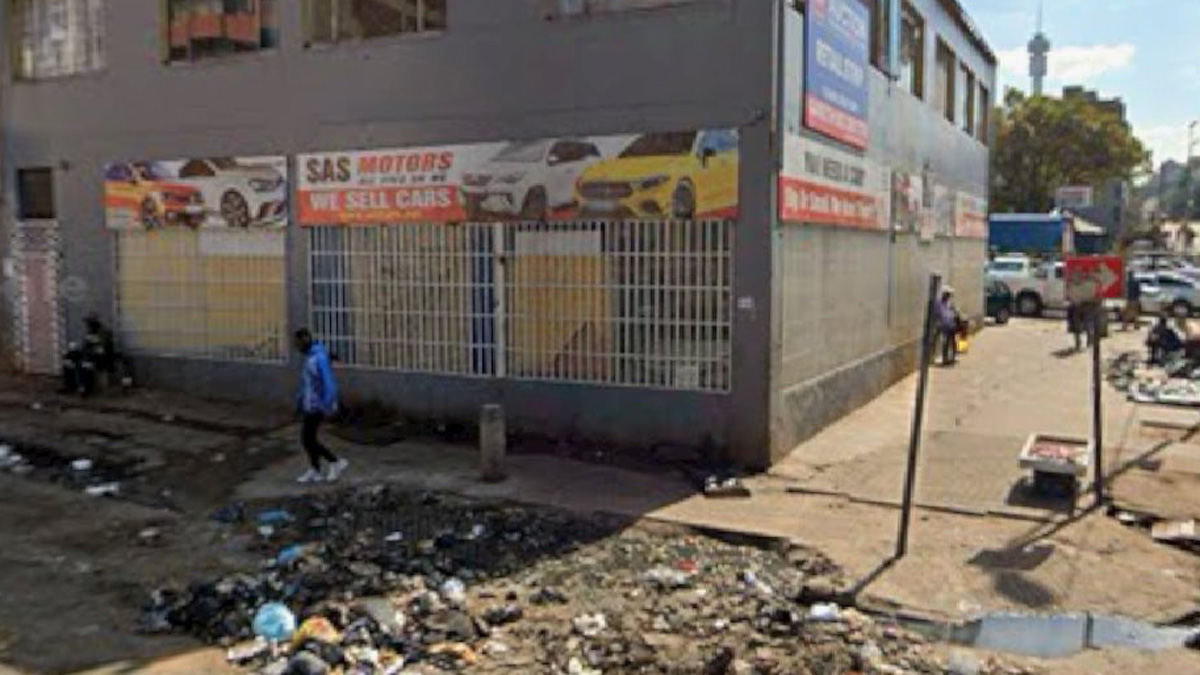
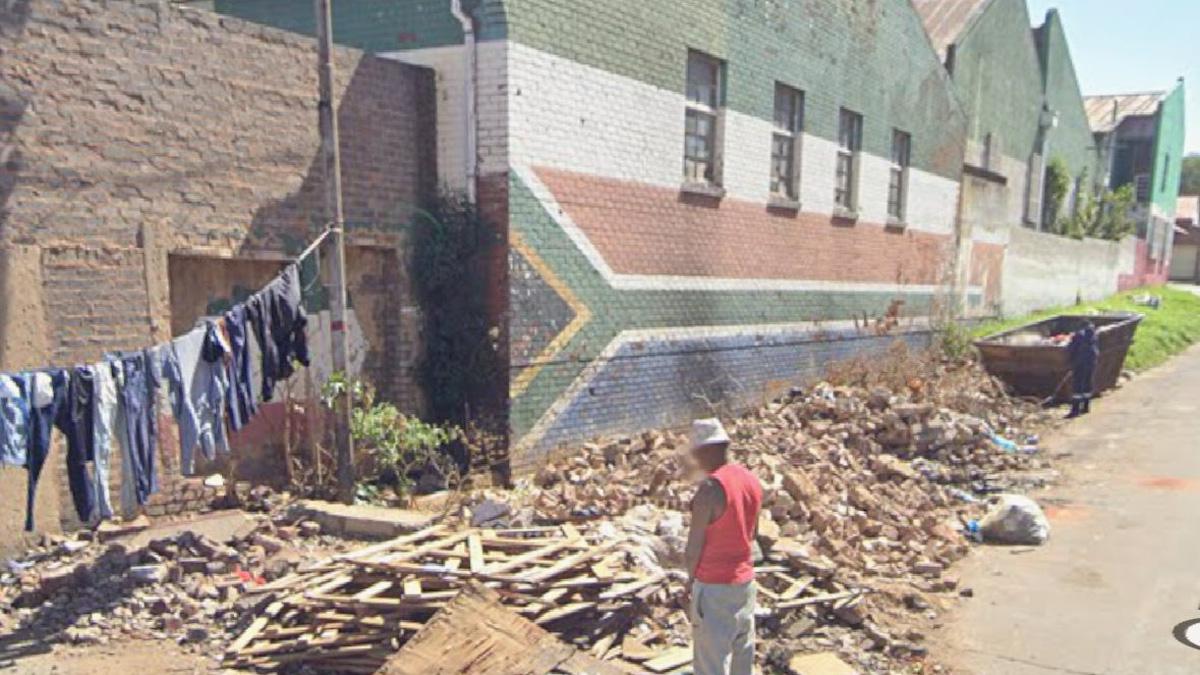
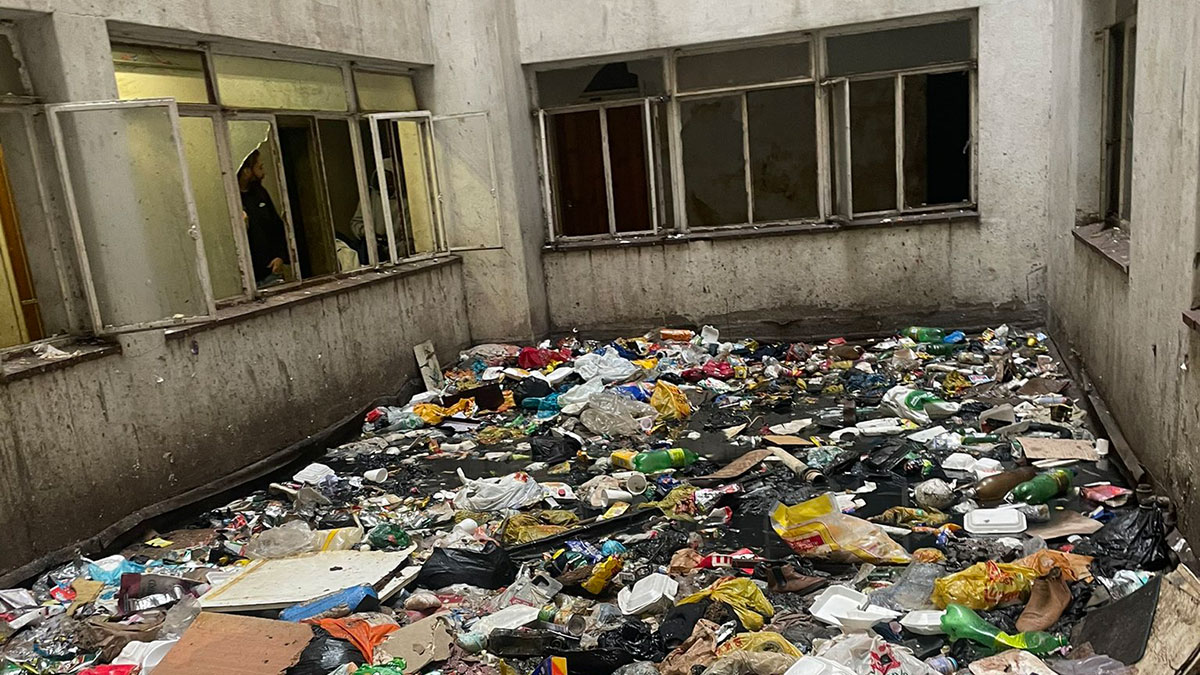
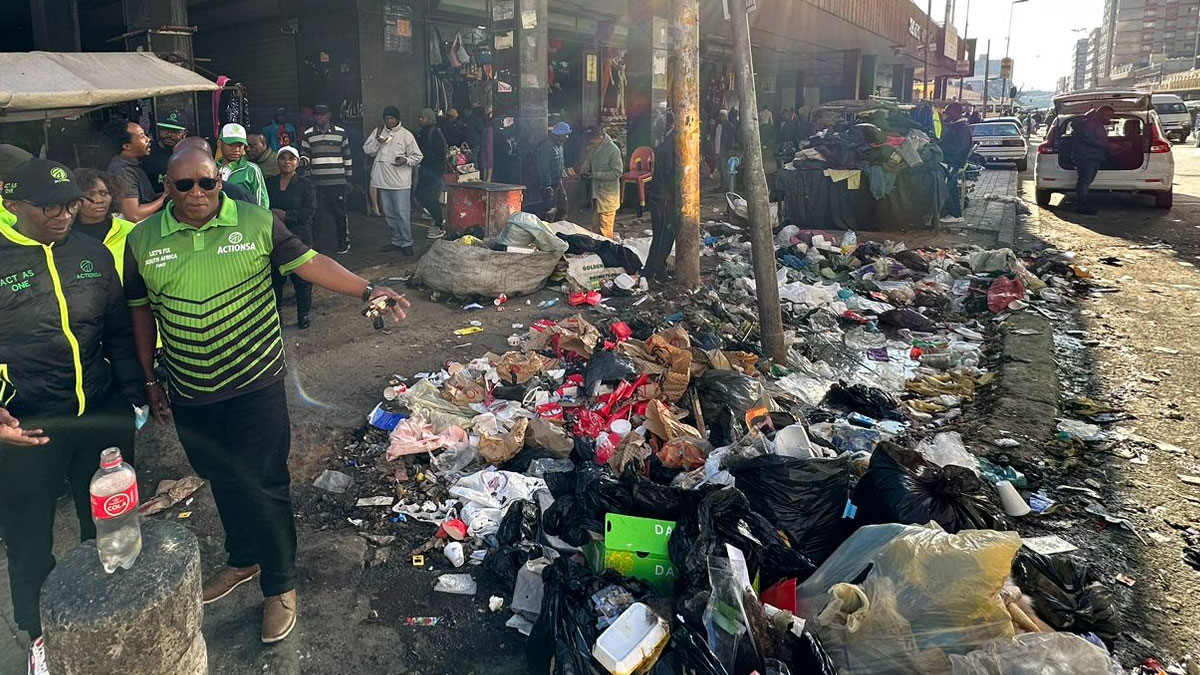
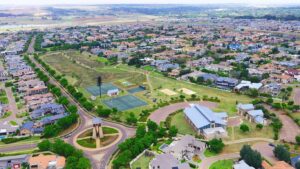
City of Johannesburg photos
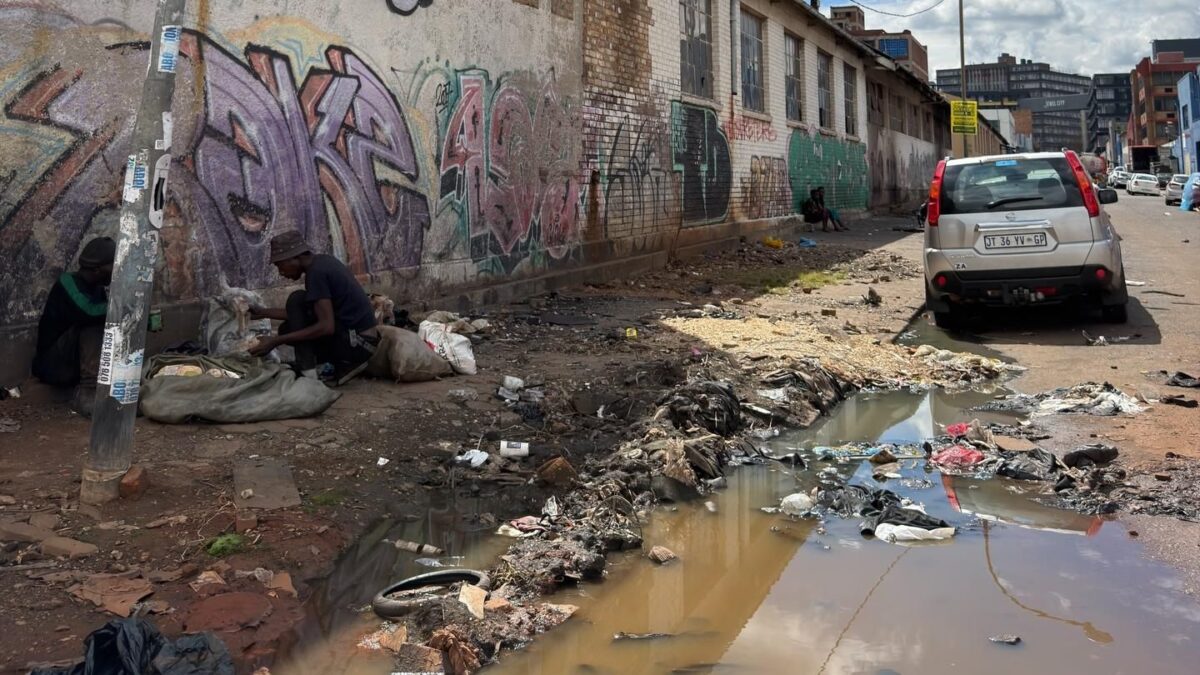
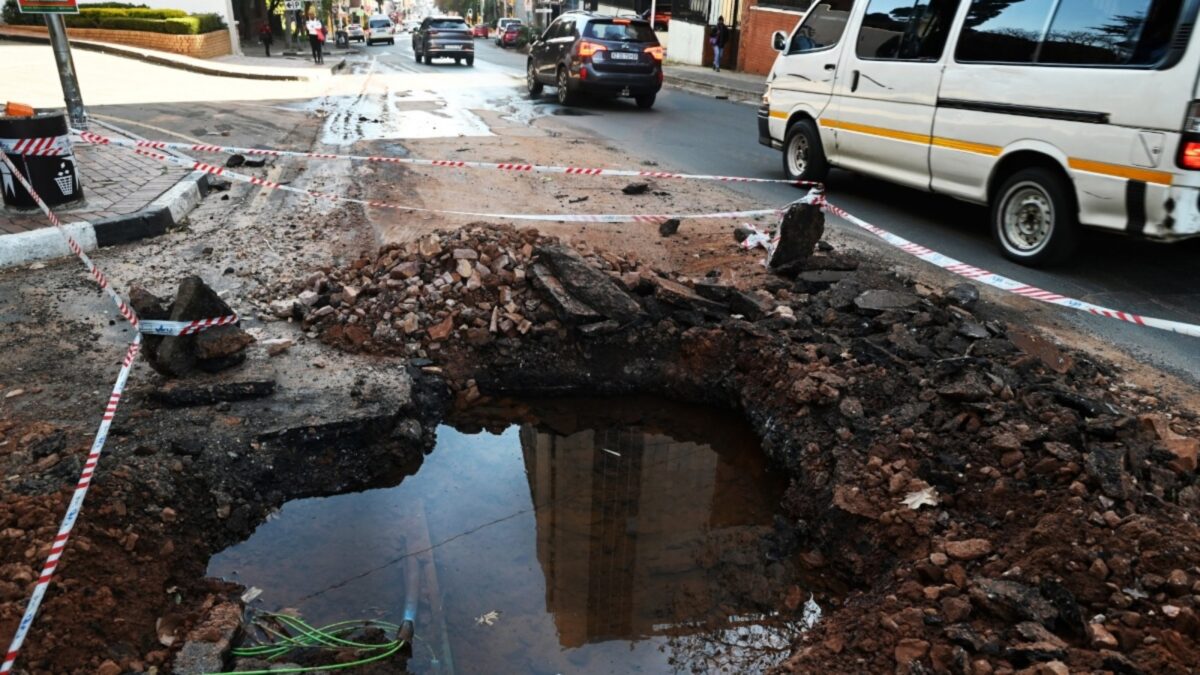







 Loading ...
“Give an African country to palefaces and within 20 years it will be a paradise. Give Switzerland to Africans, and it will become a ruinous desert in the same number of years.”