
The plan to stop South Africa’s FMD storm


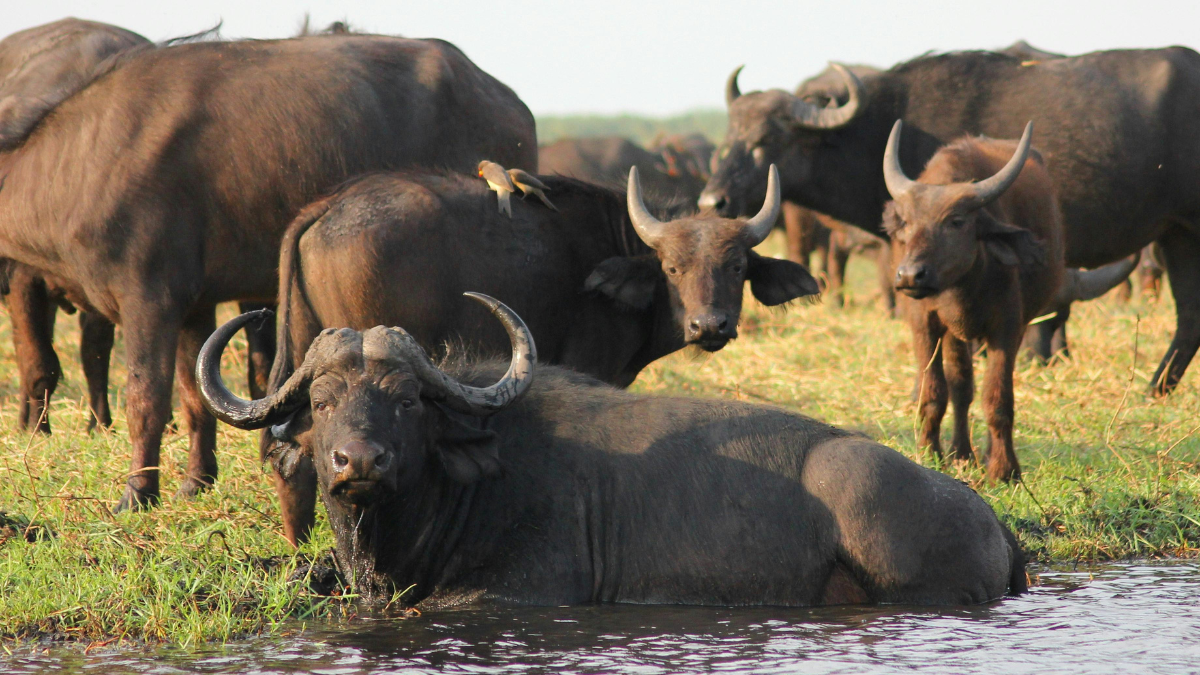
The Matlabas farming area in Limpopo was declared a bio-secure area on 19 February 2026 to prevent the buffalo population from contracting foot-and-mouth disease (FMD).
The 2.2 million-hectare area in the North of Limpopo is home to South Africa’s largest buffalo population. It consists of 663 game farms and more than 50,000 buffalo.
The decision to declare the area a bio-secure zone followed a meeting of local farmers. The meeting was led by a panel of private veterinarians and representatives of Buffalo and Livestock Analytics (BLA).
Dr Johan Cronjé, a veterinarian from Thabazimbi, was the first to announce it. He explained that the decision is a community initiative aimed at protecting both the animals and the farmers’ livelihoods.
“The whole community has to work together. The decision was carefully considered, and we believe it is in the best interests of the whole community,” Cronjé said.
Although the community worked alongside government veterinarians, Cronjé believes the government’s protocols are insufficient to curb the outbreak.
Farmers in the area felt the need for further action to prevent “the FMD storm” from hitting Matlabas with the force it had hit South Africa.
They are analysing the government’s protocols announced by President Cyril Ramaphosa and will make adjustments where they deem necessary.
BLA is working with the Matlabas community to build a unified database. This coordinated database will compile information on permits, risks, and FMD cases in the zone.
The declaration prohibits the import of cloven-hoofed animals into the area. Farmers can request permits to transport animals in the region by registering on the BLA database.
Dr Ampie Viljoen, a local veterinarian, stressed that introducing a bio-secure zone should not be taken lightly.
“Our actions now will determine our future for the next few years. That is why we need to take responsibility and listen to the community and experts,” Viljoen said.
Cronje explained that if the whole community adhere to the protocols, it might be possible to resume hunting trips.
Limpopo, a region famous for its exceptional hunting opportunities, is a significant attraction for international visitors.
Meetings will be held regularly to keep local producers informed of protocols and regulations, as well as suspected FMD cases.
Producers include commercial farmers, smallholding farmers and farmers from informal settlements in the area.
Vaccine distribution
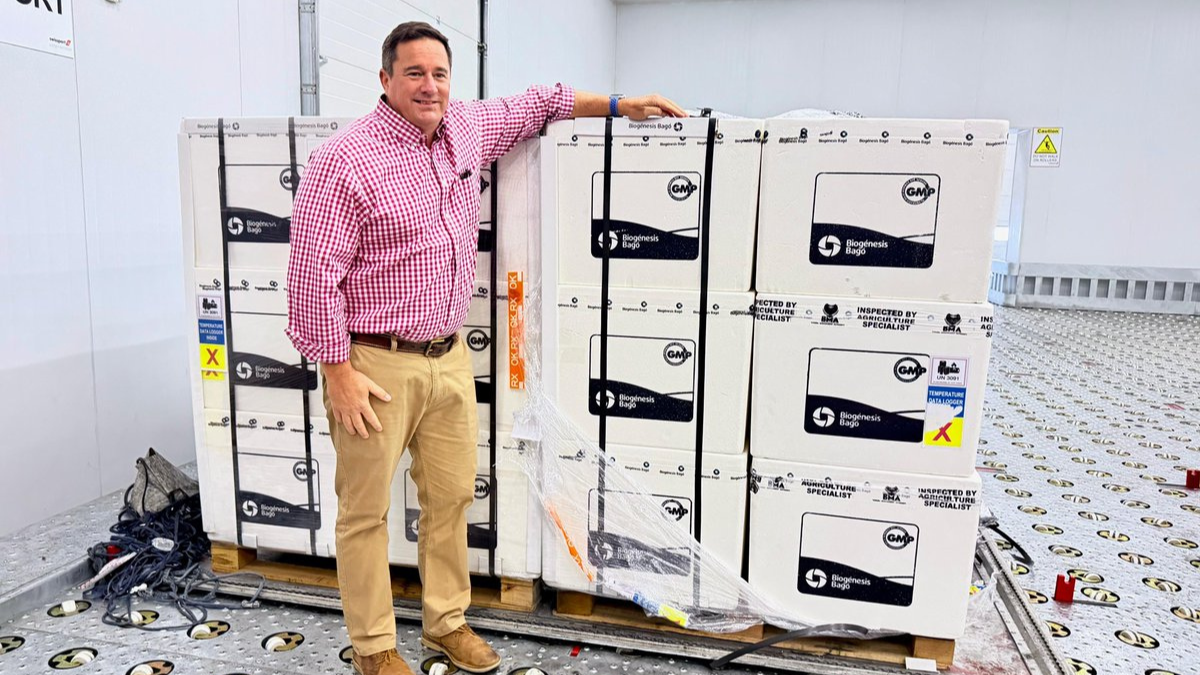
Agriculture Minister John Steenhuisen oversaw the arrival of the first batch of 1 million FMD vaccines at OR Tambo International Airport on 21 February 2026.
The first batch was sent from Argentina, but later shipments from Botswana and Turkey are expected by the end of March.
“Vaccination has already begun in affected areas, but supply has limited the speed and coverage,” said Steenhuisen.
He explained that with this arrival, the Department of Agriculture can now accelerate protection across priority provinces and stabilise the livestock sector.
The department has confirmed reported outbreaks across all provinces. Quarantine measures, movement restrictions and surveillance were implemented nationwide.
A risk-based vaccination approach will prioritise outbreak epicentres in KwaZulu-Natal and parts of Gauteng, Free State and North West.
High-risk border regions, including Limpopo, will follow structured vaccination programmes. The programmes aim to prevent “spill-overs” from outbreaks in Botswana.
Steenhuisen stresses the importance of taking action beyond administering vaccines. Farmers must adhere to quarantine rules, movement permits and bio-security measures.
“Those who deliberately move animals illegally, conceal infections, or ignore restrictions threaten the recovery of the entire sector,” he said.
The Department intends to work with law enforcement to address non-compliance with government protocols and ensure that “the full might of the law will be applied.”
Steenhuisen feels like South Africa is step-by-step moving from crisis management to crisis control.
“Working together, we will stabilise the sector and rebuild confidence in South Africa’s animal-health system,” he said.
The table below shows the vaccine distribution per province.
| Province | Amount/ 1 million doses |
| KwaZulu-Natal | 200,000 |
| Free State | 200,000 |
| Eastern Cape | 150,000 |
| Limpopo | 100,000 |
| Mpumalanga | 100,000 |
| North West | 100,000 |
| Gauteng | 70,000 |
| Northern Cape | 50,000 |
| Western Cape | 30,000 |
This article was written by Zané Steyn.

















 Loading ...