
The crime costing South Africa R100 billion a year


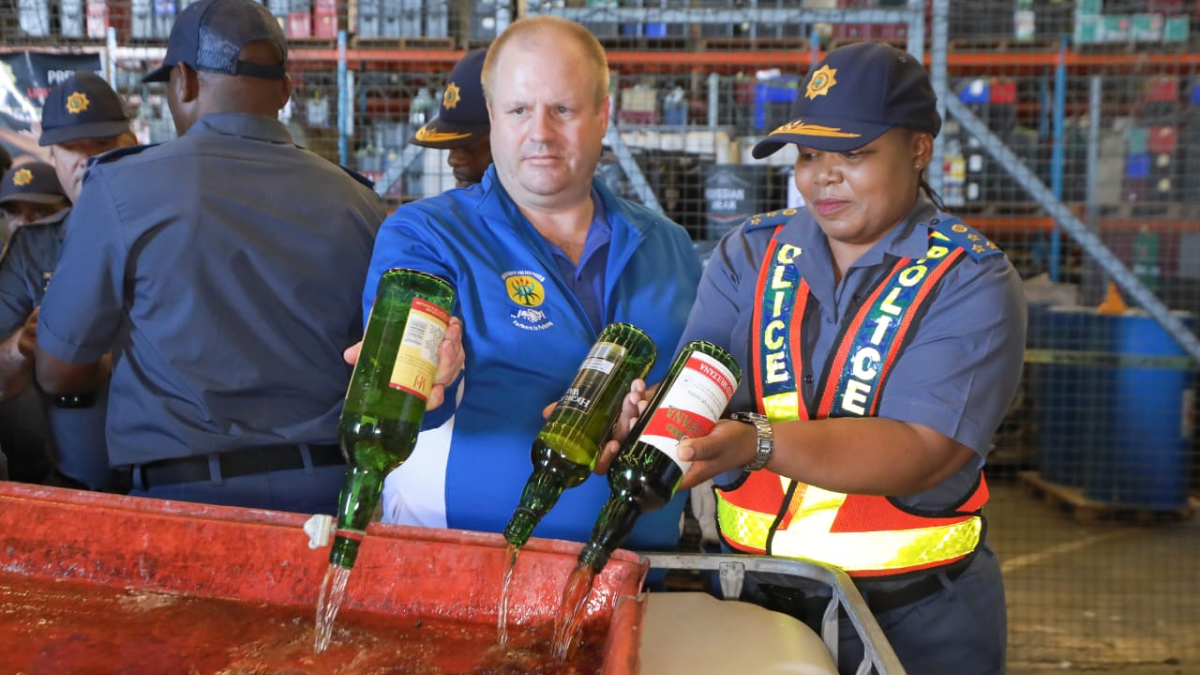
The South African Revenue Service (SARS) estimates that South Africa loses R100 billion a year through illicit trading. Business Leadership South Africa (BLSA) estimates that the country loses R250 million a day.
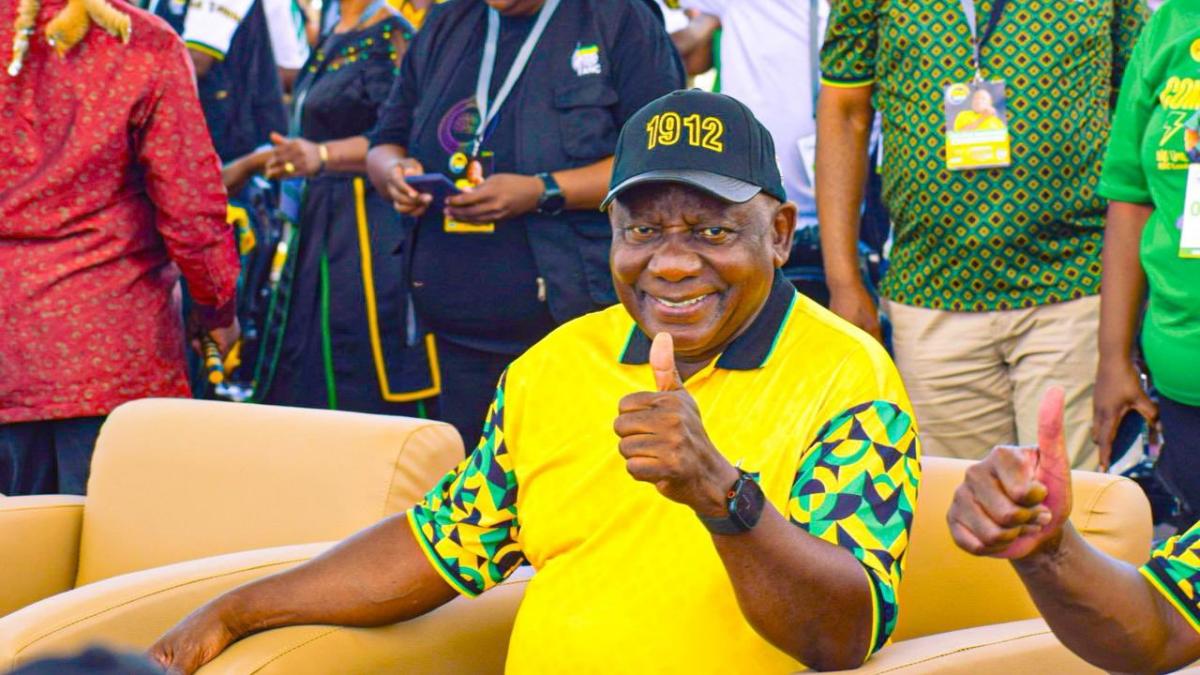
President Cyril Ramaphosa announced during his State of the Nation Address (SONA) on 12 February that he will establish a National Illicit Disruption programme.
The Consumer Goods Council of South Africa (CGCSA) said that this is the wake-up call the country needs to address this “national crisis” that has already cost the country hundreds of billions.
Two of the most prominent industries in the country’s illegal trade network, according to the president, are cigarettes and alcohol.
CGCSA estimates that Illicit trading in tobacco is growing every year and costing the fiscus as much as R5 billion a year in lost tax revenue.
Lost tax revenue on Illegal alcohol sales amounts to as much as R11.3 billion annually, according to the South African Liquor Brand Owners Association.
The illegal trade crisis has been brought on by the weakening of SARS through years of state capture and the consequences of policy decisions.
According to findings from the Zondo Commission into State Capture and the Nugent Commission on SARS, the entity was captured to weaken its ability to investigate tax compliance.
Former President Jacob Zuma bypassed legal processes to appoint Tom Moyane as SARS Commissioner, and the capture of the entity weakened its efficiency and drastically reduced its revenue collection ability.
SARS has been recovering since 2019 and is making strides in improving its credibility and regaining public trust.
The weakening of SARS, however, left a vacuum in the enforcement of tax compliance between 2014 and 2018, which allowed illicit trade to flourish.
This was then worsened by a ban on the legal sale of alcohol and cigarettes during the 2020 COVID-19 pandemic.
The collapse of South Africa’s 100-year-old Tobacco industry
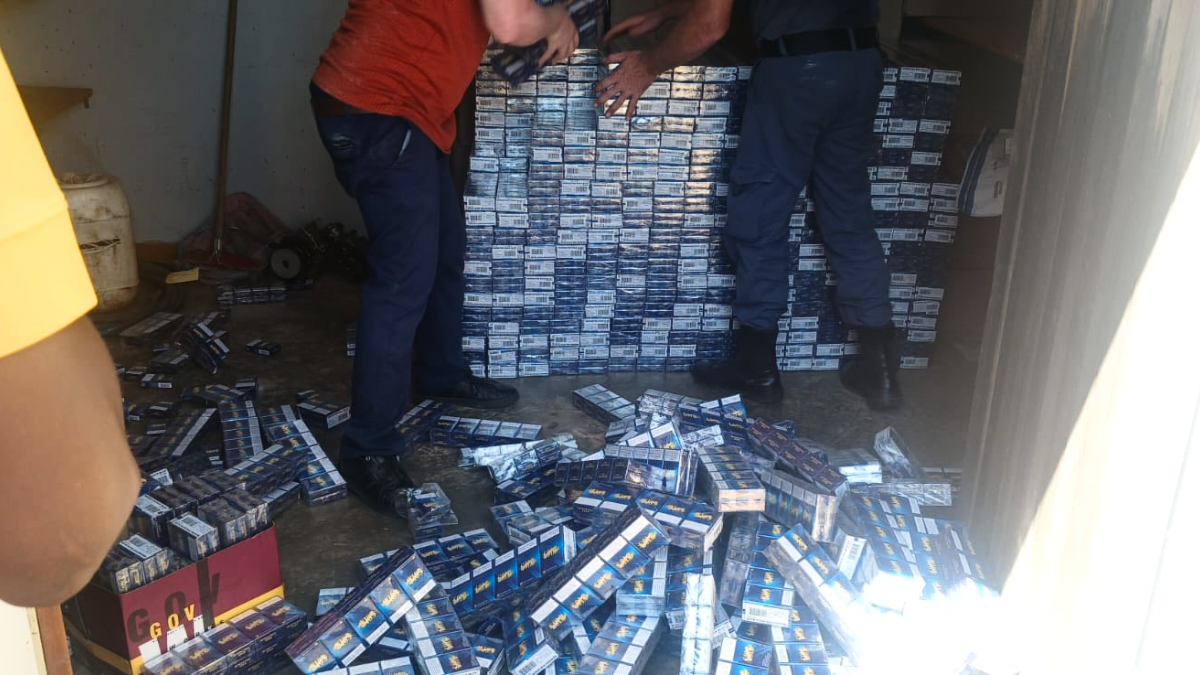
This decision, taken under the guise of pandemic health management, not only failed to achieve its health directives but also effectively handed multi-billion rand industries to criminal syndicates.
As the COVID-19 pandemic swept across the globe, Minister Nkosazana Dlamini-Zuma spearheaded a nationwide prohibition on the sale of tobacco products.
The government argued that the ban was necessary for health reasons, claiming it would encourage smokers to quit and reduce the severity of Covid-19 cases.
However, the policy failed on its primary metric. Research from the National Income Dynamics Coronavirus Rapid Mobile Survey revealed that 85% of smokers continued their habit during the ban.
Rather than quitting, consumers were forced underground, transferring the entire market from tax-paying, regulated manufacturers to illicit traders.
During this period, the average price of cigarettes on the black market surged by nearly 200%, creating an unprecedented windfall for criminals.
In 2019, illicit cigarettes accounted for roughly one-third of the market. By 2022, that figure had climbed to 58%, and current estimates suggest the illegal trade now controls between 60% and 75% of the entire sector.
A study by the University of Cape Town’s Research Unit on the Economics of Excisable Products found that the government lost an estimated R119 billion in excise and Value-Added Tax (VAT) revenue between 2002 and 2022.
The closure of British American Tobacco (BAT) was a direct consequence of this rise in illegal trade, according to the company, which shut its doors in January 2026.
“With approximately 75% of the South African cigarette market now estimated to be illicit, continued local manufacturing has become unviable,” said Johnny Moloto, head of Corporate and Regulatory Affairs for BAT in Sub-Saharan Africa.
The company directly attributed the closure to the “unconstitutional 2020 Tobacco sales ban” and above-inflation excise taxes.
Illicit alcohol sales kill businesses and people
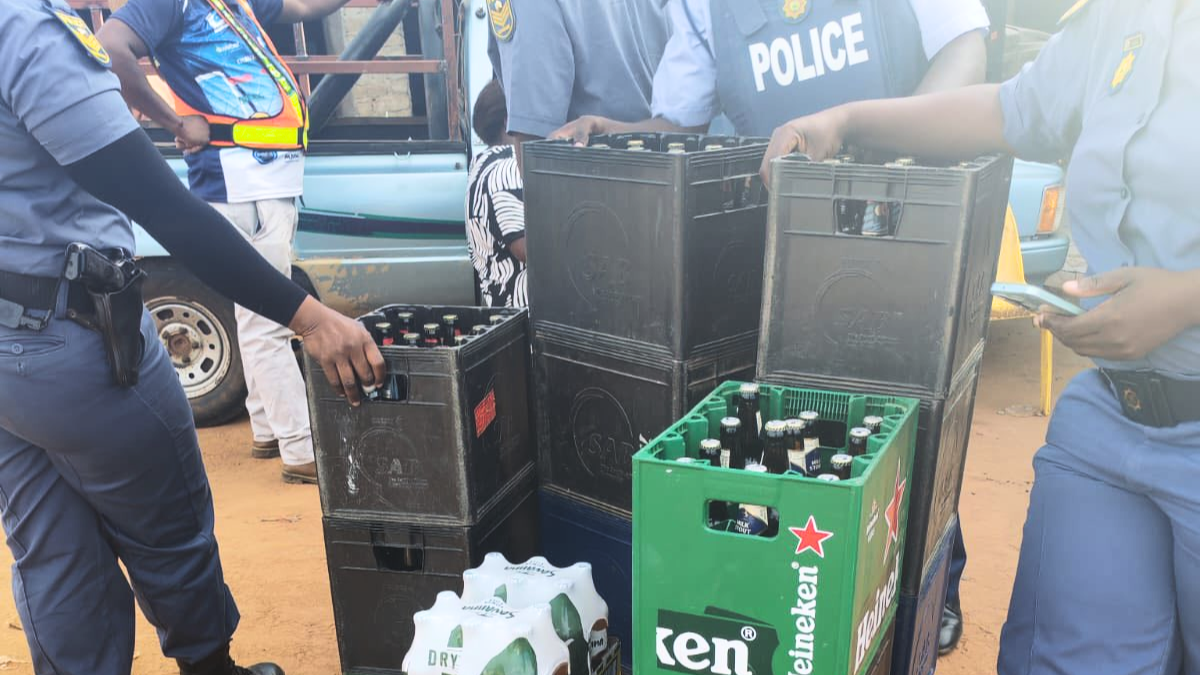
BAT added that this should be a cautionary tale for other South African industries.
“Illicit trade doesn’t just hurt companies – it destroys jobs and communities. And all indicators are that illicit is becoming a significant issue in multiple industries, including alcohol, pharmaceuticals and cosmetics, food, clothing and even toys,” said Moloto.
The alcohol industry faces a similar fate. Between March 2020 and July 2021, the government implemented several strict, temporary bans on the sale and distribution of alcohol.
A study conducted by the South African Journal of Science found in a survey of 792 participants during lockdown that 55.3% began to buy alcohol illegally.
The latest Euromonitor International Study commissioned by the Drinks federation of South Africa reveals that the illegal alcohol market has flourished since the 2020 ban.
Illegal alcohol sales spiked from 498,290 Hectolitres in 2017 to 773,424 Hectolitres by 2024, a 55% growth in 7 years.
The study found that one in every five alcoholic purchases is illicit. The main draw of the illicit trade was found to be affordability, with illegal alcohol being 37% cheaper than legal alternatives.
Illegal alcohol however, does not only harm the economy. “Fake alcohol is flooding the market, and it’s not just a fraud; it’s a public health crisis,” said Norman Goodfellows.
The company added that it has heard from unknowing customers who were deceived by counterfeit brands. “You’re not just risking your night, you’re risking your life,” the company said.
The Euromonitor study found that in a study of over 700 respondents who purchase alcohol illegally, 29% know someone who has died from illegal alcohol poisoning, and about half knew of someone who was seriously harmed.











 Loading ...
The only crime here is taxation.