
The billionaire Rupert family has done more for Graaff-Reinet than anybody else



The Rupert family, particularly Anton Rupert and his son Johann Rupert, has had a profound impact on the preservation and economic revitalization of Graaff-Reinet.
Their contributions ranged from corporate investment and historical preservation to environmental protection and giving people title deeds.
Graaff-Reinet dates back to 1786 and honours Cornelis Jacob van de Graaff, a Dutch governor of the Cape Colony under the VOC, and his wife, Cornelia Reynet.
In 1795, citizens rid themselves of VOC taxes and established the short-lived Republic of Graaff-Reinet.
Much later, in the 1830s, Graaff-Reinet was also the point of departure for the Great Trek, a historic event in Afrikaner culture.
Graaff-Reinet made headlines in recent weeks after the Minister of Sport, Arts and Culture, Gayton McKenzie, changed its name to Robert Sobukwe Town.
The Freedom Front Plus said this name change was an example of cultural imperialism in which Afrikaner cultural history was annihilated.
“It has become customary to expect Afrikaners, and only Afrikaners, to sacrifice their heritage on the altar to appease the rest. We refuse to keep doing it,” the party said.
The Freedom Front Plus rejected Graaff-Reinet’s name change and said it would rectify it at the first opportunity that arises.
The party’s leader, Dr. Corné Mulder, urged everyone who values the name Graaff-Reinet to remain loyal to the name and not change to Robert Sobukwe Town.
AfriForum has sent a lawyer’s letter to Minister Gayton McKenzie to object to the name change of Graaff-Reinet.
The South African Geographical Names Council Act 118 of 1998 provides for such objections to be lodged within 30 days of the publication of a name change.
“The name change could damage the cultural and historical content of the name, the tourism industry, the local economy, and relations among communities,” it said.
The Rupert family’s contribution to Graaff-Reinet
Many people argued that Robert Sobukwe, an anti-apartheid revolutionary and founding member of the Pan Africanist Congress (PAC), did little for the town.
Although he was born in Graaff-Reinet, he did not contribute much after he moved away for education and work.
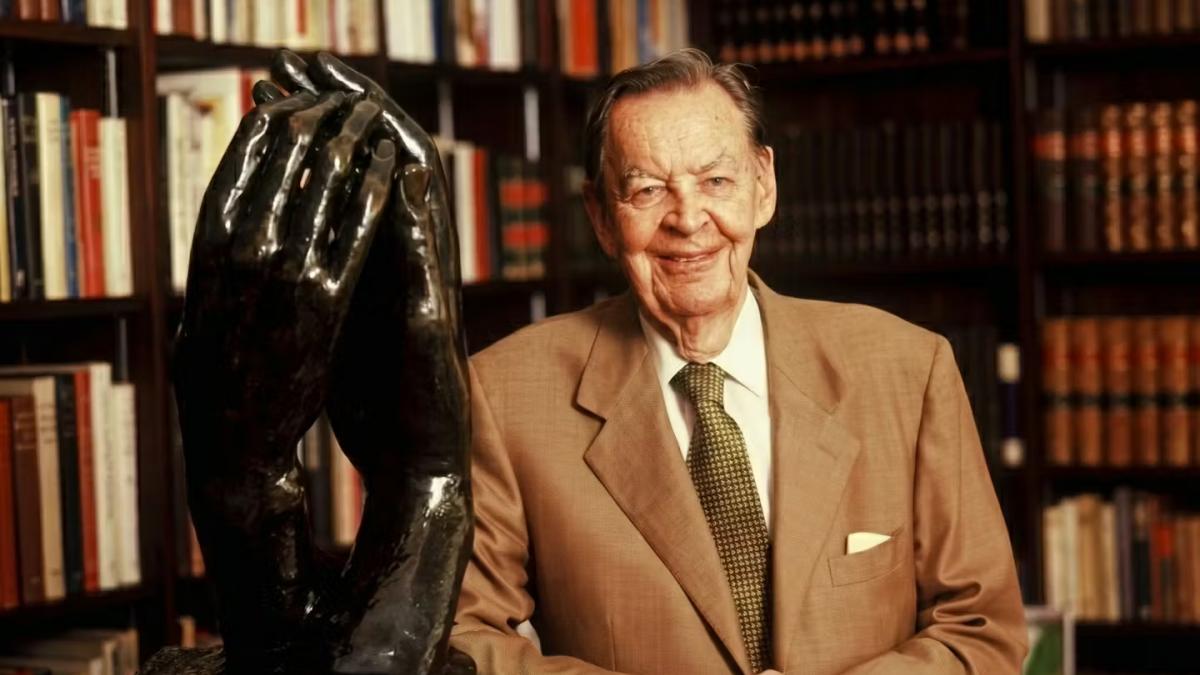
In contrast, the Rupert family, particularly Anton Rupert and his son Johann Rupert, has made a tremendous contribution to the town.
Anton Rupert was born and raised in Graaff-Reinet. He studied in Pretoria and ultimately moved to Stellenbosch.
However, despite leaving Graaff-Reinet, he did a tremendous amount to uplift the town where he grew up.
Anton Rupert was a pioneer in productive conservation, believing that old buildings should be restored and put to practical use.
Through the Historical Homes of South Africa, now Heritage SA, Rupert saved dozens of dilapidated Karoo-style houses.
Over 90 buildings in Graaff-Reinet have been declared national monuments, many due to his intervention.
He also saved the 1821 Dutch Reformed Mission Church from demolition and converted it into an art museum, naming it after his mother.
Anton Rupert also donated a significant collection of South African art to the town, which visitors can enjoy.
He played a pivotal role in the creation of the Karoo Nature Reserve, which eventually became the Camdeboo National Park.
He helped fund the land acquisition to ensure the Valley of Desolation remained protected.
One of the family’s most famous projects is the Drostdy Hotel. They purchased the historic building in the 1970s and restored it into a world-class hotel.
Johann Rupert continues his father’s work
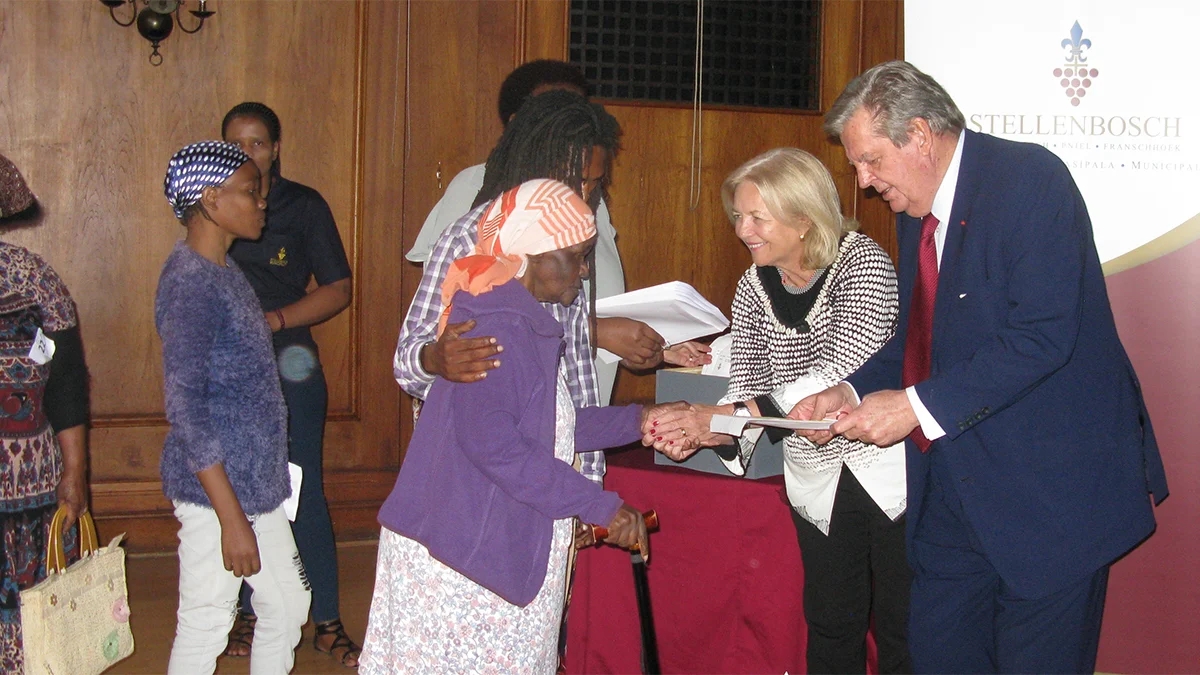
Johann Rupert’s family office oversaw a massive multi-million-rand refurbishment of Drostdy Hotel in 2014, making it a cornerstone of the town’s tourism economy.
Gaynor Rupert, Johann’s late wife, founded the SA College for Tourism in Graaff-Reinet in 2001.
It provides training to young people from underprivileged backgrounds in hospitality and eco-tourism, specifically to work in national parks and lodges.
The Rupert Education Trust and the Remgro corporate social investment programs have funded various local school upgrades and healthcare initiatives in the area.
Johann Rupert has even contributed to the preservation of the Robert Sobukwe gravesite in Graaff-Reinet, acknowledging the town’s complex political history.
Between the Drostdy Hotel, the Tourism College, and various agricultural holdings, the family remains one of the largest private employers in the district.
In Graaff-Reinet, Johann Rupert and his wife, Gaynor, have been the primary supporters of the Khaya Lam Land Reform Project.
This initiative, run by the Free Market Foundation (FMF), focuses on converting apartheid-era leasehold titles into full freehold title deeds for residents.
Johann Rupert and Gaynor have personally sponsored 1,000 title deeds specifically for the Graaff-Reinet area.
By covering the administrative and legal costs, the Ruperts enable long-term tenants to become legal owners at no cost to themselves.
This allows families to leverage their property for loans, invest in improvements, or pass wealth to the next generation.








 Loading ...